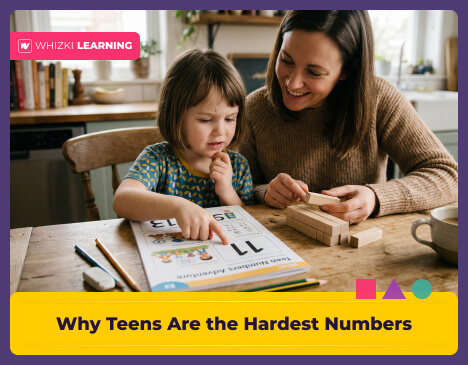
As a parent or teacher, you have probably seen that moment, the one where a child counts beautifully up to ten and then suddenly stops cold at eleven. It is frustrating, and it can feel personal, like you are missing something. But most of the time, you are not doing anything wrong. The English counting system has a tricky jump right after ten, and that is enough to throw off a 3-7-year-old who is still building number sense. When families try to teach eleven through nineteen with flashcards alone, many kids feel overwhelmed and shut down, or they get stuck in frustration. This guide breaks down why the teen numbers can feel so hard for ages 3-7, and it gives hands-on, base-10 strategies that make the numbers make sense. With tactile counting, children build real confidence that carries into later addition and everyday math talk.
The Linguistic Trap of Eleven and Twelve
Eleven and twelve are the first big bump in the road, because they do not follow the same clear base-10 naming pattern that children expect. If English followed strict logic, eleven would sound like “ten-one” and twelve would sound like “ten-two.” But early learners do not have that rulebook in their heads yet. They lean on patterns, and the words “eleven” and “twelve” do not give any hints about their actual quantity. That missing pattern is why so many kids hit a sudden, intimidating wall when they try to keep counting.
Parents can help kids move past this language snag with concrete visual tools that show the hidden base-10 structure. Using targeted resources, such as our Number 11 learning hub and Number 12 learning hub, parents can physically show that eleven and twelve are “one group of ten” plus a few more ones. When the confusing word connects to a clear, touchable amount, the anxiety usually drops fast.
The Backwards 'Teen' Numbers (13-19)
Thirteen through nineteen bring a different kind of challenge, because the spoken word often comes in an order that feels backwards to young learners. When a child hears “fourteen,” the child hears “four” first, and then “teen.” That order can lead to a common writing mix-up, where the child writes the number backwards as “41.” Montessori math educators address this by teaching children that the “teen” part means “a group of ten.” Once kids understand that vocabulary, the task stops feeling like memorization and starts feeling like a logical puzzle.
To help with the backwards writing habit, separate the sound from the meaning. When teaching fourteen, for example, the parent should have the child build the “group of ten” first, then add the “four” ones. This physical order helps the child’s brain sort out the base-10 structure correctly, so the confusing order of the English word matters less.
Hands-On Strategies for Base-10 Mastery
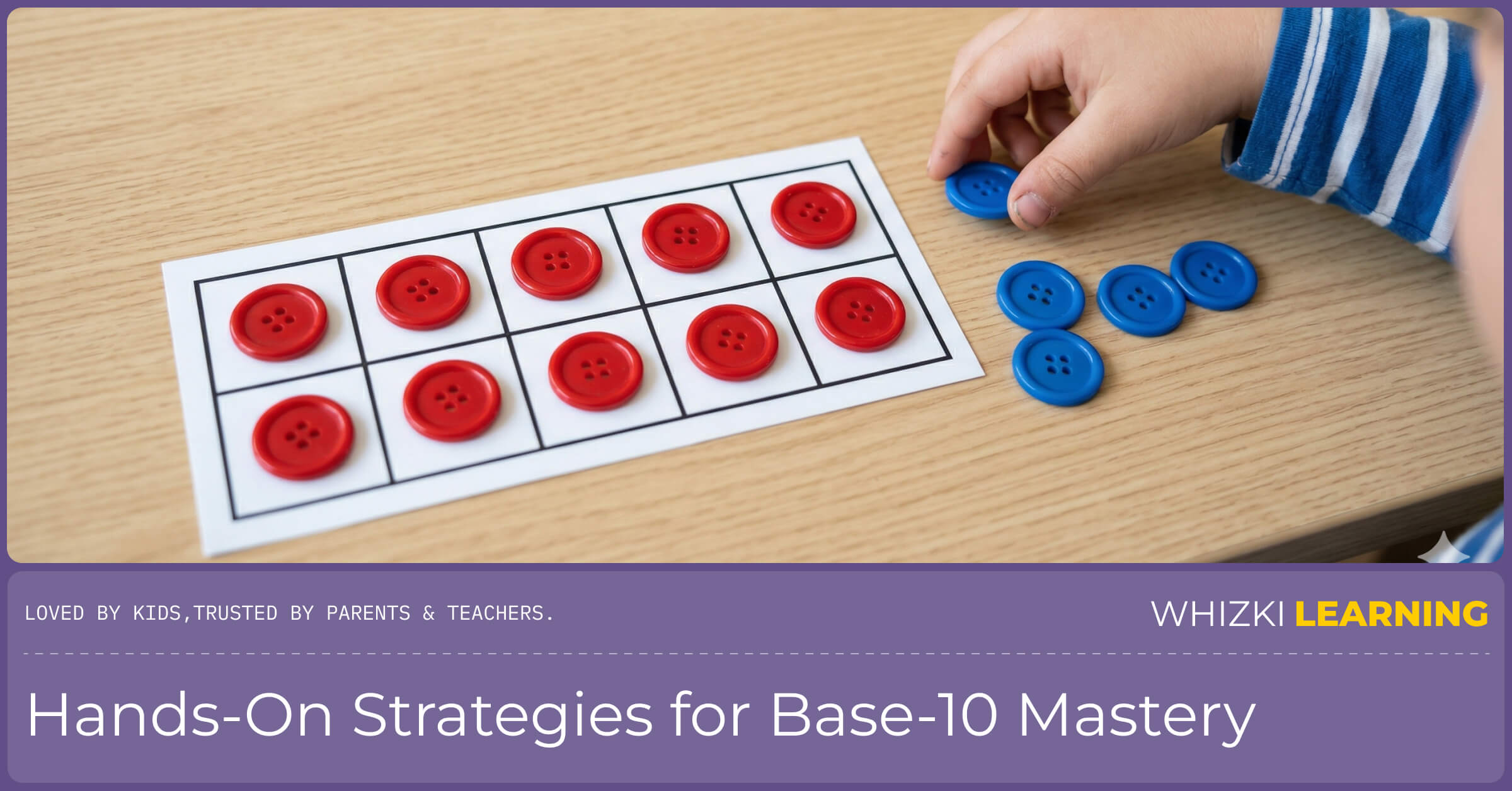
Getting teen numbers right takes three-dimensional counting, not flat screen tapping. Early childhood teachers often recommend using a physical ten-frame and a pile of small counting items, like dry beans, buttons, or small toys. The child fills the ten-frame to make the stable base of ten, then places the extra ones outside the frame to build numbers like thirteen and fifteen. This screen-free, tactile approach helps the child’s brain feel the quantity, not just see a symbol.
Passive swiping on a digital screen can skip the motor-learning moments that help counting “stick.” When a child physically moves fourteen individual beans, the child practices one-to-one correspondence in a real way. This kind of hands-on engagement helps children understand what the teen numbers mean, instead of only reciting a memorized number rhyme. And if you are trying to reduce screen time without turning the day into a battle, it helps to remember why “Boredom” is the Ultimate Screen-Free Teacher.
Building Number Confidence with Whizki Workbooks
Once a child can count with objects, the next step is writing, and that step needs practice that feels calm and focused. Whizki printed kindergarten workbooks use premium 120gsm paper, which gives the right amount of physical grip for children learning to write double-digit numbers. The thicker paper helps the pencil glide more smoothly, so the child can practice eleven through nineteen without getting hand-fatigued. With Whizki screen-free workbooks, parents provide structured, logical repetition that turns hesitant counting into steady number confidence.
If you are looking for a simple routine that supports that confidence, start with a short focus block. You can use How to Build a 15-Minute Focus Habit Before Kindergarten as your guide, then add the workbook pages during that calm, predictable time.
Patience With the Process
Moving from single digits to double digits is a big cognitive jump for a preschooler. And honestly, it can be hard for adults too, because you want progress right away. The good news is that when families address the teen-number language confusion and add tactile base-10 support, children can lose the shame that comes from “getting it wrong.” When kids get time and physical tools to understand the “why” behind the numbers, they build a foundation that lasts.
If the counting practice keeps turning into a battle, start smaller. Try a simple 15-minute focus habit before kindergarten, like the one in How to Build a 15-Minute Focus Habit Before Kindergarten, and use objects during that time so the learning stays hands-on. And if you want a natural way to practice numbers at home, the kitchen is a great place to do it, too, with 10 Number Games to Play in the Kitchen (Ages 3-6).
Concrete next step: Tonight or tomorrow, grab a ten-frame (or draw one on paper) and a small pile of items like beans or buttons. Pick one teen number, build “one group of ten” first, then add the extra ones. Say the number once, let the child touch and move everything, and then stop while the child still feels successful.