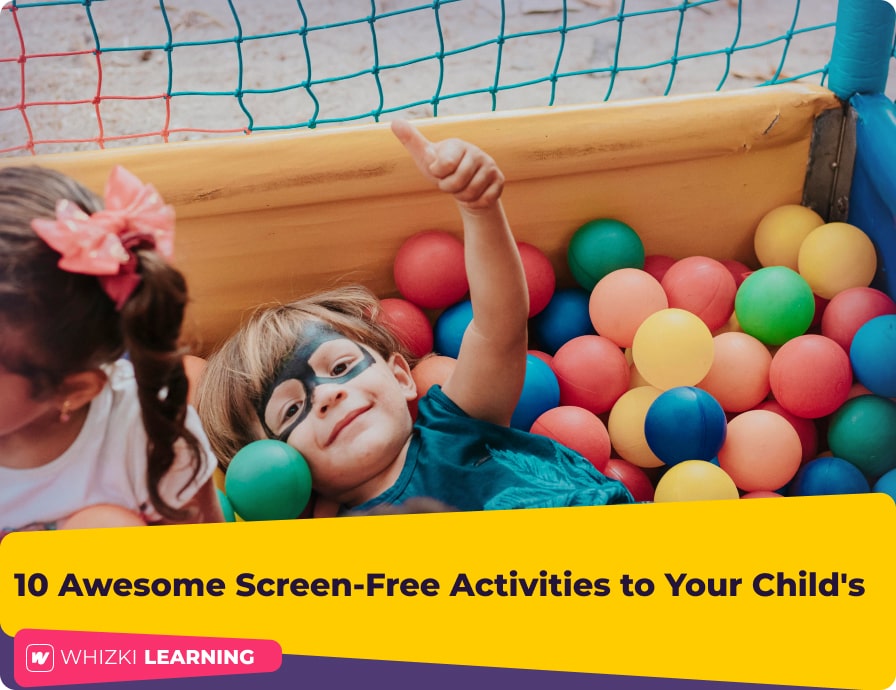
Let’s be real, parents. When screens are everywhere, it’s not surprising that the “one more minute” bargaining starts every day. And when you finally say “screens off,” the whining, bargaining, and sudden boredom can feel like a full-time job all by itself. The good news is that most of the time, this isn’t about your child being “bad,” it’s about their brain needing something else to do.
The fix usually isn’t just taking screens away, it’s swapping them for something better. Think fun educational workbooks, creative challenges, and engaging games that actually build skills while your child is having a good time. These screen-free activities for children can mean fewer battles and more calm, connected moments together.
1. Unleash Their Inner Artist with Creative Crafting
There’s nothing quite like the freedom of a blank page or a lump of play-doh. Setting up a simple art station is a fantastic way to encourage creative expression, and those fine motor skills worksheets you’ve been meaning to practice? They’re basically the “grown-up cousin” of this kind of hands-on play. Plus, it’s one of the best parent-child bonding activities you can do with minimal prep.
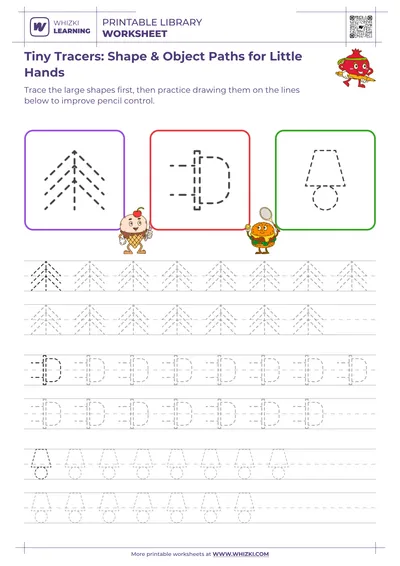
- Tracing and Writing Practice: For the little ones, this is foundational. Start with tracing lines for toddlers. As your child grows, a handwriting development workbook can help letters and numbers feel like a game instead of a chore.
- DIY Storybooks: Staple a few pages together and have your child draw the pictures for a story you make up together. This boosts creativity and early literacy activities. If you want a smooth way to build up to writing, try pairing this with 10 Calm-Down Activities Before Tracing and Writing (Ages 4-6) so the pencil time starts when the mood is ready.
- Sculpting Fun: Use clay or play-doh to create characters, animals, or silly monsters. This tactile play supports sensory development and gives busy hands a job.
2. Power Up Their Brains with Puzzles and Logic Games
Before there were brain-training apps, there were puzzles. And honestly, they still earn their spot as one of the best brain booster activities for kids. They help with patience, problem-solving, and that great feeling of figuring something out all on their own.
- Jigsaw Puzzles: Start simple and work your way up. They’re great for spatial awareness and short-term memory games for kids.
- Mazes and Logic Puzzles: Who doesn’t love a good maze? A puzzle and maze workbook is an easy, no-mess way to get kids thinking critically. They’re perfect for quiet time or long car rides.
- Spot the Difference: These classic games are fantastic for building focus and concentration games into your daily routine. Bonus, they work well when you need something that doesn’t require screens to “start.”
Your Go-To for Screen-Free Fun: The Whizki Learning Experience
Need a ready-to-go option for offline learning activities? That’s exactly why Whizki Learning exists. We’re big believers in paper. We create quality print workbooks, and yes, that means printed workbooks only, with no digital downloads to pull attention away from the learning.
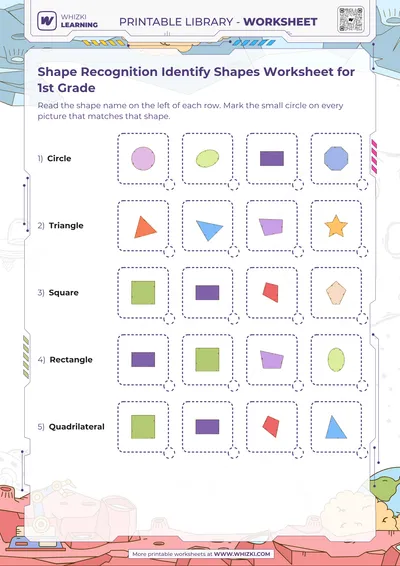
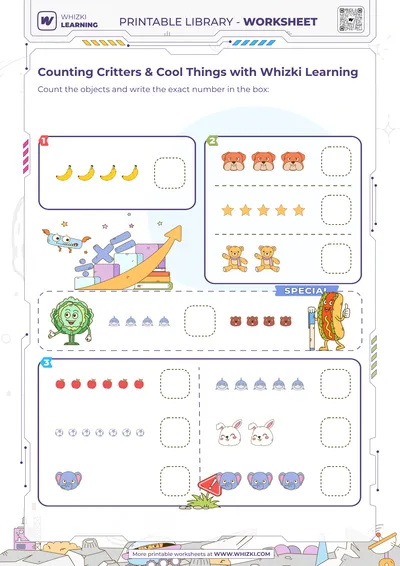
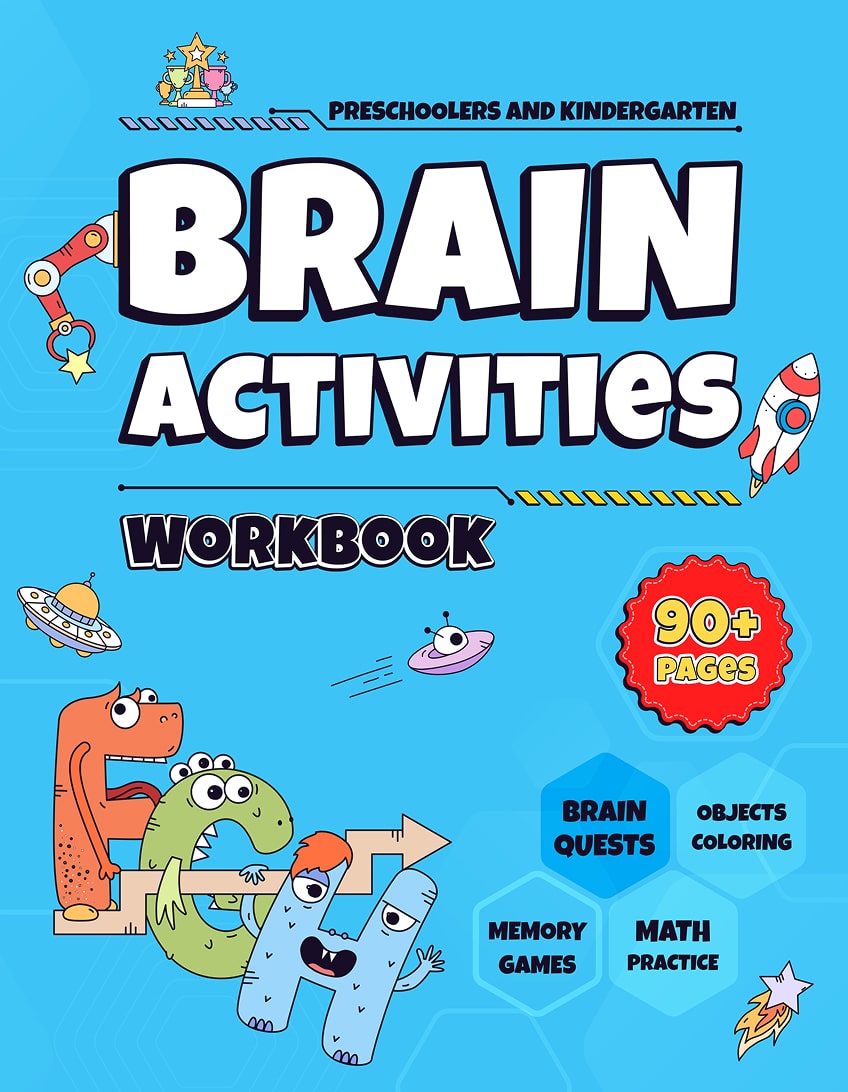
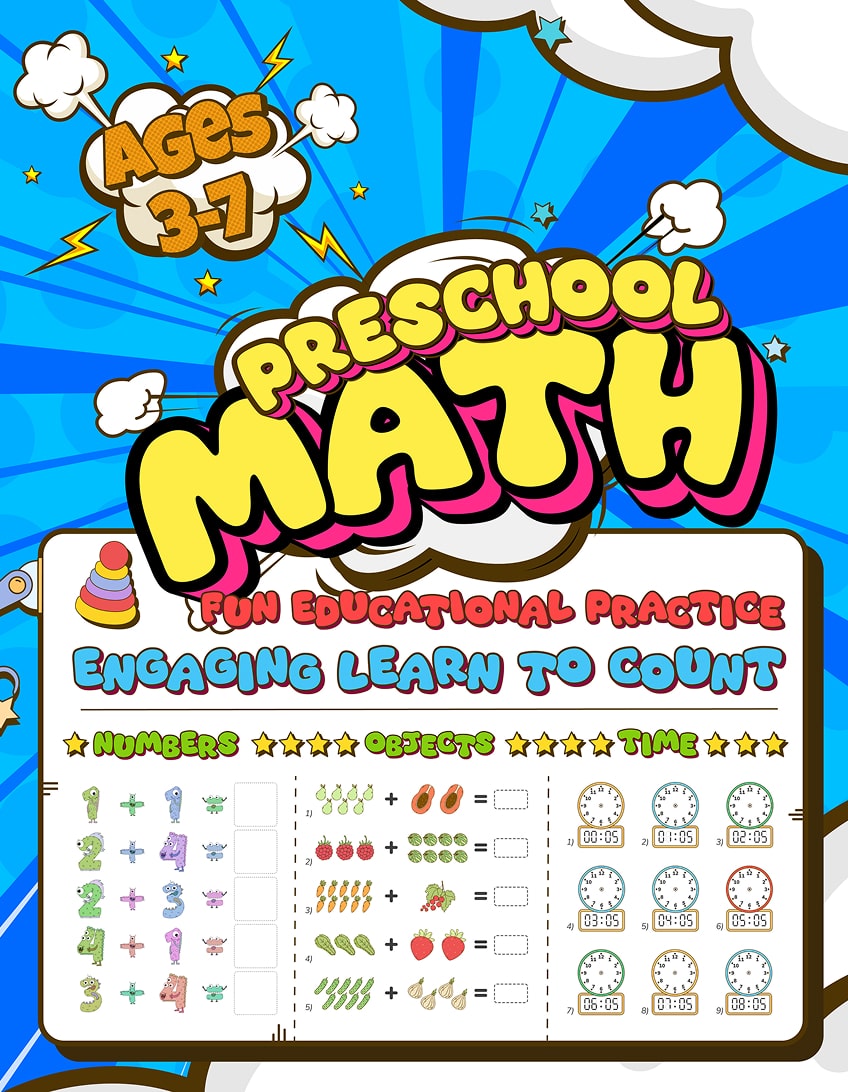
Our Big Fun & Engaging workbooks, from preschool workbooks to 1st grade workbooks, are packed with the same kinds of activities you’re reading about here. Developed by licensed teachers, each page features our playful hedgehog mascot, guiding your child through brain activities for preschoolers, early math practice, and more. It’s an easy way to support easy at-home learning without turning your living room into a constant negotiation.
3. Master Early Skills with Engaging Workbooks
Sometimes you need something structured that your child can do independently. That’s where a high-quality workbook helps, because it offers structured learning tools that feel more like play than work. It’s a great resource for homeschooling print resources or for adding a little extra practice alongside school.
- Kindergarten Readiness: A good kindergarten workbook covers letters and sounds, basic numbers, and more, so your child feels ready for their first day.
- First and Second Grade Skills: For older kids, our 1st grade workbooks and second grade workbooks include reading comprehension exercises and practice with basic addition and subtraction to keep skills moving forward.
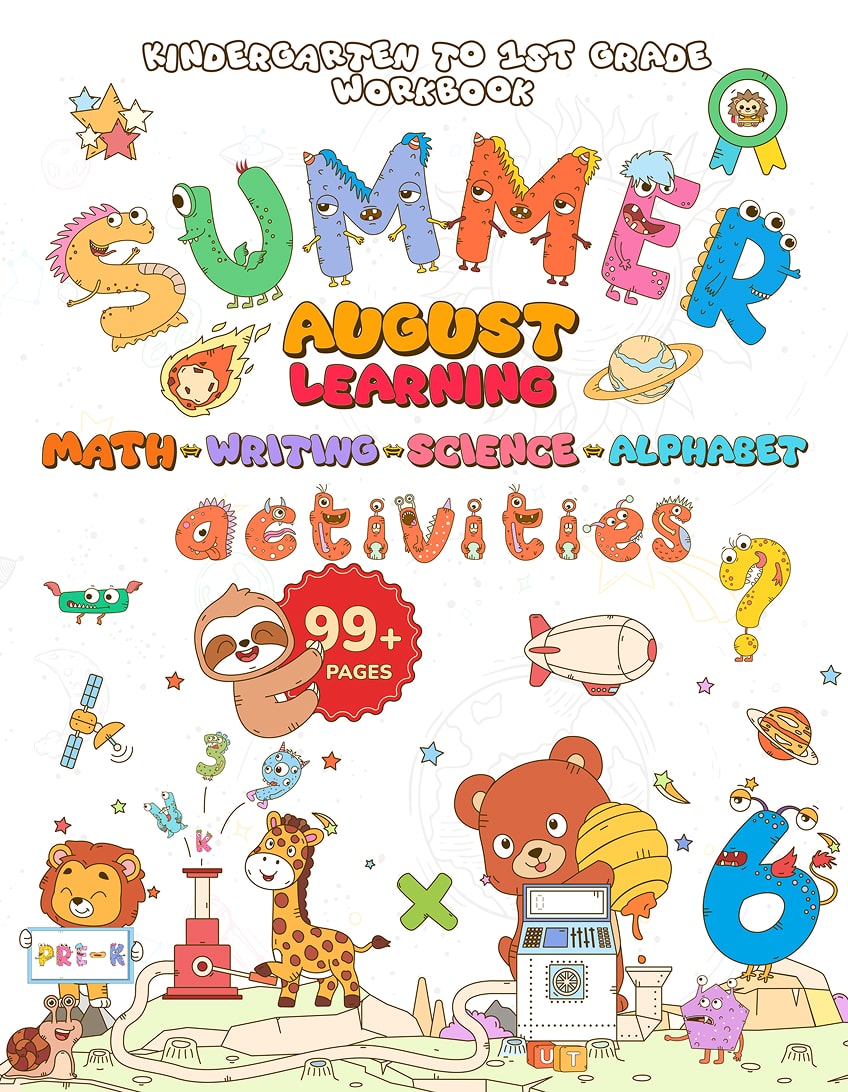
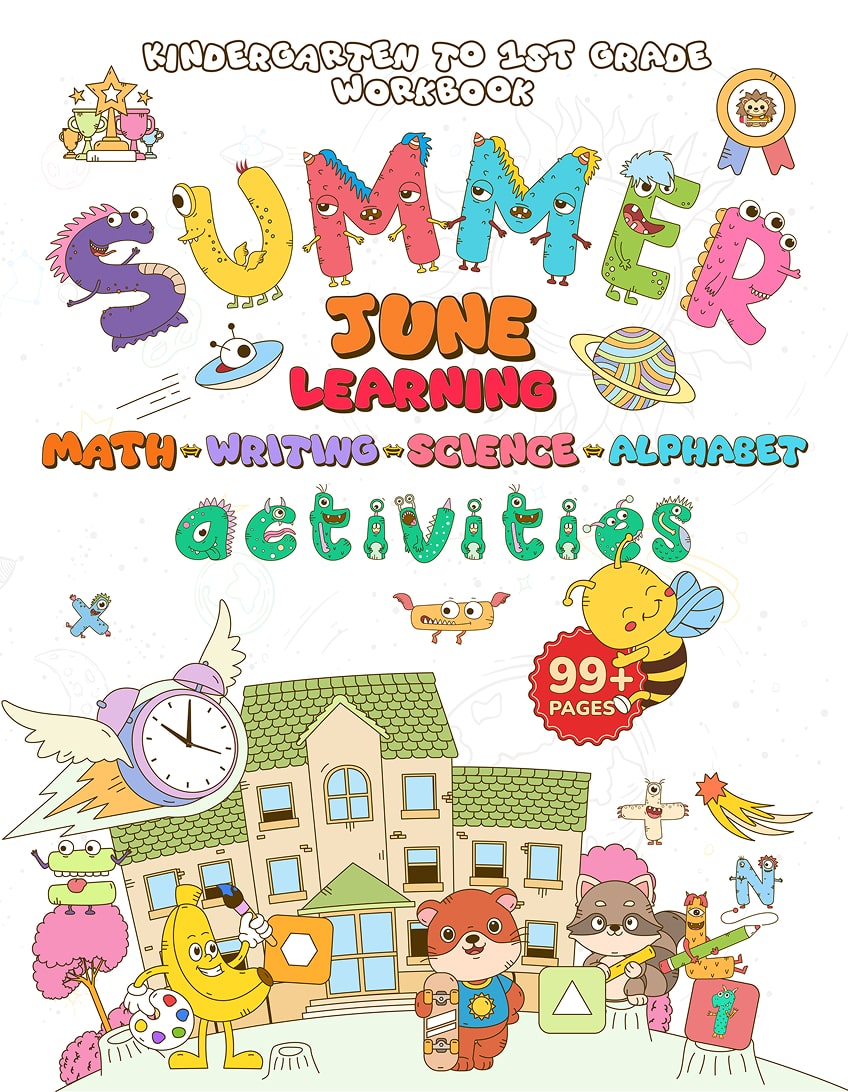
- Summer Learning: Beat the “summer slide” with our Whizki Summer Learning series. These summer learning workbooks are built as fun summer brain challenges so kids head back to school feeling confident and prepared. And if your child resists “practice,” you might find this helpful: Why "Boredom" is the Ultimate Screen-Free Teacher.
4. Get Moving with Indoor and Outdoor Adventures
Kids need to move. These activities help burn off energy while also supporting coordination and strategic thinking.
- Build a Fort: The ultimate classic. Use blankets, pillows, and chairs to create a cozy hideout. It’s a great exercise in teamwork and creative problem solving for kids.
- Scavenger Hunt: Make a list of things your child can find around the house or in the backyard. “Find something red,” “Find a smooth rock,” “Find three different leaves.” This builds observation skills and is a fun attention and memory booster.
- Animal Walks: Hop like a frog, waddle like a penguin, crawl like a bear. It’s a silly way to build gross motor skills and keep the mood light.
5. Become a Little Helper with Practical Life Skills
Kids genuinely love to help and feel proud when they’re part of the family routine. When you give them small, real jobs, you teach responsibility and real-world skills without extra lecturing.
- Kitchen Assistants: Let them help with simple cooking or baking tasks. Measuring ingredients is a fantastic, real-life way to practice early math practice.
- Sorting Laundry: Sorting socks by color or matching pairs is a great logic puzzle for children in disguise. It’s also a sneaky way to practice attention and follow-through.
- Gardening: Planting seeds and watering plants teaches kids about nature, patience, and the basics of STEM activities for kids.
Making Screen-Free the New Fun
Building a routine that includes regular screen-free activities for children doesn’t have to feel like a chore. It’s about creating chances for connection, creativity, and skill-building. Whether you’re doing creative learning exercises, exploring our engaging activity books for kids, or building a pillow fort, you’re giving your child something that lasts.
Ready to start? Here’s a simple next step you can do today: pick one screen-free activity from this list, set a timer for 10 to 20 minutes, and let your child choose the first step. Then, when the timer ends, offer a quick “next option” so the transition feels smoother. If you want more ideas, check out our full line of Whizki Learning workbooks. From our First Learn to Trace and Write book to our kindergarten skill builder series, you’ll find teacher resources for preschool and parent-approved tools that make learning feel like an adventure.