Let’s be honest, parenting and teaching early reading can feel like a constant tug-of-war. You want your preschooler to feel proud, but you also want progress fast, and it’s tempting to reach for flashcards and “just memorize it” routines. The problem is, that approach often turns into guesswork, and guesswork can quietly drain a child’s confidence. Phonics instruction takes a different path. It teaches children the specific sounds letters make, so they can decode completely new words on their own, even when the page looks unfamiliar. Cognitive reading specialists point out that phonics helps build a dependable decoding skill in the brain, while rote memorization treats English like a pile of unrelated pictures. In this guide, you’ll see the real differences between phonics and memorization, so you can choose an early literacy strategy that actually supports confident reading for your 3-7-year-old. When you understand how learning works, it becomes easier to build reading confidence that holds up when the books get longer and the words get harder.
The Mechanism of Rote Memorization
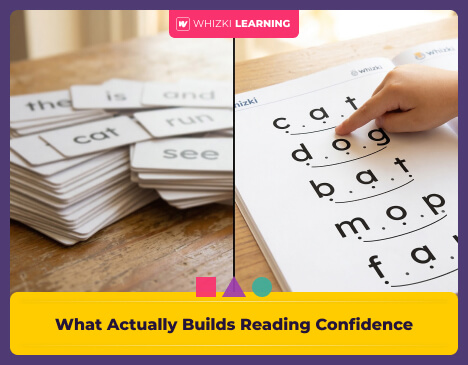
Rote memorization treats written words like whole visual pictures. That means the child’s brain tries to store the entire shape of the word “house” the way it stores the image of a real house. Educational psychology researchers often call this the “whole-word approach,” and it leans heavily on visual memory. A young child can memorize fifty high-frequency sight words using flashcards, and it can look like reading is moving quickly during the kindergarten year. But the human brain can’t realistically store 30,000 distinct vocabulary words as visual snapshots for fluent adult reading.
When a child who relies only on memorization meets an unknown word, the child has no reliable problem-solving tools. The memorizing reader often looks at the first letter, glances at the picture on the page, and makes a random guess. That guessing strategy can seriously damage reading confidence, because the child learns that success depends on luck and whatever was already stored, not on a skill that can be practiced and improved.
The Science of Phonics and Decoding
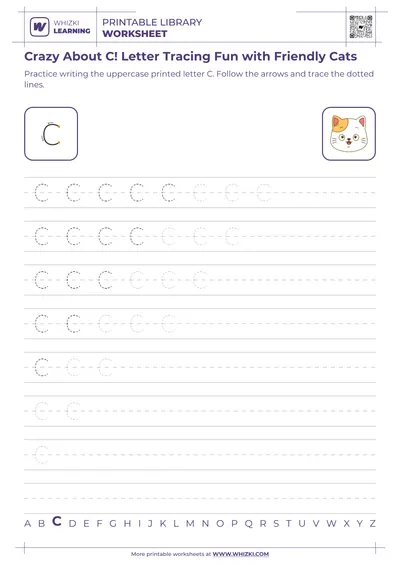
Phonics instruction works in a totally different way. It teaches children a limited set of phonetic rules and patterns that apply across the English language. Neuroscientists using fMRI brain scans have shown that effective phonics instruction changes how the brain’s left hemisphere processes language, strengthening the pathway between visual input and auditory processing. When a child learns that the letter “C” can make a hard /k/ sound, the child gains a tool that applies to thousands of words.
This phonetic decoding process builds real cognitive stamina, because the child learns to sound out words step by step, letter by letter. Early literacy data shows that children trained with systematic phonics tend to do better in reading comprehension than children who rely on memorization by the third grade. The phonics-trained child doesn’t freeze when a word is unfamiliar. The child simply uses the phonetic rules already learned to decode the new text with steadier confidence.
Cultivating a Reader's Growth Mindset
The choice between phonics and memorization affects a child’s emotional resilience when school gets challenging. Phonics instruction naturally builds problem-solving, because the child has to try, make mistakes, and self-correct while decoding. That struggle is essential for nurturing a growth mindset, since the child learns that reading is a skill built through practice, not something you either “have” or “don’t have.” With phonics, the child also learns that mistakes are part of understanding, not proof of failure.
Rote memorization can push a more fixed mindset, because the child either knows the flashcard immediately or feels like they failed. Parents can make a big difference by praising the specific effort a child puts into sounding out a difficult word, even if the pronunciation is a little off at first. That kind of specific feedback helps reinforce the child’s willingness to take on harder texts without getting hit by crippling academic anxiety.
Building Focus with Whizki Printed Workbooks
Learning phonics rules takes sustained attention and hands-on practice. Whizki printed workbooks include logic-based pre-reading puzzles on premium 120gsm paper, giving early learners the tactile feedback they need. This higher-friction paper encourages the child to slow down and actively process the visual information, which helps reduce the “swipe and move on” habits that can happen with slippery digital tablet screens. Whizki screen-free workbooks create the physical setup a child needs to concentrate on phonetic symbols and start building lasting reading confidence.
The Gift of Independent Reading
Real reading confidence doesn’t come from memorizing a stack of flashcards. Confidence grows when a child has the phonetic tools to decode words they meet in everyday life. When parents choose systematic phonics over rote visual memorization, the child gains independence and a calmer relationship with unfamiliar words. Instead of feeling scared by new text, the child can treat unknown words like puzzles to solve.
If you want a simple next step that helps all of this land, start a short focus routine. For example, use this guide to build a 15-minute focus habit before kindergarten, then pair that focus time with phonics practice using the same letter-sound routine each day. Consistency plus a little time on task is often what turns “I can’t” into “I can figure it out.”