
Short E word family lists for -et, -en, -ed, and -eg with simple sentences, teaching notes, and a quick vowel-swap game for short E and short A practice.
Sunny HedgeLearning can be hands-on and calm, even on busy days. This is a parent-facing library of printable worksheets, guides, and early learning resources you can use at the table, away from the screen.
Browse honest articles written for parents and teachers who want screen-free learning days to feel easier and more useful.

Short E word family lists for -et, -en, -ed, and -eg with simple sentences, teaching notes, and a quick vowel-swap game for short E and short A practice.
Sunny Hedge
Uppercase letters are easier to write, but lowercase letters fill most books. Here is a calm, practical order for teaching ages 3 to 7.
Sunny Hedge
Use these short A word family lists for quick CVC practice, simple example sentences, and one hands-on word-ladder game for ages 3 to 7.
Sunny Hedge
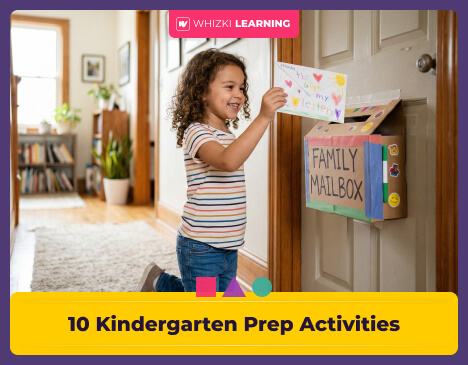
Use this calm kindergarten readiness checklist to observe social, self-care, language, motor, and early academic skills at home without turning readiness into a test.
Sunny HedgeAlphabet Adventures gives each letter its own place to land. For A to Z, you will find simple word lists, letter sounds, tracing practice, and printable activities that help children notice, say, and write letters without turning practice into a fight.
Browse Alphabet Adventures🐾Number World keeps early math concrete: counting, number recognition, simple shapes, comparing, and first operations. The pages use clear pictures and hands-on practice so numbers feel connected to real things a child can see and count.
Explore Number World👣Choose a printed workbook when you want a longer path of screen-free practice, already organized and ready to use.
Education standards and milestones can sound bigger than everyday family life. Our guides translate the language into practical next steps, so you can see what a skill means and how to support it with simple at-home practice.
Read the Guides➜The printable library brings worksheets together by age, subject, and skill. Whether you need tracing, counting, phonics, logic, or a quick seasonal page, you can find a useful printable and get back to the table faster.
Browse the Library✔What is the Whizki Learning Hub?
The Learning Hub is our free library of printable worksheets, parent guides, alphabet practice, and early math resources. It is built for adults: you find the page, print what fits today, and help your child practice off-screen with a pencil, crayons, and a little time together.
You're a 'screen-free' brand. Why is this Hub online?
The Hub is a tool for parents and teachers, not a game for kids. The goal is simple: spend a few minutes finding the right printable, close the screen, and use the page for real-world practice at the table.
What's the difference between these free resources and the paid workbooks?
The free Hub resources are good for one focused moment: a tracing page, a counting worksheet, a letter activity, or a parent guide. The printed workbooks are longer, structured practice with many pages in one place, so a child can build a skill over days or weeks.
How do I use the printable worksheets?
It's simple! 1. Choose any activity you like. 2. Click the 'Download' button to get the free PDF file. 3. Print it on any standard home printer. For the best experience, we encourage you to sit down with your child and turn the activity into a shared moment of discovery.
Do I need any special paper or a fancy printer?
No. A regular home or office printer and standard letter-sized paper are enough. Add a pencil, crayons, or scissors when the activity calls for them.
How often are new resources added?
We add new worksheets, guides, and printable activities as the library grows. The newsletter at the bottom of this page is the easiest way to hear about new additions.
What skills do these free activities help develop?
The activities support practical early skills: pencil control, tracing, coloring, focus, problem-solving, early reading, counting, and number sense. They are meant to feel calm and doable, not like extra homework.
How can I get the most out of a single worksheet?
Use the printable as a small shared activity. A coloring page can lead to naming colors. A tracing sheet can lead to saying the letter sound. Ask one or two simple questions, then let your child finish without turning it into a lesson marathon.
Can I use these resources in my classroom or for homeschooling?
Absolutely! We love seeing our materials used by educators. Our resources are a great supplement for any early learning curriculum. We encourage you to check out our 'Parent Guides' section to see how our activities align with common educational standards, which can be very helpful for lesson planning.
How often should my child use these activities?
Short and steady usually works best. Ten or fifteen calm minutes a few times a week is enough for many families. The goal is not to finish a stack of worksheets, but to make practice feel familiar and manageable.
Get exclusive activities, expert tips, and inspiration for a more meaningful, offline family life.