The new backpack is hanging by the door, filled with pristine crayons and a lunchbox with their name on it. The first-day outfit is laid out. There’s a buzz of excitement in the air, but underneath it, there’s often another feeling, a quiet, fluttery nervousness. We call them the 'first day jitters,' and they show up for everyone, from the most confident child to the most experienced parent.
As parents, caregivers, and teachers, we really do want to protect kids from worry. And honestly, it can be frustrating when you can see the jitters coming and you still can’t talk them away. So instead of aiming to erase every nervous feeling, let’s aim to help your child move through it with you. When you do that, this moment of anxiety can become one of your best chances for connection.
The most valuable thing we can give our children is the confidence to handle whatever comes next.- A wise parent
This guide is a two-part strategy. First, we’ll explore practical, playful ways to prepare your child for this big step. Then, just as importantly, we’ll talk about how to prepare yourself. Because your calm is contagious, and your confidence becomes their anchor.
Part 1: Preparing Your Child - Turning Fear into Excitement
A child's anxiety almost always comes from the fear of the unknown. Our job is to make the unknown feel familiar, predictable, and friendly.
Validate, Validate, Validate: Your Script for Big Feelings
When a child says, 'I don't want to go!' or 'What if I miss you?', the worst thing we can say is 'Don't worry, you'll be fine!' That kind of response can make a child feel like their feelings are wrong or ignored. Instead, try validating and exploring.
- Your child says: 'I'm scared!'
You say: 'It makes sense to feel scared about something new. Your body is telling you this is a big deal. What part feels the most scary?'
This approach teaches them that their feelings are real and worth listening to, and that they have tools to handle the moment. That’s a core tenet of a growth mindset.
Make the Unknown Familiar: A 'No Surprises' Checklist
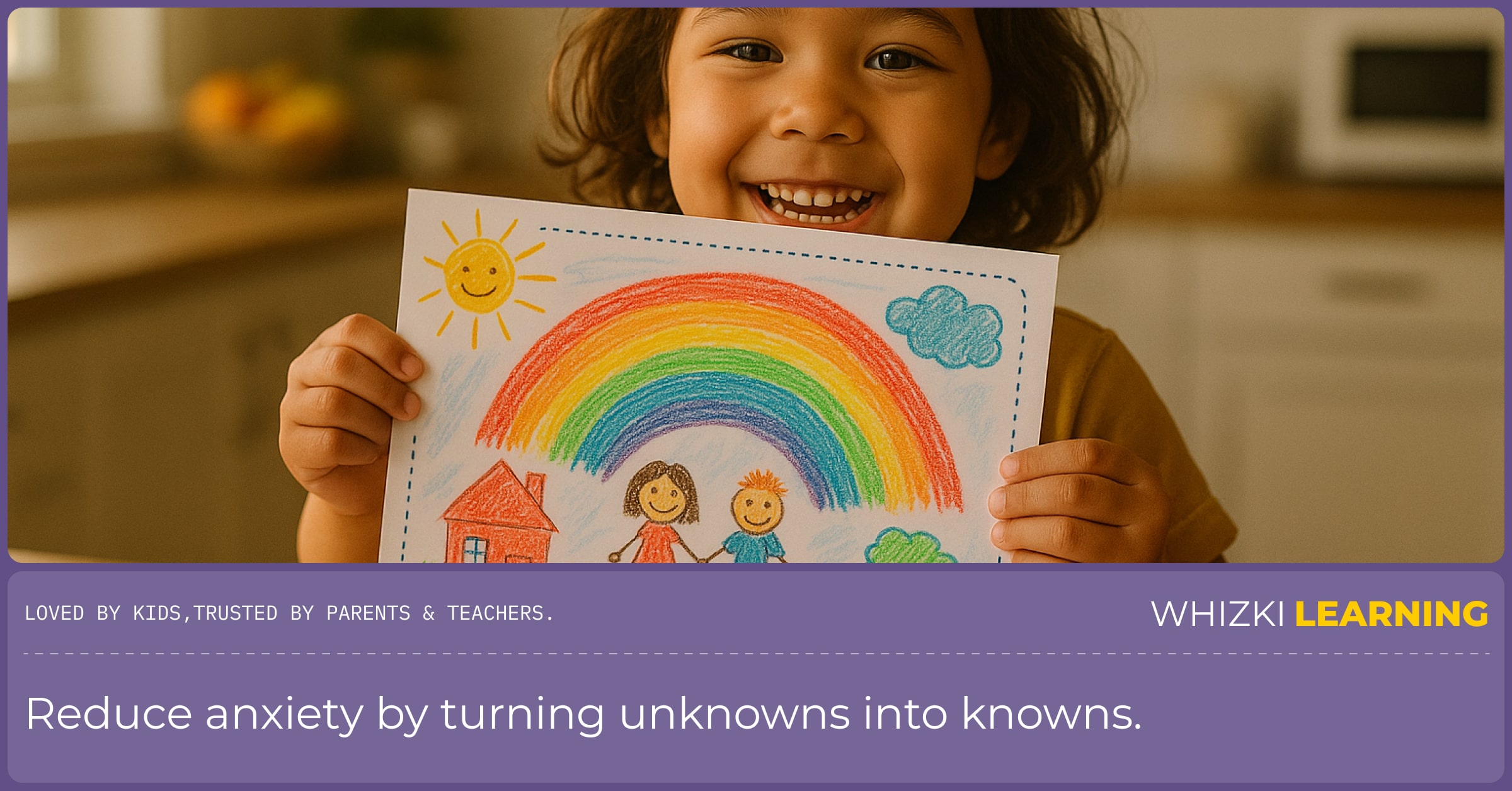
Reduce anxiety by turning unknowns into knowns. Make a game out of practicing for the big day.
- Visit the School Playground: Spend a few afternoons at the school playground in the weeks before school starts. Let them get comfortable in the space so it feels familiar on the first day.
- Read Books About School: There are dozens of wonderful books about the first day of kindergarten. Reading them together gives your child a story and a script for what to expect.
- Practice the Morning Routine: A week before, start your school day morning routine. Wake up at the same time, have breakfast, get dressed. A smooth, predictable routine is incredibly calming on a high-anxiety day.
Build Academic Confidence: The Power of 'Playing School'
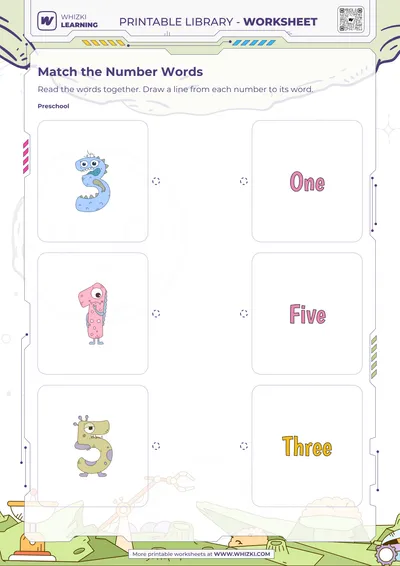
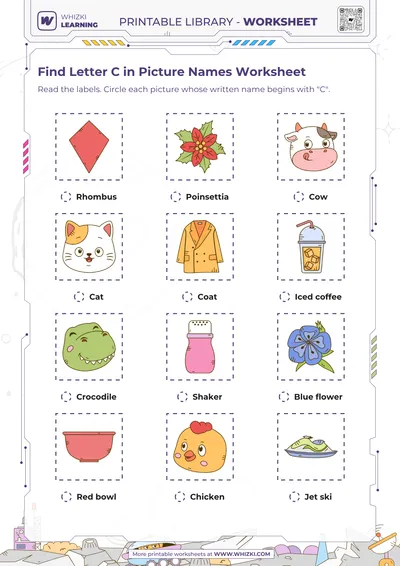
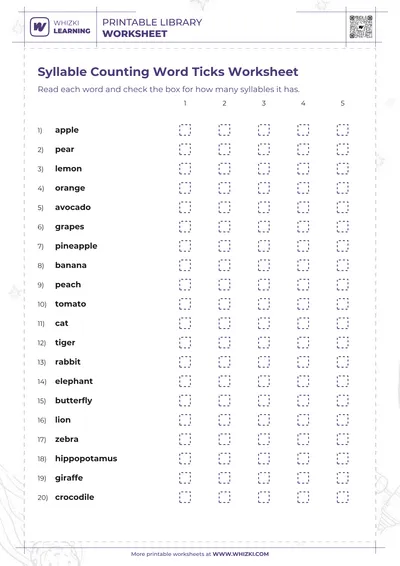
Sometimes, a child's social anxiety is rooted in academic insecurity. Feeling capable is a huge confidence booster. And when kids get a few wins ahead of time, that classroom door feels less intimidating. This is where a great workbook can be a powerful tool.
- 'Play School' at Home: Dedicate 15 minutes a day to 'playing school.' Let them be the teacher sometimes! The goal is to make 'school activities' feel fun and low-pressure.
- Fill in the Gaps: Our Ultimate School Readiness Guide can help you identify areas where they might feel shaky.
- The Confidence Tool: A book like our Big Fun and Engaging Kindergarten Workbook is perfect for this. When a child masters a new skill on the page, they get a tangible dose of 'I can do this!' that they will carry with them into the classroom.
Part 2: Preparing Yourself - The Parent's Jitters
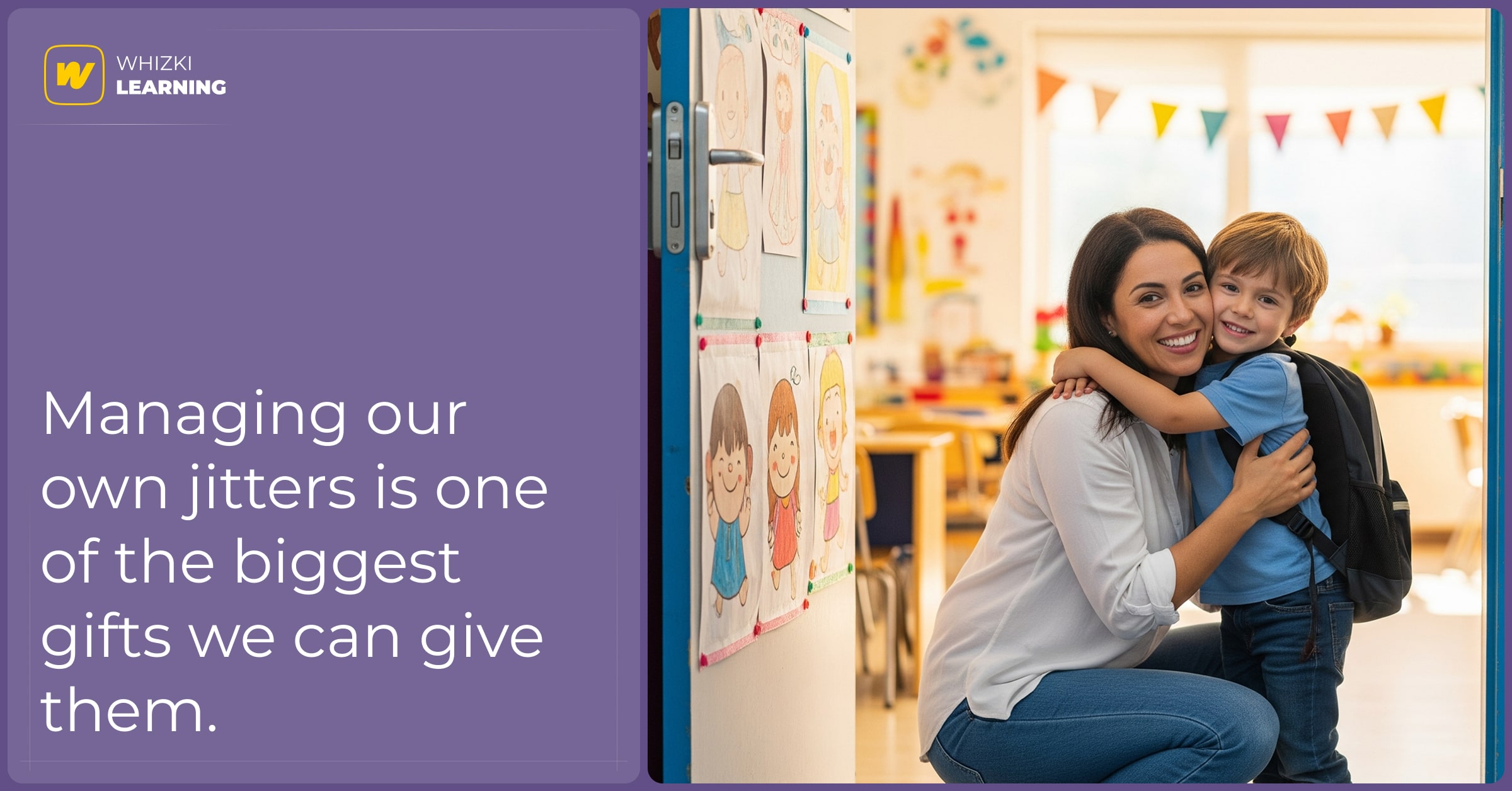
Let’s be honest, this day is huge for us, too. There’s sadness, pride, worry, excitement, all mixed together. And your child can feel that energy. Managing your own jitters is one of the biggest gifts you can give them.
Your Script for a Calm, Confident Goodbye
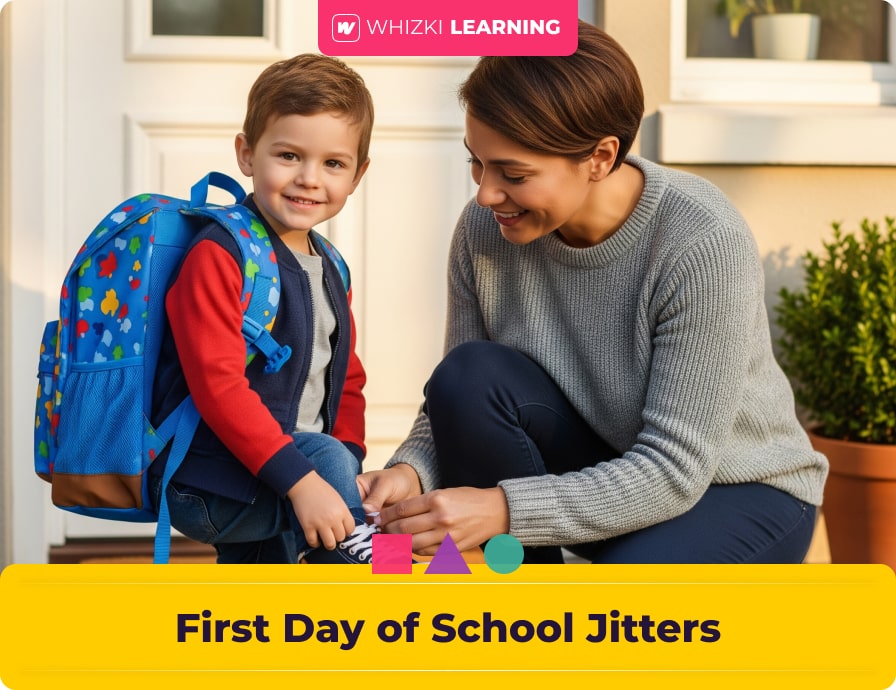
The goodbye at the classroom door sets the tone for the entire day. The goal is to be warm, loving, confident, and brief, even if your stomach is doing flips.
- Get Down on Their Level: Make eye contact.
- Give a Real Hug: A proper, warm squeeze.
- Say Your Line (and stick to it!): Use a consistent, predictable phrase. 'I love you! Have a wonderful day! I can't wait to hear all about it this afternoon.'
- A Confident Smile: Even if you feel like crying, show them a calm, happy face. Kids take their cues from you.
- The Final Step: Turn and Leave. This is the hardest part. Do not linger. Lingering sends the message that this is a sad, scary event that you are not sure about. A quick, confident exit tells them, 'You've got this, and I know you're safe.'
The Confidence Kit for a Great Start
At Whizki, we believe that confidence is the most important school supply. Our entire line of kindergarten prep activities is designed to build that feeling of capability in a playful, engaging way. By providing a safe space for your child to practice skills and experience success at home, you are giving them the inner strength they need to walk through that classroom door feeling ready for anything. That's the Whizki promise.
If you’re also working on attention and readiness, pair this with a simple plan for focus, like how to build a 15-minute focus habit before kindergarten. And if screen time is creeping in during the weeks leading up to school, you may find it helpful to revisit why "Boredom" is the Ultimate Screen-Free Teacher, because kids often build confidence through play they can actually direct.