PreschoolKindergartenFirst Grade

From A to "Aha!": A Parent's Guide to Making Letter Learning Joyful and Meaningful

Jun 3, 2026
From A to "Aha!": A Parent's Guide to Making Letter Learning Joyful and Meaningful

Teaching letters can feel like a lot. One minute you’re excited, the next minute you’re searching for the flashcard that “should have worked,” and you’re wondering why your child is bored, distracted, or just not interested. And if kindergarten is coming up soon, that pressure can make the whole process feel heavier than it needs to.

Here’s a kinder, more realistic idea: learning the alphabet shouldn’t be a race. It should be an adventure. Kids learn letters deeply and joyfully when letters show up in their real world, not when they’re pushed through drills that feel like homework.

The secret to brilliant learning is to make it a brilliant adventure.- A wise teacher

This guide gives you a simple, practical framework to make that happen. The classic “Letter of the Week” idea becomes a “Weekly Letter Expedition.” It’s a 5-day, low-prep plan that starts with our free Learning Hub and uses hands-on workbooks as the “field guide,” so each letter turns into a week-long celebration of discovery.
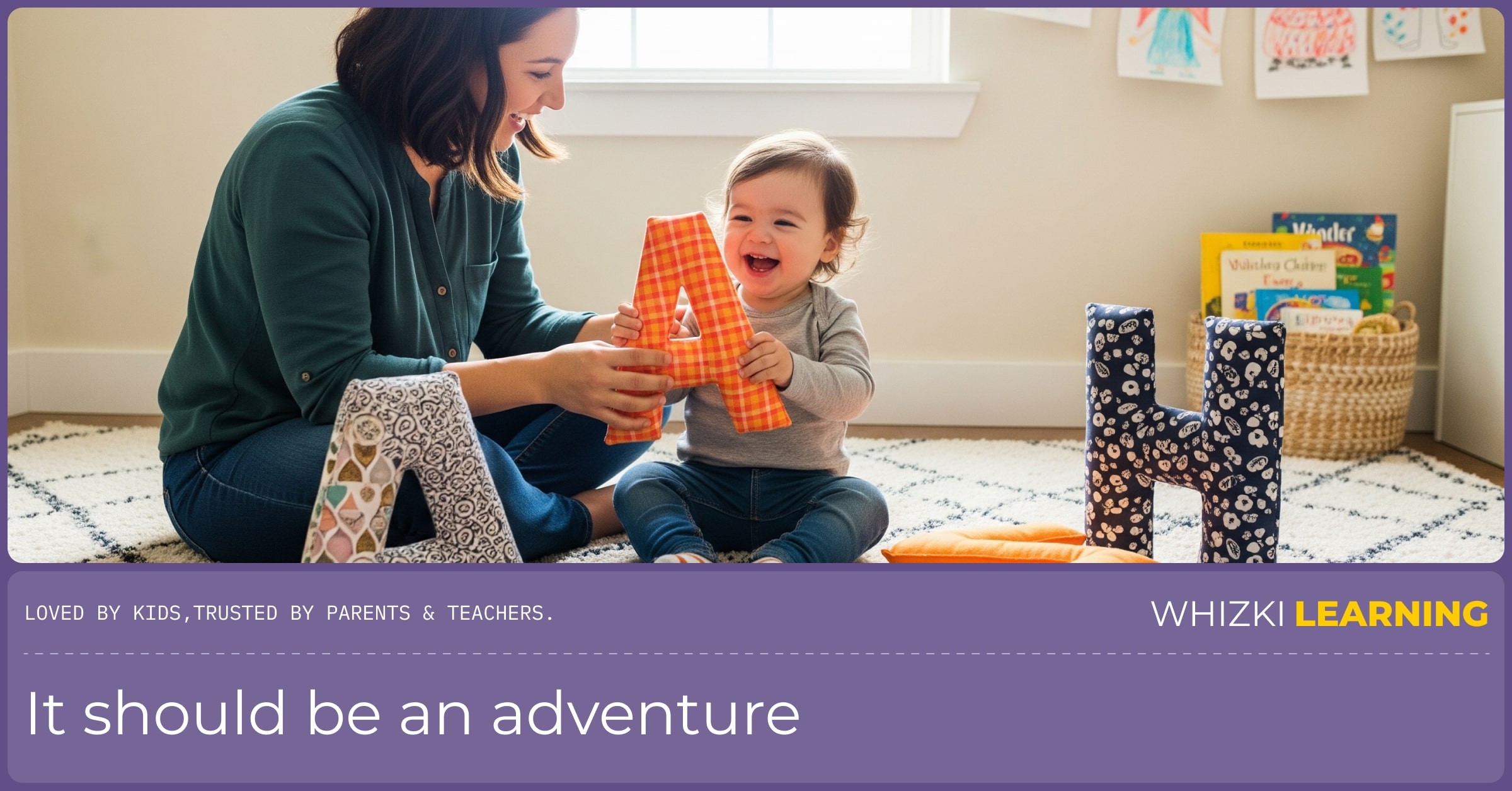
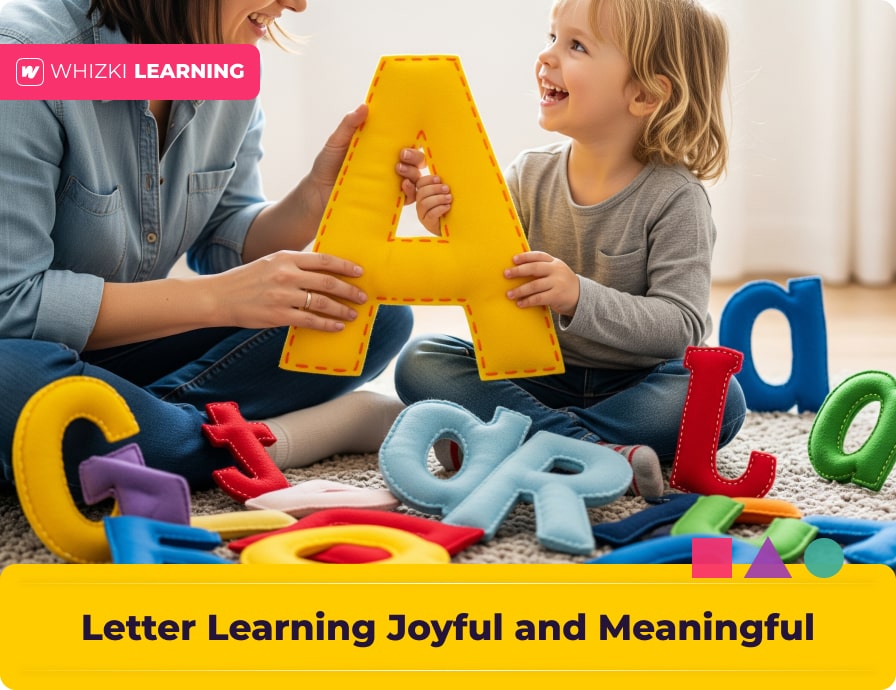
A mother and her young son are sitting on a cozy rug, laughing as they play with large, colorful letters of the alphabet.

The “How-To”: Your 5-Day Letter Expedition Plan

Pick a letter for the week. It does not have to be “A.” A great place to start is with the letters in your child’s own name. For this example, let’s pretend the letter is “S.”

A 5-day, step-by-step guide for parents to make learning the alphabet a fun, multi-sensory, and meaningful experience for preschoolers.

Day 1 (Monday): The Grand Unveiling

Your goal today is to introduce the letter with a sense of ceremony and excitement. Create a “mystery box” and inside, place a few objects that start with the letter “S” (a toy snake, a star, a sock, a spoon). Let your child open the box and discover the “secret letter” for the week. Then, visit the Letter S page on our Learning Hub together. Watch the animation, listen to the sound, and officially declare the “Expedition for S” open!

Day 2 (Tuesday): The Treasure Hunt

Now that the letter is revealed, it’s time to find it in the wild. Your mission is to be “Letter Detectives.” Look for the letter “S” everywhere: on the cereal box at breakfast, on street signs during a walk, on the cover of a book. Every time someone spots one, they can shout, “Letter S spotted!” This helps connect the abstract shape of the letter to a real-world purpose. It’s also a strong pre-reading skill we cover in our School Readiness Guide.

Day 3 (Wednesday): The Sensory Experience

Today is all about feeling the letter’s shape. This builds the motor memory needed for writing far more effectively than just looking at it. For a full guide to the science behind handwriting, check out our ultimate guide to handwriting.

Try This:

  • Fill a shallow tray with salt, sand, or shaving cream and show your child how to trace a big “S” with their finger.
  • Roll out Play-Doh “snakes” and form the letter “S.”
  • Use a wet paintbrush to “paint” giant S-shapes on the sidewalk.
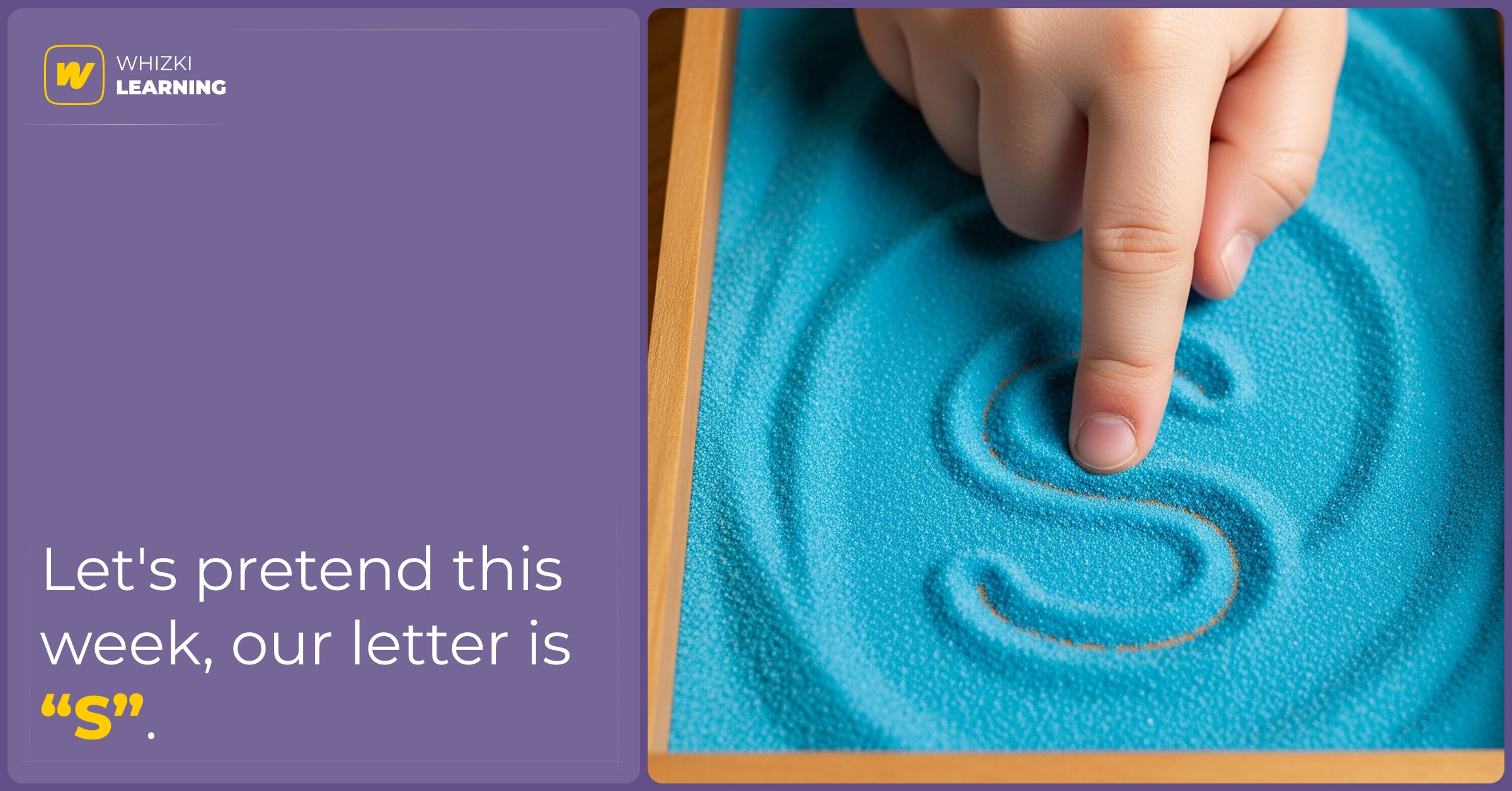
A top-down, close-up shot of a child's finger drawing the letter 'S' in a shallow tray filled with bright blue sand.

Day 4 (Thursday): The “Field Guide” Entry

Today, you connect all those discoveries to the focused work of writing. This is where your Whizki workbook becomes the official “Expedition Field Guide.”

How to do it: First, revisit the Letter S page on the Learning Hub to refresh your child’s memory. Then, open your First Learn to Trace and Write workbook to the letter “S” page. Say, “Okay, explorer, it’s time to log our findings. Let’s trace the secret code of the letter S.” Because the letter has already shown up through seeing, hearing, and feeling all week, the writing task has meaning and context.
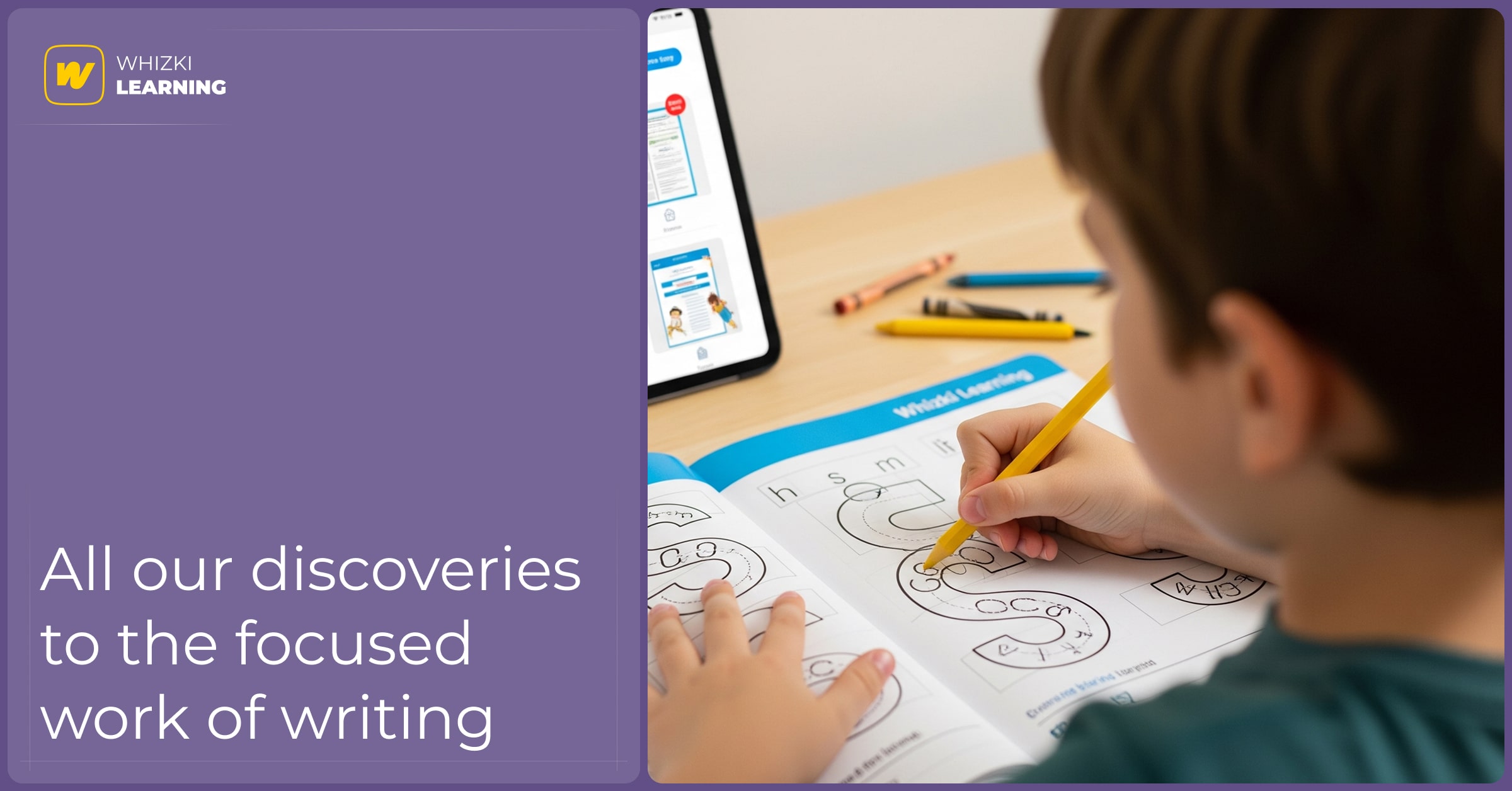
A child's desk setup. On a tablet, the Whizki Learning Hub page for the letter 'S' is open. Next to it, the child is using a crayon to trace the letter 'S' in a printed workbook.

Day 5 (Friday): The Celebration Feast

End the week by making the letter delicious. This creates a joyful, celebratory conclusion to the expedition.

Try This:

  • Make Strawberry smoothies.

Your Complete Alphabet Toolkit

This “Letter Expedition” framework shows how the Whizki resources work together in a way that feels doable for real families. The free Learning Hub is your starting point for introducing concepts in a fun, digital-lite way. Our blog articles

If you

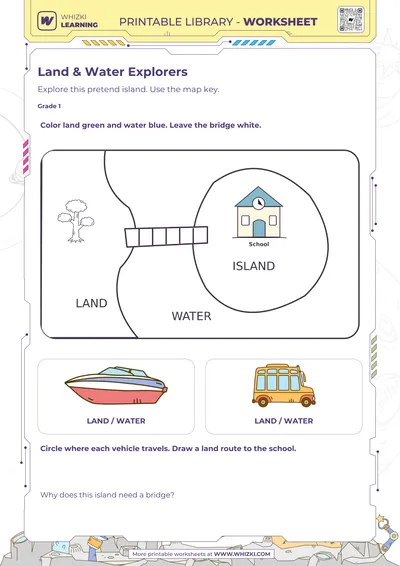
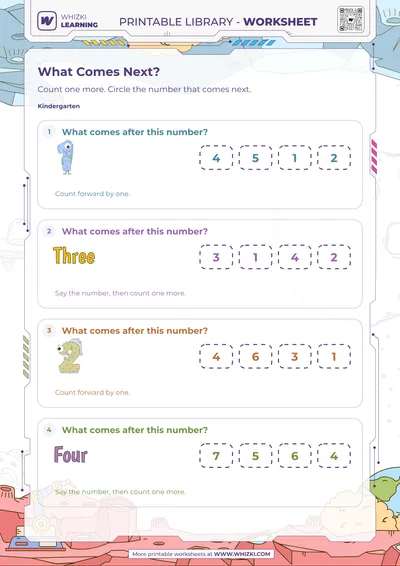
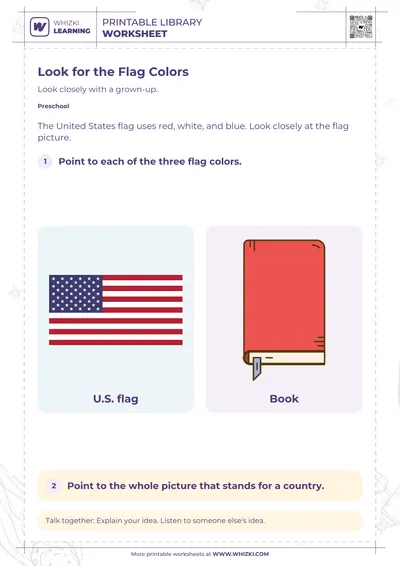
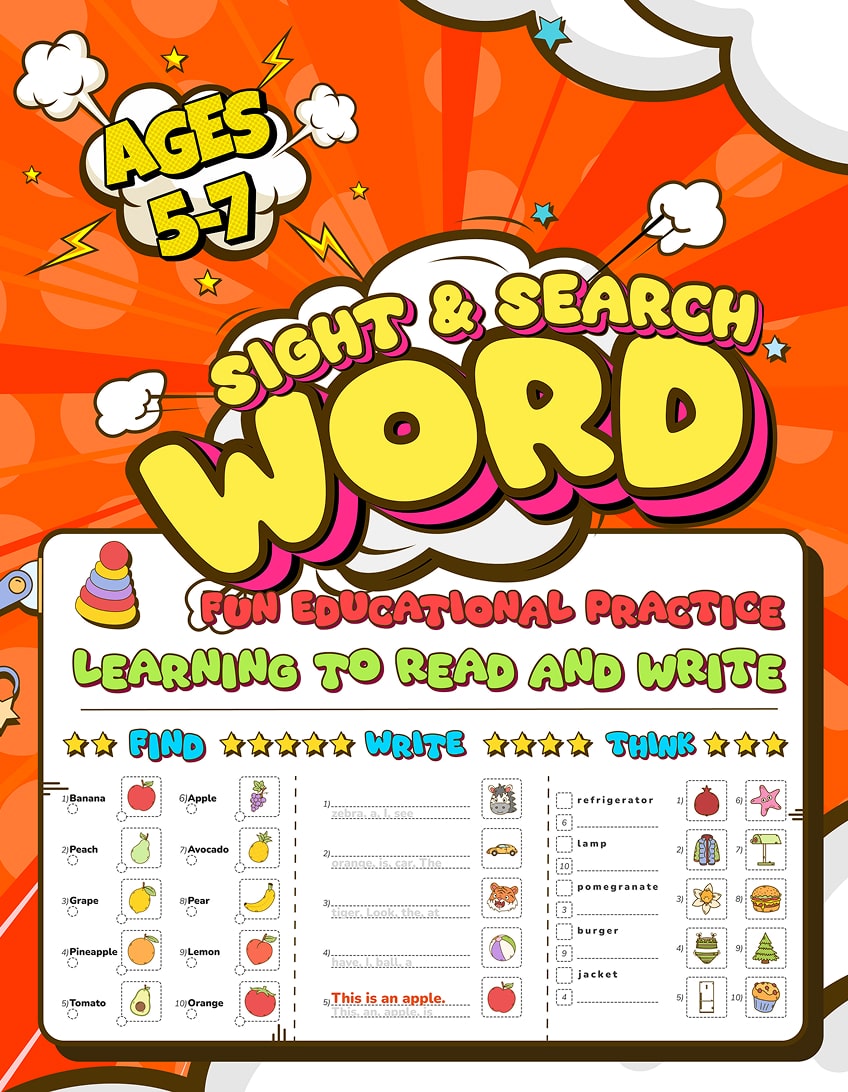
Whizki Word Scramble Fun: Little Spelling Detectives! Worksheet Cover BackgroundWhizki Word Scramble Fun: Little Spelling Detectives!A printer-friendly sight words and vocabulary worksheet for Preschool learners around 5 years old. Use it for quick home practice, homeschool review, classroom centers, or a calm screen-free warm-up when your child needs focused word recognition.
Number Safari Count & Color Fun with Whizki Learning Worksheet Cover BackgroundNumber Safari Count & Color Fun with Whizki LearningA printer-friendly counting and number sense worksheet for Kindergarten learners around 6 years old. Use it for quick home practice, homeschool review, classroom centers, or a calm screen-free warm-up when your child needs focused one-to-one correspondence.
Word Hunt Match-Up: Picture Perfect Reading Fun! Worksheet Cover BackgroundWord Hunt Match-Up: Picture Perfect Reading Fun!A printer-friendly sight words and vocabulary worksheet for 1st grade learners around 6 years old. Use it for quick home practice, homeschool review, classroom centers, or a calm screen-free warm-up when your child needs focused word recognition.

Use the idea when it helps

Keep the useful part of this guide with your week.

Add one practical next step to the Whizki planner, then record what your family, homeschool, or classroom actually did.
Plan
Activities, books, classes, trips, or your own ideas.
Record
What was completed, skipped, moved, or changed.
Review
Time, subjects, reading, and recent progress.
See the Family PlannerFree for one learner. Children do not sign in.

Frequently asked questions

Should I teach the letters in alphabetical order?

Not necessarily! Many educators recommend starting with the letters in your child's name, as those are the most meaningful to them. Another popular method is to group letters by the shapes used to form them (e.g., 'c', 'o', 'a', 'd', 'g' all start with the same curve). The most important thing is to make it fun, not to follow a rigid order.

Should I focus on uppercase or lowercase letters first?

This is a great question. While children often learn uppercase letters first because they are made of simpler straight lines and curves, about 95% of the text they will encounter is lowercase. We recommend introducing them together but spending a little more playful energy on the lowercase letters, as they are more crucial for early reading.

My child gets the letter sounds mixed up. What should I do?

This is completely normal! The key is gentle, playful correction. Instead of saying 'That's wrong,' try saying, 'That's a great guess! That's the sound for the letter B. The letter S makes the s-s-s-s-s sound, like a little snake.' Keep it light and multi-sensory. Making the sound while tracing the letter in a sand tray can be very helpful.

What if we miss a day or don't finish all the activities in a week?

This framework is a flexible guide, not a strict lesson plan. If you only have time for a 'Treasure Hunt' and a 'Field Guide' entry one week, that's a huge win! The goal is consistent, joyful exposure over time, not perfection in any given week. Follow your child's energy and your family's schedule.

Limited-time savings
on Whizki workbooks.

Boost your child’s skills with our discounted workbooks. Engaging activities for preschool, kindergarten, and grade 1 - now at special sale prices!

July Summer Learning Workbook for Kindergarten to 1st Grad... Workbook Cover BackgroundJuly Summer Learning Workbook for Kindergarten to 1st Grade: Alphabet Tracing, Math, Numbers, Preschool ActivitiesA July workbook for the middle of summer. Alphabet tracing, early math, number practice, and pencil work for kids moving from kindergarten i...

-27% $10.99

List Price: $14.99
Buy Now
Summer Brain Activities Workbook for Preschool and Kinderg... Workbook Cover BackgroundSummer Brain Activities Workbook for Preschool and Kindergarten: Social Studies, Math, Addition, Number SenseThe math-leaning volume of the Summer Brain set. Number sense, simple addition, social studies, and gentle problem-solving for ages 4 to 6.

-45% $10.99

List Price: $19.99
Buy Now
Big Fun Kindergarten Workbook for Kids Ages 5-6: ABC Learn... Workbook Cover BackgroundBig Fun Kindergarten Workbook for Kids Ages 5-6: ABC Learning, Pre-K Tracing, Alphabet Handwriting, Capital and LowercaseA thick, year-long ABC and handwriting workbook for ages 5 to 6. Capital and lowercase letters, pre-K tracing, phonics, and short brain puzz...

-0% $14.99

List Price: $14.99
Buy Now
August Summer Learning Workbook for Kindergarten to 1st Gr... Workbook Cover BackgroundAugust Summer Learning Workbook for Kindergarten to 1st Grade: Numbers Tracing, Alphabet, Writing, Science, Social StudiesAn August workbook for the last stretch of summer. Number tracing, alphabet review, writing, science, and gentle social studies for the week...

-27% $10.99

List Price: $14.99
Buy Now

Join the Screen-Free Movement.

Get exclusive activities, expert tips, and inspiration for a more meaningful, offline family life.

Copyright © 2025 - 2026 Whizki Learning. All rights reserved.