
You know the sound. Rain tapping the window like a steady drum. Outside, everything is gray and wet. Inside, it can feel like the day is stuck in “too much energy, not enough options” mode. And then you hear it, “I’m boooored!” For a lot of parents, rainy days can feel less like fun and more like a long stretch of hours you have to manage, while screens quietly call your name from every direction.
But here’s the good news, a rainy day doesn’t have to be something you just survive. With a little prep, it can become a chance for connection, creativity, and hands-on learning. Imagine having a ready-to-go plan, sitting on the shelf, that turns “boring” into “wait, can we do it again?”
Play is the answer to how anything new comes about.- Jean Piaget
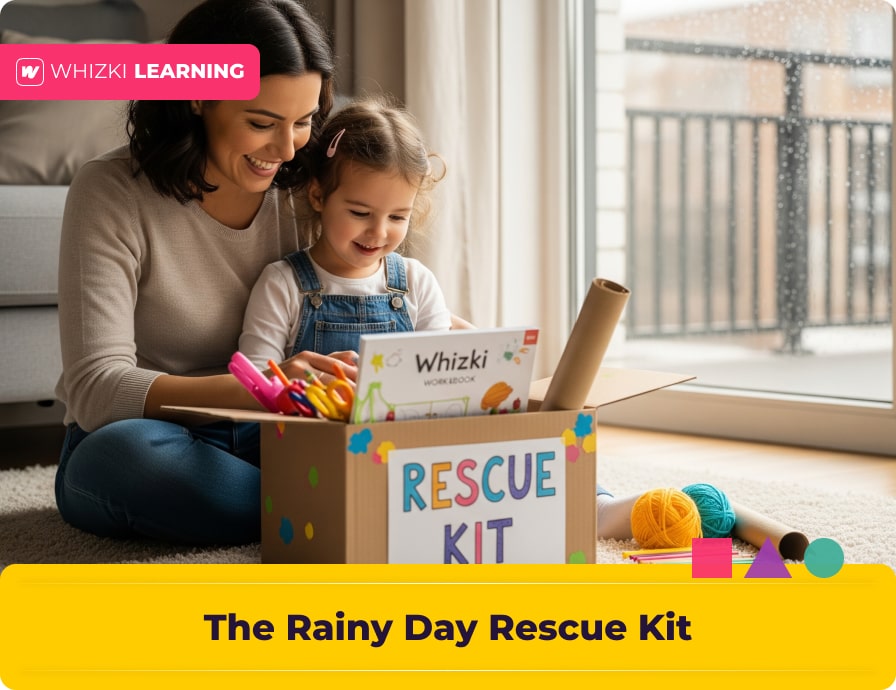
Welcome to the Rainy Day Rescue Kit. This isn’t just a pile of ideas you scramble to find at the last minute. It’s a real, physical box of curated, screen-free activities that you set up ahead of time. Think of it as your proactive plan for turning a challenging day into an unforgettable adventure, using simple things you already have around the house.
How to Build Your Rescue Kit
The magic of the kit is in the preparation. Pick a special box, a cardboard box, a plastic bin, or a canvas tote, and make decorating it your first activity. That little step matters, it builds anticipation and gives your child a sense of ownership. The contents don’t need to be brand-new or expensive. Choose simple, open-ended materials that invite creativity. Here’s what to put inside.

10 'Secret Missions' Inside Your Rescue Kit
Instead of turning each activity into “a task you have to do,” frame it as a secret mission you pull from the box. That shift helps kids feel excited and in control, even when the day feels stuck indoors.
The Fort-Building Engineer's Kit
What you need: A few old blankets or sheets, pillows, and some clothespins or chairs.
The Mission: 'Your mission, should you choose to accept it, is to build the coziest, most amazing fort the living room has ever seen!'
The Secret Skill: Engineering, problem-solving, spatial awareness, and teamwork.
The Ultimate 'Quiet Time' Tool
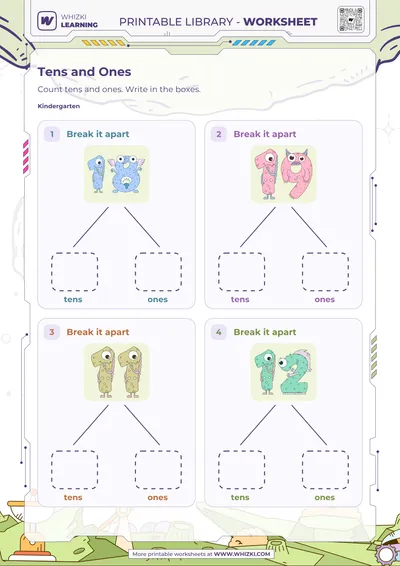
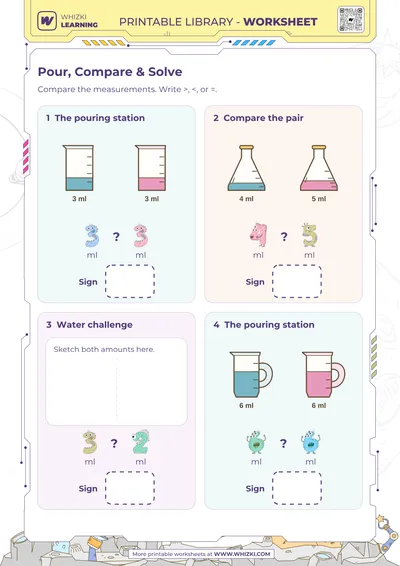
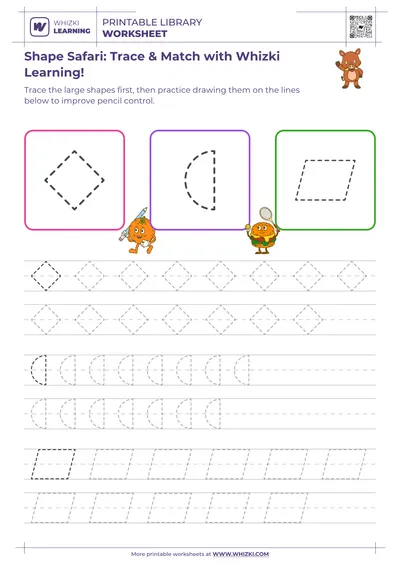
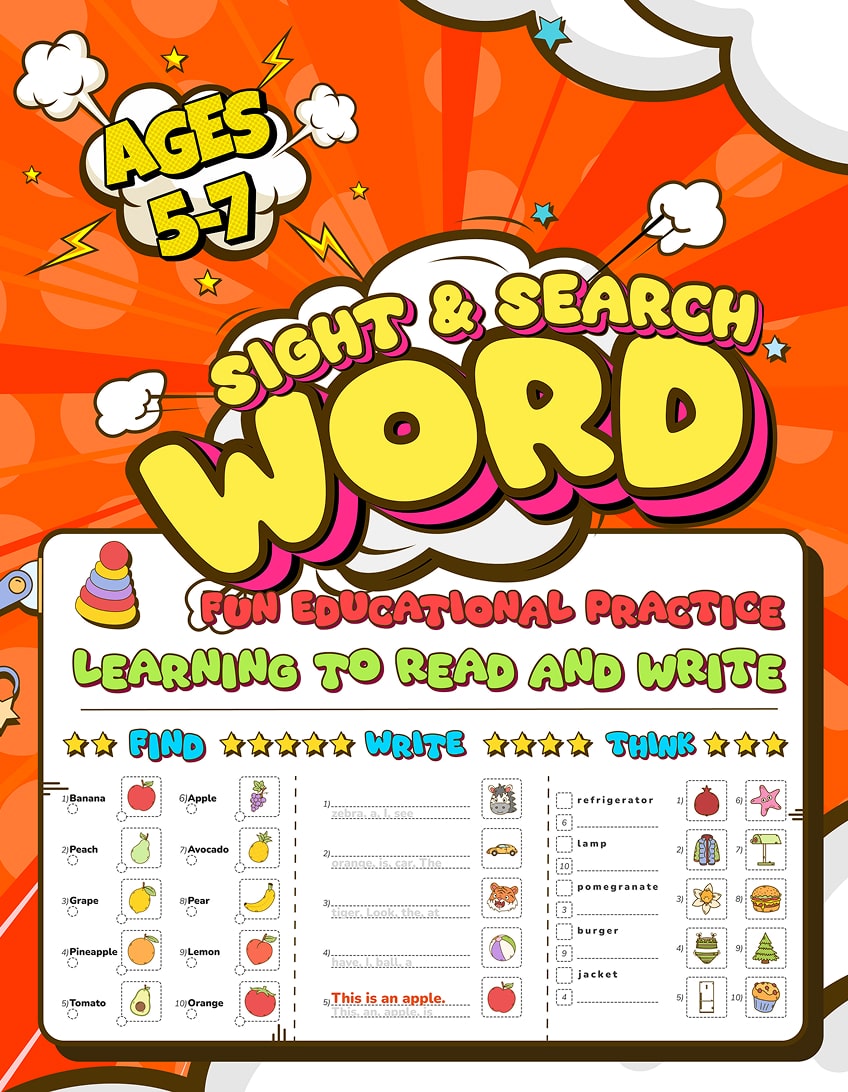
After an hour of fort-building and obstacle courses, your child's body is happy, but their mind might be buzzing. This is where the 'secret weapon' comes in. Introducing a fresh, engaging printed workbook at this moment is magical. It’s not a chore, it’s the next exciting phase of the adventure. A book like our Big Fun and Engaging Kindergarten Workbook gives a child a structured, satisfying way to re-center, practice focus, and enjoy a period of independent play, so you can finally take a breath and sip your coffee in peace.
If you’re also working on calming skills before handwriting or table work, you might like 10 Calm-Down Activities Before Tracing and Writing (Ages 4-6). It’s a helpful companion when the day is getting wiggly and you want a smooth path into quiet time.
And if you’re building routines that help kids stay with a task for longer stretches, check out How to Build a 15-Minute Focus Habit Before Kindergarten. It pairs perfectly with this kit, because the goal isn’t just “a calm moment,” it’s growing focus step by step.