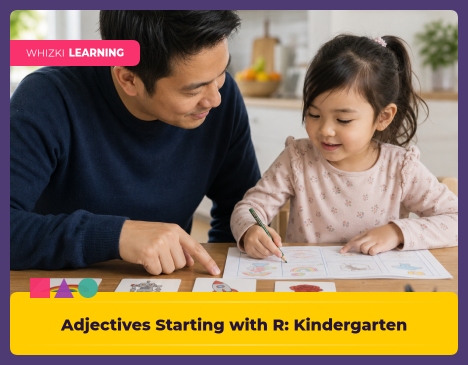
When you ask for “a describing word,” it can turn into blank stares or a bunch of “good” and “nice,” and that is exhausting. Let’s make adjective talk feel doable with R words your child can actually use, plus a quick sorting game and letter R practice from our letter R learning page.
Reviewed by Sarah Mitchell, M.S., CCC-SLP, Speech-Language Pathologist.
R feelings you can name fast
In early literacy, naming feelings helps children connect words to what they notice, and speech-language pathology practice often starts with simple, repeatable labels. When you use R feeling words during real moments, the words stick.
Try this during play or cleanup, and keep your tone calm and specific, like you are narrating what you see. If your child picks the wrong feeling word, you can model the correct one without turning it into a test.
Everyday words
- relaxed
- ready
- reassured
- rested
- rattled
- relieved
Big words for curious kids
- ravenous
- receptive
- resolute
- righteous
- reverent
- rhapsodic
Kitchen-table script: “I see you look ready. Are you ready to start, or ready to take a break?” After your child answers, repeat their choice and add one more R feeling word for choice-making.
R looks and size words
Reggio-inspired observation is all about noticing details, and occupational-therapy basics remind us that children learn best when language matches what their hands are doing. Use these R words while you compare, measure with your body, or describe what you see.
When you describe objects, keep the sentence short and repeat the adjective. “The rock is round.” Then pause, so your child has a turn to say the describing word.
Everyday words
- round
- rough
- red
- ripe
- rusty
- roomy
Big words for curious kids
- rectangular
- reliable
- ridged
- radiant
- refractive
- rippled
Read-aloud tip: during a story, pause and pick the describing word. “The moon looks radiant. What R word fits best, red or radiant?”
R personality words for how kids act
When children talk about personality, they practice perspective-taking, and NAEYC guidance supports using everyday language that matches children’s real experiences. Personality adjectives also help caregivers set expectations without sounding harsh.
Try using personality words during routines, like lining up or sharing materials. If your child is having a hard moment, choose a word that describes the behavior you want to see, not a label that blames the child.
Everyday words
- respectful
- rude
- rowdy
- rambunctious
Big words for curious kids
- resourceful
- resilient
- rational
- reassuring
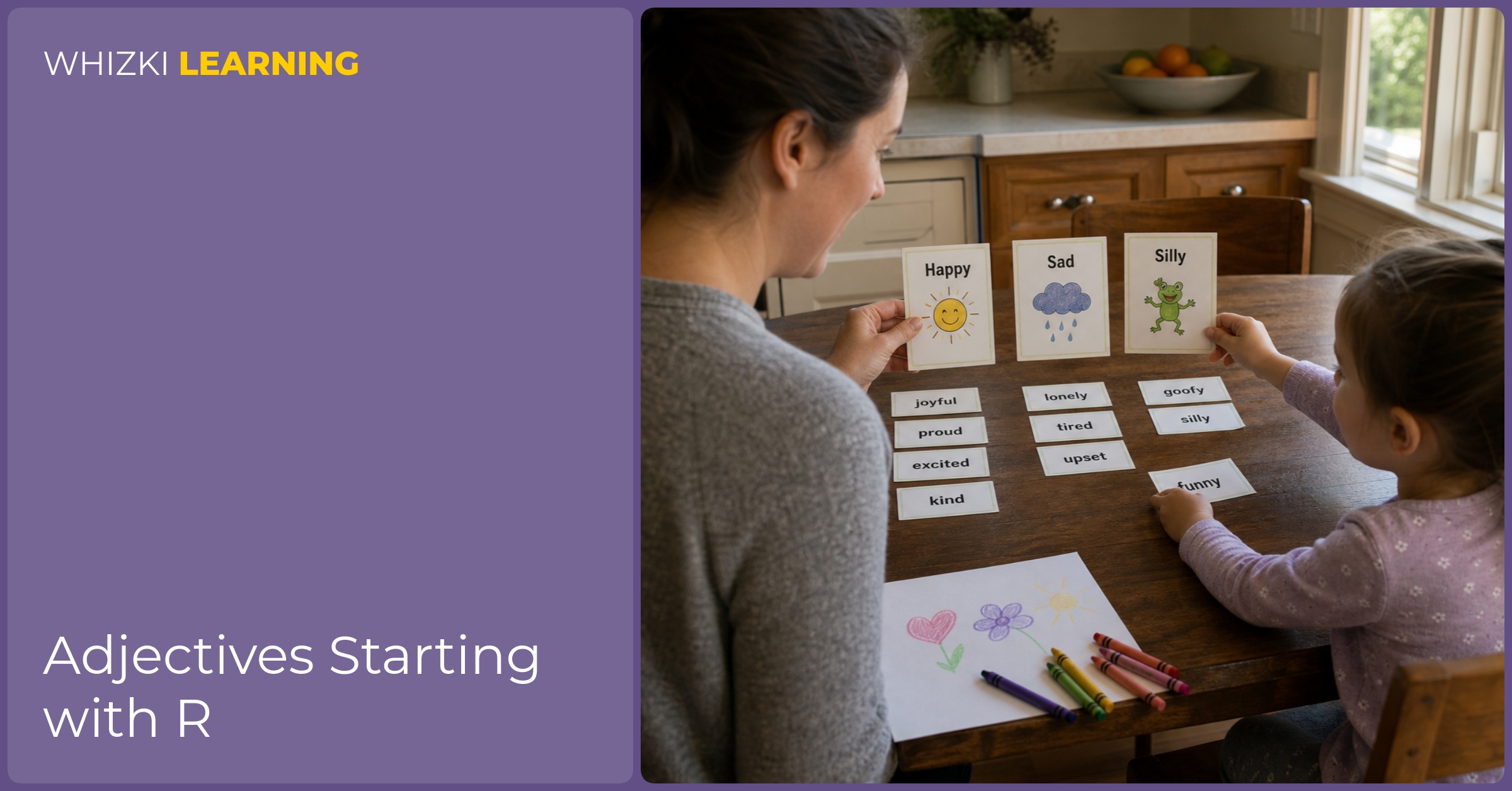
One kitchen-table sorting activity: set out three piles labeled feelings, looks, and personality. Let your child place each R word card into a pile, then ask, “Which pile fits best, and why?”
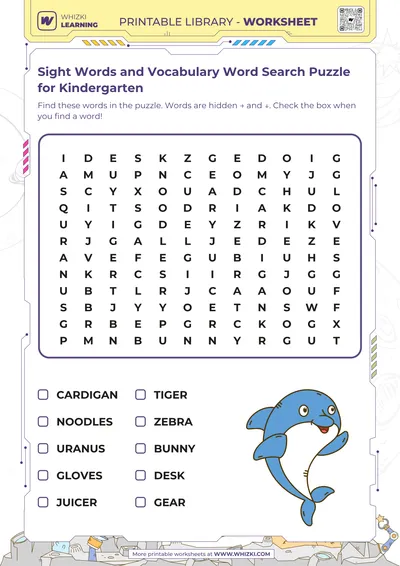
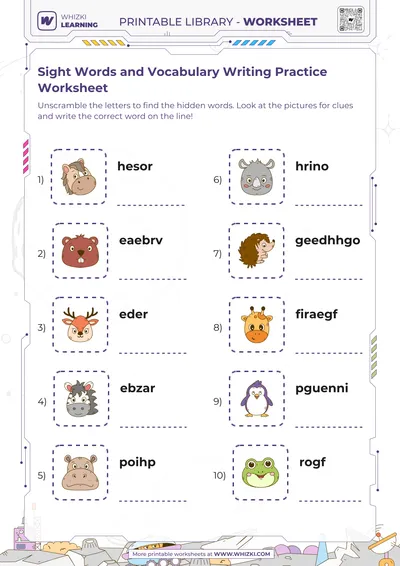
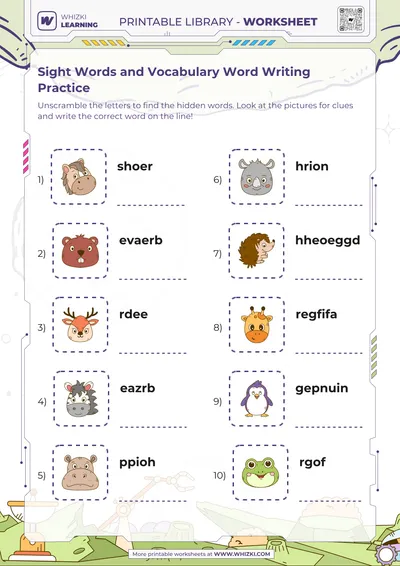
Whizki Learning offers our sight-words printables to pair with adjective talk, so your child gets more chances to read and use describing words during everyday routines. Add one short adjective moment to each printable session, and keep it light and repeatable.
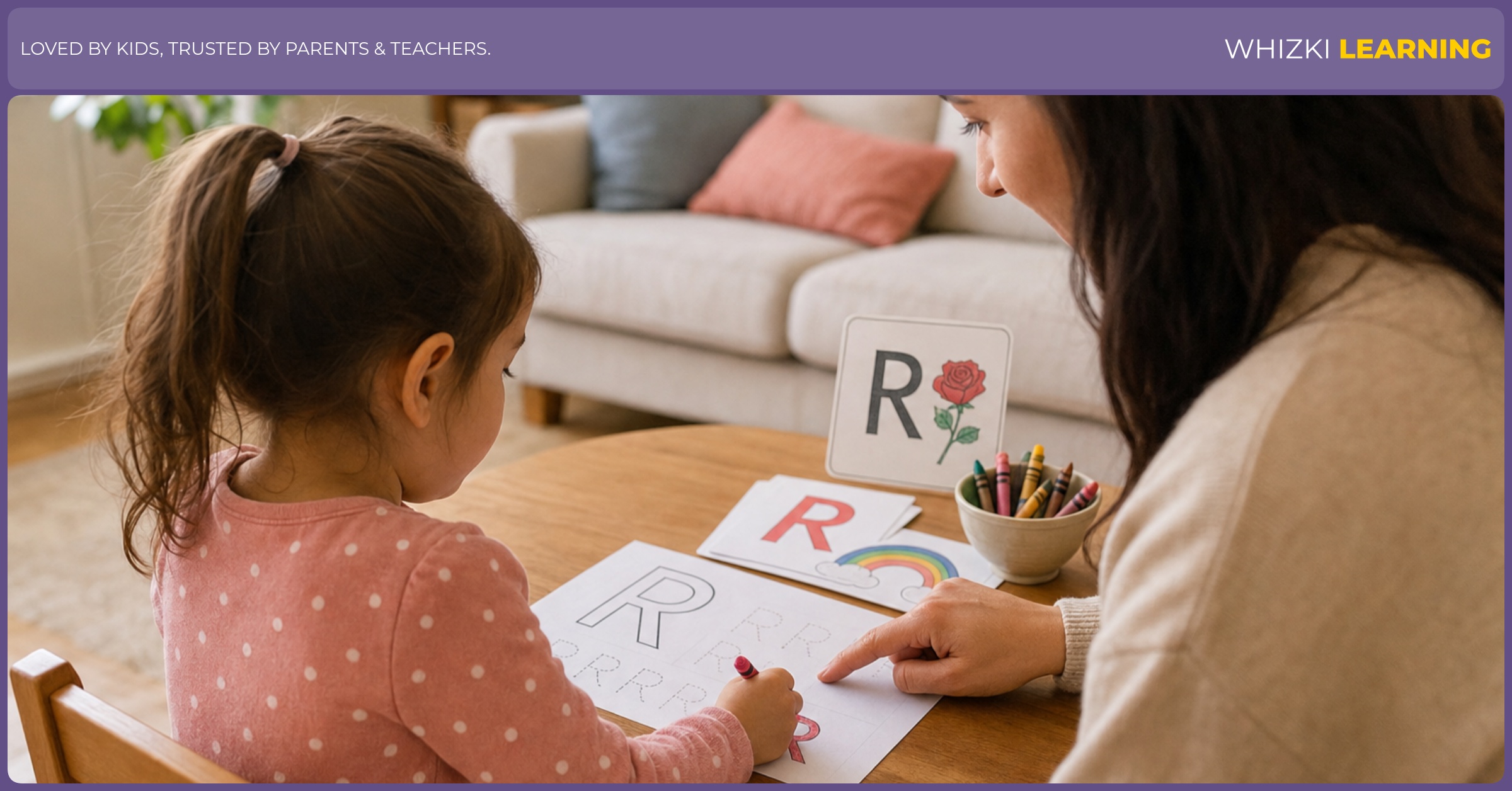
If you want to keep the same practice going on paper, take a look at our alphabet tracing workbook for preschool and kindergarten.
For more early-reader practice, pair adjective talk with nouns and verbs starting with R so your child can build complete sentences, not just single words. When you practice the letter R shape, use the same calm rhythm from the alphabet learning hub, and keep your child’s eyes on the paper while fingers trace the R.