Have you noticed how parenting can feel like a constant negotiation, especially around screens? One minute you are trying to get through dinner, the next minute you are hearing, “I’m bored,” and suddenly everyone is stuck in that tense, overstimulated loop. You are not alone. Those “raw dogging” flight videos might be funny online, but the real issue underneath is very real for families, kids, and teachers, the push to disconnect from the nonstop digital buzz.
And now, look at our kids. They are the first true “iPad generation.” They are constantly entertained, rarely bored, and perpetually stimulated. If a car ride is longer than 10 minutes, a tablet appears. If a restaurant meal takes too long, a phone is propped up. They are never forced to just be, and when the screen disappears, their brains feel like something is missing.
So yes, kids need a Great Dopamine Reset. But asking a preschooler to jump from “all screens” to “staring at a wall” is a setup for tears. They need a bridge, something that feels doable and even interesting. In this guide, we will walk through why “analog” boredom matters for brain development, and how high-quality kindergarten workbooks can help a child relearn how to exist, think, and do well in the real world.
The Neuroscience of Boredom: Why Screens Make Real Life Feel 'Gray'
To understand why “raw dogging” reality feels so hard for modern kids, we have to look at the brain’s reward system. Screens deliver a high-speed, low-effort dopamine loop. Swipe, color explosion, dopamine hit. Watch video, funny sound, dopamine hit.
This loop is incredibly fast. Over time, the child’s brain resets its baseline for stimulation. It starts to expect constant fireworks. When the screen is gone and the child is handed something slower, like a block tower, a drawing pad, or a conversation, those activities can feel “off.” They feel “gray.” And the child isn’t just bored, they are going through a real physiological withdrawal from high-speed stimulation.
The “Raw Dogging” Philosophy for Kids is not about punishment. It is about recalibration. It is the intentional practice of lowering that stimulation baseline so that normal, healthy activities, like working through a maze in a kindergarten workbook, start to feel fun again.
If you want a screen-free mindset that helps you handle the “boredom” moments with less stress, this sibling guide is a great place to start: Why “Boredom” is the Ultimate Screen-Free Teacher.
The Bridge: Why Workbooks Are the 'Methadone' for Screen Addiction
You cannot simply remove the screen and leave a vacuum. That creates chaos. The goal is to replace passive entertainment with active engagement. That is where printed kindergarten workbooks become a practical, calming tool for families and classrooms.
1. Friction vs. Flow
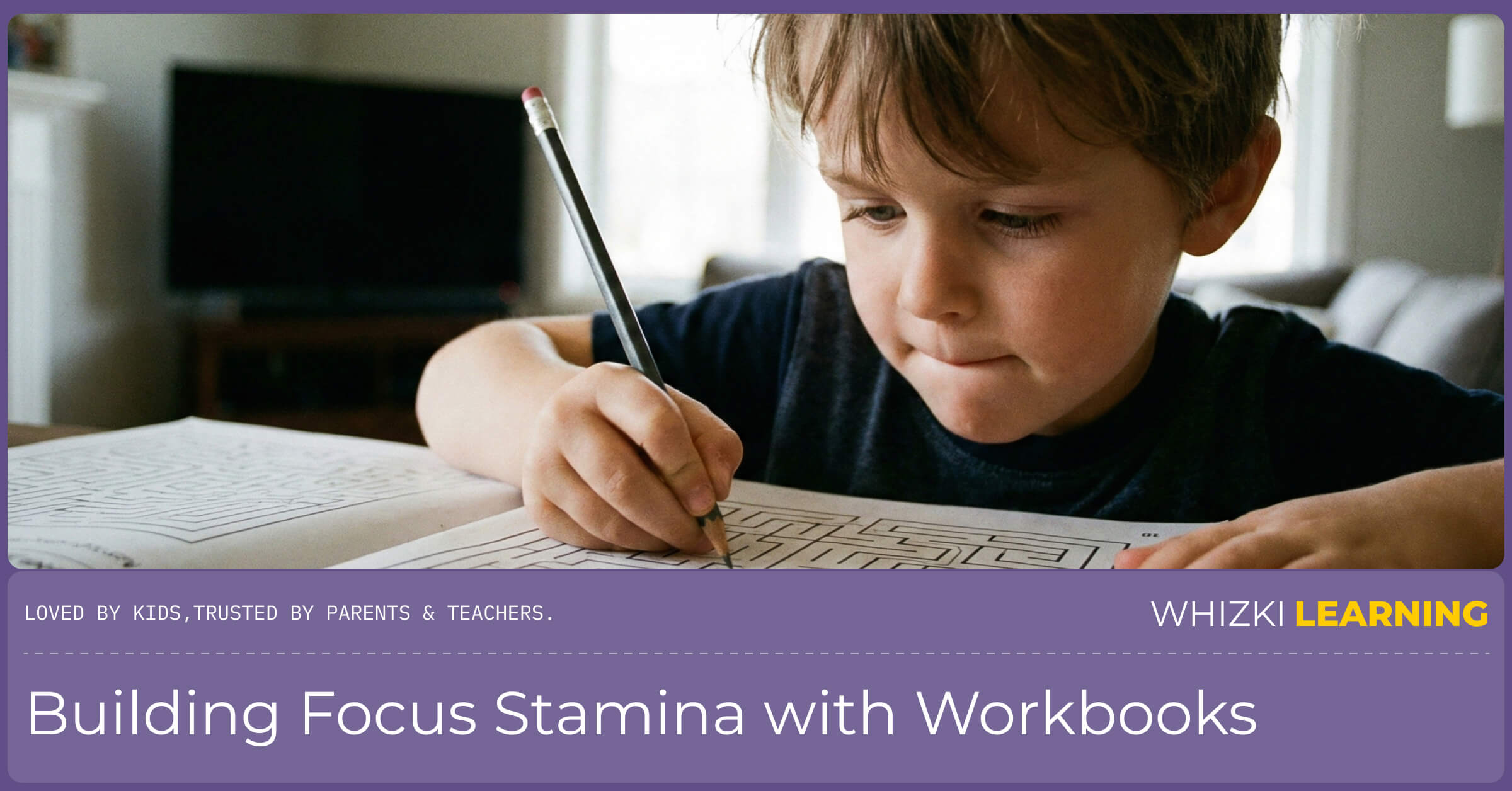
Screens are frictionless. Glass is smooth. Swiping is effortless. Real learning needs friction. When a child uses a pencil on high-quality paper, the child feels resistance. They hear the scratch of the graphite. That sensory feedback brings the child back to the physical moment. It helps the brain slow down and process information, breaking the “hypnotic” pull of screen time.
2. The Finite Page vs. The Infinite Scroll
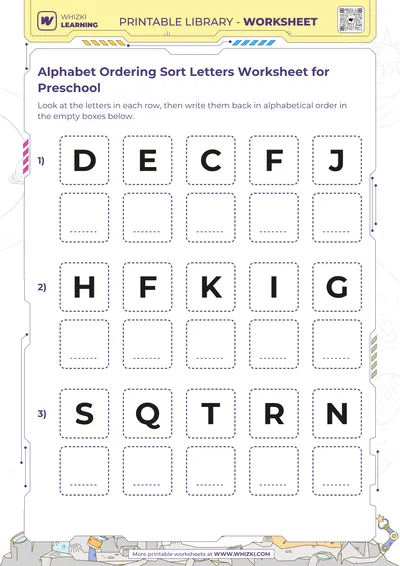
Digital content is infinite. There is always another video, another clip, another “just one more.” That can create anxiety and a fear of missing out. A printed workbook page is finite. It has borders. It has a clear goal, like “Circle the matching letters.” When the page is done, it is done. That clear beginning and end gives a sense of closure and accomplishment that the infinite scroll cannot offer.
3. Building 'Focus Stamina'
Just like a runner builds stamina for a marathon, a child builds stamina for school. “Raw dogging” a quiet activity, like a kindergarten skill builder for 10 minutes, helps a child practice sitting still, ignoring distractions, and completing a task. These are exactly the skills that can weaken when everything is fast and automatic.
And if you want to pair workbook time with simple, no-screen practice during everyday moments, try number games in the kitchen. Here is a sibling guide that parents love: 10 Number Games to Play in the Kitchen (Ages 3-6).
The Protocol: How to Implement the 'Great Reset'
Ready to try it? Here is the parent-friendly truth, if you announce a “ban,” you usually get a battle. Instead, introduce “Raw Reality Intervals.” Small, predictable, and supported. Here is how to handle the three toughest battlegrounds using the Whizki Method.
Scenario 1: The Car Ride
The Old Way: Tablet is mounted before the car starts.
The 'Raw Dog' Way: No devices. Instead, the window is the screen. Encourage observation: “Let’s count how many red trucks we see.”
The Workbook Bridge: Keep a travel-friendly kindergarten workbook and a few crayons in the seat pocket. When the “I’m bored” whining starts, offer the book. “I know it’s a long ride. You can be a detective and find all the hidden shapes on this page.”
Quick bonus, if your child is working on letters, you can also swap in simple letter-sound play during the ride, no prep required. This guide is helpful for that: 15 Letter-Sound Games You Can Play Anywhere (No Screens, No Prep).
Scenario 2: The Restaurant Waiting Game
The Old Way: Phone is propped up against the sugar dispenser.
The 'Raw Dog' Way: Engage in “people watching” or thumb wrestling. Talk about the menu.
The Workbook Bridge: Bring a specific critical thinking workbook. Challenge them: “I bet you can solve this logic puzzle before the appetizers arrive.” Turn the wait into a game of wits, not a zombie trance.
Scenario 3: The Morning Routine
The Old Way: Cartoons while eating breakfast to keep them quiet.
The 'Raw Dog' Way: Silence or music. Focus on the taste of the food and getting dressed independently.
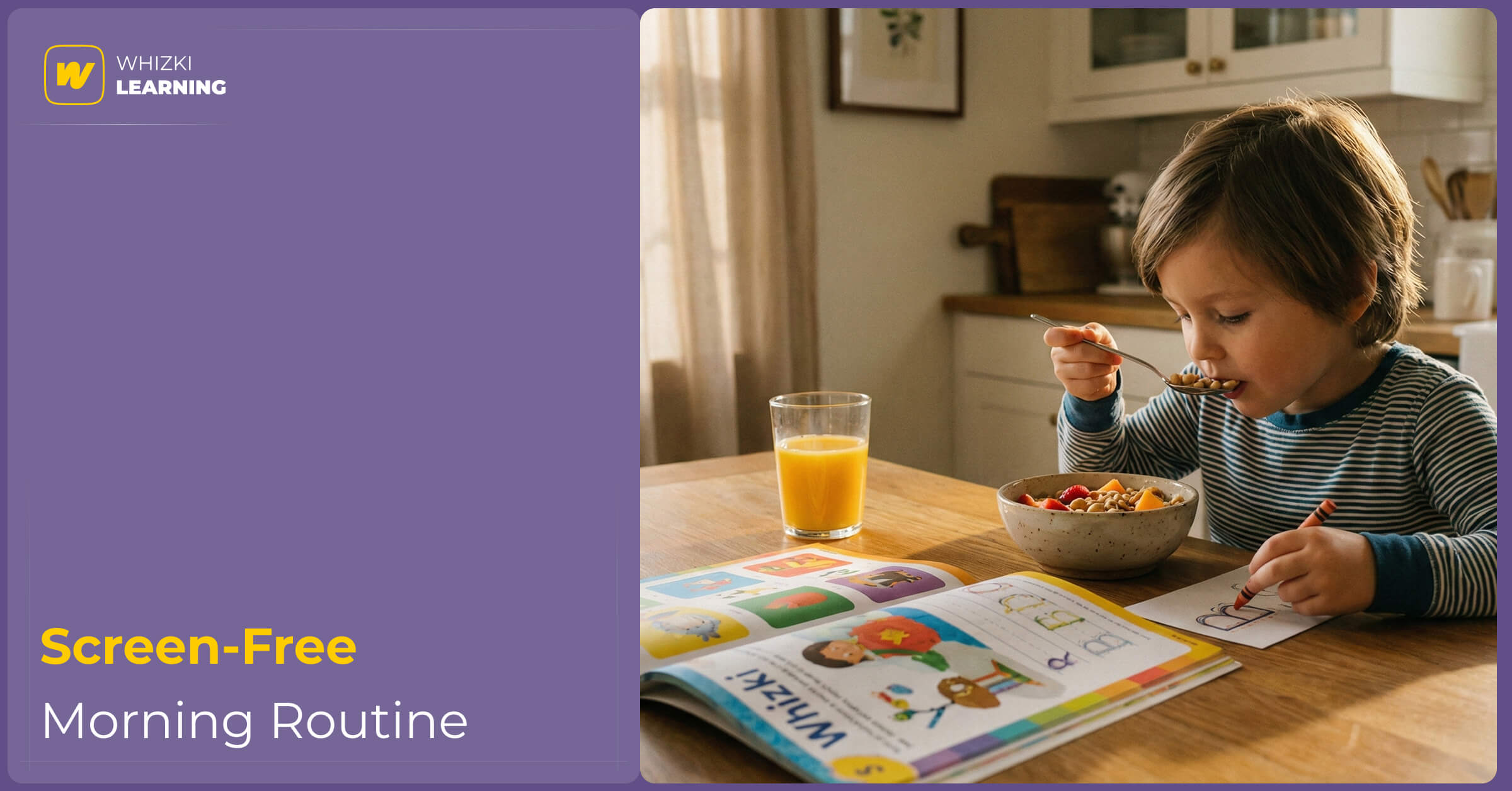
The Workbook Bridge: Leave an open tracing and writing practice book on the breakfast table. Kids are naturally curious. Often, they start tracing lines while they chew, simply because it is there. It wakes up the brain with fine motor activity instead of passive consumption.
Reclaim Their Brain with Whizki
Our printed workbooks are designed specifically for this low-dopamine lifestyle. We use high-quality paper that feels good to touch. We design engaging activities that require critical thinking, not just reaction speed. They are the perfect companion for your family’s digital reset, showing your child that they do not need a battery to have fun. They just need their brain, a pencil, and a little bit of patience.
The Joy of Missing Out (JOMO)
In a world that screams for attention, the ability to sit quietly with a task is a real advantage. When you help your child “raw dog” boredom and fill the gap with meaningful hands-on learning, you are not taking something away. You are giving the child back their own mind. You are teaching that they are enough, right where they are, all by themselves.