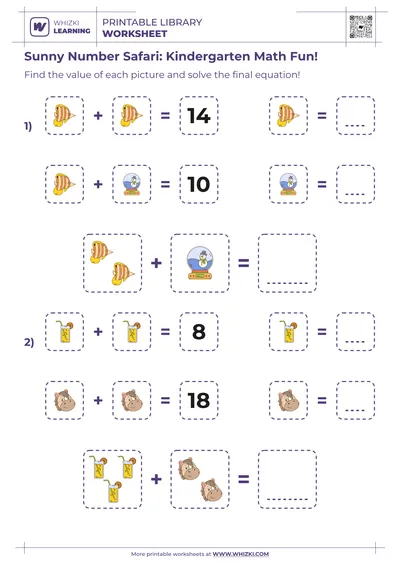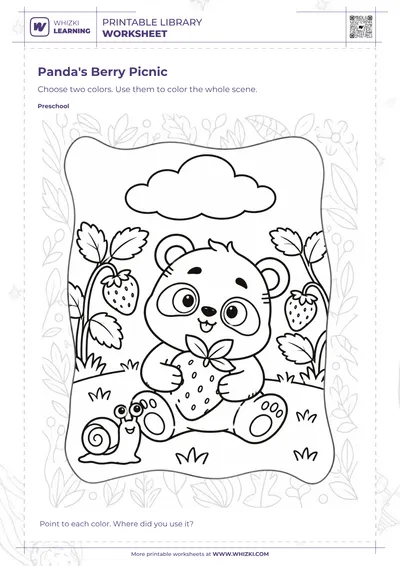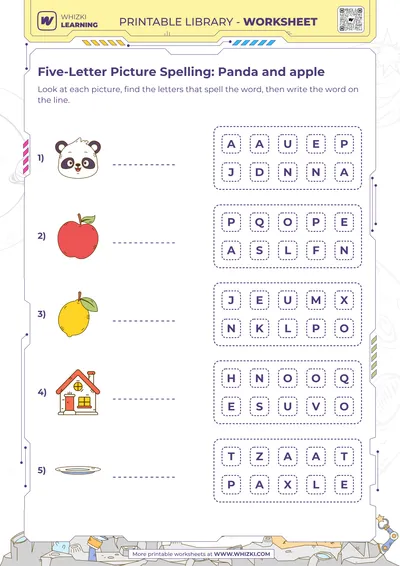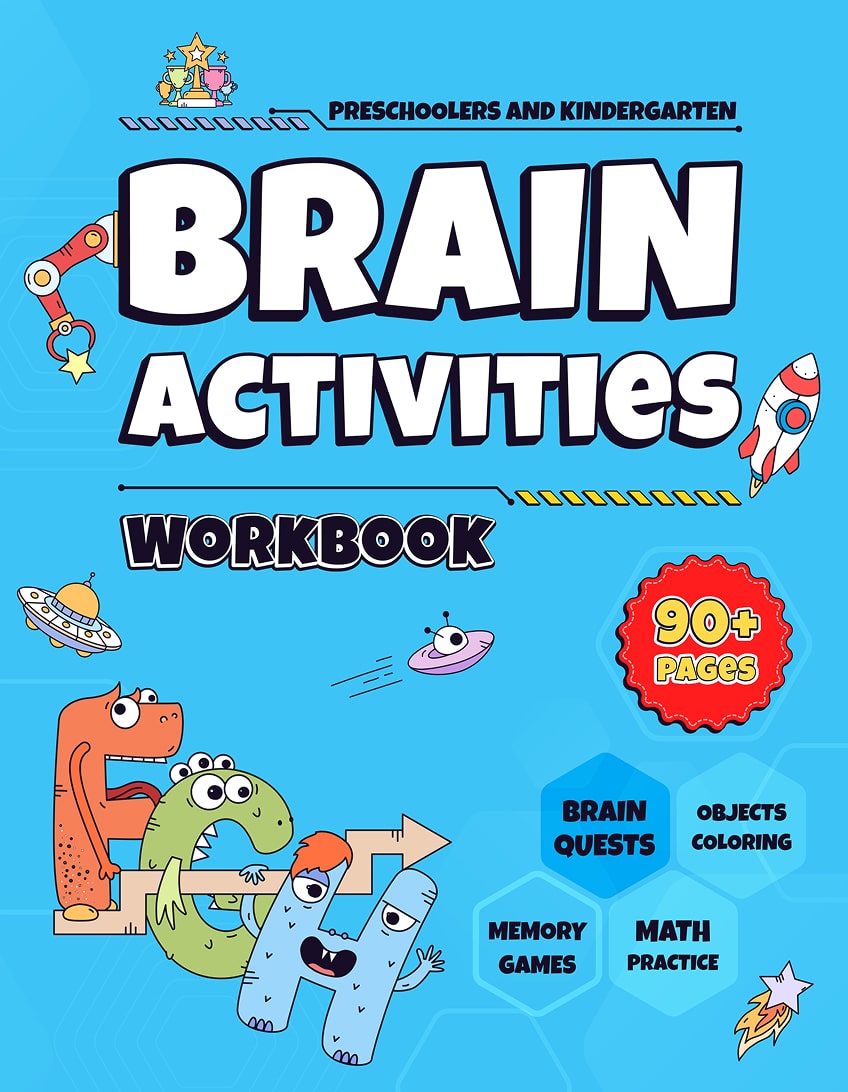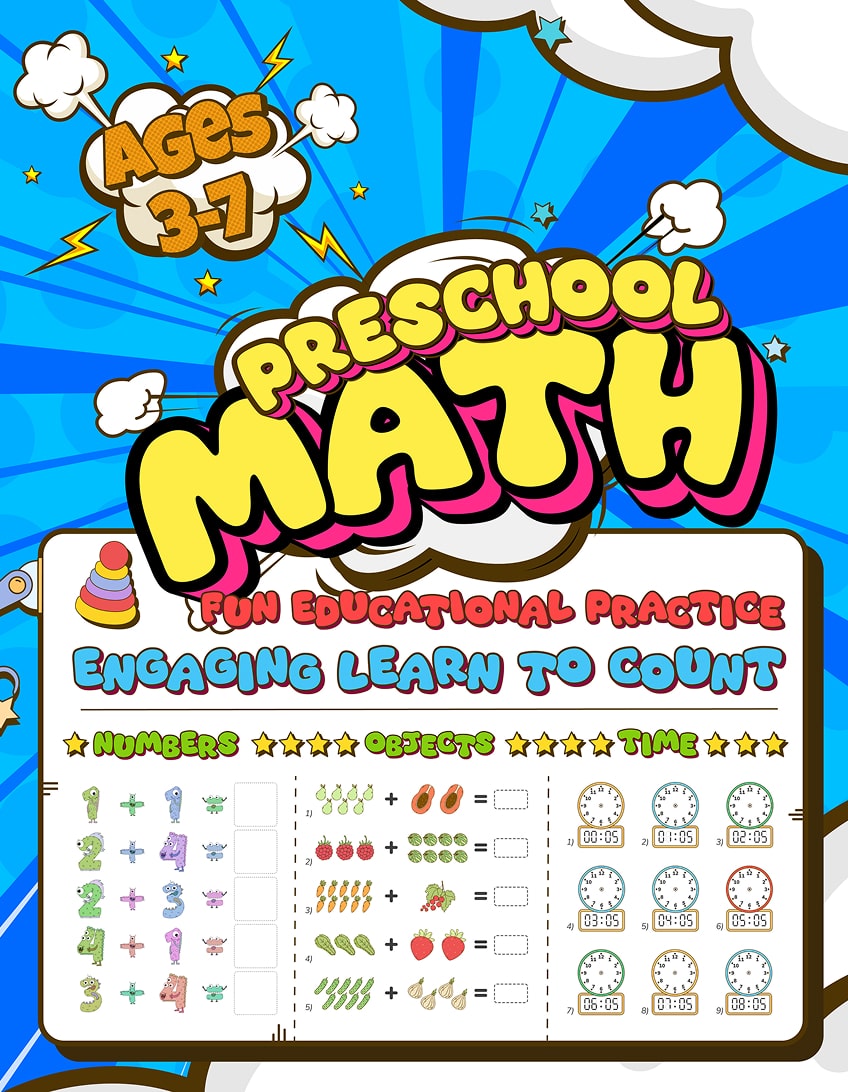
The jump from preschool to kindergarten can feel huge, and honestly, it can be stressful. It’s the moment when “play” starts to mix with “learning,” and many parents feel that pressure right away. You might be thinking: Is my child ready? Do they know enough letters? Can they sit still? When emotions run high, it’s tempting to grab educational apps that promise to teach everything fast. But there’s a calmer, more proven tool that’s coming back for a reason, the humble, high-quality kindergarten workbook.
And let’s be real, not all workbooks are worth the money or the time. This is not about drill-and-kill pages. This is about engaging activity books for kids that invite children to explore, notice patterns, and practice skills in a way that feels doable. In this guide, we’ll talk about why the right kindergarten workbooks support school readiness in a bigger way than academics alone, they also build the physical and emotional confidence a child needs to walk into the classroom ready to participate, not hide.
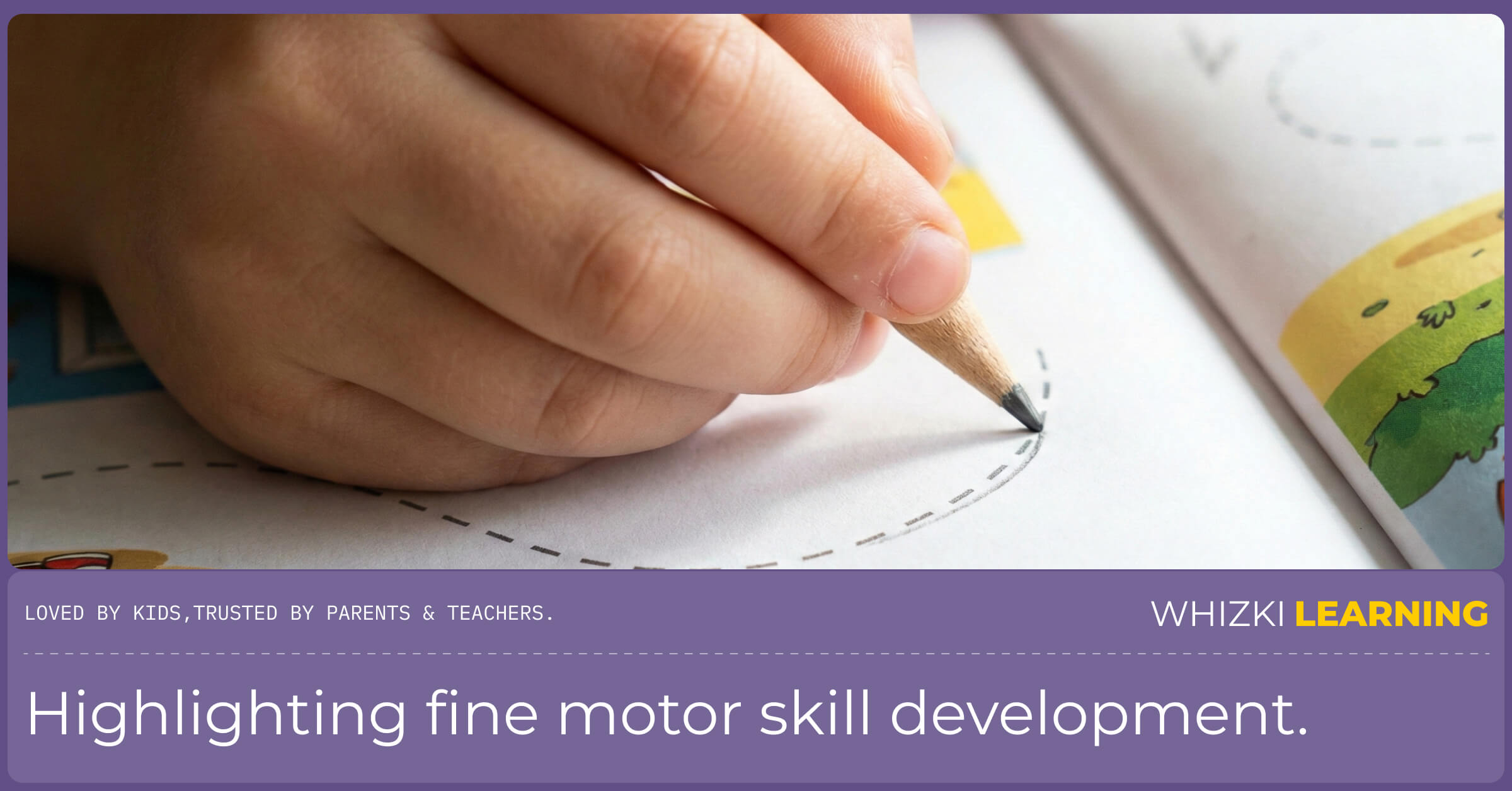
The Physical Bridge: Fine Motor Skills & The 'Pincer Grasp'
In a digital world, children are swiping more than they are gripping. Many teachers are seeing less hand strength and less pencil control. This is where kindergarten workbooks really help. A screen can’t show a child how much pressure to use on a pencil. It can’t give the physical feedback that paper provides.
When your child works through tracing and writing practice in a printed book, they are doing real work for their brain and body. They practice the 'pincer grasp' and hand-eye coordination that matter for tying shoes, using utensils, and writing clearly later on. As we discussed in our guide to handwriting development, that physical foundation matters before academic fluency shows up.
The Mental Bridge: Building 'Focus Stamina'
Kindergarten asks for a new kind of focus, the ability to sit with one task and work through it for a while. That’s hard. Apps often make it harder by constantly changing scenes, adding rewards, and pulling attention in every direction. Kindergarten workbooks, on the other hand, build this skill.
A workbook page is a steady, quiet space. It doesn’t beep or flash. It asks the child to create the engagement from inside their own attention. When a child sits for 10 minutes to solve a logic puzzle or complete a maze, they are training their 'attention muscle.' The ability to keep going without digital stimulation is one of the most valuable school readiness skills, and it’s exactly what we cover in our concentration guide.
If you’re trying to help at home and you’re worried your child won’t last, start small and make it predictable. You can also pair workbook time with a quick, low-pressure routine like the one from How to Build a 15-Minute Focus Habit Before Kindergarten, so focus becomes a habit instead of a battle.
The Emotional Bridge: Confidence through Completion
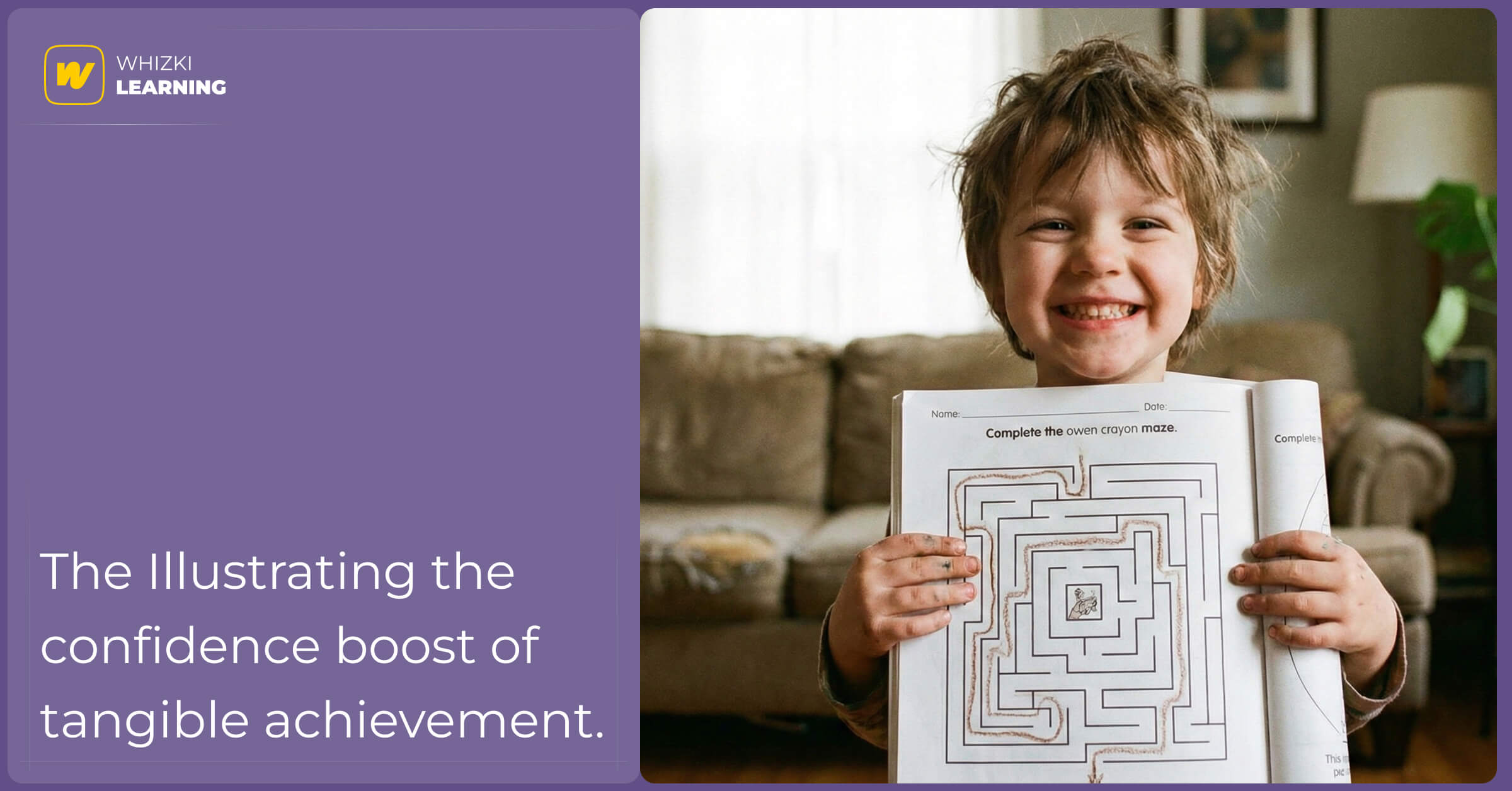
There’s a real emotional difference between finishing a level in a video game and finishing a physical page in a book. One disappears; the other stays. When a child completes a page in their kindergarten workbook, they have something tangible from their effort. They can hold it, show it to you, and bring it to the fridge like, “Look what I did.”
That builds competence. Kindergarten skill builders that are thoughtfully designed, like ours, offer the right amount of challenge, the “Goldilocks zone.” It’s challenging enough to feel interesting, but manageable enough to be solvable. This cycle of Try -> Struggle -> Succeed supports a growth mindset, teaching children they are capable learners, even when something feels tricky at first.
Whizki: Designed for the Kindergarten Journey
At Whizki, we don’t just put problems on paper. We design kindergarten workbooks to act as a gentle guide through this important transition. From our high-quality paper that makes writing feel satisfying to our friendly mascot Sunny who cheers them on, every part is built to make learning feel safe, fun, and screen-free. Whether it’s early math practice or creative problem solving, our books help turn “work” into a daily ritual that feels connected, calm, and meaningful.
More Than Just School Prep
At the end of the day, using kindergarten workbooks isn’t only about making sure a child knows their ABCs before September. It’s about giving them the gift of slow, focused, hands-on time. It’s about showing them that learning is something they can hold in their hands and control with their minds. So here’s your next step, pick one workbook page for today, set a timer for a short session, and celebrate the completion. If you want to reduce the “I’m bored” moments too, check out Why “Boredom” is the Ultimate Screen-Free Teacher. And if you’d like to add a fun number boost without screens, try 10 Number Games to Play in the Kitchen (Ages 3-6) while dinner is cooking.