Picture a kindergarten classroom. The bell rings, and the teacher says: 'Okay friends, please put your markers in the blue bin, grab your snack from your backpack, and sit on the green rug.' For an adult, this is a simple sequence. For a five-year-old, it can feel like a lot to hold in their head, especially when their body is still buzzing from play.
And let’s be honest, the frustration is real. When kids don’t follow directions, it can turn into a loop of “Did you hear me?” “I said it already.” “Why can’t you just listen?” But neurologically, following multi-step directions depends on working memory and executive function. These are skills that grow with practice, and the fast-paced, passive nature of screen time can make that practice harder to come by.
If you want your child to hear you, you have to speak in a language their developing brain can process. And you have to practice it before the stakes are high.- Sunny Hedge
If you want to make kindergarten feel significantly easier for your child (and your mornings easier for yourself), you need to build the 'Directions' skill. Let’s walk through a simple, daily habit you can start today to strengthen their cognitive stamina and prepare them for the classroom.
How to Build the 'Follow Directions' Habit
A gentle, step-by-step method to build your child's working memory and ability to follow instructions without yelling or repeating yourself.
Step 1: The 'Eye-to-Eye' Anchor
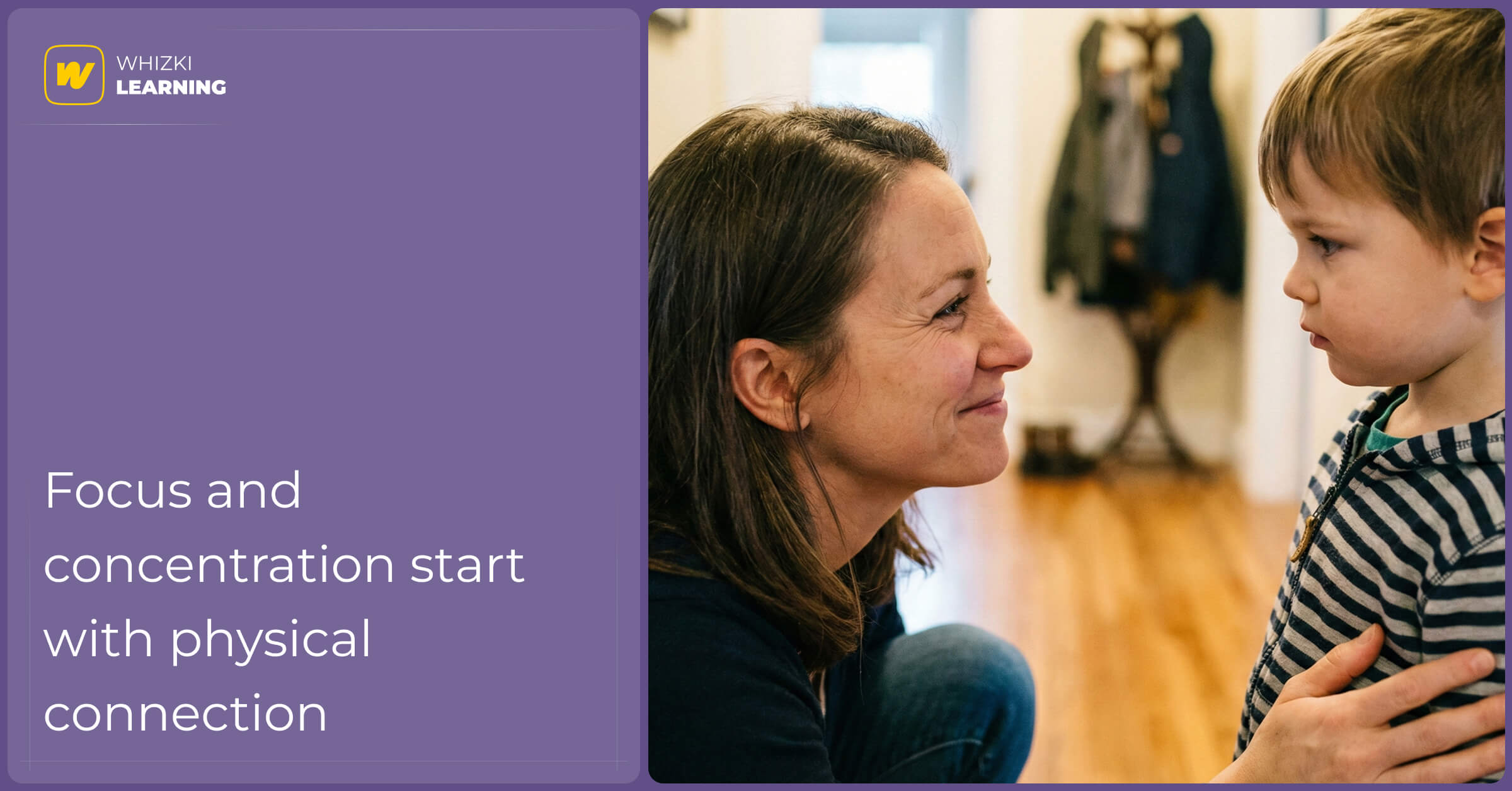
You cannot give a direction to the back of a child's head while they are watching a screen or playing with Legos. Focus and concentration start with physical connection.
The Habit: Before you give an instruction, get down on their physical level. Say their name. Wait until their eyes meet yours. Say, 'I need your ears for a special mission.' This stops their current thought process and opens the channel for incoming information.
Step 2: The 'One-Two' Game (Everyday Tasks)
Don't wait for a high-stress moment (like getting out the door) to practice. Practice during low-stakes playtime. Kindergarten thrives on two-step directions, so that is your target.
The Habit: Turn cleanup or daily routines into a 'One-Two' challenge. 'First, put the red block in the box. Second, touch your nose!' Making the second step silly removes the pressure. When they succeed, celebrate the specific skill: 'Wow, you remembered both steps! Your working memory is getting so strong!' And if “waiting for the right moment” is hard in your house, you might also like How to Build a 15-Minute Focus Habit Before Kindergarten, because that same focus muscle shows up in directions, too.
Step 3: The 'Repeat It Back' Rule
Auditory processing takes time. Often, children say 'okay' before their brain has actually decoded what you said.
The Habit: After giving a two-step direction, ask them to repeat the mission. 'Okay, what are your two jobs?' If they can't say it, they can't do it. If they forget, don't scold. Smile and say, 'Let's try again. It takes practice to grow our brains.' This is a perfect moment for nurturing a growth mindset, teaching them that forgetting is just part of learning, not a reason to feel “bad at listening.”
Step 4: The 'Paper Practice' (Using Workbooks)
The classroom environment requires following directions on paper. This is a totally different skill than following a spoken direction to grab a toy.
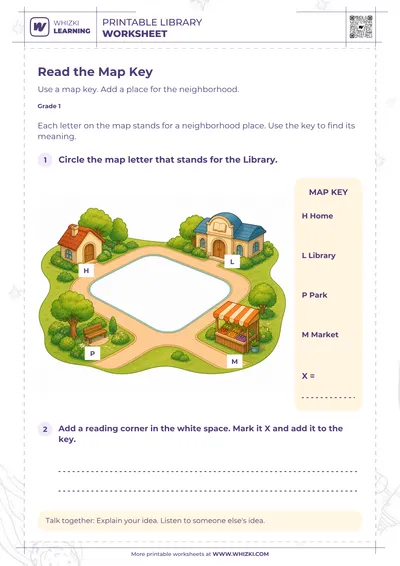
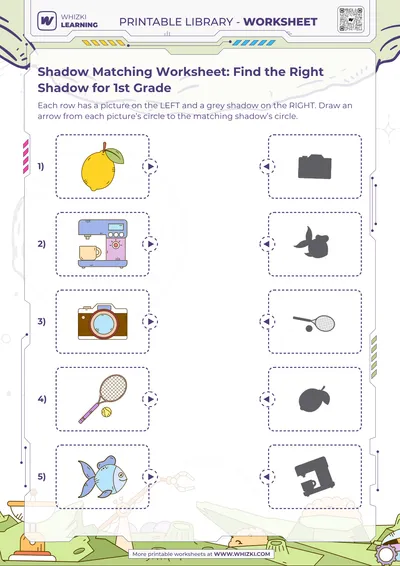
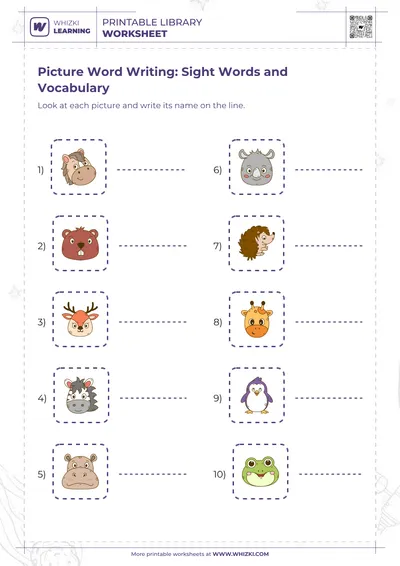
The Habit: Incorporate printed workbooks into your routine. When you sit down with an engaging activity book for kids, read the instruction aloud together. 'The book says: Circle all the items that are blue, and cross out the items that are red.' Have them point to the blue crayon, then the red one, before they start. This translates verbal instructions into visual, tactile execution, the exact skill they will use every day in school.
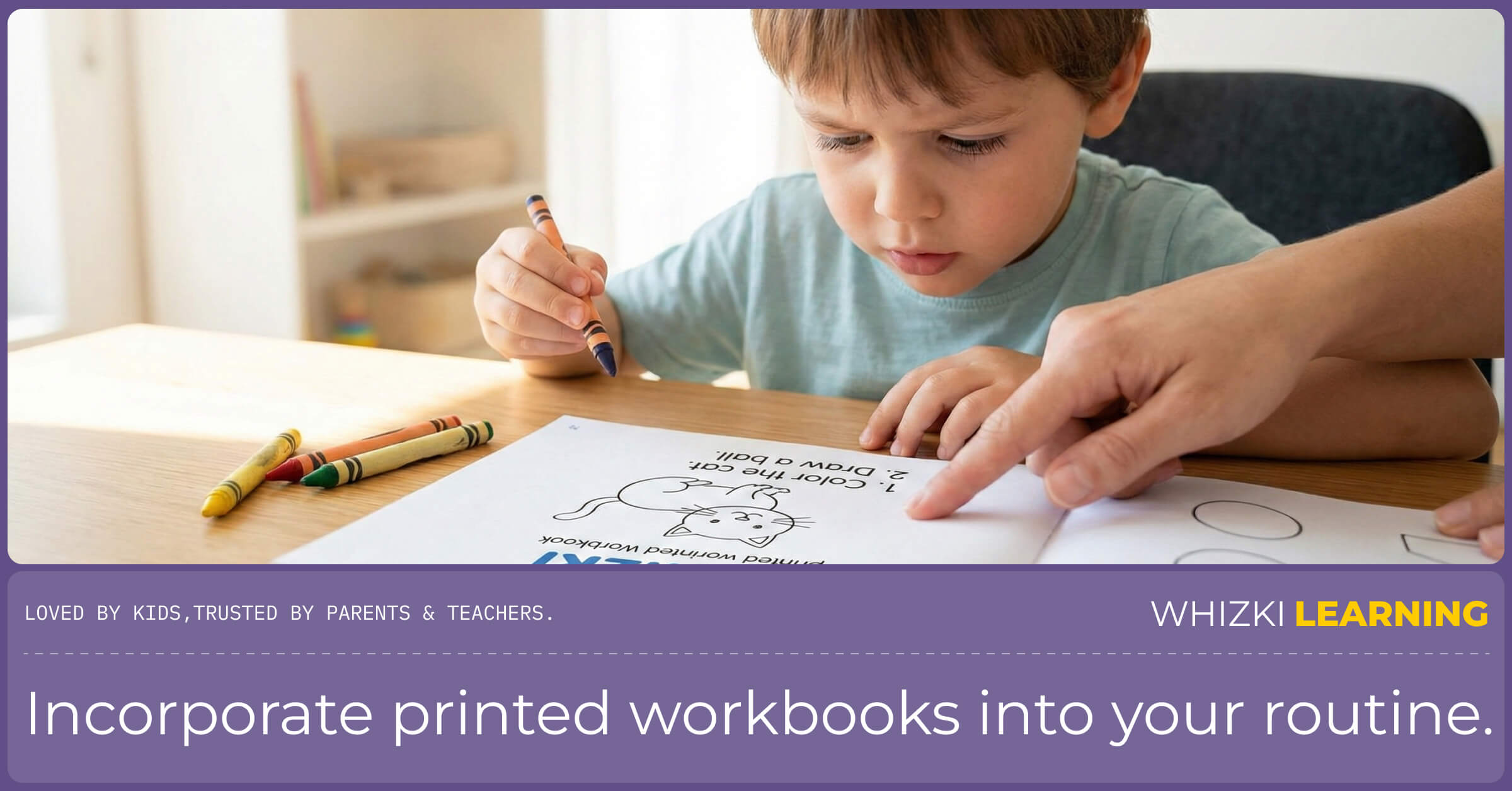
The Perfect 'Directions' Gym: Whizki Workbooks
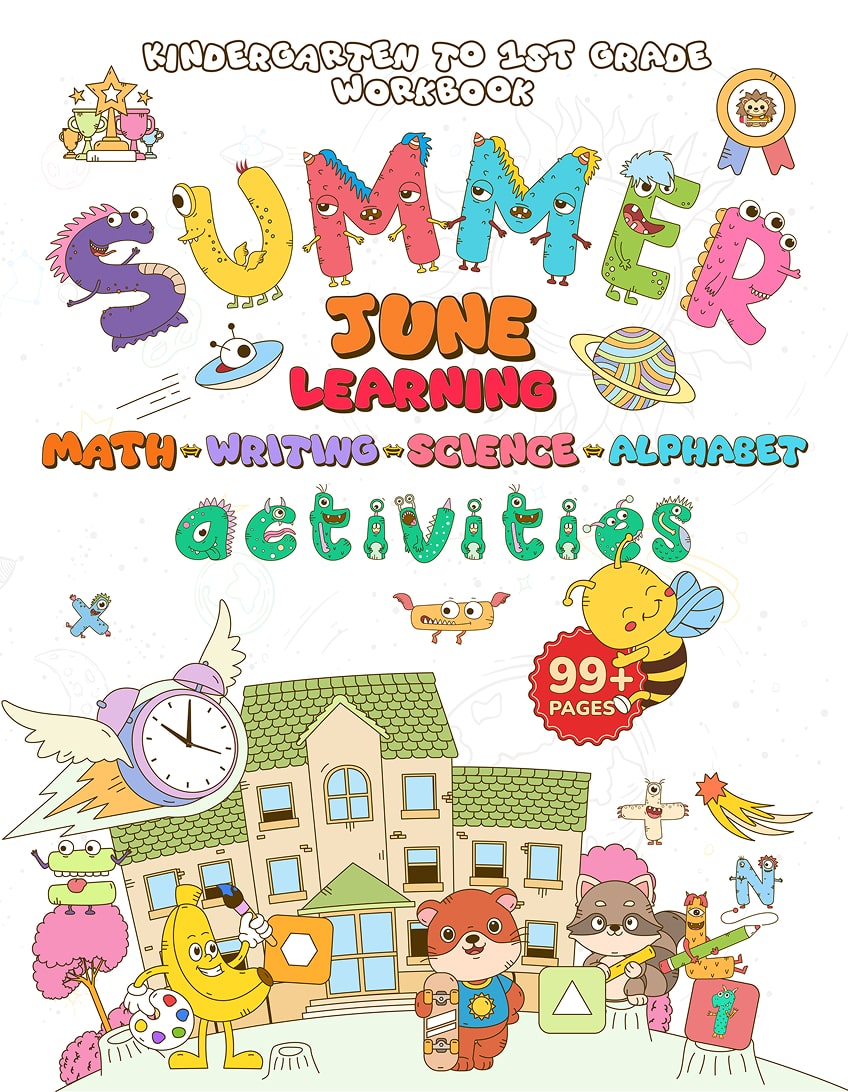
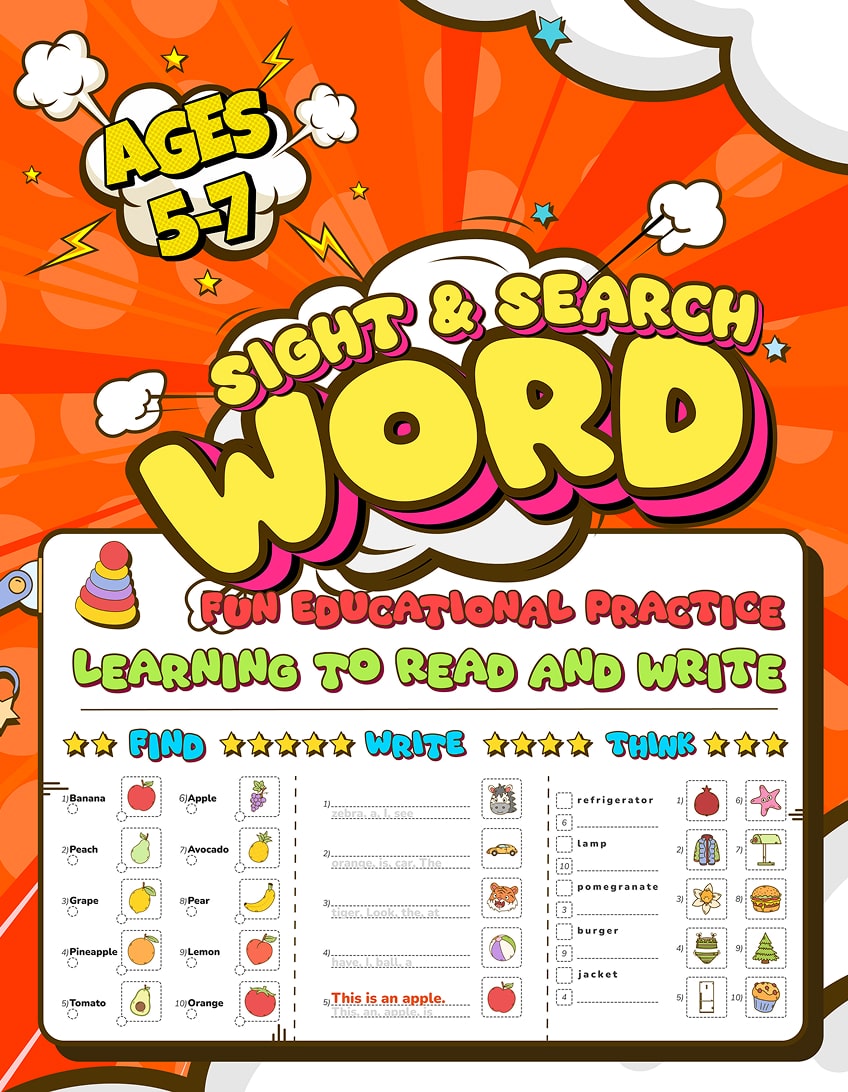
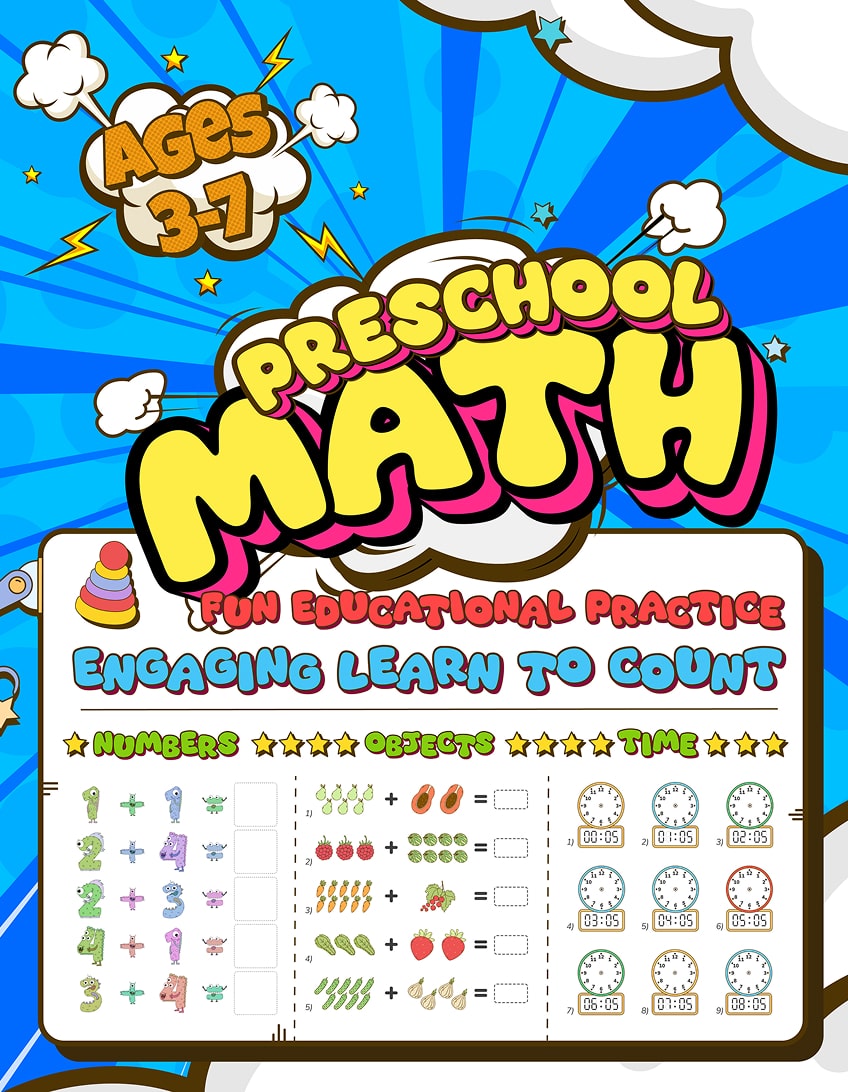
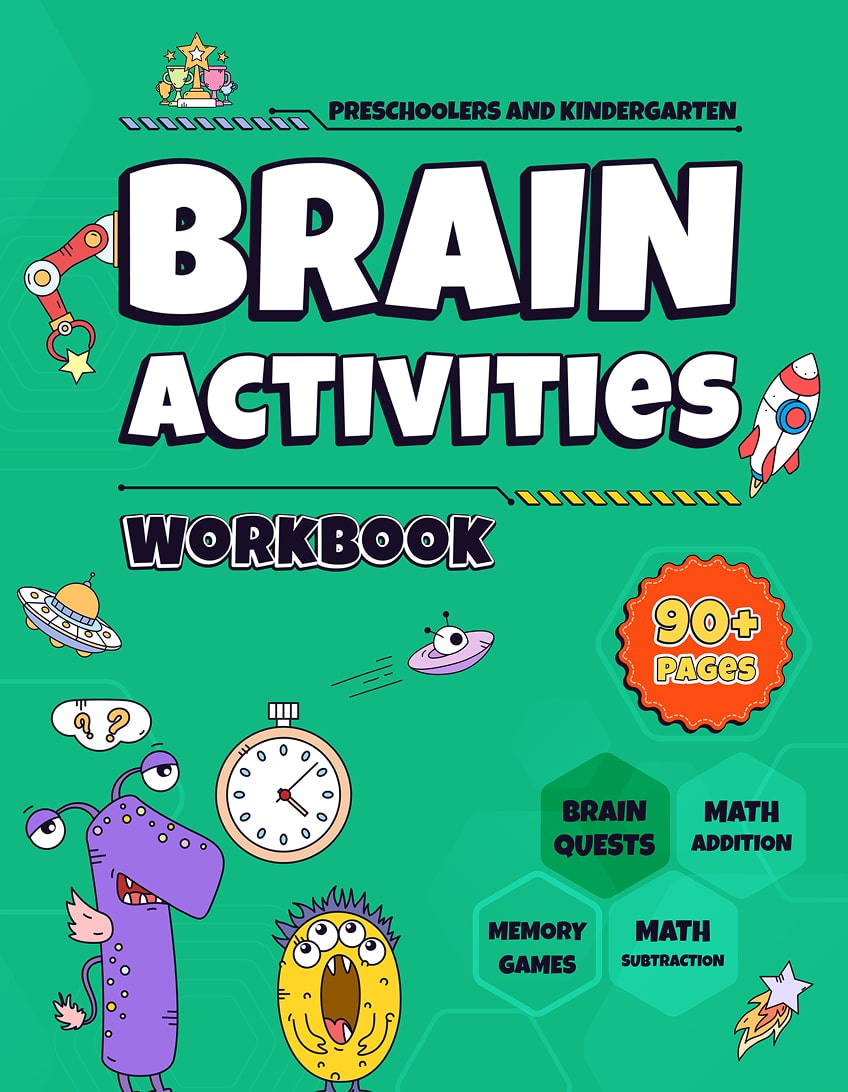
Our kindergarten workbooks are specifically designed to be a gentle, stress-free training ground for following directions. We use clear, simple prompts that build in complexity. Because we advocate for printed workbooks only, your child isn't distracted by animations or voiceovers. They have to actively listen to you read the prompt, hold the direction in their working memory, and execute it on high-quality paper. It’s quiet, meaningful, hands-on learning that perfectly mimics the best parts of the kindergarten classroom.
Consistency is the Key
Remember, building the 'Directions' skill is like building any other muscle, it takes time and repetition. Expect mistakes. Expect them to forget step two. And when the day feels chaotic, keep returning to the basics: eye contact, two steps, asking them to repeat the mission, and practicing on paper.
If you want a super practical add-on for the “I can’t focus right now” moments, try pairing this with 10 Calm-Down Activities Before Tracing and Writing (Ages 4-6). A quick reset first makes directions land more easily.
Concrete next step: Today, pick one routine your child already does (cleanup, getting dressed, or snack time) and practice a true two-step “One-Two” direction for just 2 minutes. Use eye contact first, then ask them to repeat it back. That tiny habit is how kindergarten starts to feel easier.