The summer before kindergarten can feel stressful, and that is so normal. You look at your little one, suddenly bigger and more capable, and your brain starts racing. 'Do they know enough sight words? Can they count to 100? Did we do enough educational apps?' A lot of families get pulled into treating kindergarten readiness like an academic checklist.
But if you ask a kindergarten teacher what they really want to see on the first day, the answer is often surprising. They are not expecting kids to breeze through chapter books. They want to see a child who can open their own snack container, follow a two-step direction, and bounce back from a small disappointment without a full-blown meltdown.
Academic skills can be taught in a classroom. But the foundation for learning-curiosity, resilience, and fine motor strength-is built at home, through play.- Sunny Hedge
In this guide, we are going to reframe kindergarten readiness. We will focus on the everyday life skills that actually predict school success, and we will practice them through natural, screen-free routines and hands-on learning. Put away the digital flashcards, it is time to build the real muscles your child needs.
Chapter 1: The Myth of the Academic Head Start
When we are trying to help our kids, it is easy to confuse memorization with readiness. A child might be able to tap the correct letter on a tablet screen, but that does not mean they have the spatial awareness or fine motor control to write that letter on paper. Kindergarten is a highly physical and social environment. A child who knows their ABCs but cannot sit through a five-minute story or ask a peer for a turn will often struggle more than a child who is still learning letters but has strong social-emotional skills.
As we discussed in our guide to Social-Emotional Learning (SEL), the ability to manage frustration and focus on a task is the 'operating system' that makes academic learning possible. And when that operating system is shaky, even the most “academically ready” worksheet kid can fall apart in class.
Chapter 2: The 3 Real Readiness Skills (and How to Practice Them)
So, if it is not algebra, what should you be practicing? Focus on these three core areas to help your child truly do well in a classroom setting. For a complete, printable list of these milestones, be sure to download our Ultimate School Readiness Checklist.
1. Independence and Self-Care
Teachers have 20+ kids in a room. A child who can manage their own body and belongings has a big advantage. That includes bathroom independence, washing hands, putting on a coat, and, crucially, opening their own lunchbox.
How to practice naturally: Stop doing things for them. If it takes ten extra minutes to get out the door because your child is working on their own shoes, give them those ten minutes. Praise the effort, not just the result. If you want a simple way to build the “I can stay with this” mindset too, check out How to Build a 15-Minute Focus Habit Before Kindergarten.
2. Fine Motor Strength (The Pencil Grip)
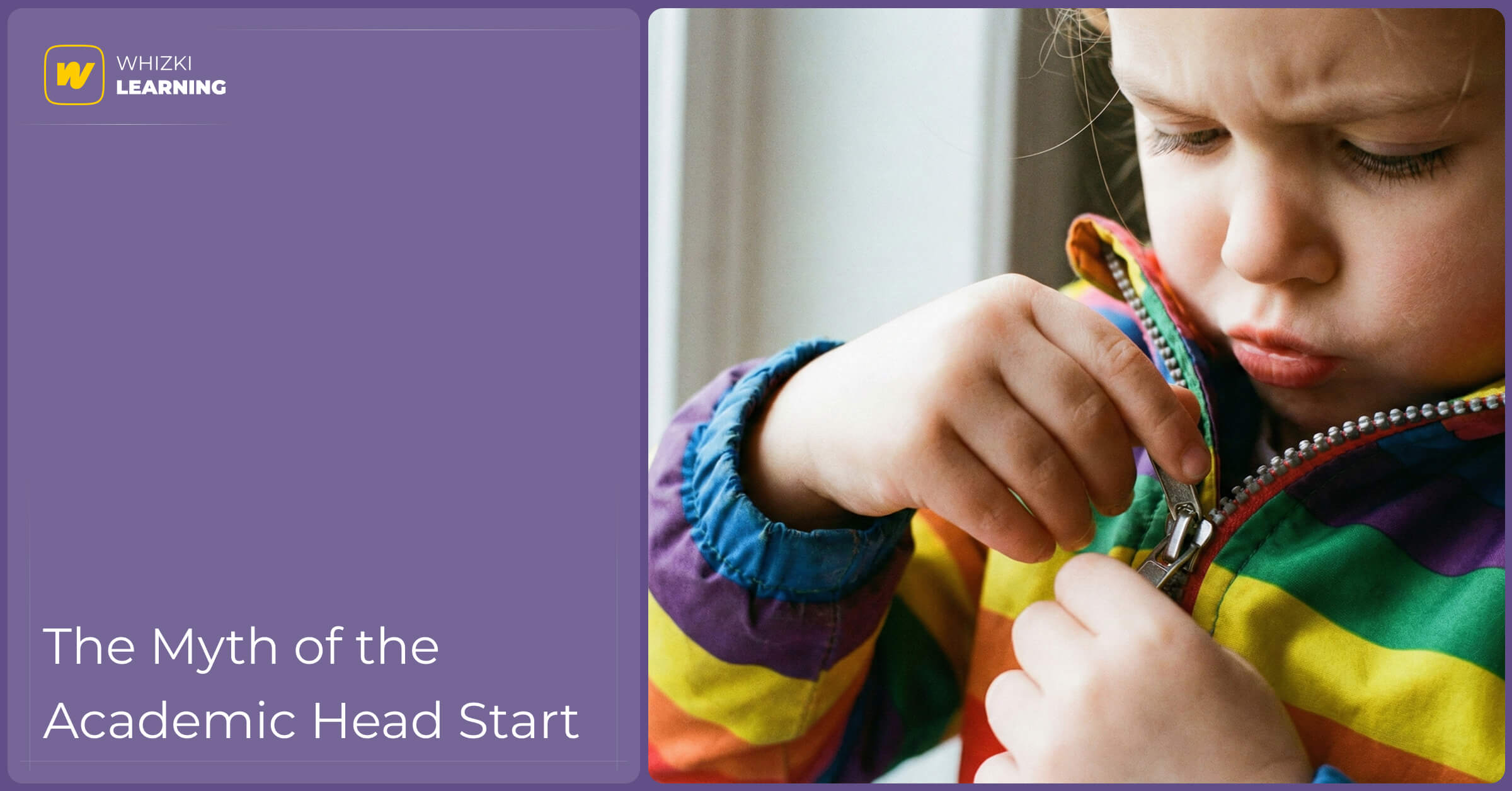
Before a child can write letters, they need the hand strength to hold a pencil, use scissors, and move small objects with control. Swiping on a screen does not build these muscles.
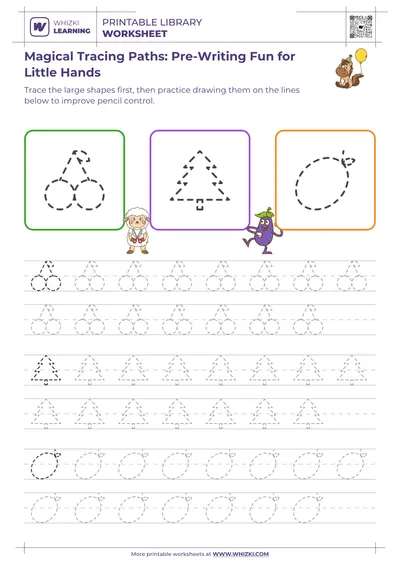
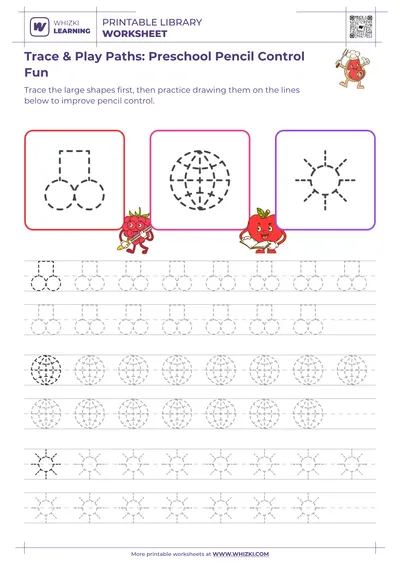
How to practice naturally: Lots of Play-Doh, threading beads, using tweezers to pick up pompoms, and working in high-quality printed workbooks. As outlined in our Hands-On Manifesto, the physical friction of paper and pencil is irreplaceable for building the 'pincer grasp'.
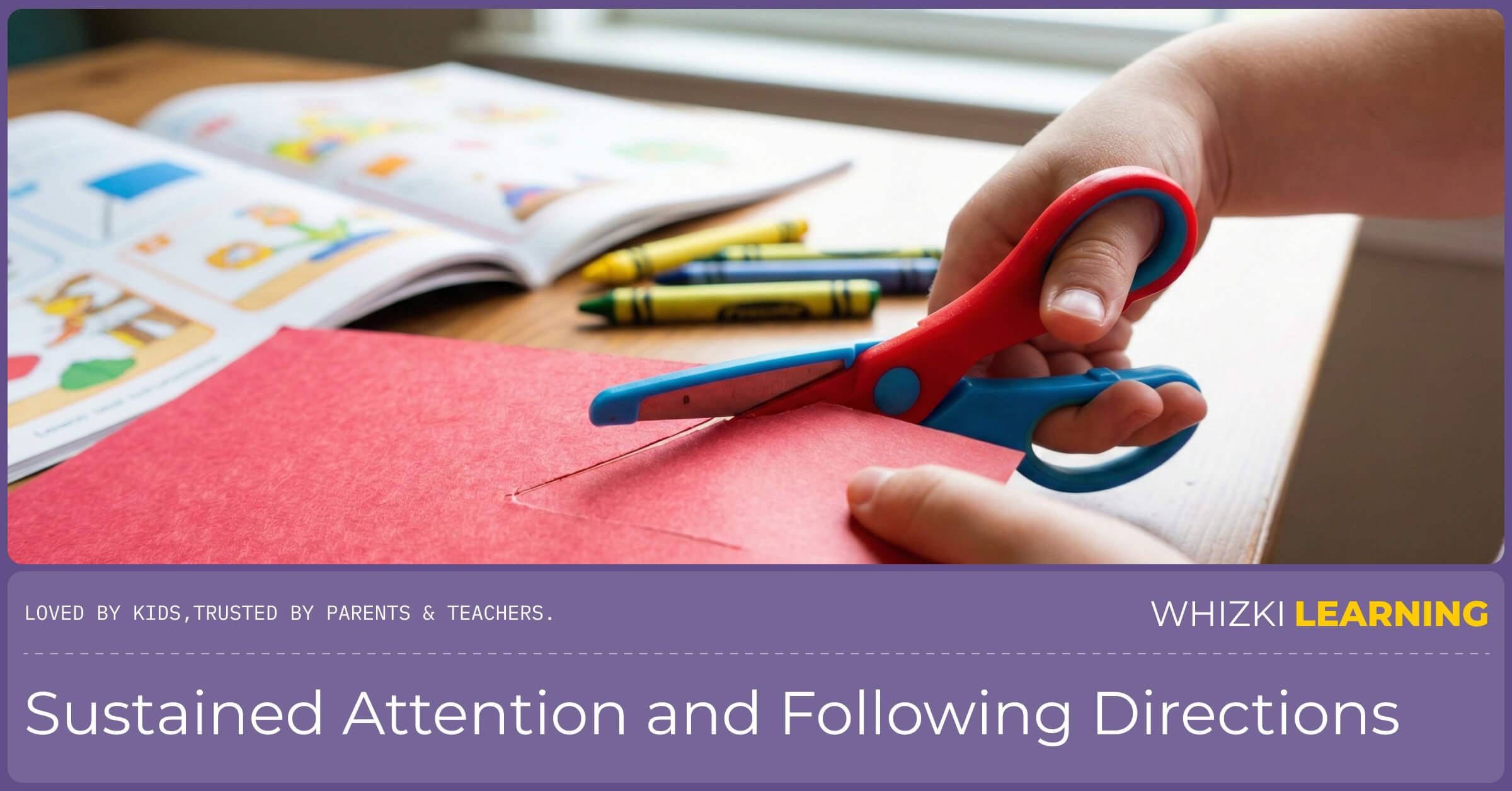
3. Sustained Attention and Following Directions
Kindergarten requires children to listen to a teacher, remember a two-step instruction (for example, "Put your folder in the bin, then sit on the rug"), and stay with a task even when it is not flashing brightly.
How to practice naturally: Play classic games like 'Simon Says' or 'Red Light, Green Light' to practice impulse control. Give them multi-step chores at home. And most importantly, provide opportunities for quiet, focused, analog activities. If your child gets stuck when numbers look “backwards,” you can also build confidence with number sense games, and this guide can help you know when to worry: Number Reversals (Writing 3, 5, 7 Backwards): When to Worry.
Whizki: Your Partner in Kindergarten Prep
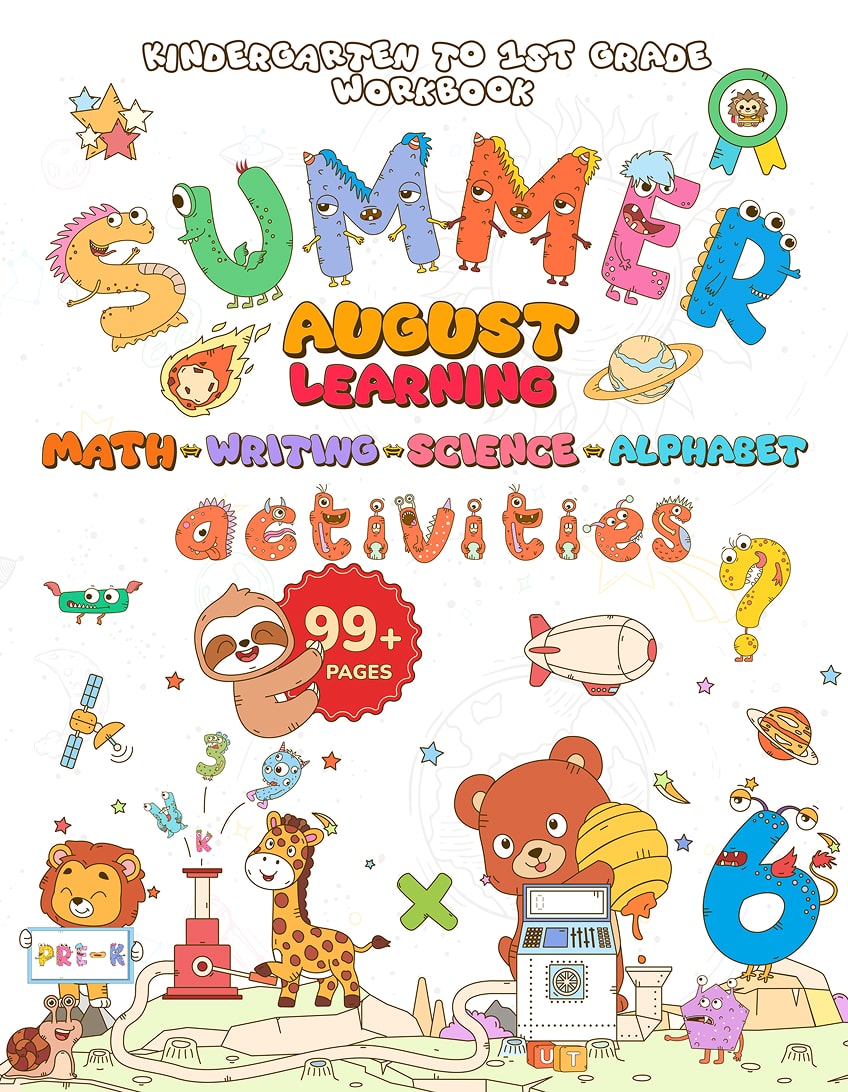
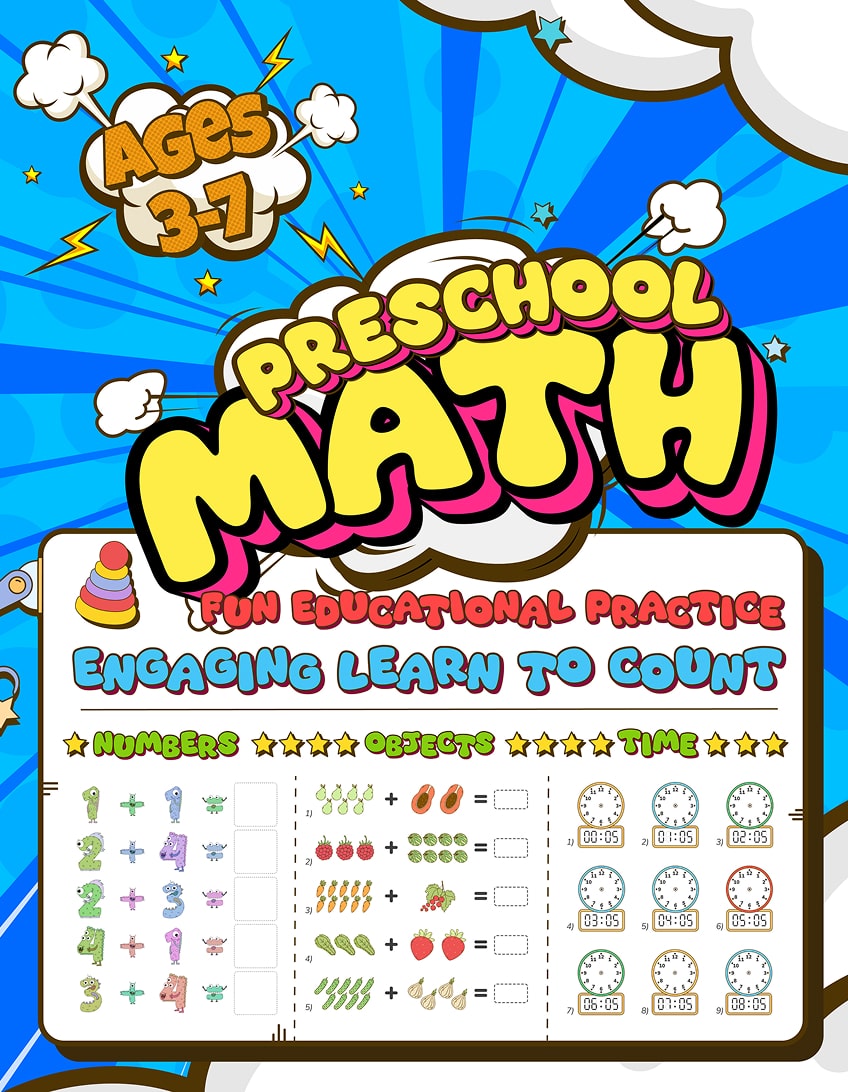
This is exactly why we design kindergarten workbooks. They are not designed to force academics. They are designed to be a screen-free 'focus gym.' When your child sits down with a Whizki workbook, they are practicing fine motor control, they are learning to follow the directions on the page, and they are building the cognitive stamina required to finish a task. Our books provide the perfect bridge between playful exploration and classroom structure, using printed workbooks only to ensure deep, meaningful engagement.
Trust the Process
Preparing for kindergarten should not feel like a bootcamp. It should feel like an exciting transition. When you focus on independence, fine motor skills, and emotional resilience through daily, hands-on habits, you are giving your child a strong foundation. They will learn to read when they are ready. Right now, your job is to make sure they are ready to learn.