
Summer is supposed to feel like freedom. But if you are parenting a preschooler or kindergartener, you already know how fast “freedom” can turn into, “Can I watch a show?” followed by the meltdown when the answer is no. And honestly, that friction is real. When the school routine disappears, it can feel like you are constantly negotiating, redirecting, and putting out little fires all day long.
The secret to a peaceful, screen-free summer is not a strict, minute-by-minute schedule that makes you feel like a drill sergeant. It’s about rhythm. A rhythm creates anchors for the day, predictable moments of connection and activity that help children feel safe and grounded. When a child knows what comes next, the urge to reach for digital escape usually fades.
Structure isn't the enemy of fun; it's the foundation that allows real play to happen.- Sunny Hedge
In this playbook, we’re sharing a tested weekly rhythm that balances meaningful learning with plenty of dirt-under-the-fingernails play. This is your map to a summer of growth, focus, and genuine connection.
Chapter 1: Rhythm Over Schedule
Why do we choose “rhythm”? Because a schedule is about the clock, but a rhythm is about the flow. If your child is deeply engaged in building a fort at 10:00 AM, you do not have to stop them just because the plan says “math time.” Still, having a general sequence, Breakfast, Morning Adventure, Quiet Time, Afternoon Play, helps regulate their nervous system. That predictability is the key to managing transitions without meltdowns.
And if you have ever wondered why kids seem to “need screens” when they are bored, this is a great place to start: Why “Boredom” is the Ultimate Screen-Free Teacher. It explains how boredom is often the beginning of creativity, not the end of it.
The 'Theme-a-Day' Summer Playbook
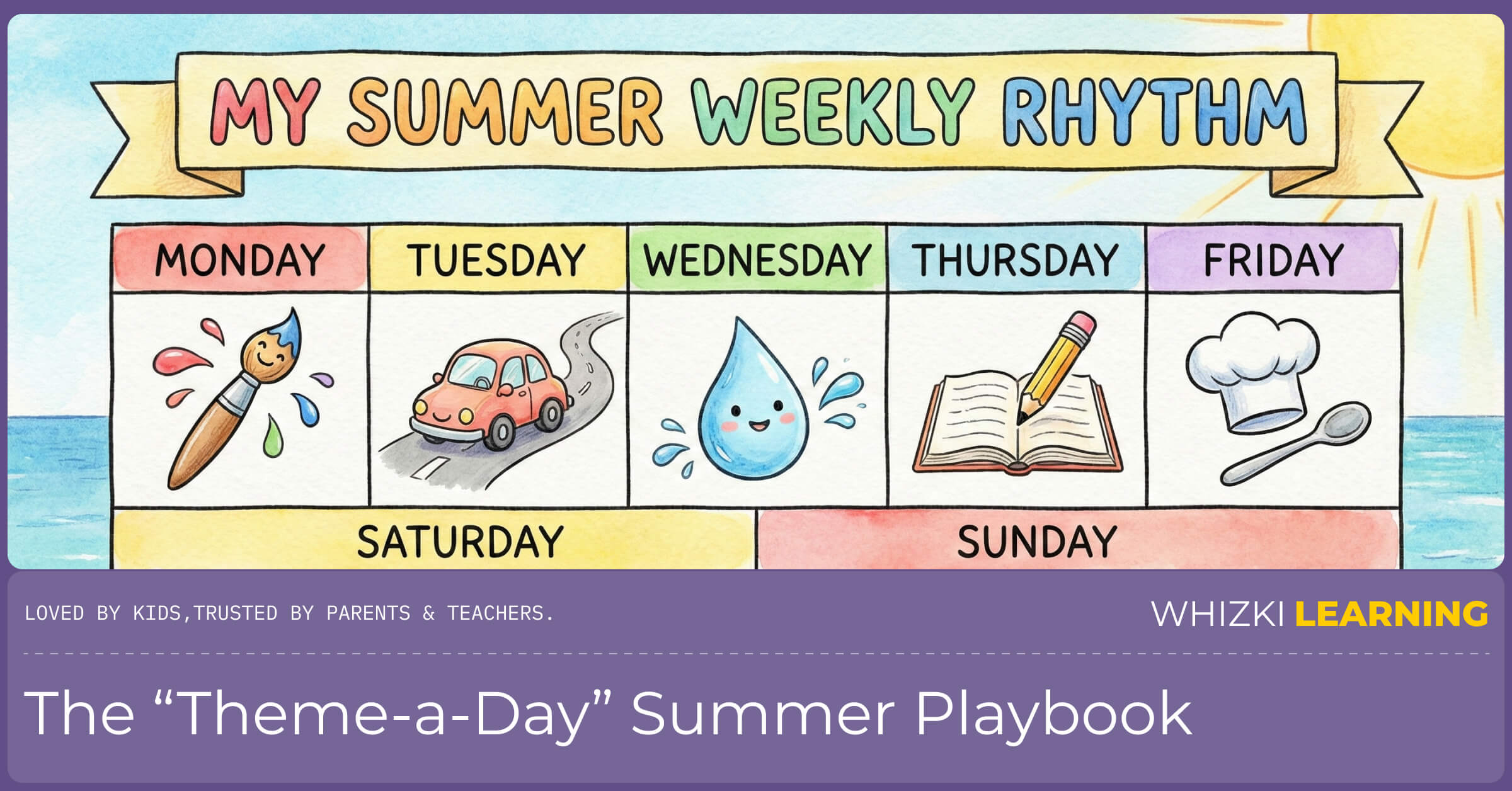
Give each day of the week a simple “flavor” to help inspire screen-free activities without extra planning for parents.
Monday: Make-It Monday (Creativity)
Focus on hands-on learning through art and building. Set out a “boredom invitation” with cardboard boxes, tape, and paint. This is the day for big projects that can last all week.
Tuesday: Trip Tuesday (Exploration)
This is your day to be a neighborhood naturalist. Visit a new park, a library, or just a different block. Use this as a chance for social studies, watching community helpers at work.
Wednesday: Water Wednesday (Sensory)
Whether it’s a pool, a sprinkler, or just a tub of water with measuring cups on the porch, water play is the ultimate sensory reset. It’s also a perfect “natural science lab” for kids.
Thursday: Thoughtful Thursday (Learning)
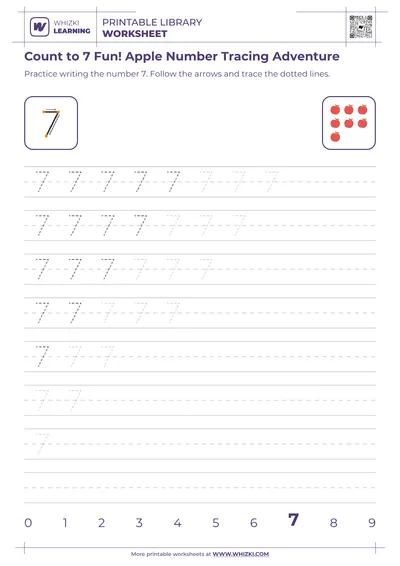
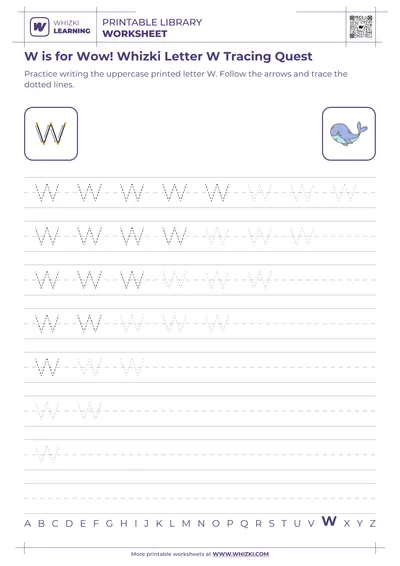
Dedicate a little extra time to your kindergarten workbooks or tracing practice. Make it a “picnic learning” session on a blanket under a tree. This keeps the focus and concentration sharp for the coming fall.
If you want a simple way to build focus without turning it into a power struggle, check out How to Build a 15-Minute Focus Habit Before Kindergarten.
Friday: Foodie Friday (Life Skills)
Involve your child in the kitchen. Making simple summer snacks like fruit kebabs or homemade popsicles is a lesson in math (measuring) and biology (how things freeze).
And while you are at it, you can sneak in number talk naturally. For example, try 10 Number Games to Play in the Kitchen (Ages 3-6) during snack prep.
Chapter 2: The Daily 'Screen-Free' Checklist
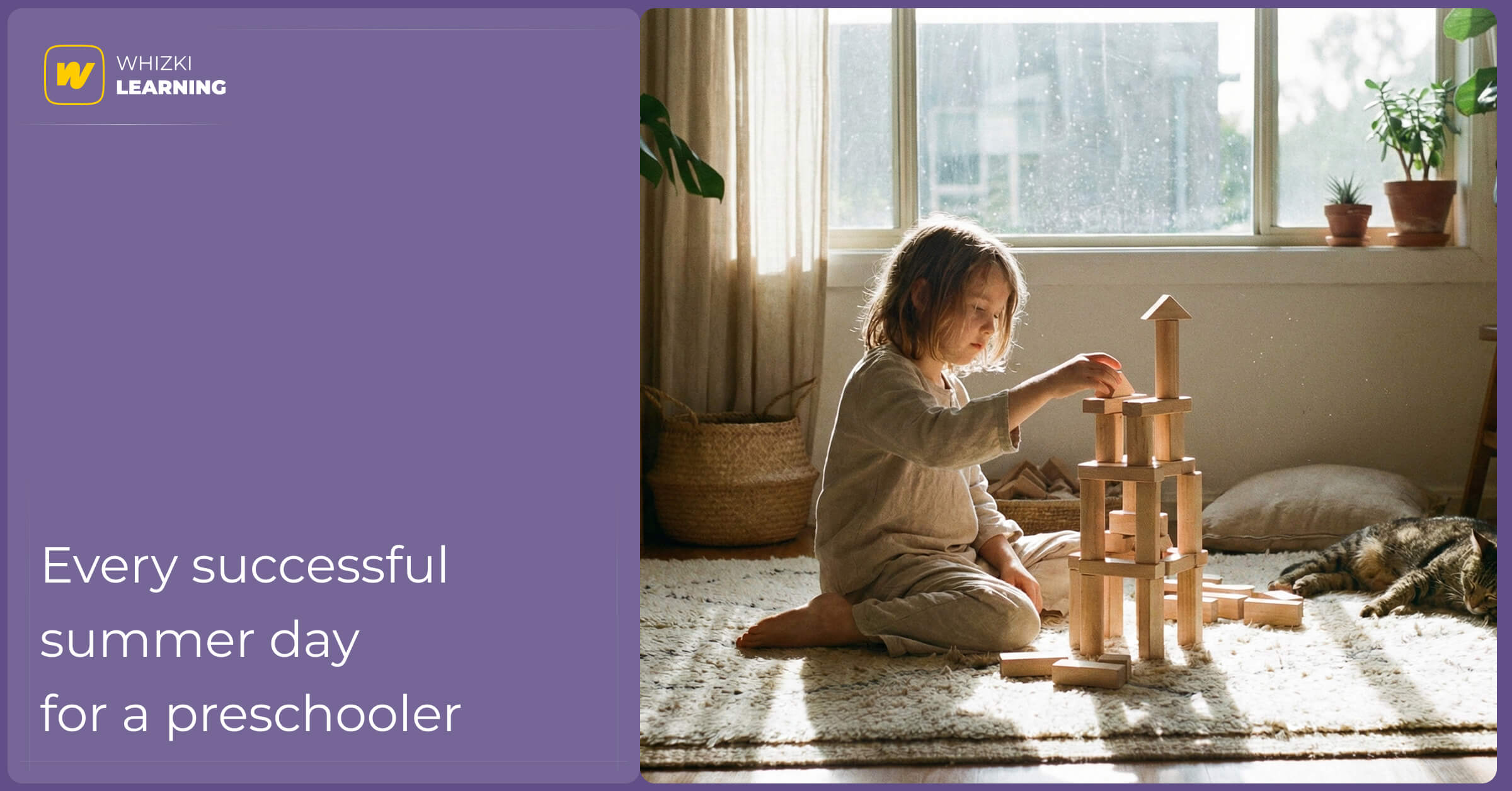
Regardless of the theme, every successful summer day for a preschooler should include these four anchors to help children do well off-screen:
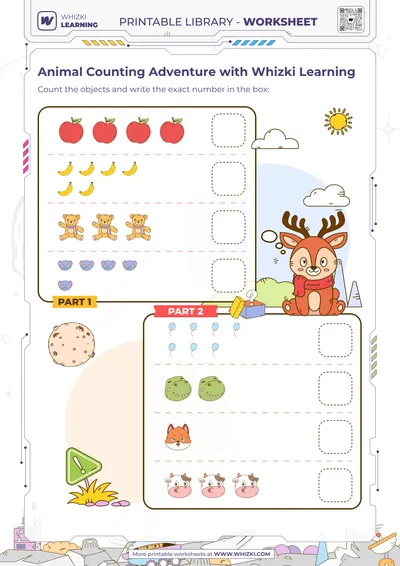
- [ ] Morning Brain-Wake: 15 minutes of focused activity (like a Whizki workbook page) to maintain cognitive stamina.
- [ ] Big Body Movement: At least 60 minutes of active, outdoor play to burn off energy and build physical strength.
- [ ] The 'Quiet Gap': 30-60 minutes of independent, solo play (no screens!) to foster imagination and self-regulation.
- [ ] Connection Point: A dedicated time for a shared activity with a parent, reading, a board game, or just talking during a walk.
Whizki: Your Summer Anchor
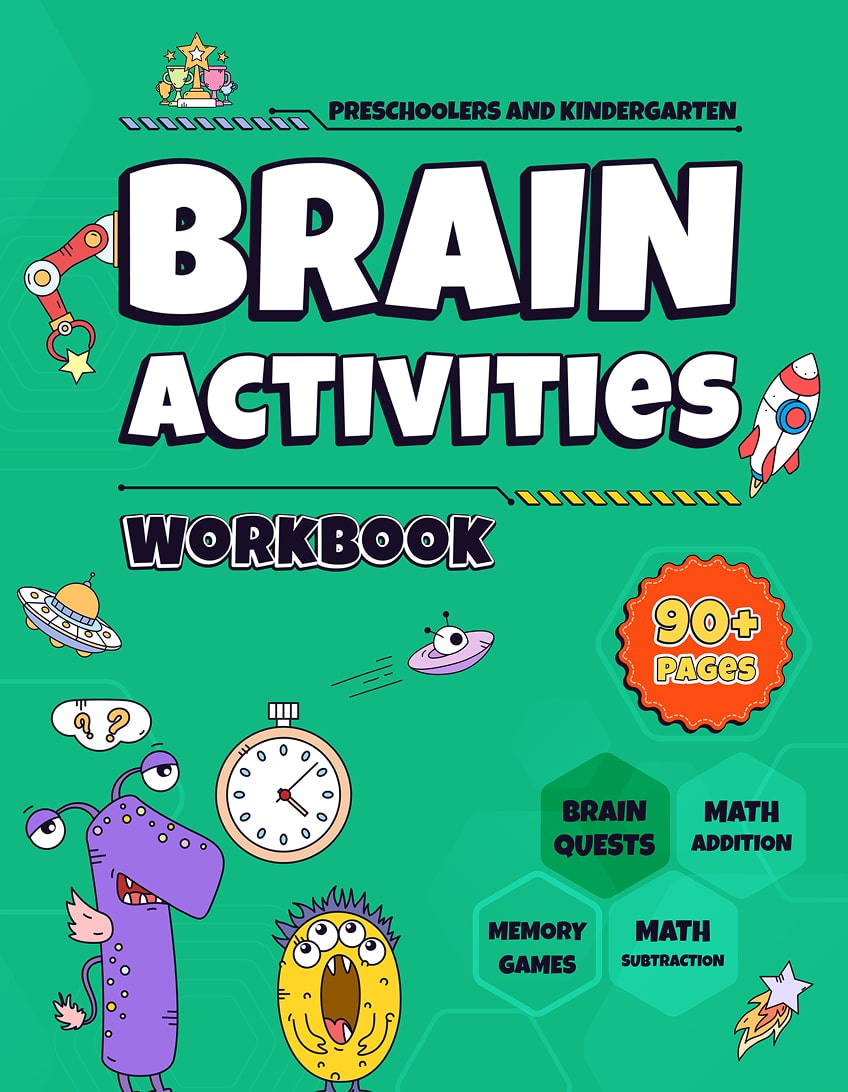
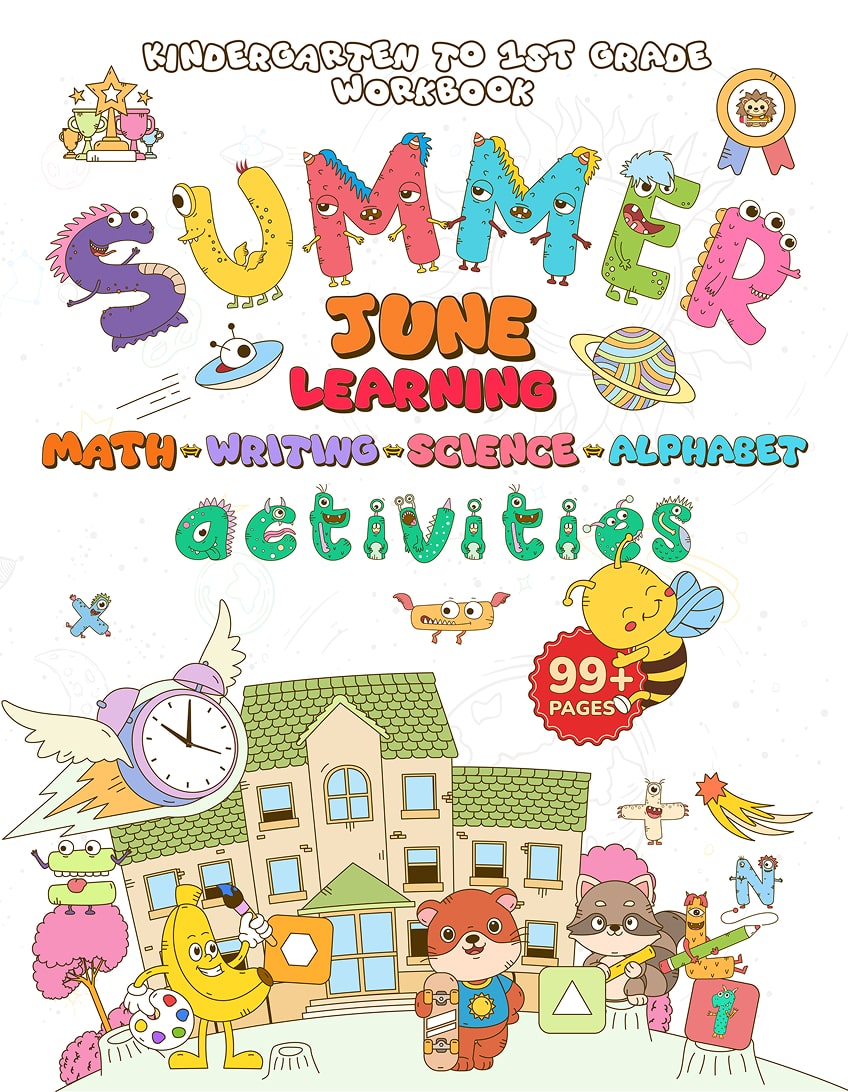
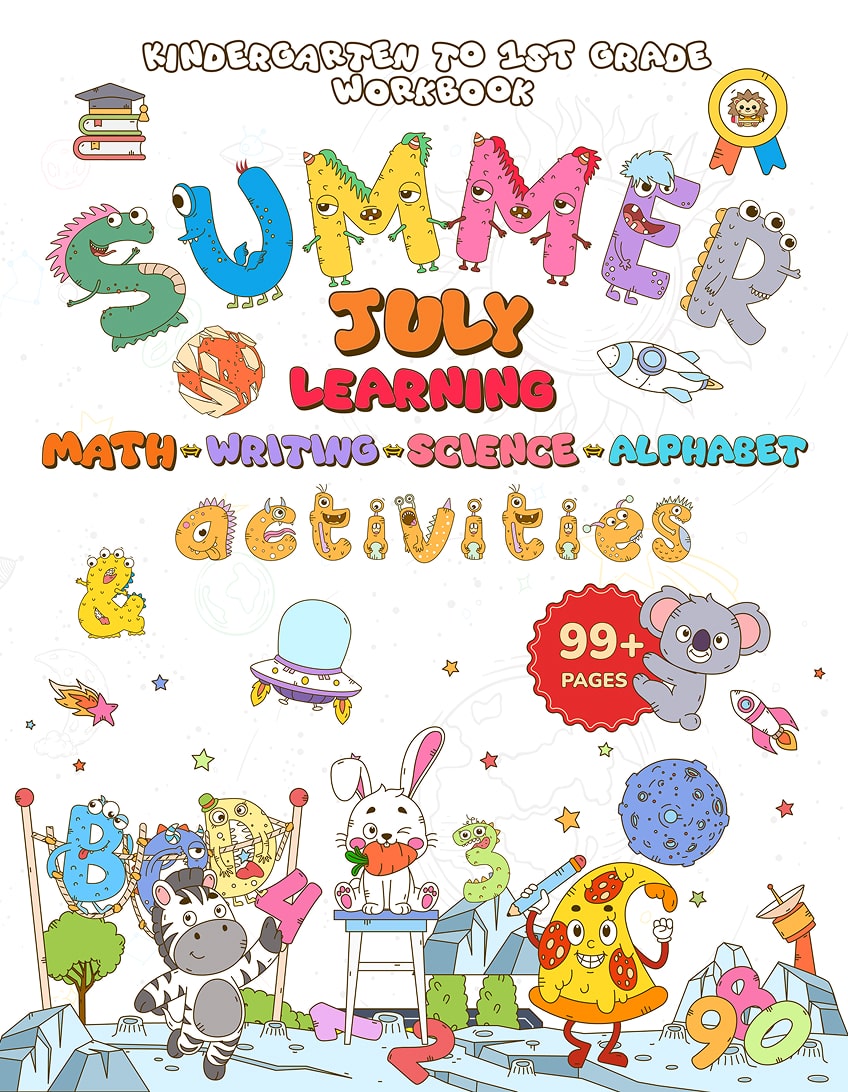
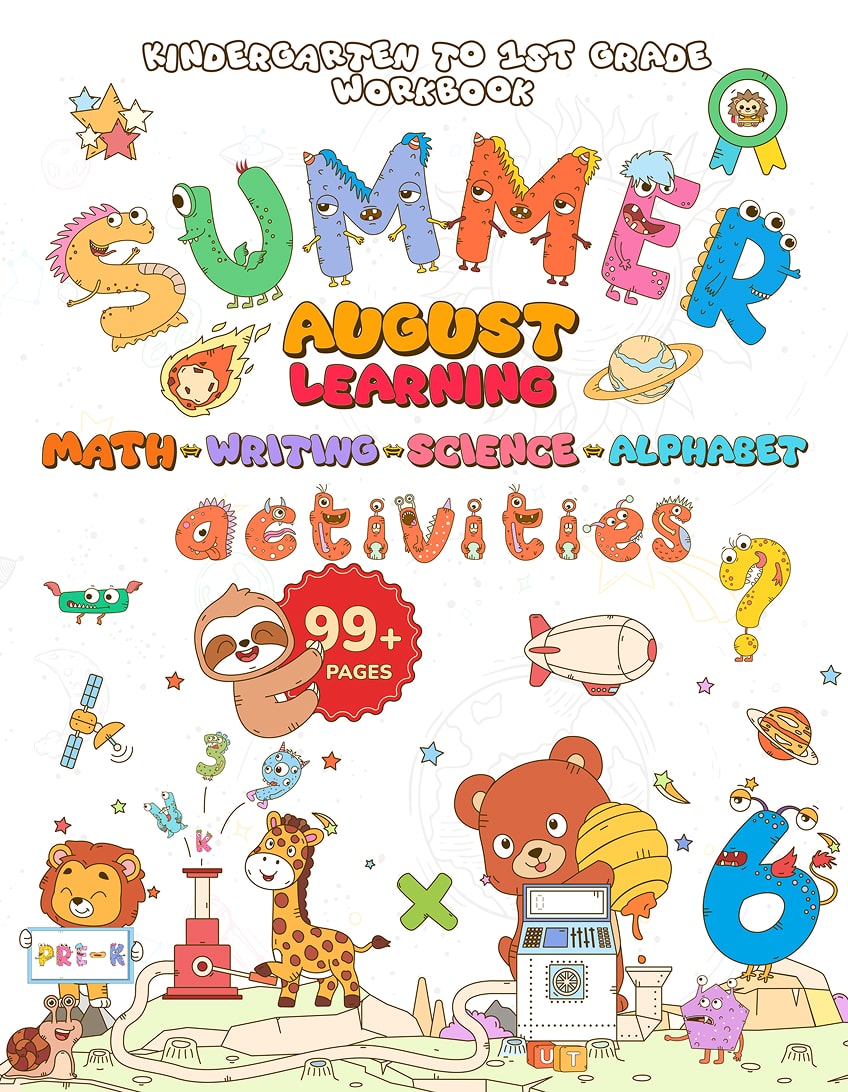
The hardest part of a screen-free summer is the “transition times.” Our Summer Series workbooks are specifically designed to fill those gaps. They provide a high-interest, low-stress “anchor” that you can pull out anytime you need a moment of calm. Because they are printed workbooks only, they do not trigger the dopamine-seeking behavior of a tablet. They simply invite your child back into a world of focus, creativity, and meaningful learning.
Embrace the Rhythm
When you shift from a battle over screens to a celebration of rhythm, you are not just surviving the summer, you are enriching it. These daily and weekly anchors give the safety your child needs to truly explore. So, print the checklist, pick a theme, and get ready for a summer of real, tangible memories.
Next step: Choose just one day this week to start. Set up the four anchors, then keep the “Quiet Gap” simple and screen-free. If it goes messy at first, that is normal. Rhythm is built through repetition, not perfection.