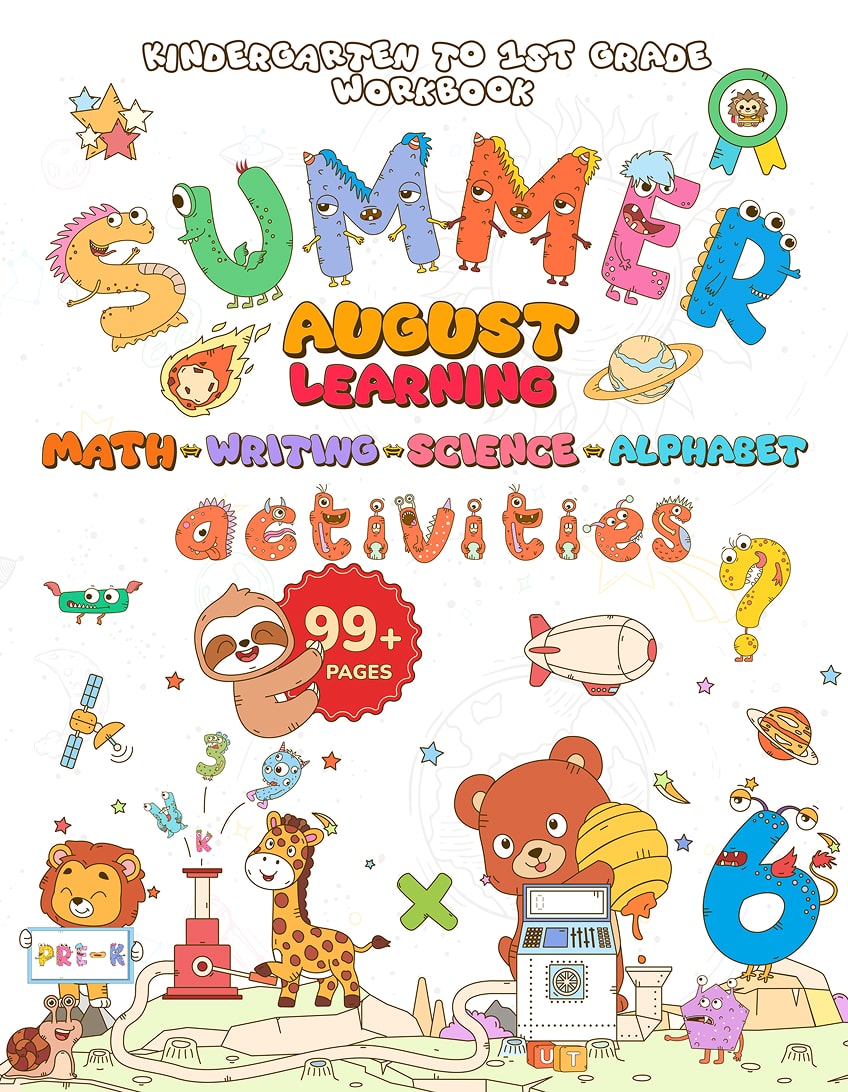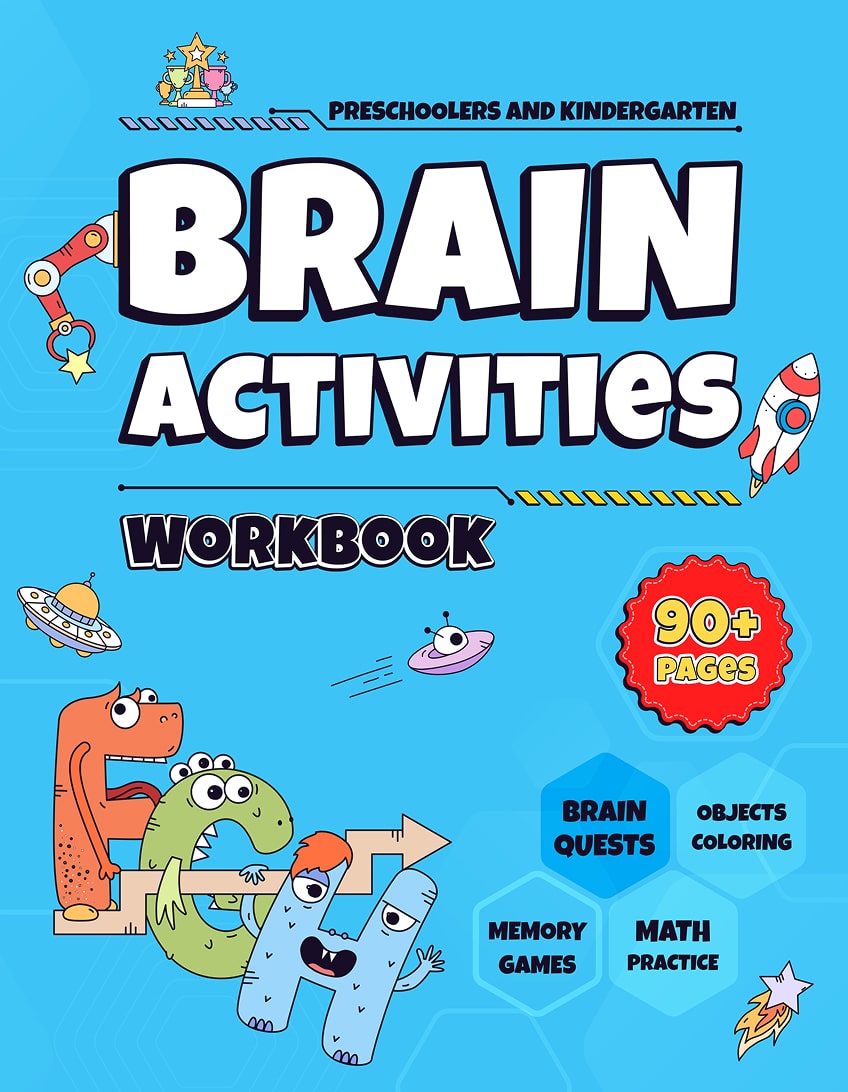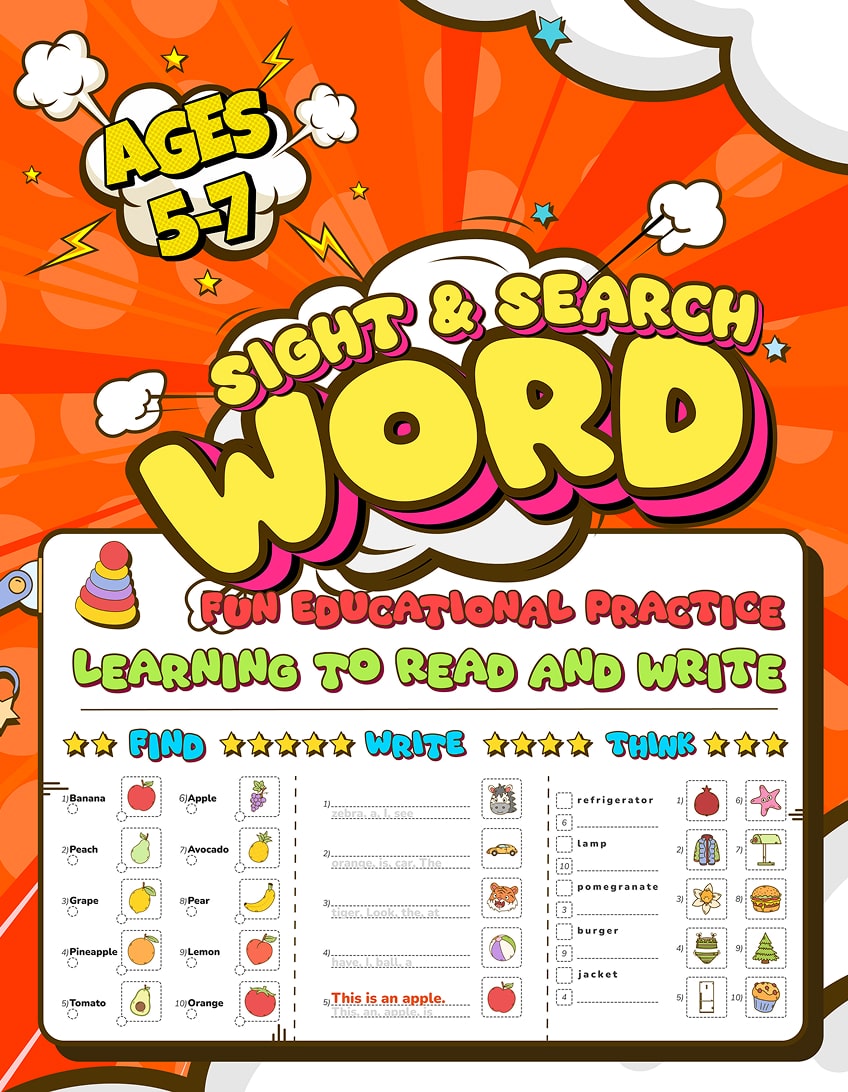

It’s every parent’s secret dread. You spent the whole school year cheering on every new letter mastered and every number counted. Then July hits, and suddenly the child who could write their name in June is staring at a pencil like it’s a foreign object. That feels personal, and it’s frustrating, especially when you’re trying your best. But the good news is that this is a predictable biological process, not proof that you did something wrong.
Here’s the surprise, though. Preventing the slide isn’t about doing more work. It’s about doing the right kind of work. In this guide, we’re going to look under the hood of the developing brain to see why the slide happens and why the traditional solution-piles of boring, black-and-white worksheets often do more harm than good.
The goal of summer learning shouldn't be to get ahead; it should be to keep the 'learning muscle' from atrophying while the soul enjoys the sun.- Sunny Hedge
Chapter 1: The Neuroscience of the 'Slide'
The human brain is an efficiency machine. It runs on a strict 'use it or lose it' policy, a process known as synaptic pruning. During the school year, a child’s brain builds a dense network of connections related to focus, fine motor control, and logic. When summer hits and those specific 'circuits' stop getting used, the brain starts pruning them away to save energy for other things, like mastering the art of the backyard water fight.
The 'Slide' isn’t just about forgetting that 2+2=4. It’s about losing cognitive stamina. When a child stops engaging in structured, focused tasks, they lose practice at sitting still and concentrating. This is why we share in our Hands-On Manifesto that keeping a tactile connection to learning matters for long-term development.

Chapter 2: The 'Worksheet Trap' vs. Meaningful Learning
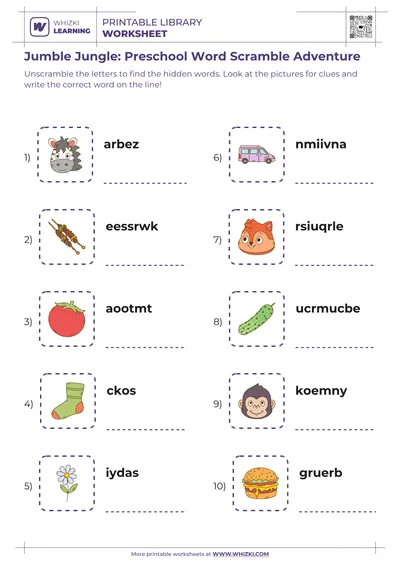
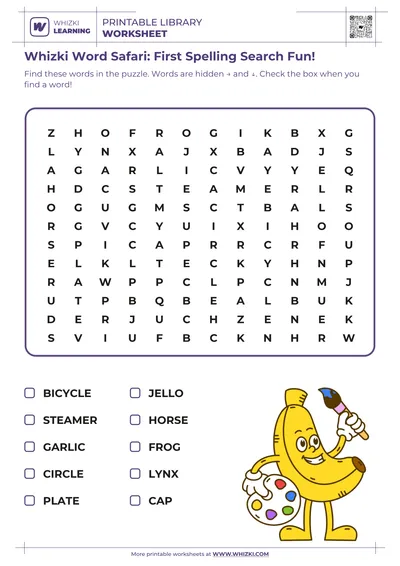
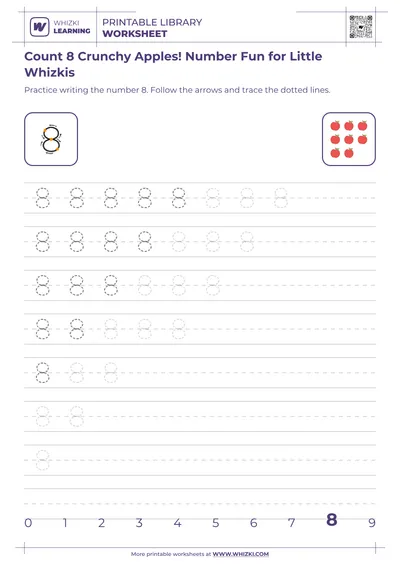
When parents panic about the Summer Slide, the common reaction is to grab a massive book of repetitive math problems or letter-tracing sheets. But for a preschooler or kindergartener, this often turns into The Great Summer Power Struggle. You offer the worksheet, the pencil feels “wrong,” and suddenly everyone is negotiating, bargaining, and trying to avoid tears.
Traditional worksheets tend to fall flat for three reasons:
1. Passive Engagement: If a child is just tracing without thinking, the brain isn’t building the deeper connections you’re hoping for.
2. High Resistance: 'Busy work' feels like a chore, and that stress response can shut learning down fast.
3. Zero Connection: They’re often done alone, which removes the social-emotional part of learning that kids crave.
Instead, we need meaningful learning. That means activities that require critical thinking and problem-solving. When a child solves a maze or a logic puzzle, they aren’t just 'working.' They’re playing, testing ideas, and learning how to handle mistakes, which is a core part of our approach to nurturing a growth mindset.
And if you’re also thinking, “Okay, but how do I get my child to focus without turning it into a battle?” start with small, realistic practice. We’ve got a guide for that too, in How to Build a 15-Minute Focus Habit Before Kindergarten.
Chapter 3: Connection: The Secret to Retention
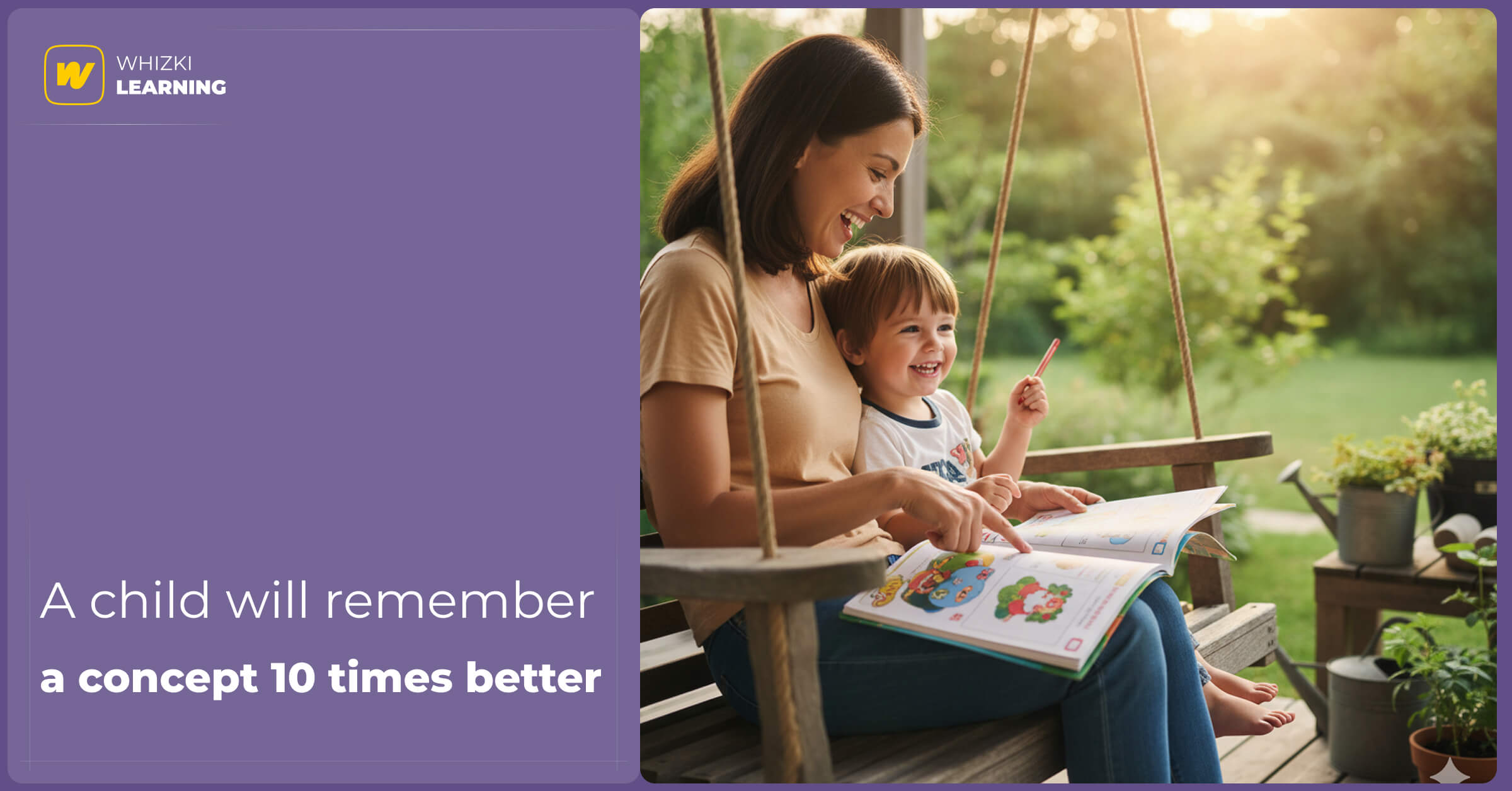
The most important discovery scientists keep pointing back to in early childhood education is that learning is social. A child remembers a concept much more reliably when it’s shared in a moment of joy, right there with a caring adult.
This is where printed workbooks only can become a superpower. You can’t 'snuggle' over a tablet, and the blue light and screen create a barrier between the child and the moment. But you can sit side-by-side on the porch with a physical book. You can point at the same page, laugh at a funny character, and celebrate a 'hard' problem solved together. That emotional connection is what helps learning stick through the summer heat.
Why Whizki is Different
We don't make worksheets; we make learning adventures. At Whizki, we prioritize hands-on learning that respects your child's summer. Our workbooks use high-quality paper and engaging, logic-based activities that feel like play. By focusing on connection and 'brain-building' rather than just 'filling pages,' we help you stop the Summer Slide without ever losing the summer fun.
Focus on the Muscle, Not the Grade
As you move through these summer months, remember: it’s not about how much your child completes. It’s about the fact that they picked up a pencil, stayed with it for a few minutes, and engaged their mind. If you keep the learning muscle warm, the rest will take care of itself in September.
And if you’re tempted to replace “practice” with constant activities, pause for a second. Boredom has a job to do, too. When you let kids have room to think, they build the kind of attention that worksheets can’t force. If you want a helpful perspective, see Why "Boredom" is the Ultimate Screen-Free Teacher.
Concrete next step for today: Pick one 10 to 15 minute moment this week, sit next to your child, and do one short, hands-on learning activity together. Keep it light, celebrate effort, and stop while it still feels doable. That’s how you protect the brain’s “use it” habit without turning summer into a homework season.