Summer is finally here. The days are long, the ice cream is cold, and the pressure to “just let them be kids” is high. And honestly, that pressure is real. Still, in the back of every parent’s mind, there’s that nagging worry: Summer Learning Loss. Educators call it the “Summer Slide,” the thing where children lose academic ground during the long break.
For preschoolers and kindergarteners, this “slide” is not just about forgetting facts. It’s about losing the focus stamina and fine motor control they worked so hard to build during the school year. Here’s the good news, though, and it’s practical: you don’t need a desk, a chalkboard, or a daily battle. You just need 15 minutes and a simple, joyful rhythm that fits your real life.
Learning is not a place you go; it is a way of seeing the world. Summer is the best time to prove that to our children.- Sunny Hedge
In this guide, we’ll walk through a sustainable, science-backed 15-minute routine that protects your child’s progress while keeping the “vacation” in summer vacation. We’re moving beyond the screen and back to the tactile, intentional learning that actually sticks.
The Science of the “15-Minute Micro-Burst”
Why only 15 minutes? Because for a 3-to-6-year-old, intensity matters more than duration. Neuroplasticity, the brain’s ability to form new connections, is especially active when a child is fully engaged and emotionally regulated. In a long, forced study session, frustration builds and learning shuts down. But in a 15-minute “micro-burst” of focused play, the brain stays in the “Goldilocks Zone” of optimal learning.
When you choose screen-free activities for kids, you’re making sure the brain isn’t just reacting to bright lights and sounds, it is actively creating. This short, daily commitment builds meaningful learning habits that make the return to school in the fall feel smoother. It’s a core principle we share in our Hands-On Manifesto, especially when summer gets busy and screens start creeping back in.
How to Build Your 15-Minute Summer Routine
A step-by-step guide to implementing a daily, sustainable learning rhythm that stops the summer slide through tactile, focused play.
Step 1: The “Morning Brain-Wake” (5 Minutes)
Start when the day is fresh. Before the heat of the day and before the “I’m bored” whines begin. Spend five minutes on language and conversation. This isn’t about spelling drills. It’s about vocabulary and phonics. Play a quick game of “I Spy” with letter sounds, or tell a collaborative story while eating breakfast. This builds the foundational skills needed for kindergarten readiness.
Step 2: The “Tactile Task” (5 Minutes)
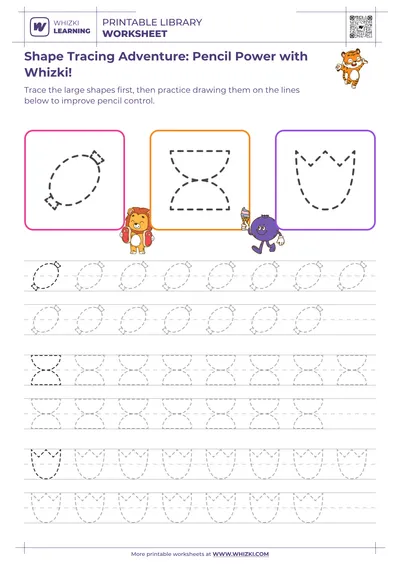
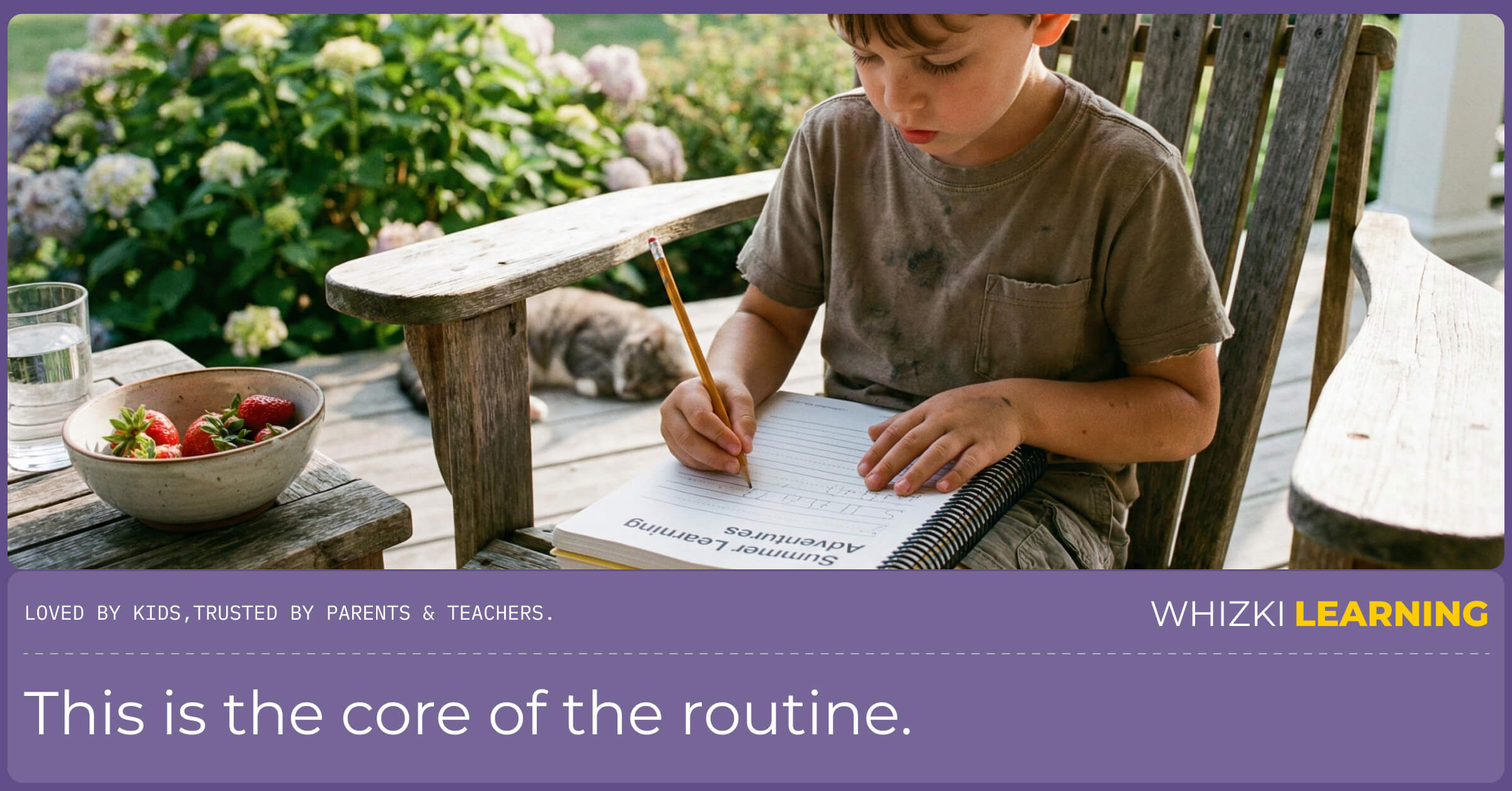
This is the core of the routine. Focus on fine motor skills and hand-eye coordination. This is the perfect time for a single page in a printed workbook. Whether it’s tracing a path through a forest or solving a simple logic puzzle, the physical act of holding a pencil and navigating paper helps maintain the focus and concentration kids will need for school.
And if you’ve ever noticed that “focus” disappears the moment a screen turns on, you’re not alone. Check out our guide to reclaiming focus for why this tactile friction matters so much.
Step 3: The “Number Hunt” (5 Minutes)
End with a splash of math, but keep it playful. Don’t make it look like math class. Count the steps to the park, look for numbers on license plates, or sort seashells by size and shape. You’re teaching your child to see the math in the world around them, which is the hallmark of a true neighborhood naturalist.
If you want more quick number ideas that fit right into everyday moments, you’ll love 10 Number Games to Play in the Kitchen (Ages 3-6).
Why Summer Workbooks Are Your “Ready-Made Path”
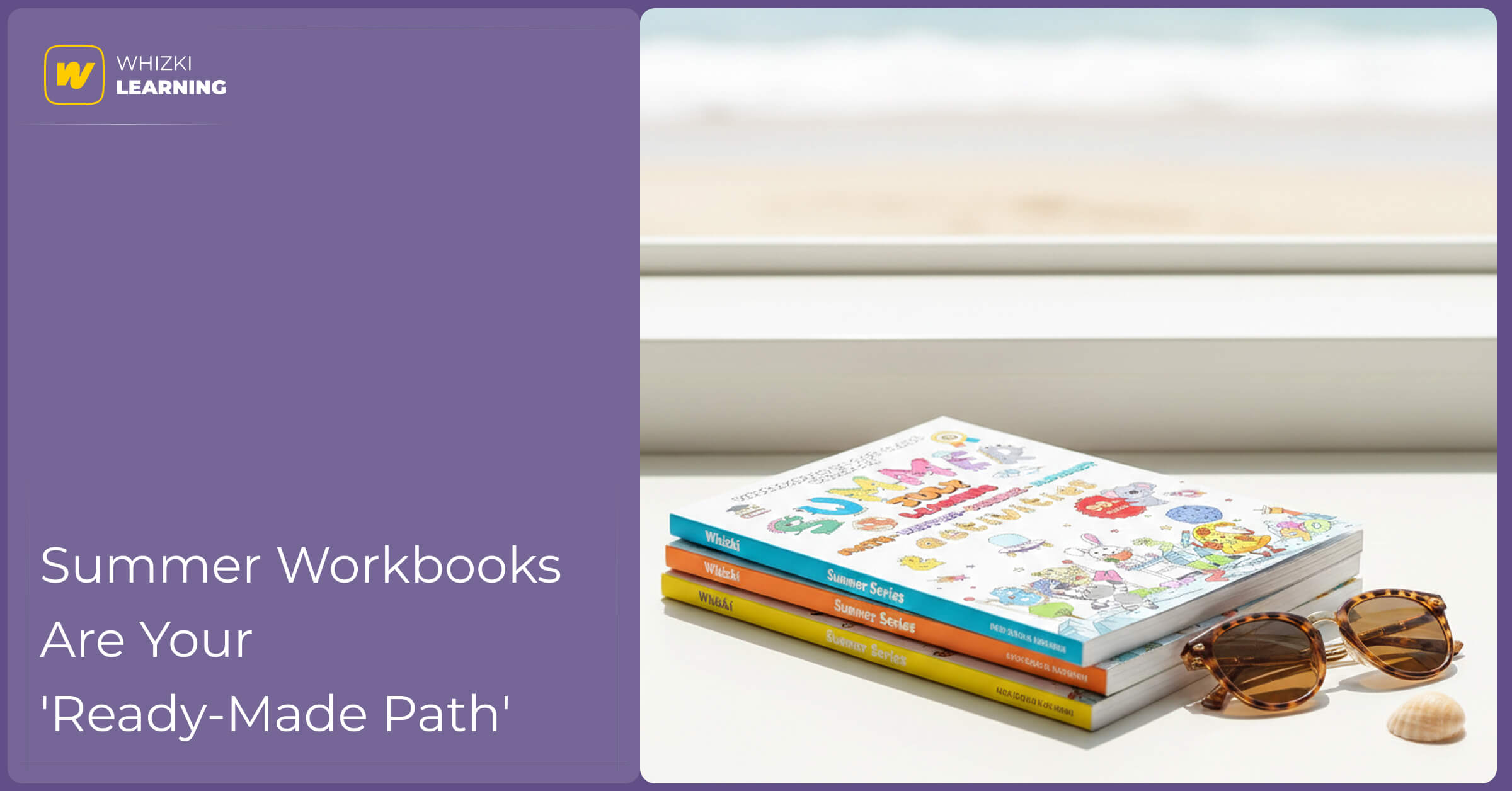
The biggest barrier to a summer routine is parental exhaustion. You don’t want to spend your morning scrolling through Pinterest for “educational crafts” that take an hour to set up and end with a mess. This is where our Summer Series workbooks come in. They’re designed to be the “ready-made path” for your 15-minute routine.
Each page is a self-contained mission. You don’t have to plan, you just have to open the book. Because they are printed workbooks only, you aren’t fighting the “just one more video” battle that shows up with tablets. You’re offering a quiet, focused moment of connection. And when your child finishes a page, that “trophy” feeling of accomplishment boosts confidence for the year ahead.
One more parent tip, especially for ages 3-7: if your child starts writing numbers backwards, it can be normal at first. When it’s worth paying closer attention, see Number Reversals (Writing 3, 5, 7 Backwards): When to Worry.
Reclaim the Summer
Preventing summer learning loss isn’t about taking away the fun. It’s about adding a small, consistent heartbeat of intentionality to your days. By dedicating just 15 minutes to a screen-free, hands-on rhythm, you are giving your child a real advantage for the fall. You are showing your child that learning isn’t a chore, it’s just part of how your family plays.
Concrete next step: Pick one time today, right after breakfast or right before lunch, and set a timer for 15 minutes. Do Step 1 and Step 2 first, then add Step 3 tomorrow. Consistency beats perfection, and a calm start helps the routine stick.