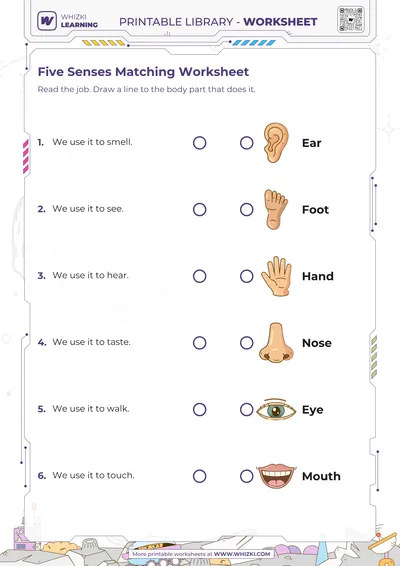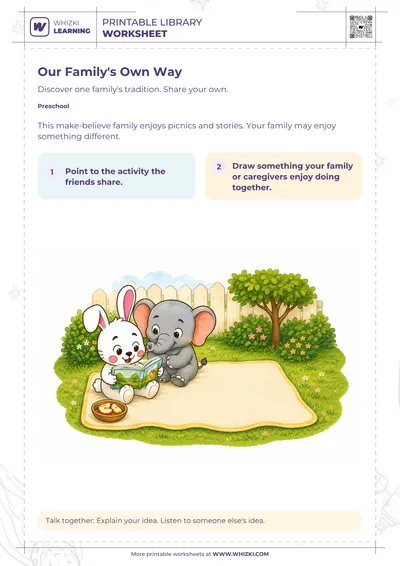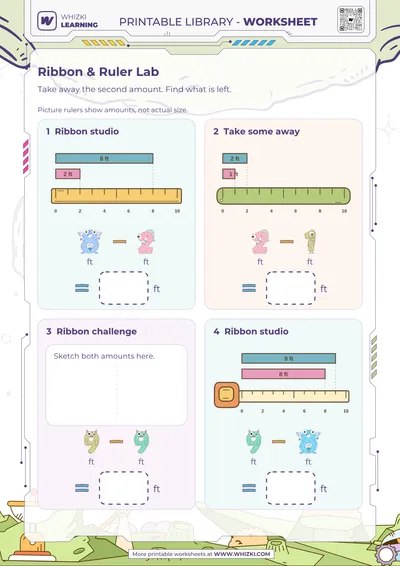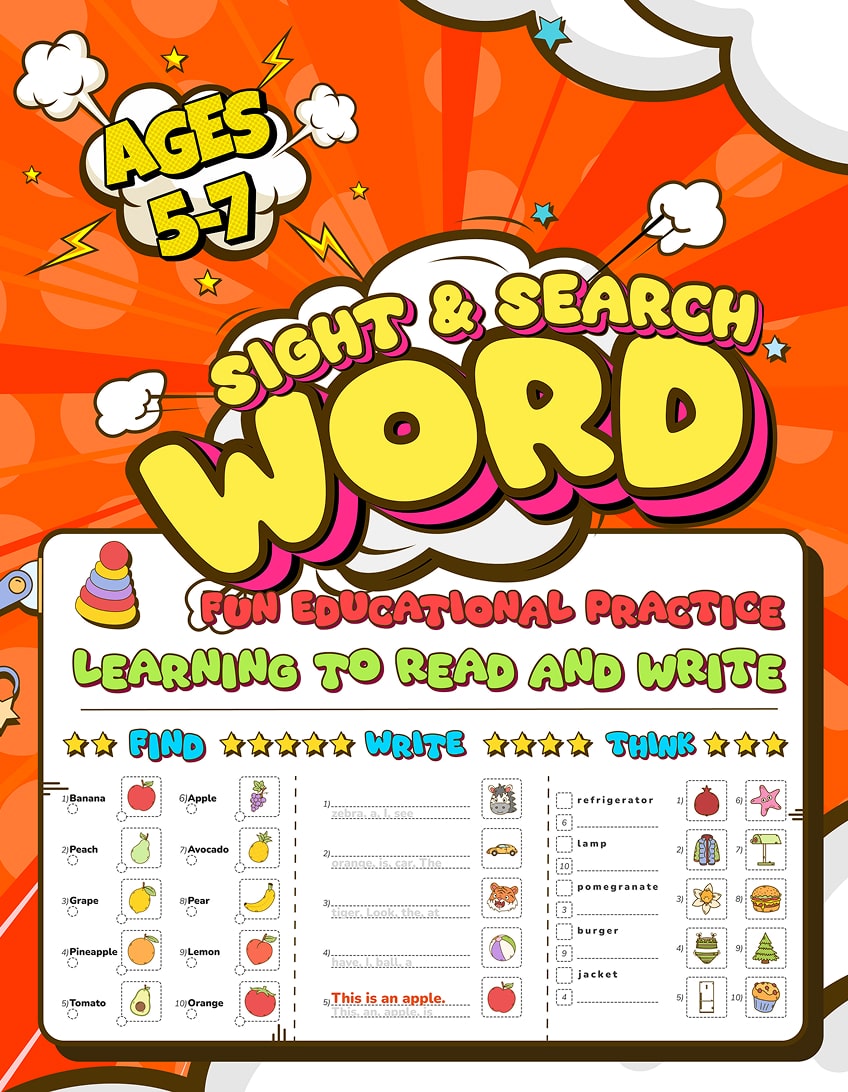
If your child begs for the tablet while a half-finished workbook sits on the table, choose one tiny paper task first, then save any app for a clear job like hearing a sound or practicing a tricky match. The workbook-or-app decision feels loaded because parents are trying to protect attention, build real skills, and still get dinner made. The best next step is a ten-minute plan, paper first for hands and memory, app second only when the app adds something paper cannot.
Reviewed by Whizki Editorial Team, Early Childhood Education Editors.
What handwriting still does better
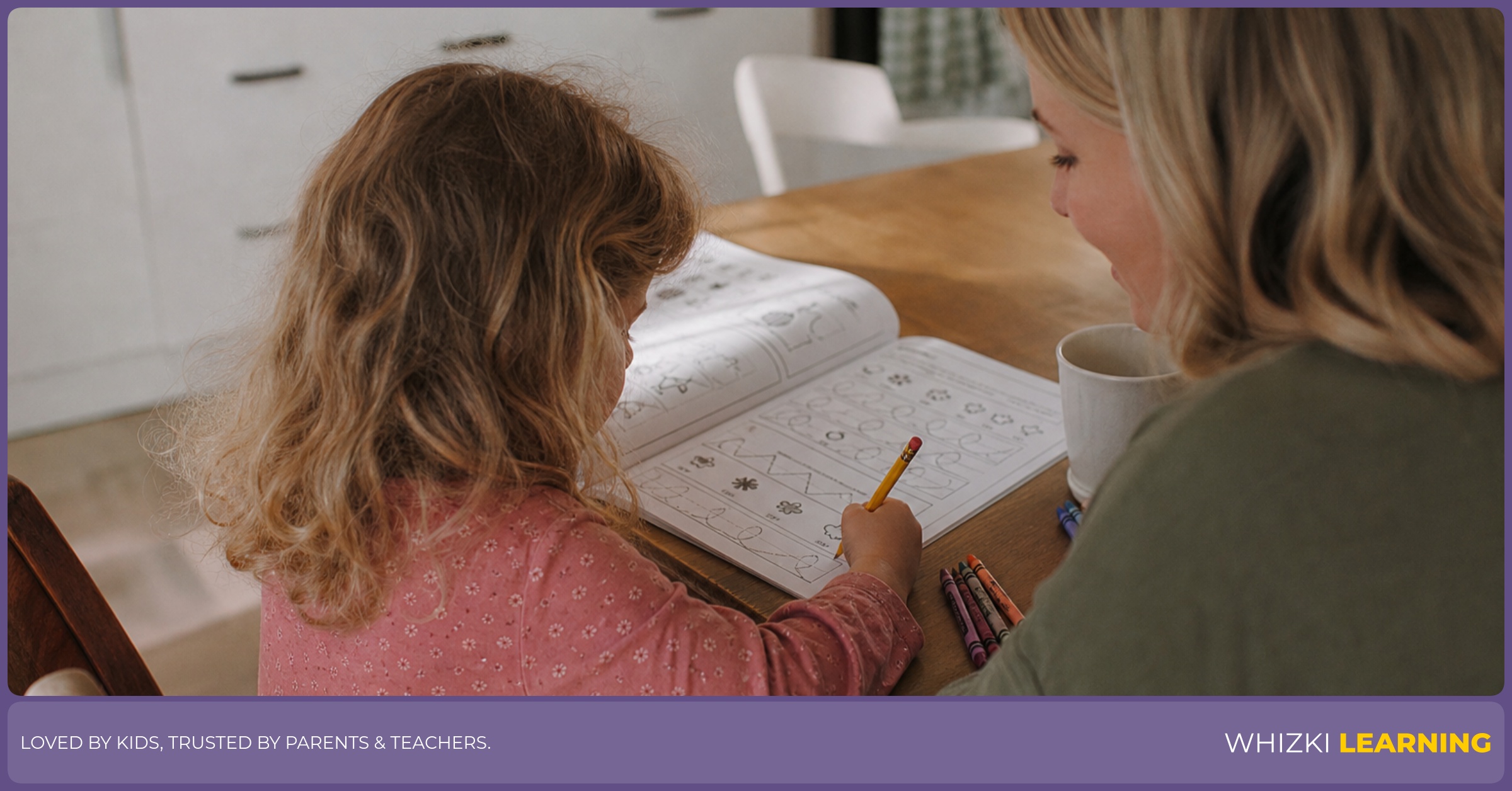
The 2026 research picture still gives handwriting a strong place in early learning because the hand, eye, and voice work together during pencil practice. When a child forms a letter, traces a path, or circles a matching picture, the child is building a motor memory alongside the visual memory. A worksheet is not magic, but a well-chosen worksheet gives the brain more than a tap.
The Orton-Gillingham approach has used multisensory practice for years because young children learn letter-sound patterns best when sight, sound, movement, and speech connect. A child who says /m/ while writing m in sand, on paper, or with a finger in the air is getting more hooks for recall than a child who only presses a glowing answer. The same idea shows up in strong kindergarten rooms where children trace, build, sort, say, and write before speed matters.
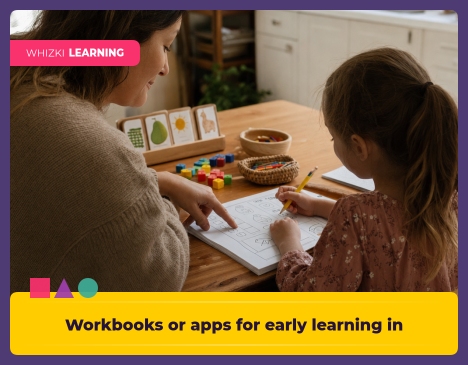
NAEYC developmentally appropriate practice guidance also reminds adults to match learning tools to a child's age, attention, and need for active play. For ages 3 to 7, the physical page lets an adult notice pencil grip, posture, frustration, guessing, and delight. For a fuller walk-through of the hands-on learning science, the older science guide gives more background than a quick parent decision needs.
Where learning apps cost attention
A learning app can look quiet from across the room, but game rewards can pull attention away from the actual skill. Stars, countdowns, surprise sounds, and moving prizes may keep a child tapping longer than planned. Longer tapping is not the same as stronger learning, especially when the goal is slow letter formation, careful counting, or listening for the first sound in a word.
In my own classroom work, gamified practice often helped a child repeat a task, then made stopping harder when the app added one more badge or round. A child may remember the character, the noise, or the race more clearly than the letter sound. Montessori and Reggio observation habits are useful here because the adult watches what the child actually attends to, not what the screen reports as completed.
NAEYC guidance on technology in early childhood does not say all screens are bad. The guidance asks adults to choose media with intention, stay nearby, and keep hands-on play at the center. The practical test is simple: if the reward system is louder than the skill, the app is taking too much of the lesson.
For families who want one calm paper option, our printed workbooks keep pencil, crayons, scissors, and picture talk in the same small routine. A workbook page works best when an adult sits nearby for two minutes, names the sound or number, and stops before the child gets tired.
What apps can genuinely do well
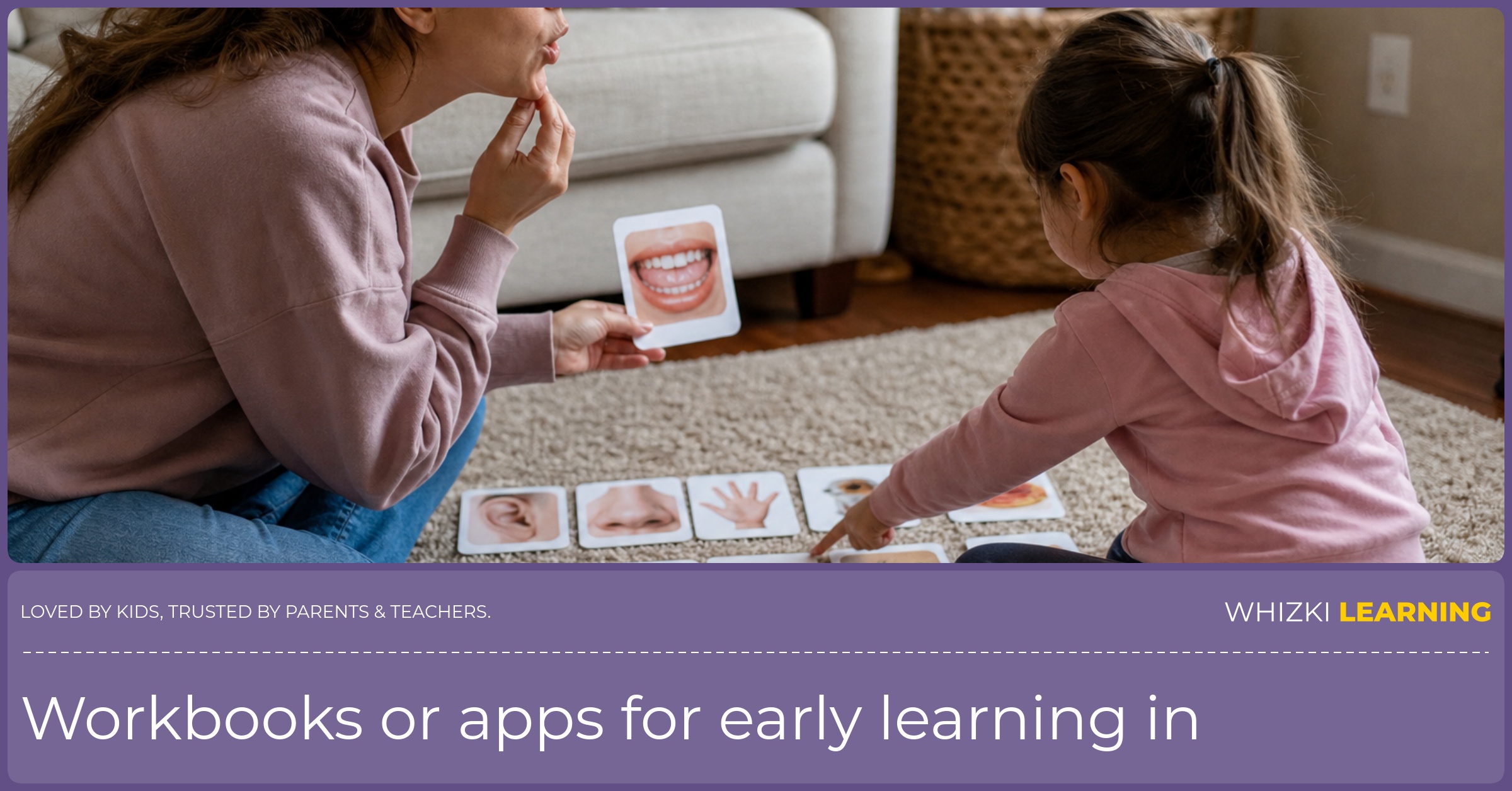
The strongest app advantage is audio, especially when a child needs to hear a letter sound, a rhyme, a word part, or another language model again and again. Speech-language pathology practice often uses careful listening, repeated sound exposure, and adult modeling, and a good audio tool can support that pattern. Paper cannot pronounce /sh/ or replay a word slowly.
Adaptivity can help when the app quietly gives easier or harder items based on recent answers. A child practicing letter recognition may need more work with b and d than with o, and a thoughtful app can offer that practice without an adult building a new stack of cards every night. The adult still needs to check whether the app is teaching the right thing or rewarding fast guesses.
An app also helps during short waiting moments when no crayons, scissors, or table space are available. The healthiest app use for ages 3 to 7 is narrow, named, and finished on purpose: hear the sound, match a few examples, then close the screen. A child still needs paper, blocks, books, pretend play, outdoor movement, and conversation for the rest of the learning day.
A both-tools verdict for ages 3 to 7
The honest verdict is paper first for most daily practice, apps sometimes for sound, feedback, or quick review. Occupational-therapy basics point toward big-body play, fine-motor work, and varied hand use before long screen sessions. A child who cuts, colors, pinches, builds, draws, and writes is preparing the same hands needed for school tasks.
The skill should choose the tool. Handwriting, early spelling, counting objects, scissor practice, patterning, and drawing belong on paper or with real objects first. Letter sounds, pronunciation models, immediate correction, and spaced review can sometimes belong in an app when an adult sets the boundary.
A screen-free default lowers family negotiation because the first answer becomes predictable. Keep crayons, a pencil, dice, counters, and our printable library ready before the tablet appears. A child who knows paper comes first usually argues less than a child who has to wonder which tool wins every time.
A simple weeknight plan parents can keep
A weeknight plan should be short enough for a tired child and a tired adult. Start with two minutes of movement, such as wall pushes, animal walks, or carrying books, because occupational-therapy routines often use heavy work to help young hands settle. After movement, choose one paper page or one hands-on match and finish while the child still has a little energy left.
The Orton-Gillingham lesson rhythm can guide a home routine without turning the kitchen into a tutoring center. Say the sound, touch or trace the letter, find a picture that starts the same way, write one careful example, and stop. If an app is part of the night, name the purpose before opening the screen and close the app after that purpose is done.
The workbook-or-app choice gets easier when the family stops asking which tool is perfect and starts asking which tool fits the skill in front of the child. If you want a steady, practical note like this each week, I would be glad to have you join the weekly Whizki newsletter.