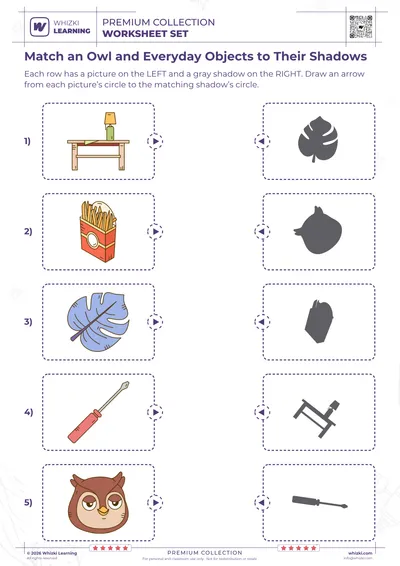
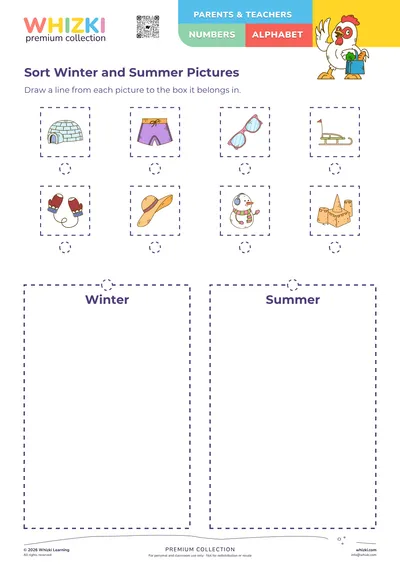
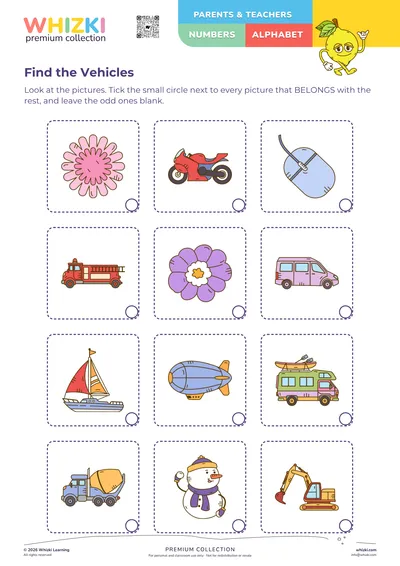
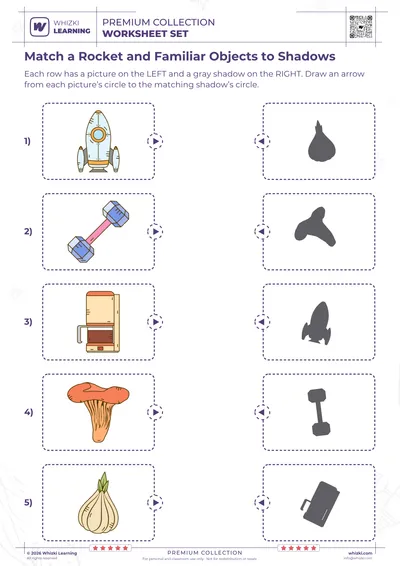
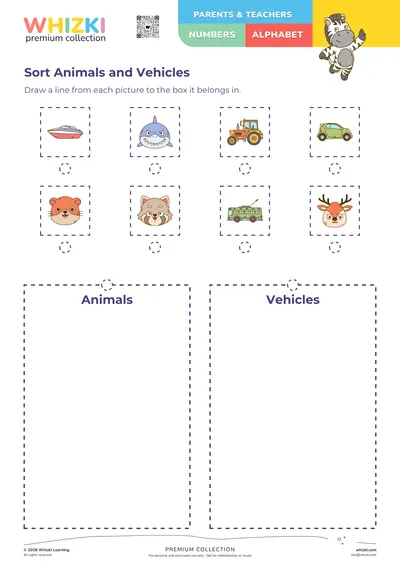
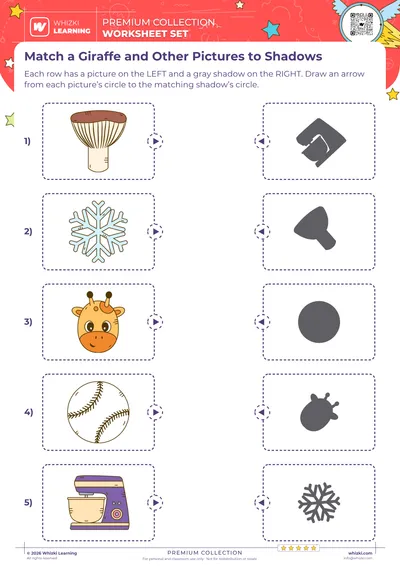
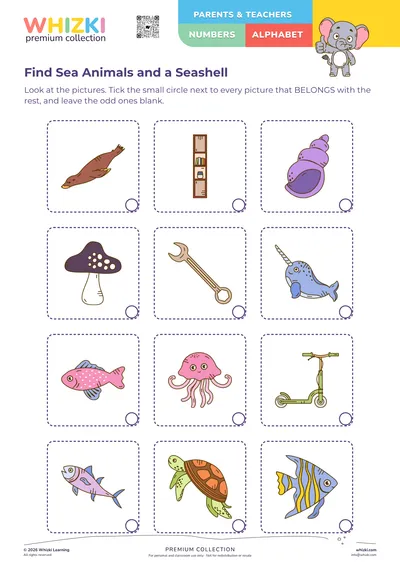
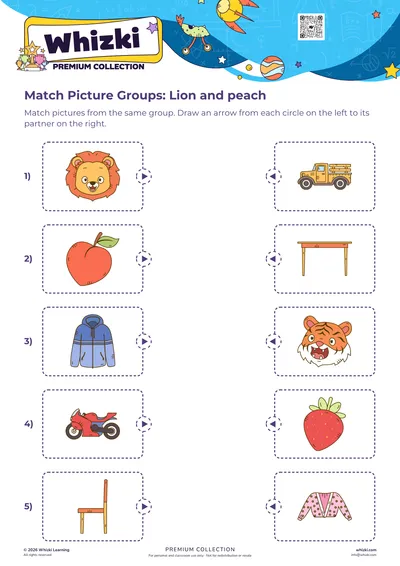
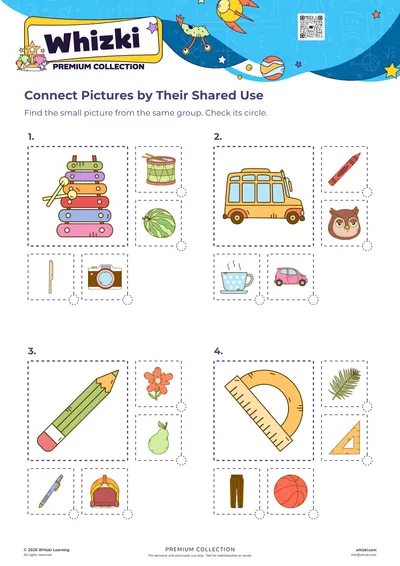


Pro Looking carefully is a real skill, and it is one that quietly supports almost everything else a child learns. A reader who notices the difference between was and saw, or a counter who spots a missed object, is using the same careful attention this set is built to train.
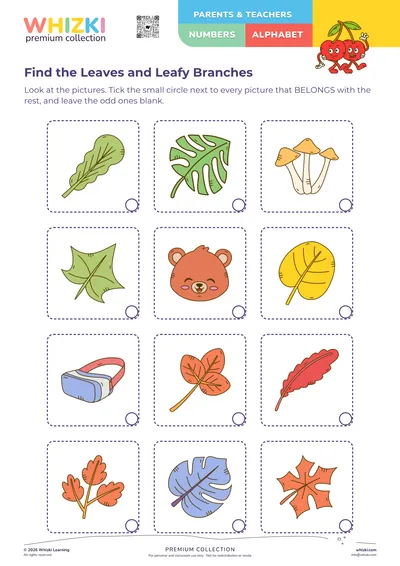
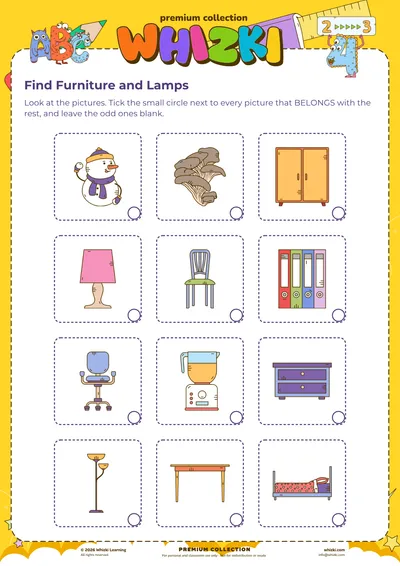
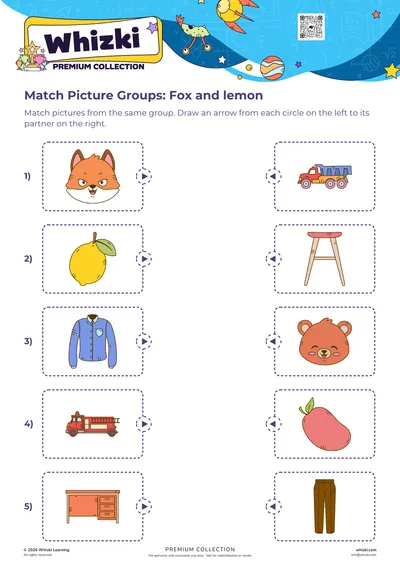
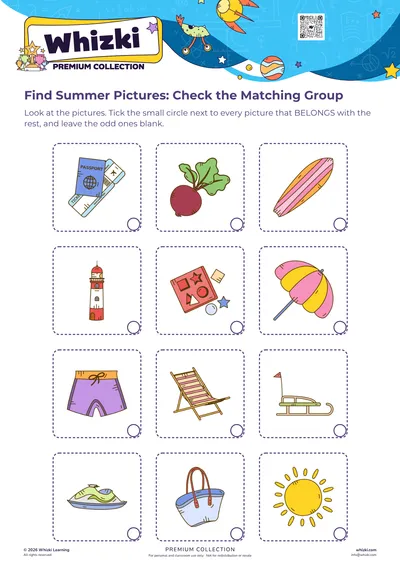
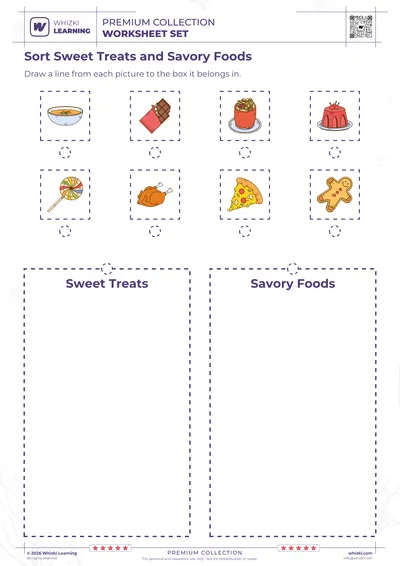
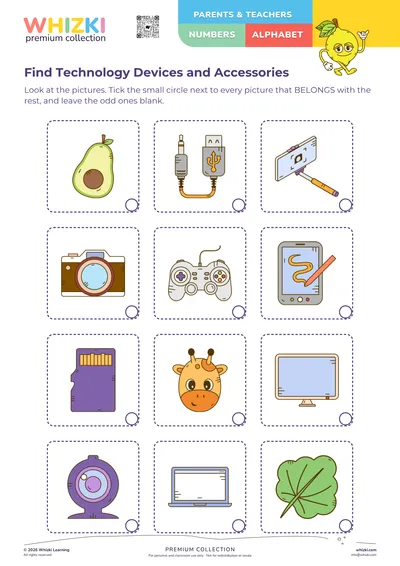
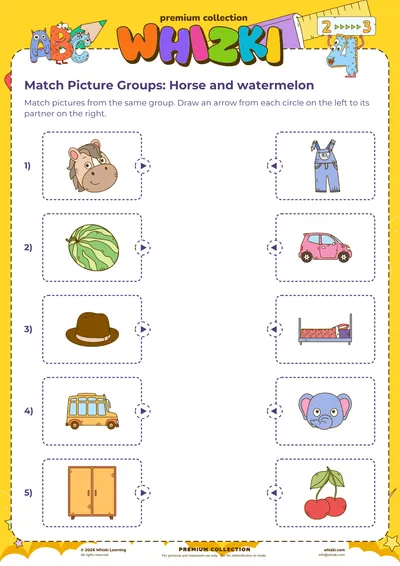
This Pro set is a collection of odd-one-out puzzles: a row of pictures where one does not belong, and a child has to work out which one and, more importantly, why. The thinking lives in the noticing, the comparing, and the giving of a reason out loud. The worksheets stay playful and varied, so the logic never starts to feel like work.
That habit of slowing down and paying attention is exactly what helps later with reading a tricky word or checking an answer twice. Print a few pages for a quiet moment and ask your child to explain each choice in their own words. The explaining is where the real logic happens, far more than the pointing.


Instant download
Made by teachers
Print again and again
Screen-free practice
Secure checkout
Can I print this pack as many times as I want?
Yes. Subscribers on Whizki Pro get unlimited prints of every page in this set. Print once for one kid, ten times for the whole class, then again next year - the PDF stays the same and there are no per-print limits.
What does Whizki Pro include for this pack?
Pro gives access to every Worksheet Set on Whizki, including this one and the rest of the catalog: all 15 worksheets here, plus science, logic, time and money, spelling, and addition/subtraction packs. Pro also adds the custom worksheet builder, your saved shelf, early access to new printed workbooks, and one written question per month to a real early-childhood educator.
Can teachers and homeschool families use these in class?
Yes. Whizki worksheets are designed by early-childhood educators and printed copies can be used in a classroom, homeschool co-op, tutoring session, or library reading hour as long as the original PRO subscriber is the one downloading them. We just ask that the PDFs themselves aren't re-uploaded or redistributed.
What kind of thinking does odd-one-out build?
Careful looking, working memory, and early categorical reasoning. To find the odd one a child has to hold "what does this group have in common" in their head while checking each item against it. That's the same mental skill that helps with reading comprehension and basic math word problems later.
Is this just a puzzle pack, or does it actually teach something?
Both. The puzzles are the teaching: each sheet practices the noticing-and-eliminating habit kids use for grouping animals by habitat, sorting words by sound, and picking the equation that doesn't fit. It is a simple way to practice "think before you answer" at age 4-7.
Boost your child’s skills with our discounted workbooks. Engaging activities for preschool, kindergarten, and grade 1 - now at special sale prices!


Get exclusive activities, expert tips, and inspiration for a more meaningful, offline family life.