Let’s be real, parenting can feel like you are constantly negotiating, “Please be patient,” “Please stop whining,” and “We are almost there.” Long car rides, grocery store trips, and waiting rooms are where screen time often becomes the default. The good news is that building phonemic awareness does not need expensive flashcards or a special desk setup. Some of the best letter-sound practice is right there in everyday life, using your voice and what is around you.
And yes, researchers and speech-language pathologists keep pointing to the same big idea: playful, active listening helps kids get ready for reading. When a child practices hearing and noticing sounds during normal routines, the skills stick without turning the day into an academic battle.
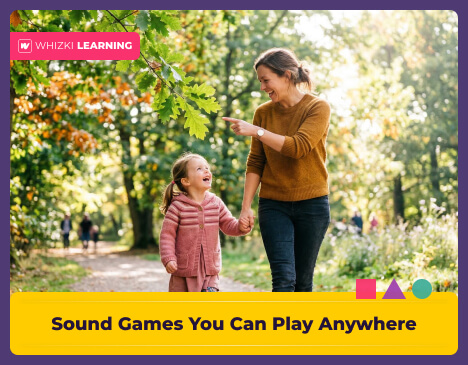
This playbook shares 15 zero-prep letter-sound games made for busy families. Each screen-free game targets key auditory processing skills for early literacy, using your voice and simple objects you already have. When you swap the tablet for these quick, interactive phonetic challenges, those “ugh, we have to wait” moments can turn into calm, connected learning time.
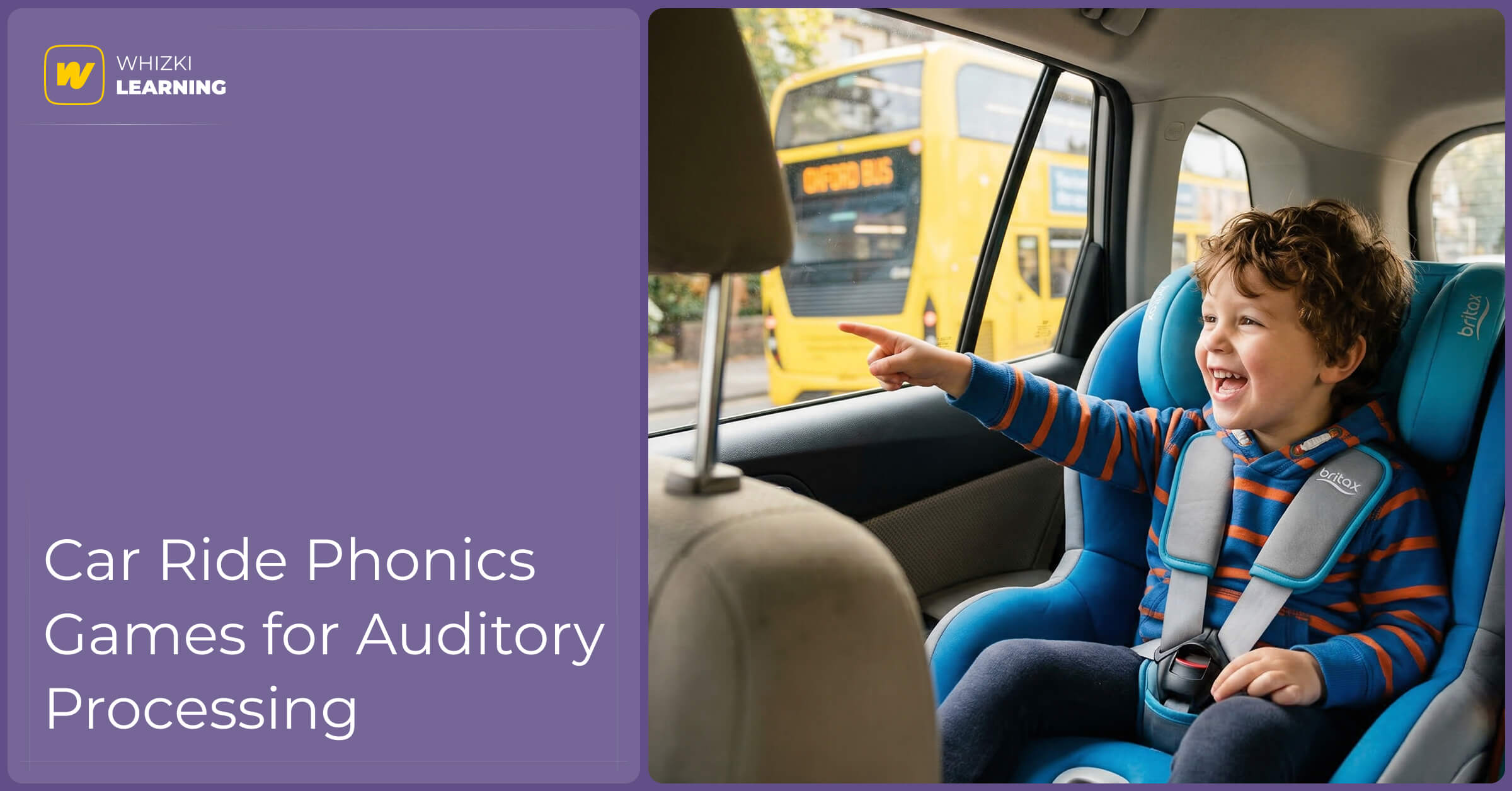
Car Ride Phonics Games for Auditory Processing
Car rides can be loud, bumpy, and full of distractions, which is exactly why they work so well for auditory practice. The American Speech-Language-Hearing Association (ASHA) notes that focusing on starting sounds in a quieter setting can improve a preschooler’s phonetic decoding. These five car-based letter-sound games give the child a clear job to do with spoken language, even when the ride feels like chaos.
- 1. The 'I Spy the Sound' Game: The parent looks out the window and says, “I spy something that starts with the /t/ sound.” The child scans what is outside and finds something like a truck or a tree, connecting the sound to a real object.
- 2. The 'Silly Name' Switch: The parent swaps the first letter of everyone’s name with a target phonetic sound, like changing “Mommy” to “Bommy” and “Daddy” to “Baddy.” This playful twist practices phoneme substitution, which is a real reading skill that shows up later in spelling and decoding.
- 3. The Animal Sound Match: The parent names an animal, and the child has to shout the phonetic sound that starts the animal’s name. For example, “Monkey” becomes the isolated /m/ sound, helping the child build quick sound recall.
- 4. The Rhyme Time Challenge: The parent says a simple CVC word like “cat,” and the child shouts a rhyming word like “bat.” Rhyme games help the child notice matching ending sounds, strengthening overall phonemic awareness.
- 5. The 'Robot Talk' Blender: The parent talks like a robot and breaks a word into individual phonetic sounds, such as “/d/ /o/ /g/.” The child blends the sounds together and shouts the full word “dog.”
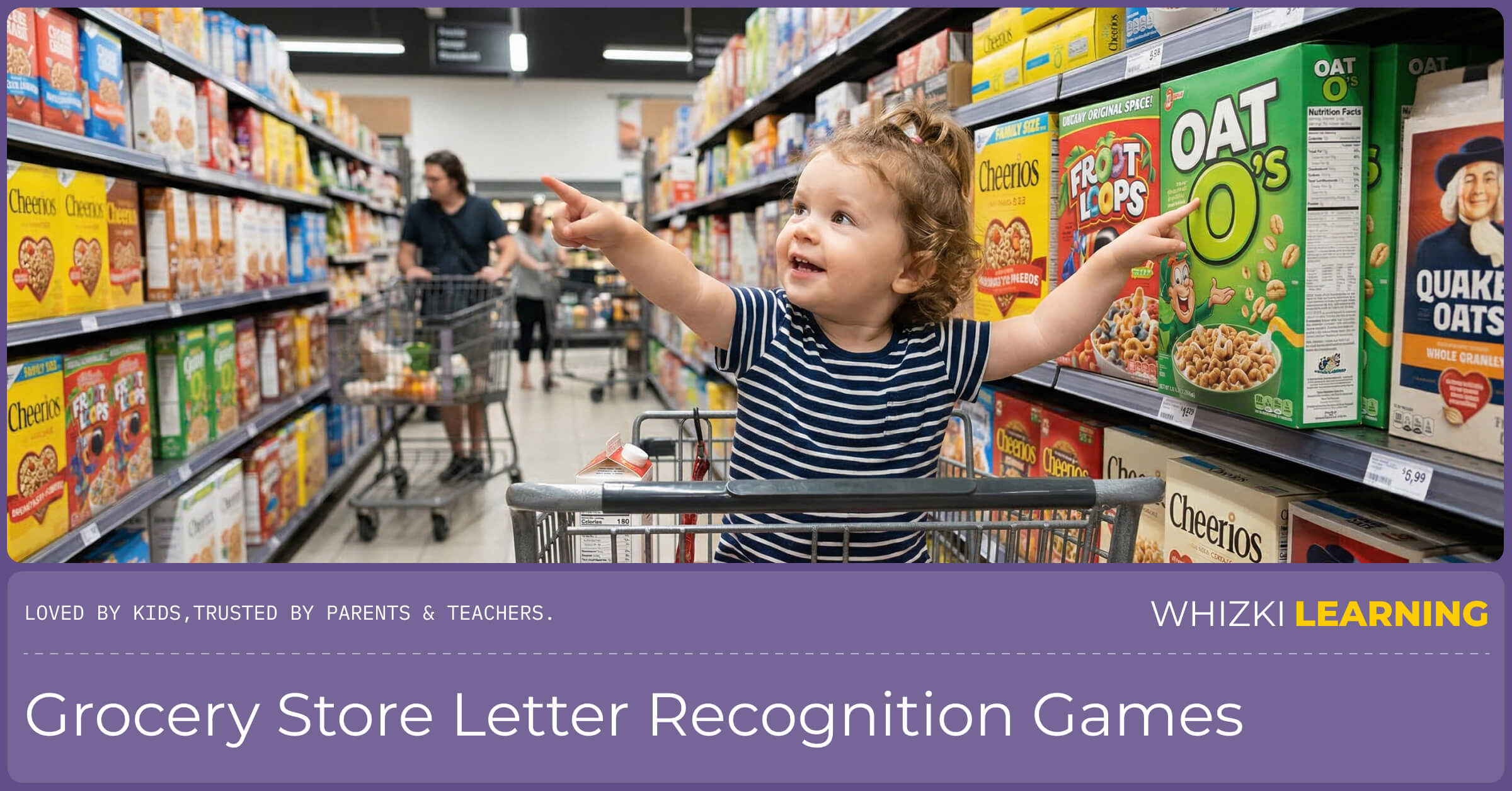
Grocery Store Letter Recognition Games
Grocery stores are packed with print, labels, and packaging, so they naturally give kids something to look at and talk about. Early childhood researchers at the National Association for the Education of Young Children (NAEYC) note that connecting letters to real, tangible items can boost a child’s motivation to read. These five grocery store games use environmental print to practice phonetic sounds in a way that feels like part of the errand, not extra work.
- 6. The Target Letter Hunt: The parent chooses one target letter, like the letter “P.” The child hunts through the grocery aisles to find the letter “P” on five different cereal boxes or produce signs.
- 7. The Shopping Cart Sorter: Before placing an item in the shopping cart, the parent asks the child to identify the starting sound. The child has to correctly say that “banana” starts with the /b/ sound before it goes in the cart.
- 8. The Alphabetical Aisle Walk: The parent and child take turns finding items that start with letters in alphabetical order as they move down the aisle. Finding an apple, then a box, then a carrot makes a fun sequential phonics challenge without worksheets.
- 9. The 'Not That Sound' Game: The parent holds up a tomato and playfully says, “Look at this /m/omato!” The child corrects the parent by saying the proper /t/ sound. Playful correction builds confidence, because the child is practicing listening and responding, not “getting it wrong.”
- 10. The Produce Syllable Clap: The parent and child clap for each syllable in a vegetable’s name, like clapping three times for “cu-cum-ber.” Syllable segmentation helps the brain prepare for decoding longer, multi-syllable words later.
Waiting Room and Park Phonics Games
Waiting rooms and parks can be tricky, because kids need movement and adults need patience. The key is to pair physical activity with talking, so the child’s body and brain are both getting what they need. Pediatricians often recommend pairing gross motor movement with vocalization, since active movement supports attention and language processing. These five physical letter-sound games keep kids busy and focused without screens.
- 11. The Sound Jump: The parent picks a target sound, like /s/. The parent says a bunch of words, and the child jumps only when a word starts with the /s/ sound.
- 12. The Secret Password: Before entering a new room or going down a playground slide, the parent says the child needs a “secret password” that starts with a specific phonetic sound. The child quickly thinks of a matching word to “get in.”
- 13. The Texture Trace: The child traces a letter with an index finger on the parent’s back, or the parent traces a letter on the child’s palm. The receiver guesses the letter and then immediately says the corresponding phonetic sound.
- 14. The 'Bring Me' Challenge: The parent sits on a park bench and says, “Bring me something that starts with the /l/ sound.” The child runs to find a leaf, combining movement with sound-based object identification.
- 15. The Story Sound-Effects: The parent makes up a quick verbal story and pauses for the child to add sound effects for the objects mentioned, like “woosh” for the wind or a hard /c/ sound for a cracking branch.
Transitioning to Whizki Printed Workbooks
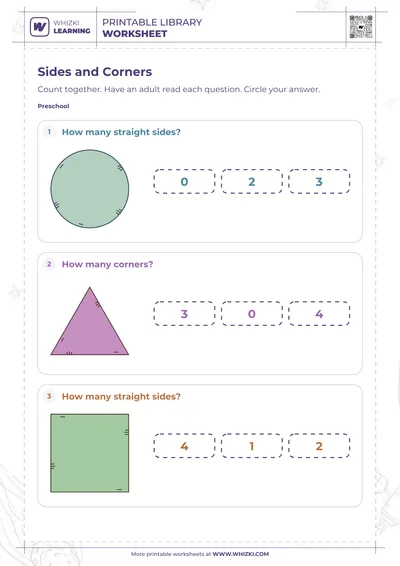
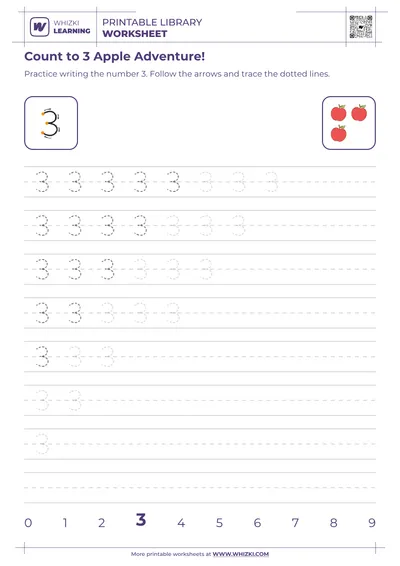
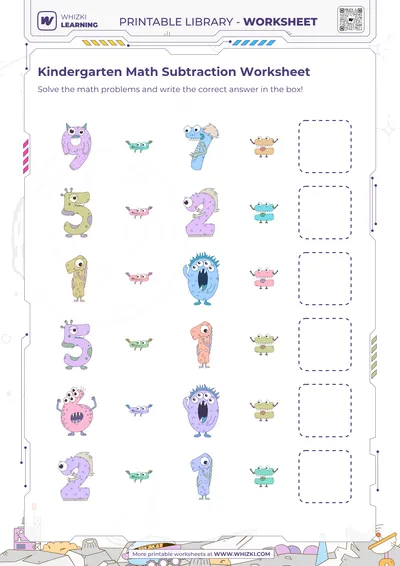
Verbal letter-sound games do a fantastic job building phonemic awareness, and then the next step is helping the child connect those sounds to written letters. That is where a printed workbook can help, because handwriting needs tactile practice. Whizki printed workbooks use premium 120gsm paper, which gives the right amount of resistance for kids learning to form their first letters. That physical “feel” reinforces the connection between the spoken sound and the written symbol.
If you are worried about meltdowns during writing time, you are not alone. When a child is already revved up, tracing and writing can feel impossible. This is why you might also like 10 Calm-Down Activities Before Tracing and Writing (Ages 4-6), so the child can come to the page with a calmer body and a clearer mind.
Whizki screen-free workbooks provide the structured, logic-based practice a preschooler needs to solidify the phonetic concepts from the verbal games, so the learning carries over when it is time to write.
Learning Happens Everywhere
Building a strong reading foundation does not require a formal classroom or expensive digital subscriptions. When you weave these 15 screen-free letter-sound games into errands, car rides, and park time, the day’s “waiting” becomes real literacy practice. Consistent verbal play helps the child develop deeper phonemic awareness, which supports reading confidence when the child finally opens a book.
And if you are thinking, “My kid gets restless and wants screens,” you are in the normal parenting zone. Sometimes boredom is the thing that makes kids talk, listen, and invent. For more on that, see Why "Boredom" is the Ultimate Screen-Free Teacher.
Want one more easy place to practice sounds and counting together? Try 10 Number Games to Play in the Kitchen (Ages 3-6), because kitchen moments are perfect for short, repeatable practice that feels like family life.