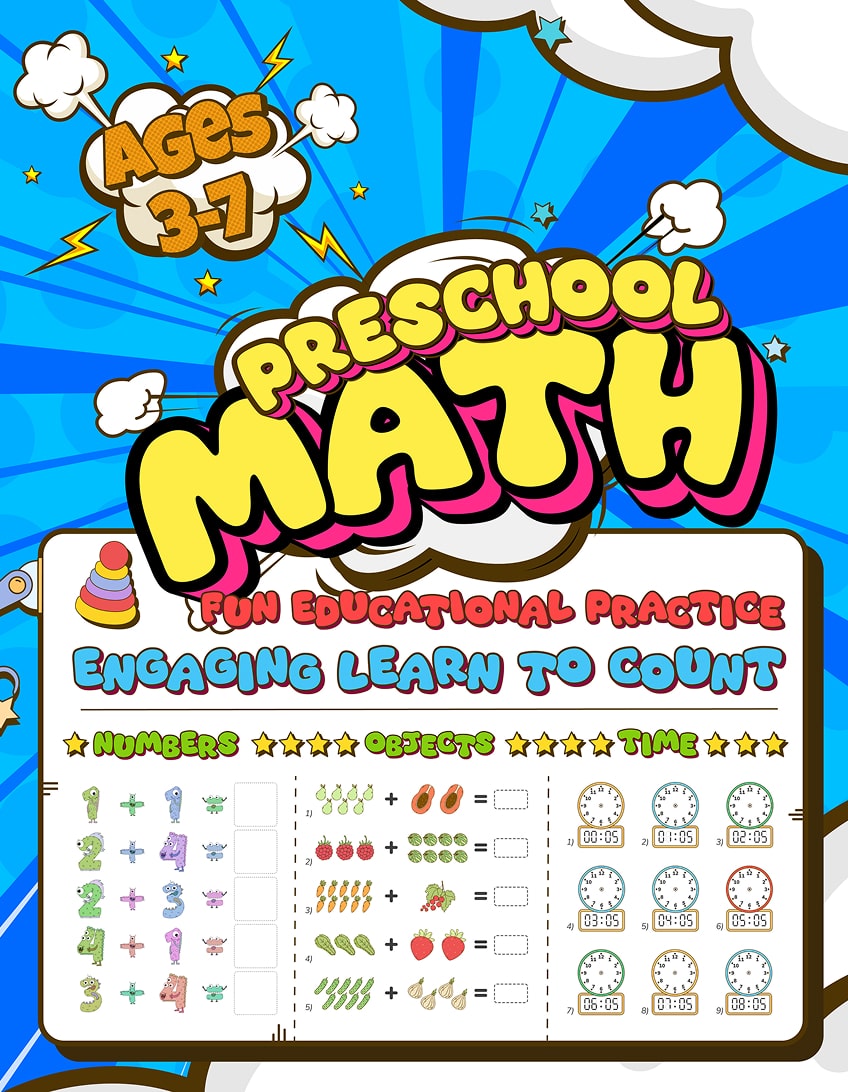
If your preschooler or kindergartener melts down the second a pencil shows up, you are not alone. That “nope” reaction can feel personal, exhausting, and honestly scary when you are trying to help. But please pause the usual handwriting practice for now. When a child refuses like this, it is often a real stress response, not simple stubbornness. The child has started to connect writing with uncomfortable hand pain, overwhelming frustration, or a fear of failing in front of you. If you keep pushing tracing letters while the child is already flooded with anxiety, the worksheet can start to feel like a threat, and the negative connection gets stronger.
The good news is there is a practical next step that helps without power struggles. Try a structured “Writing Confidence Reset” for 7 days that temporarily removes the stressor. This plan gently rebuilds fine motor confidence with screen-free, occupational-therapy-style activities, one day at a time. With this specific 7-day reset routine, the kitchen table can shift from a battleground into a calm, structured path toward joyful learning.
The Psychology Behind Handwriting Anxiety
Handwriting anxiety shows up when a child’s brain wants to do the task, but the body is not ready yet for the fine motor work. The National Association for the Education of Young Children (NAEYC) notes that fine motor delays are incredibly common in today’s digital world, because tablet screens often do not build the same intrinsic hand strength as hands-on play. When a child tries to control a pencil with underdeveloped hand muscles, the child can feel genuine physical discomfort, quick fatigue, and frustration. That physical discomfort often triggers an avoidance response that feels emotional, even though it starts in the body.
To help a child move past handwriting anxiety, parents need to temporarily lower the performance pressure tied to the alphabet. Educational therapists often recommend a “reset period” where the focus is on praising the effort of moving the hand, not the visual accuracy of a finished letter. This shift helps the child feel safer, and it gives the brain’s motor learning centers room to do their job again. If your child is also having trouble calming down before any writing attempt, you might like 10 Calm-Down Activities Before Tracing and Writing (Ages 4-6), because those same calm-down wins make the reset days easier.
The 7-Day Writing Confidence Reset Plan
A daily, step-by-step occupational therapy plan to eliminate handwriting anxiety and rebuild fine motor confidence without power struggles.
Day 1: The Total Pencil Ban
On the first day of the reset, parents declare a total ban on all pencils, pens, and standard paper. Clinical occupational therapists use “pencil fasting” to interrupt the anxiety cycle right away. Instead of seated writing, you set up gross motor alphabet games. For example, draw giant invisible letters in the air using the whole arm, so the child can use shoulder stability muscles in a safe, body-ready way. This is not “skipping practice,” it is giving the body a chance to catch up.
Day 2: Tactile Sensory Play
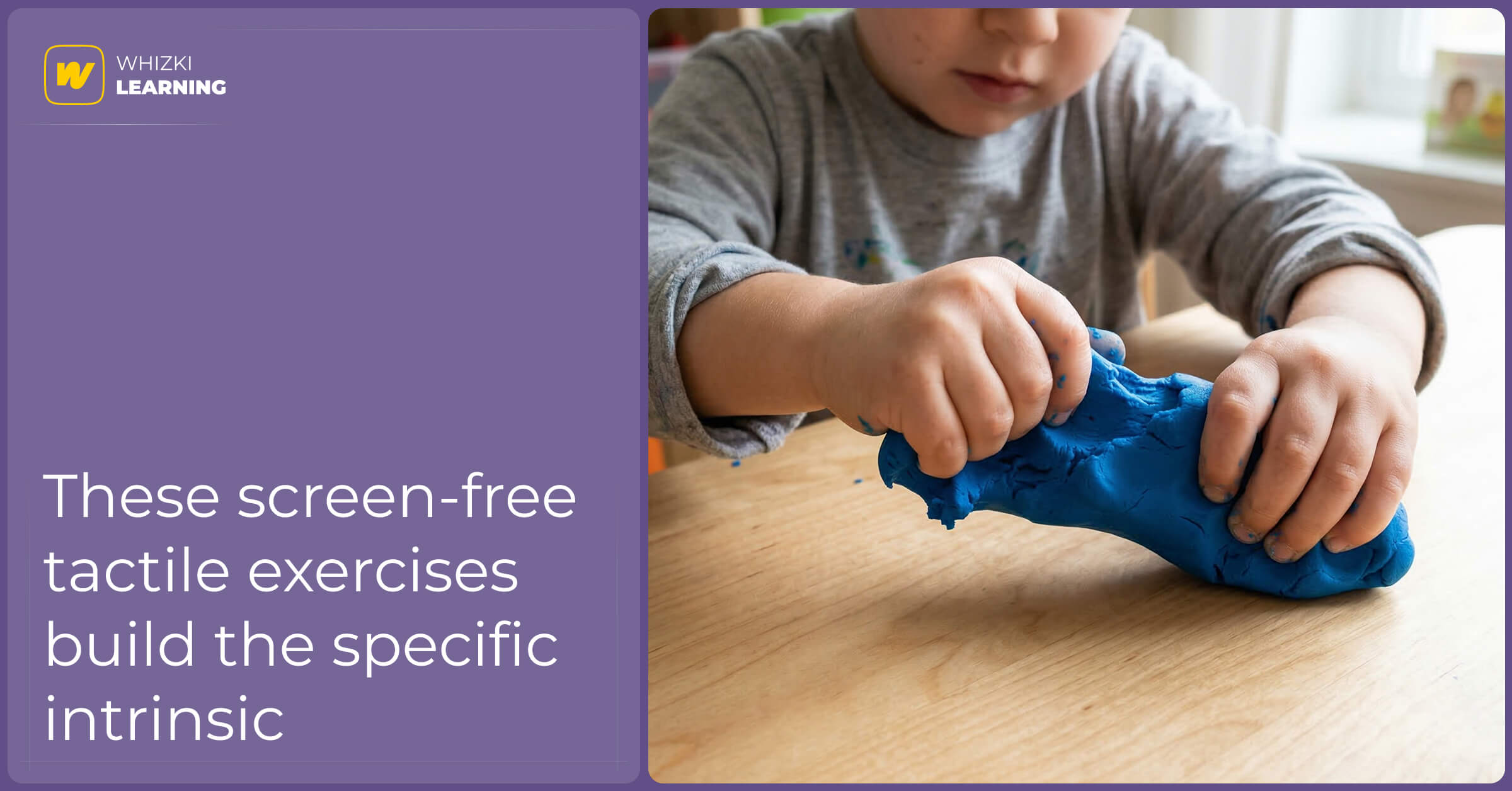
The second day is all about building hand strength through heavy sensory resistance. Early intervention specialists often suggest activities like squeezing thick modeling clay, hiding small beads inside putty, or using kitchen tongs to transfer objects. These screen-free, tactile exercises build the specific hand muscles needed for handwriting, without turning the moment into an “academic performance” situation.
Day 3: Vertical Surface Drawing
On the third day, parents reintroduce drawing tools, but you change the physical setup completely. Ergonomic studies show that drawing on a vertical surface, like taped paper on a wall or an easel, naturally encourages the wrist into an extended position. That wrist position supports a more functional tripod grip without you having to correct every movement with your voice. If your child tends to get restless, this day can feel like a win because it lets the body move while still practicing the hand.
Day 4: The Broken Crayon Strategy
The fourth day brings back horizontal table work, but with a gentle twist: use only one-inch pieces of broken crayons. Pediatric hand specialists recommend this trick because a tiny crayon piece is physically harder to hold with a tight fist grip. The small size nudges the fingers toward a more natural pincer grasp, which helps the child practice the right mechanics during simple coloring tasks.
Day 5: The 'Ghost Writing' Pressure Test
The fifth day addresses a common issue that can make handwriting feel miserable, pencil pressure. When children press too hard, the hand cramps quickly and the whole task starts to feel like a battle. Here is the challenge: draw simple pre-writing shapes, like circles and crosses, so lightly that the marks look like invisible “ghost writing.” This exercise helps the child learn how to modulate force and relax the grip on the writing tool. If you are also noticing that “bored” moments lead to meltdowns, consider reading Why “Boredom” is the Ultimate Screen-Free Teacher, because boredom is often where the brain starts practicing patience and focus without needing a screen to steer it.
Day 6: Introducing Structured Workbooks
On the sixth day, parents introduce a high-quality printed workbook for a strictly limited five-minute session. Educational psychologists emphasize that this first workbook experience has to be short enough to protect success. The child completes one simple tracing maze or path, and the parent stops while the child is still feeling good. The goal is to end on a positive note, so the child learns that workbook time is safe and manageable.
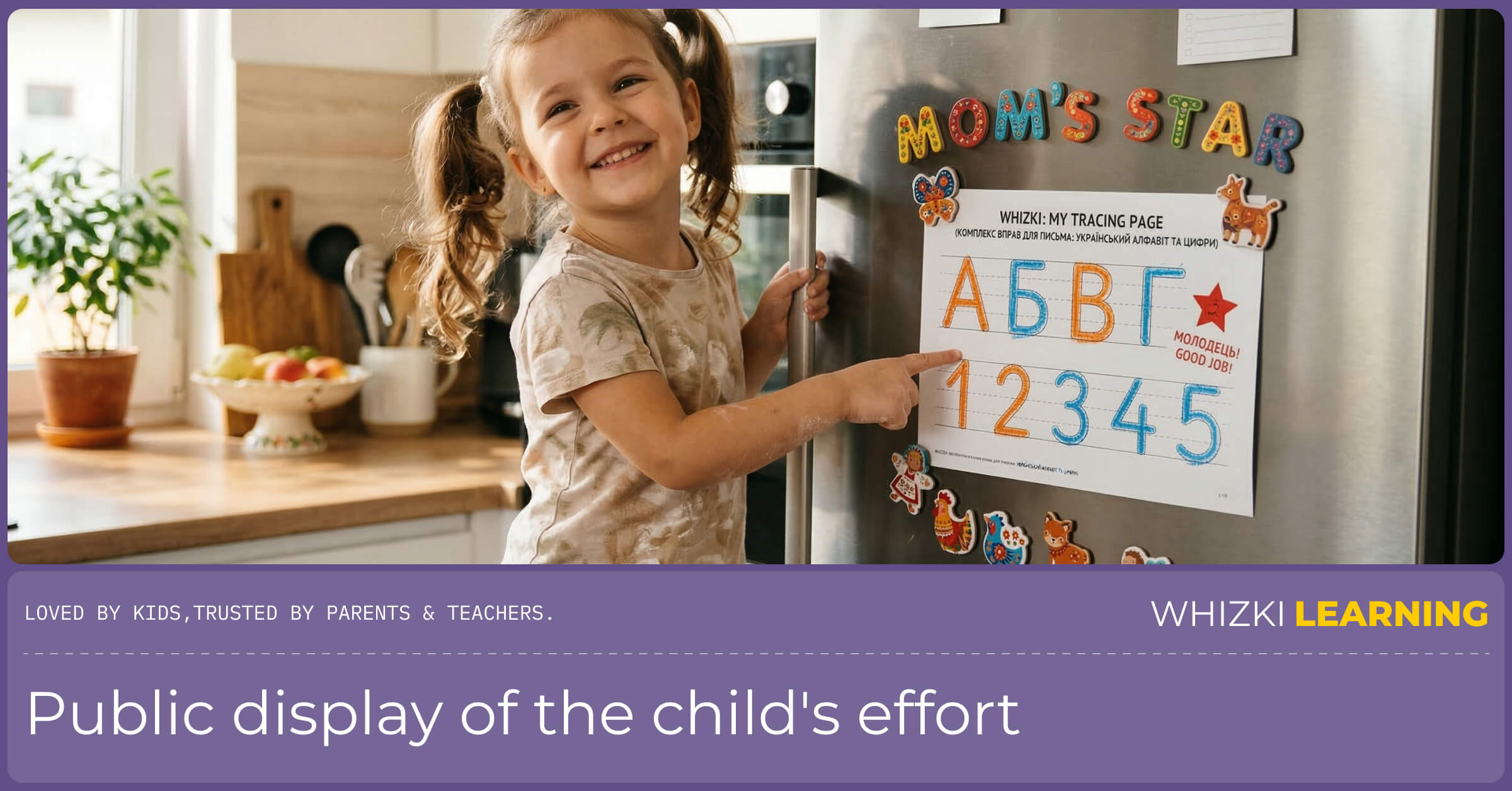
Day 7: The Proud Display
The final day is about celebrating the child’s restored confidence and locking in the new, positive association with desk work. The child completes one page of targeted letter formation practice, and the parent immediately hangs the finished page on the refrigerator. This visible, public display turns effort into something the child can feel proud of. When the child sees that the work matters, dopamine follows, and the child starts to see themself as a capable, confident writer.
The Structured Calm Path: Whizki Trace & Write
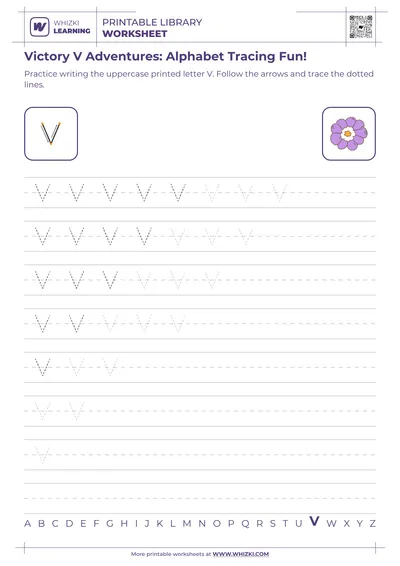
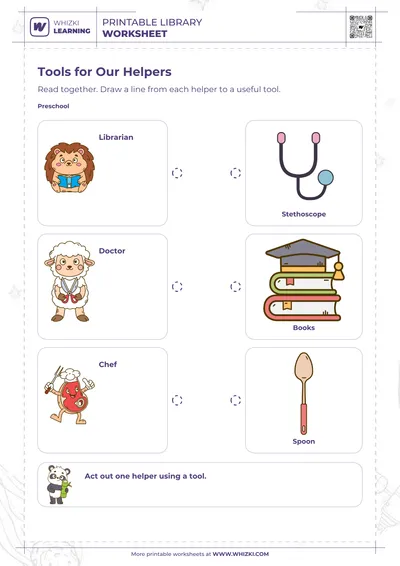
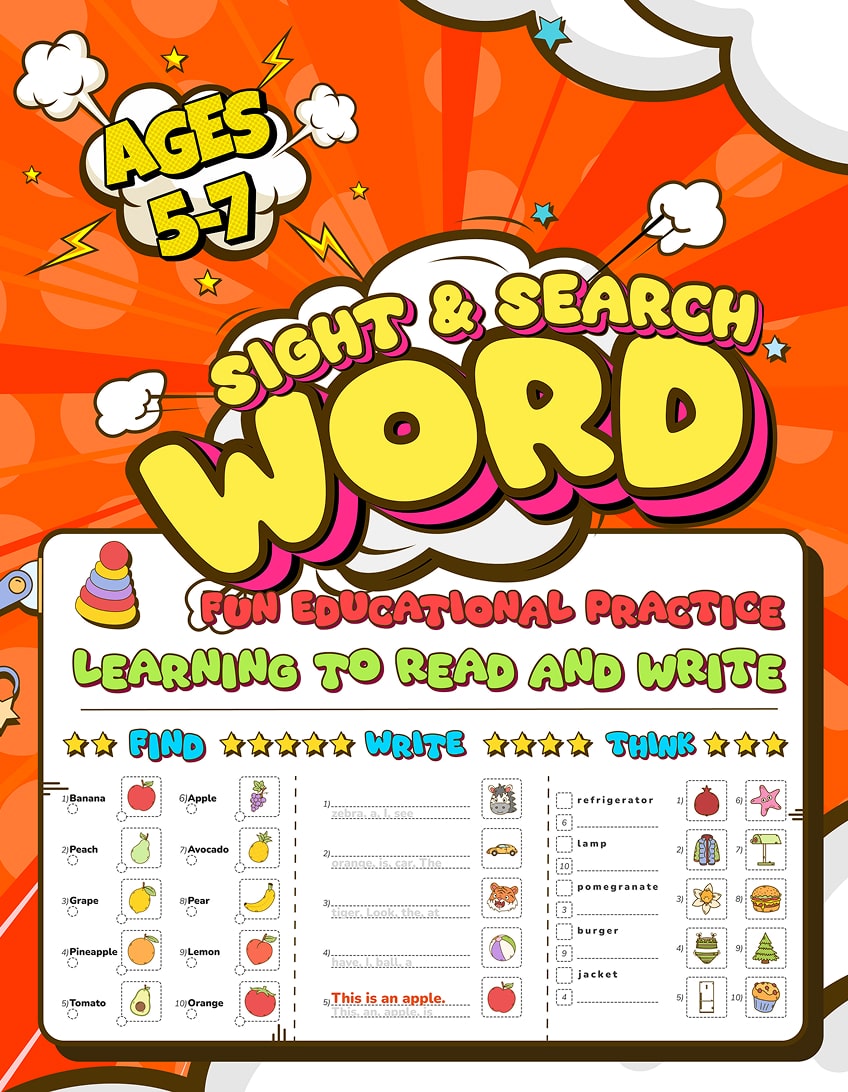
To get the best results from the 7-Day Writing Confidence Reset, you want materials that do not poke at the child’s old anxiety. Whizki Trace & Write workbooks offer a structured, calm path for recovering writers by using logic-based puzzles instead of repetitive drills. Whizki workbooks use premium 120gsm thick paper, which creates the right amount of tactile friction, so the child can control the pencil without pressing too hard. This paper design helps the child feel physical success right away, replacing handwriting shame with quiet, screen-free pride.
Protecting the Joy of Learning
Handwriting should never become a source of trauma for a young learner. With the 7-Day Writing Confidence Reset, parents validate the child’s physical struggles while also giving them a strategic, evidence-based path forward. Through sensory play, gentle biomechanical supports, and high-quality printed materials, parents can protect the child’s natural joy of learning and build a positive foundation for kindergarten.
If focus is the other big hurdle in your house, you can pair this reset with a simple routine. Try How to Build a 15-Minute Focus Habit Before Kindergarten so the child learns how to stay with a task for short, successful stretches.