PreschoolKindergartenFirst Grade

Phonics for Parents: A Simple Method That Works (Preschool–K)

Mar 13, 2026
Phonics for Parents: A Simple Method That Works (Preschool–K)

Teaching a child to read frequently causes immense anxiety for parents, leading many to purchase expensive flashcards and digital reading applications. Traditional early childhood reading instruction often mistakenly prioritizes memorizing letter names (like 'A, B, C') rather than teaching the actual phonetic sounds those letters produce. Cognitive scientists confirm that this name-first approach severely delays a child's ability to decode simple words, creating unnecessary frustration at the kitchen table. Parents require a simplified, evidence-based phonics method that seamlessly integrates into daily playtime without feeling like rigid academic homework.

This comprehensive phonics guide provides parents with a stress-free, highly effective framework for teaching early reading skills at home. The guide outlines specific Montessori-inspired activities that prioritize hands-on learning and auditory discrimination over passive screen consumption. By utilizing these targeted, screen-free techniques, parents can confidently build a robust foundation for phonemic awareness, seamlessly preparing their preschoolers for the broader at-home kindergarten curriculum.

The Neuroscience of Early Phonics Instruction

The human brain is not naturally hardwired for reading written text. The National Reading Panel established that explicit phonics instruction-teaching the direct relationship between written letters and spoken sounds-is the single most effective method for creating new neural reading pathways. When a parent teaches the letter 'M' by making the /mmm/ sound rather than saying the name 'em', the parent directly links the visual symbol to the child's existing auditory vocabulary. This direct sound-to-symbol connection allows the child's brain to bypass unnecessary cognitive translation steps during early decoding attempts.

Cognitive load theory explains why rote alphabet memorization fails early readers. If a child only knows the names of the letters 'C-A-T', sounding out the word produces the confusing sequence 'see-ay-tee', which sounds nothing like the actual animal. A phonetic approach ensures the child learns the hard /k/, the short /a/, and the crisp /t/ sounds first. This sound-first methodology guarantees that when the child finally blends the letters together, the resulting word makes immediate logical sense to their developing brain.

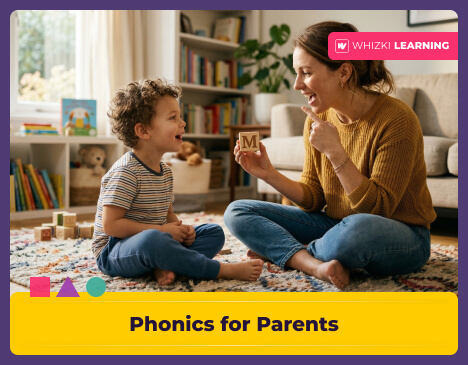
A parent pointing to a letter block, demonstrating the specific phonetic sound to an attentive young child.

A Montessori-Inspired Activities Approach

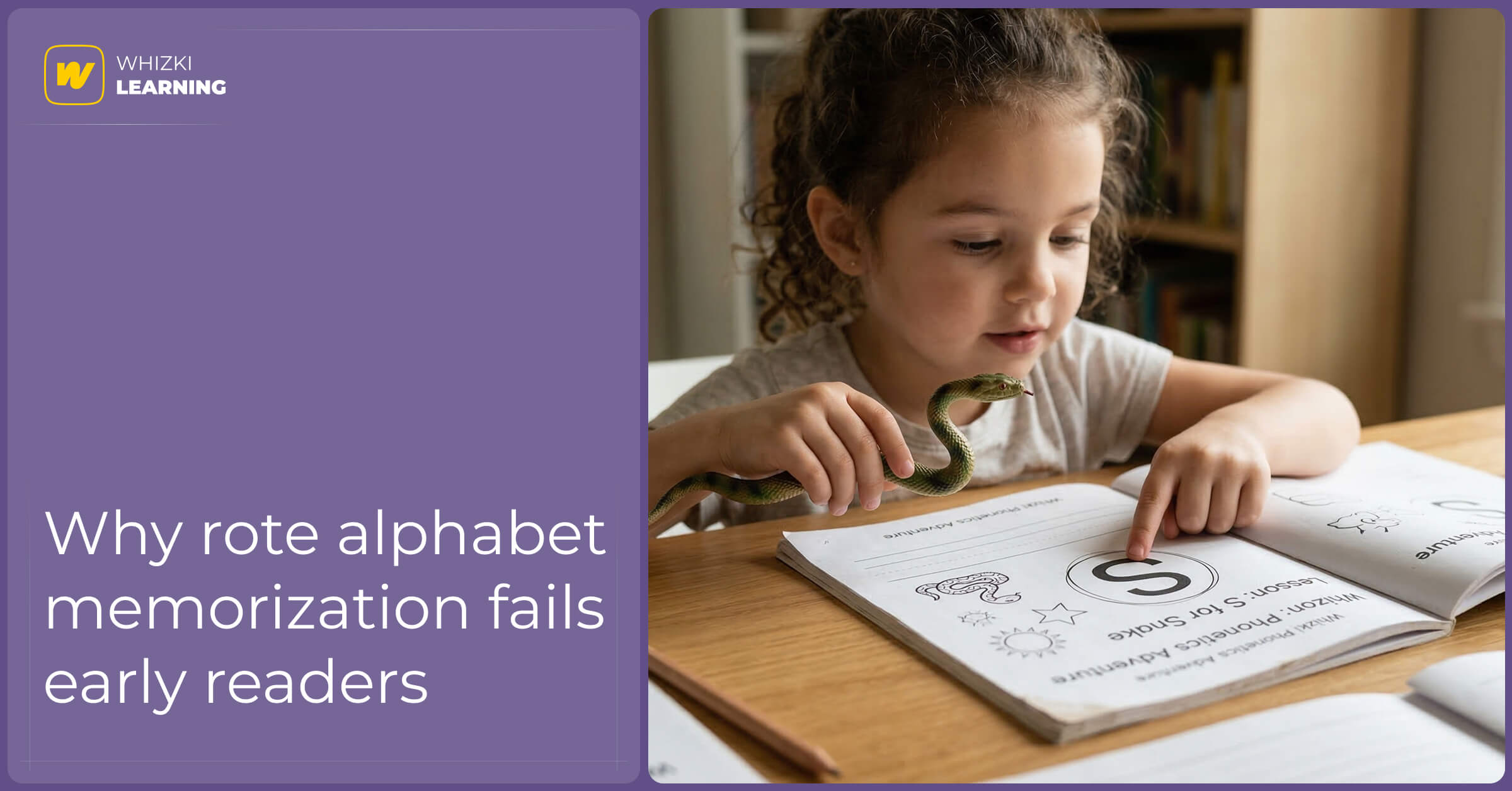
Early childhood Montessori educators advocate strongly for teaching phonics through tactile, three-dimensional exploration rather than flat, two-dimensional worksheets. Montessori-inspired activities utilize physical objects to represent abstract letter sounds, providing the child with crucial sensory anchors. Providing a child with a physical toy snake while teaching the /sss/ sound creates a permanent, multi-sensory memory that a digital tablet screen simply cannot replicate. This physical engagement proves essential for young learners who process information primarily through touch and movement.

Effective hands-on learning requires isolating specific phonemes during natural daily routines. Speech-language pathologists recommend playing the 'I Spy Sound Game' during car rides or grocery trips, asking the child to locate objects that begin with the /b/ or /m/ sound. These screen-free environmental games train the child's auditory processing centers to isolate beginning sounds in spoken language, which is the absolute prerequisite for reading written words.

The 3-Step Daily Phonics Routine

Parents must establish a consistent, low-pressure routine to build phonemic awareness effectively. Early literacy experts suggest limiting direct phonics instruction to five-minute micro-sessions to prevent cognitive fatigue and protect the child's intrinsic motivation. The following three-step routine guarantees maximum retention through gentle, repetitive exposure.

  • Step 1: The Sound Introduction. The parent introduces only one new letter sound per week, strictly avoiding the letter's alphabetical name. The parent demonstrates the correct mouth position for the sound and encourages the child to mimic the physical articulation in a handheld mirror.
  • Step 2: The Tactile Object Hunt. The parent and child search the house for three physical objects that start with the target sound. Placing a ball, a book, and a block next to the printed letter 'B' provides concrete visual evidence of the phonics rule.
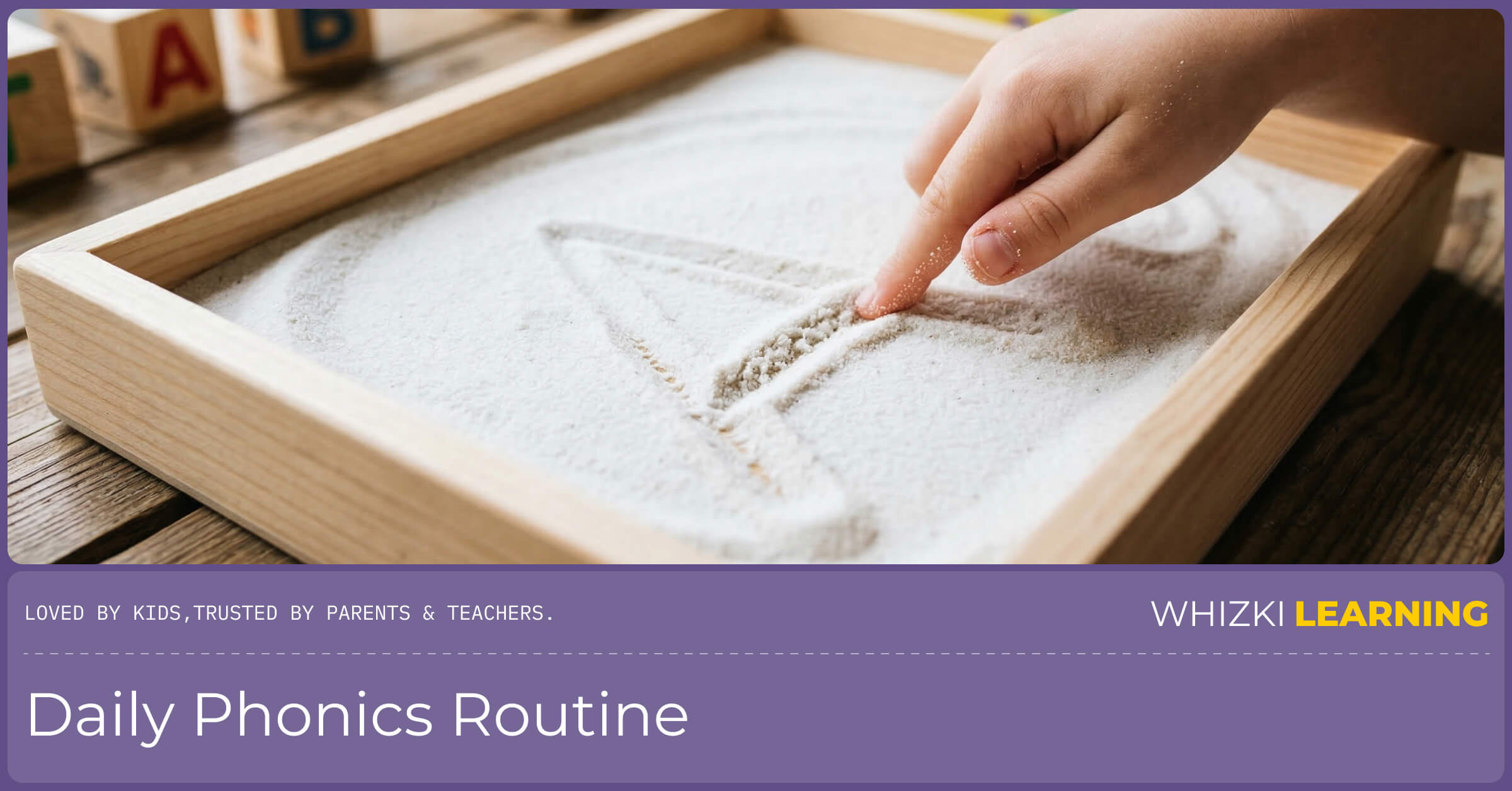
  • Step 3: The Physical Tracing. The child physically traces the target letter using their index finger in a shallow tray filled with salt or sand. This specific gross motor movement permanently maps the shape of the letter to the phonetic sound within the child's muscle memory.
A close-up of a preschooler using their index finger to draw a letter 'S' in a sensory sand tray.

Reinforcing Phonics with Whizki Workbooks

Once a preschooler successfully grasps basic letter sounds through physical play, parents must seamlessly transition the child to high-quality handwriting practice. Whizki printed workbooks feature premium, heavy-weight paper, which delivers optimal tactile friction for young children learning to write phonetic symbols. This specific physical resistance allows the child's hand to easily control the pencil, reinforcing the brain-body connection established during sensory phonics games. Whizki screen-free workbooks guarantee the exact structured, logic-based practice required to transform early phonemic awareness into permanent handwriting and reading confidence.

Patience Produces Fluent Readers

Teaching a child to read does not require a teaching degree or expensive digital subscriptions. By consistently utilizing this simple phonics method and prioritizing Montessori-inspired activities, parents provide the exact neurological stepping stones the developing brain needs. Embracing hands-on learning and high-quality printed materials ensures that every child can cross the bridge to fluent reading with joy, confidence, and complete independence.

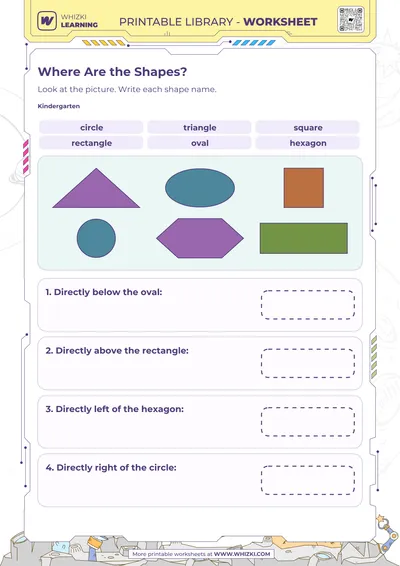
Epic Letter E Adventure: Trace, Read & Write Worksheet Cover BackgroundEpic Letter E Adventure: Trace, Read & WriteJump into an exciting alphabet quest with the Letter E! Whizki Learning turns simple tracing into a playful challenge that older preschoolers and early readers love. Build confident handwriting and phonics skills in just a few minutes a day.
Count the Critters: Whizki Learning Number Fun Worksheet Cover BackgroundCount the Critters: Whizki Learning Number FunSpark big number sense in a small learner with Whizki Learning. This playful preschool counting worksheet turns adorable pictures into powerful early math practice for 5-year-olds.
Kindergarten Word Scramble Fun: Spelling & Vocabulary Worksheet Cover BackgroundKindergarten Word Scramble Fun: Spelling & VocabularySpark your kindergartener's love of words with a playful Whizki Learning word scramble adventure. Children twist, turn, and unlock anagrams while building confident spelling and vocabulary.

Frequently asked questions

Should I completely stop teaching my child the alphabet song and letter names?

Parents should temporarily pause teaching letter names and focus exclusively on phonetic sounds during the initial stages of early reading instruction. Literacy specialists confirm that teaching letter names simultaneously with letter sounds causes significant cognitive confusion, often delaying a child's ability to blend words by several months. The only exception is if the child already knows the alphabet song perfectly from preschool; in this specific case, parents should not discourage the song but must explicitly explain that 'letters have names, but letters also make sounds,' strongly emphasizing the sound during targeted phonics practice.

At what age should a parent begin structured phonics instruction?

Parents can introduce playful phonics instruction when a child reaches three or four years of age, provided the child demonstrates strong conversational language skills. Developmental psychologists indicate that phonemic awareness—the ability to hear individual sounds in spoken words—naturally emerges in children around age four, making this the optimal neurological window for introducing letter-sound correspondence. However, if a child at age four shows zero interest in letters or actively resists phonics games, parents must delay structured instruction. Forcing a reluctant preschooler to study phonics creates extreme academic anxiety, so parents must always follow the child's natural developmental readiness cues.

Are digital phonics apps effective for teaching preschoolers to read?

Digital phonics apps are significantly less effective than physical, hands-on learning methods for teaching preschoolers how to read. Pediatric researchers note that the fast-paced animations on tablet screens frequently distract the child's brain from processing the actual phonetic sounds, resulting in superficial memorization rather than deep neurological comprehension. An exception exists for highly curated, slow-paced audio books that model proper pronunciation without flashing visual elements. Nevertheless, true phonemic mastery always requires active, three-dimensional physical engagement, making analog tools like printed workbooks and sensory trays absolutely mandatory for early literacy.

Limited Time Sale
Kids’ Workbooks!

Boost your child’s skills with our discounted workbooks. Engaging activities for preschool, kindergarten, and grade 1 - now at special sale prices!

June Summer Activities Kindergarten to 1st Grade Workbooks... Workbook Cover BackgroundJune Summer Activities Kindergarten to 1st Grade Workbooks, Math, Reading Comprehension, Brain Quests, Writing, Science, Social Studies Summer Activities for Kids Learning ActivitiesPrevent the summer slide with our fun Summer Activities Workbook for kids moving from Kindergarten to 1st Grade! This screen-free book is pa...

-27% $10.99

List Price: $14.99
Buy Now
Summer Brain Activities Workbook for Kindergarten and Pres... Workbook Cover BackgroundSummer Brain Activities Workbook for Kindergarten and Preschoolers: Fun Learning with Coloring, Logic Puzzles, Brain Quests and Social Studies - Activities for Preschoolers and Kindergarten)Keep young minds active with our Summer Brain Activities Workbook for Kindergarten and Preschoolers! This screen-free book is packed with ha...

-45% $10.99

List Price: $19.99
Buy Now
Preschool and Kindergarten Math Workbook Ages 3-7: Fun Edu... Workbook Cover BackgroundPreschool and Kindergarten Math Workbook Ages 3-7: Fun Educational Practice for Pre-K and Kindergarten: Numbers, Counting, Time, and More: Includes Activities to Boost Early Math SkillsMake math fun with our Preschool and Kindergarten Math Workbook for ages 3-7! This screen-free book is packed with hands-on activities to bo...

-40% $8.99

List Price: $14.99
Buy Now
Kindergarten Arbeitsbuch für Vorschulkinder ab 5 Jahre: Za... Workbook Cover BackgroundKindergarten Arbeitsbuch für Vorschulkinder ab 5 Jahre: Zahlen Schreiben Lernen, Konzentration und Feinmotorik fördern, Logik Rätselspaß, Malen und 20 Zahlen und Sonderzeichen (German Edition)Help your child learn German numbers with our Kindergarten Workbook for preschoolers! This screen-free book is packed with hands-on activiti...

-19% $12.44

List Price: $15.44
Buy Now

Join the Screen-Free Movement.

Get exclusive activities, expert tips, and inspiration for a more meaningful, offline family life.

At Whizki Learning, we believe in the magic of unplugged learning. It's a chance for kids to build real-world focus, develop their imagination, and strengthen fine motor skills away from distracting screens. We’re a team of parents and educators pouring our hearts into creating beautiful, screen-free workbooks that spark real curiosity and joy. Each one is proudly printed in the USA, because we know quality you can feel makes all the difference in a child's hands.All characters, names and events presented on the site are fictitious, any similarities with events, real people, living or dead, are purely coincidental.
Copyright © 2025 Whizki Learning. All rights reserved.