Let’s be real, handwriting practice can feel like a daily tug-of-war. One day the letters look great, and the next day the pencil grip is too tight, the lines go flying, and suddenly everyone is frustrated. That friction is so common with kids ages 3 to 7, and it’s not because they’re “lazy” or “don’t care.” Their brains are still learning how to coordinate the hand, the eyes, and the body in a way that makes writing feel controlled and predictable.
Early childhood educators and pediatric occupational therapists also point out something important, the habit usually forms first, and the correction later is harder. Kids may draw letters from the bottom up or press way too hard because their developing brains focus on the final look before they fully understand the physical steps. That’s why the most effective fixes are tactile and immediate, not constant verbal reminders. The goal is to build automated muscle memory with short, high-quality practice that feels calm and doable.
This step-by-step guide walks through the five most common letter formation mistakes seen in preschool and kindergarten. Each mistake comes with a specific, kind physical fix that helps rewire the motor plan without turning handwriting into a power struggle. When parents use these evidence-based techniques alongside foundational fine motor activities, the worksheet work can become more efficient, more comfortable, and much easier to read for the future.
How to Fix the 5 Most Common Letter Formation Mistakes
A step-by-step tactical guide utilizing occupational therapy techniques to correct poor letter formation habits in young children through tactile and visual cues.
1. The Mistake: Bottom-to-Top Letter Formation
The most frequent handwriting error happens when a child starts a letter at the bottom baseline and pushes the pencil upward. The National Center for Learning Disabilities notes that top-to-bottom letter formation matters because top-down movements match gravity, which can make writing faster and reduce hand fatigue. When a child pushes the pencil upward instead, the physical effort increases, and the writing rhythm often gets slower and harder.
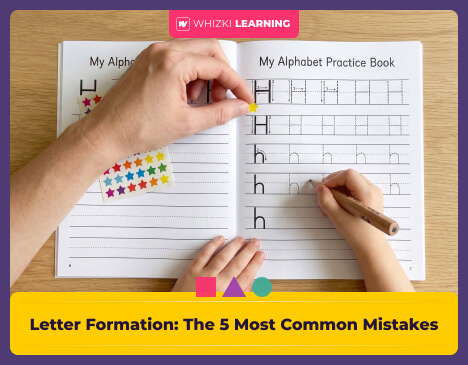
The Kind Fix: The 'Starting Star' Method. Parents should place a small, physical sticker, a “starting star,” at the exact top starting point of every letter the child practices. Then the child must touch the pencil tip to the starting star before making any strokes. That one clear visual cue removes the guesswork about where the letter begins, and it helps the hand learn the correct direction without lectures.

2. The Mistake: The 'Snowman' Letter Stacking
Young children often build letters and numbers by stacking separate shapes, like drawing two independent circles to make the number “8,” or making the uppercase letter “B” with separate parts. Educational specialists call this the “snowman” technique, and they point out it’s inefficient because lifting the pencil again and again breaks the continuous motor pathway needed for smoother handwriting. When the child forms letters with a continuous stroke, it helps reduce reversals and builds stamina for writing.
The Kind Fix: The 'Racetrack' Tracing Game. Parents should draw the target letter or number as a large, thick racetrack on a sheet of paper. Then the child uses a small toy car to “drive” the continuous path of the letter without lifting the car off the track. This big-movement activity teaches the continuous neurological pathway first, before the child tries the fine-motor pencil version.
If your child gets antsy before paper time, try a quick warm-up first, like the calm, body-ready activities in 10 Calm-Down Activities Before Tracing and Writing (Ages 4-6). A calmer body makes it easier for the hand to follow the plan.
3. The Mistake: Extreme Pencil Pressure
Many kids grip the pencil tightly and press so hard the page tears, or their hand cramps quickly. Pediatric ergonomists explain that extreme pencil pressure often shows up when a child lacks core stability or when they do not get enough sensory feedback from the writing surface. In plain terms, the child’s brain may press harder to “feel” what the pencil is doing.
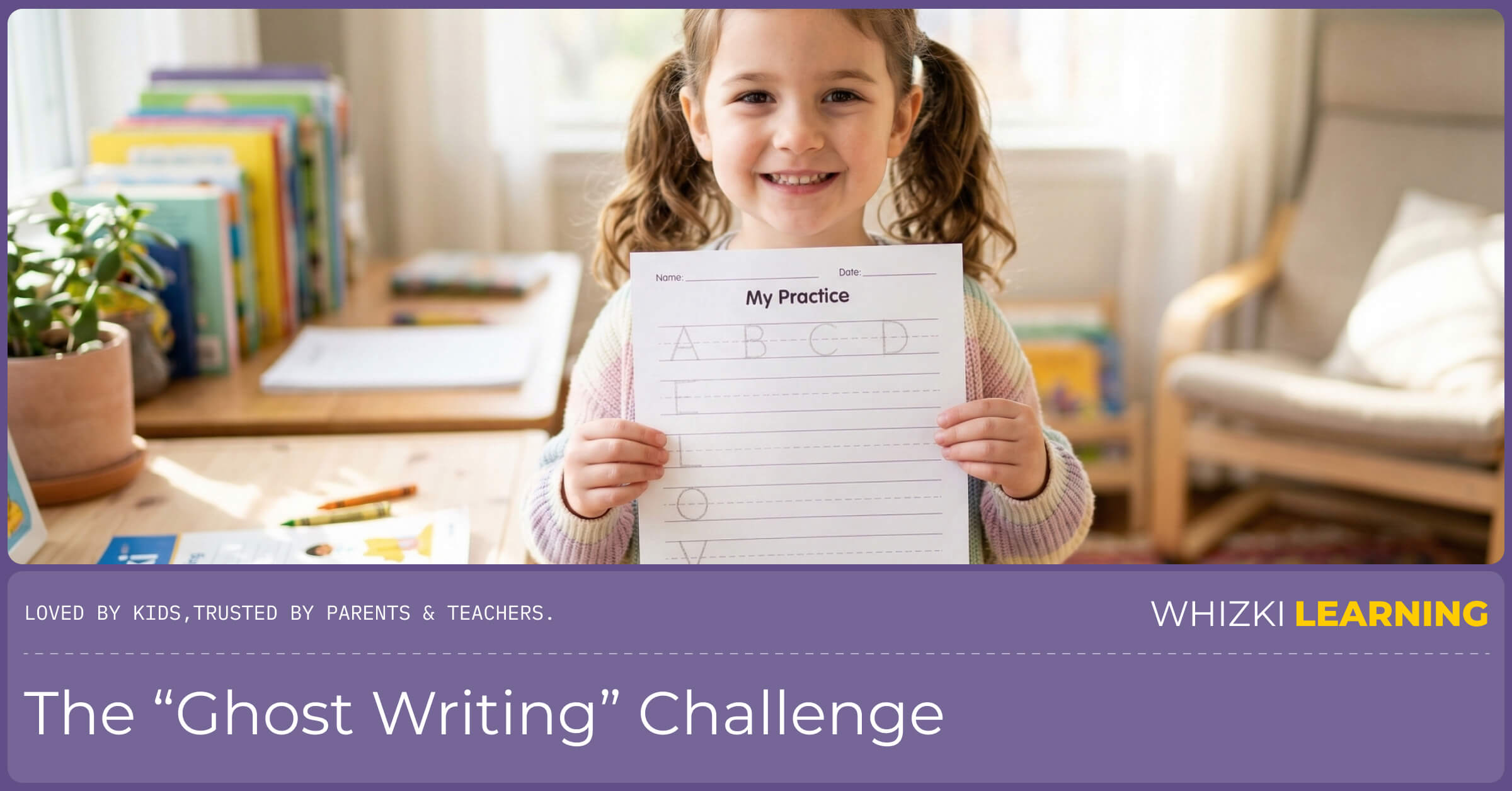
The Kind Fix: The 'Ghost Writing' Challenge. Parents should invite the child to write so lightly that the marks look like a ghost wrote them. Also, place a soft computer mousepad directly under the child’s paper. If the child presses too hard, the pencil will punch into the soft foam right away, giving immediate physical feedback. The child learns, quickly and without arguing, that lighter pressure works better.
4. The Mistake: Floating Letters Above the Baseline
Emerging writers may put letters randomly across the page, ignoring the printed baseline. Spatial awareness experts confirm that young children often find it hard to manage the horizontal boundary, the line, while also creating the vertical parts of each letter. In many cases, the child simply does not yet have the visual tracking skills to anchor the letter to the line.
The Kind Fix: The 'Sky, Grass, Dirt' Visual. Parents should use a green marker to highlight the bottom baseline, the grass, and a blue marker to highlight the top line, the sky. When the child writes letters with a “tail,” like the lowercase “g” or “y,” parents can draw a brown area below the line, the dirt. This color-coding gives clear spatial boundaries that the child’s brain can process quickly.
And if you notice your child rushing through the page or losing focus, it can help to swap out “busy” screen time for boredom that turns into attention. This connects to Why "Boredom" is the Ultimate Screen-Free Teacher, because the more the child practices settling into their own thoughts, the easier it is to stay with handwriting long enough to form the letter correctly.
5. The Mistake: Rushing and General Sloppiness
Kids who dislike handwriting often rush through tracing tasks just to get it over with. The result is usually messy, hard-to-read letters. Behavioral therapists note that rushing is often an avoidance tactic. The child rushes because the pencil friction feels unpleasant, or because the mental load of forming letters feels too big in the moment.
The Kind Fix: The 'Slow-Motion Robot' Routine. Parents should remove the speed pressure completely. Challenge the child to write just three letters perfectly, while moving like a slow-motion robot. Focusing on three well-formed letters builds more positive muscle memory than writing thirty sloppy letters in a panic.
If you want a simple way to make this routine easier to stick with, start small and build focus before handwriting time. The guide How to Build a 15-Minute Focus Habit Before Kindergarten is a great next step for parents and teachers who want handwriting practice to feel more steady and less chaotic.
Building Muscle Memory with Whizki Workbooks
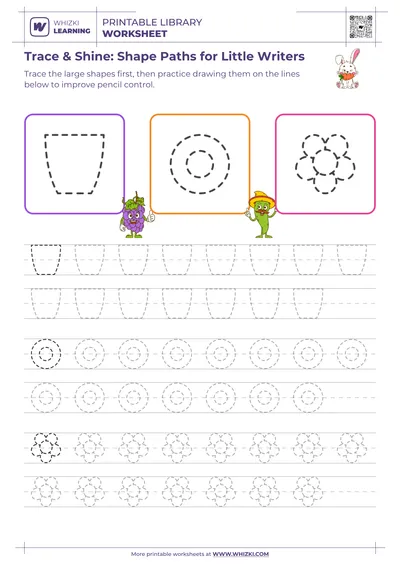
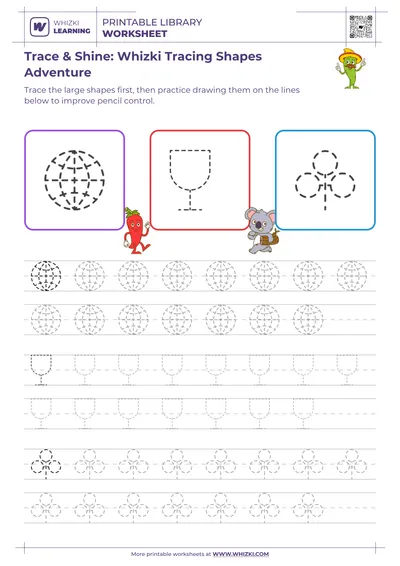
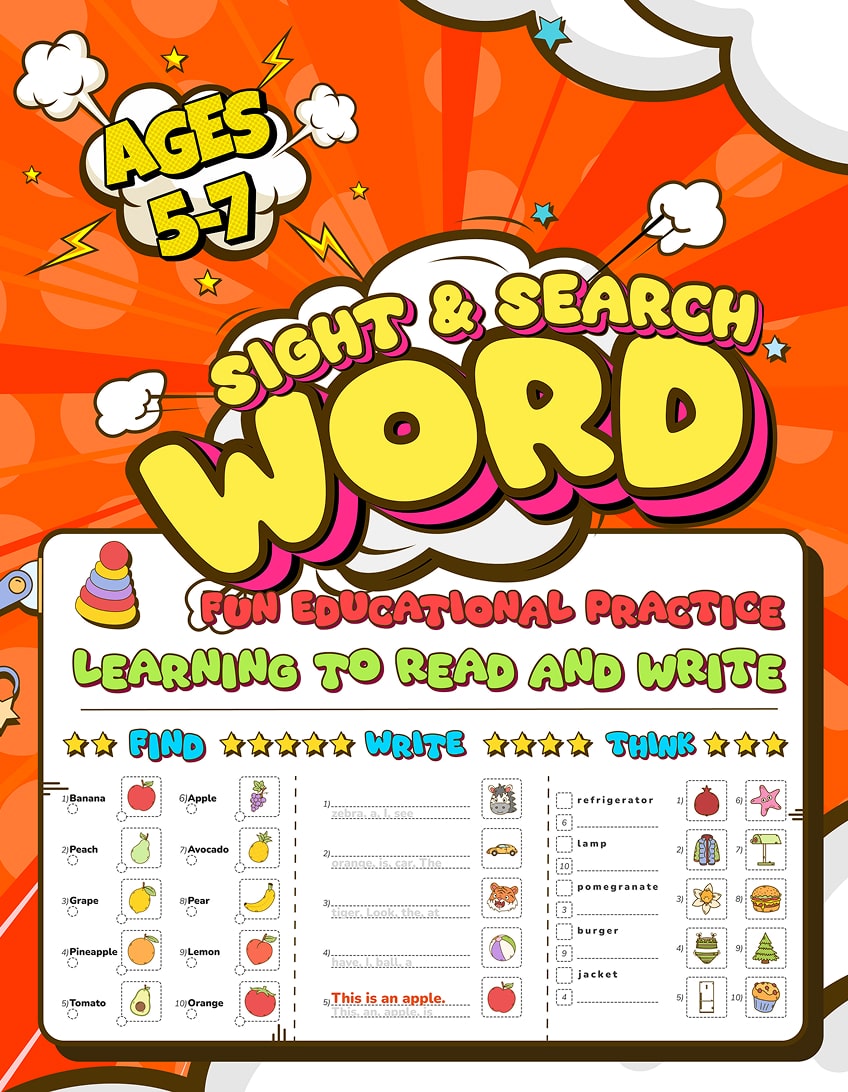
Proper letter formation needs consistent, high-quality physical materials to support accurate muscle memory. Whizki printed kindergarten workbooks use premium 120gsm paper, which gives the right tactile friction for controlled pencil movement. That paper texture helps prevent the pencil from sliding around, so the child can confidently practice top-to-bottom strokes. The resistance from the workbook pages supports learning the feel of correct writing, which is harder to get from frictionless, slippery tablet screens.
Correcting Without Criticizing
Correcting a child’s letter formation should never damage their self-esteem or their desire to learn. When parents use these kind, occupational therapist-approved physical fixes, the emotional power struggle fades away and handwriting becomes more about practice than performance. With targeted visual cues, playful gross-motor games, and high-quality printed workbook pages, kids can build beautiful, efficient handwriting with confidence.
Concrete next step: Pick just one mistake from the list, set up the matching fix for today, and keep the practice to a short, calm session. When the child experiences success quickly, the whole process gets easier for everyone.