Let’s be real, parenting can feel like a constant tug-of-war. One minute your child is excited to play, and the next minute you are trying to get through dinner, sibling chaos is starting, and screen time is suddenly “the easiest option.” If you have ever felt that pressure, you are not alone.
Here is a practical shift that helps right away. Everyday household items can give your child the kind of hands-on resistance that supports fine motor skills, and it does not require buying anything new. Pediatric occupational therapists often recommend screen-free fine motor play that builds the pincer grasp, and kitchen tools plus office supplies are perfect for that. Activities like threading noodles or squeezing sponges ask the small muscles in the hand to coordinate with what the eyes see, in real time. That tactile work builds finger strength and attention, while screens can make it harder to get the same kind of steady, focused practice.
This playbook walks you through 20 specific screen-free fine motor games, organized by household rooms. Each activity targets different “handwriting readiness” muscles, from bilateral coordination to shoulder stability. And when you are ready to add more structure, these offline sessions pair beautifully with structured focus activities.
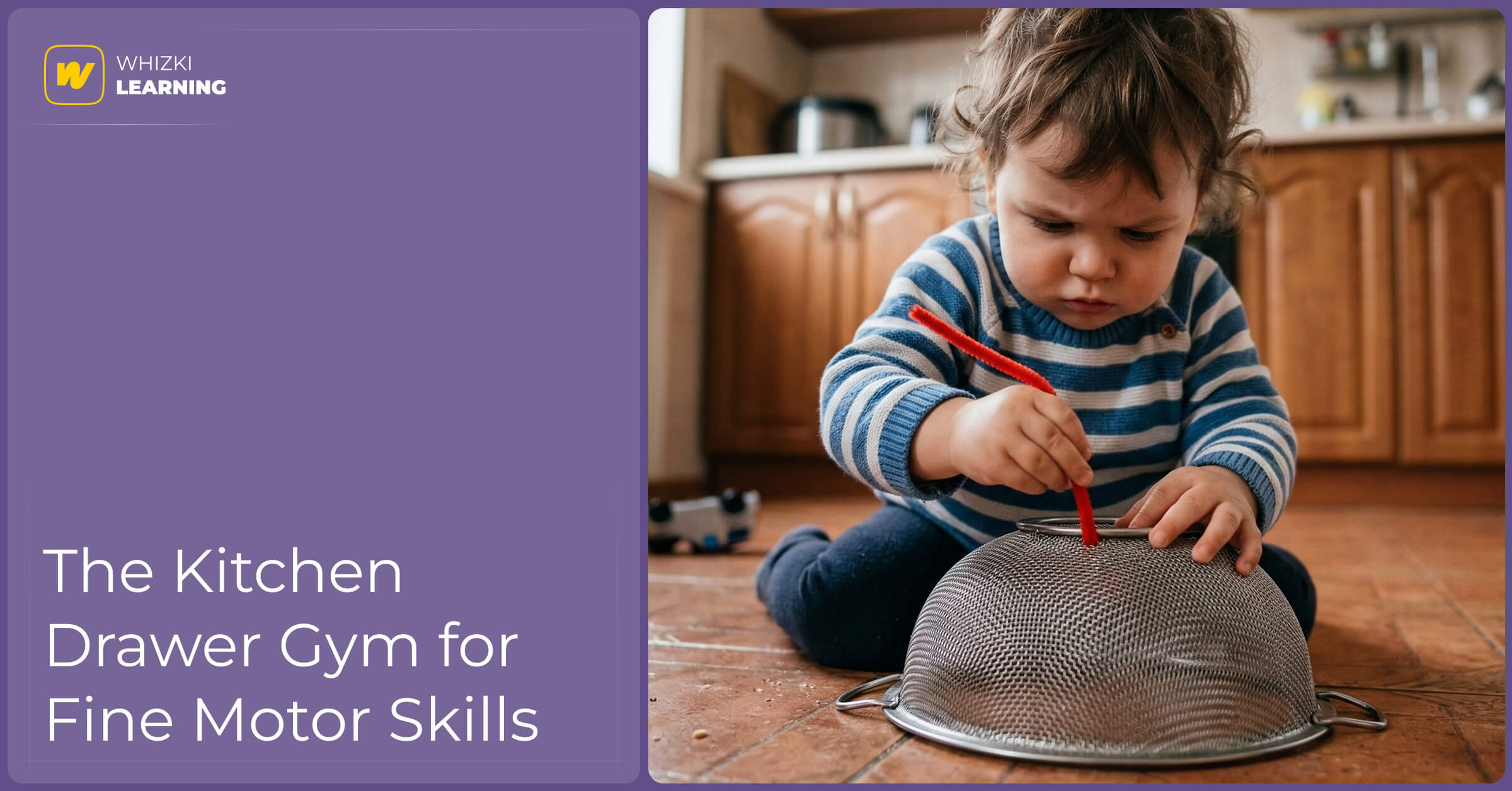
The Kitchen Drawer Gym for Fine Motor Skills
The kitchen is full of natural tools for building pinch strength and bilateral coordination. The American Occupational Therapy Association points out that using kitchen tongs mirrors the kind of hand movement needed for a mature pencil grip. These five kitchen-based activities give quick, satisfying feedback and keep kids engaged.
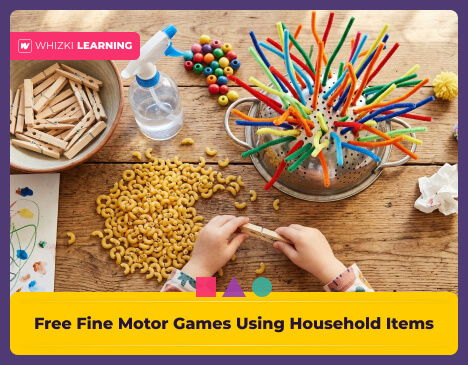
- 1. The Colander Porcupine: Give the child an upside-down metal colander and dry spaghetti noodles. The job is to thread the fragile noodles through the small holes, which builds hand-eye coordination and precision.
- 2. Ice Rescue with Tongs: Freeze small plastic figurines inside ice cubes, then put the cubes in a warm water bowl. The child uses metal kitchen tongs to pull the toys out, working the thumb and index finger muscles hard.
- 3. Spice Jar Twist-Off: Set out five empty spice jars in different sizes. Twisting the lids on and off asks the thumb, index, and middle fingers to work together in a coordinated way.
- 4. The Macaroni Necklace: Use dry penne pasta and a thick shoelace. Threading the hollow pasta onto the shoelace makes both hands work together, with quiet, steady focus.
- 5. Citrus Peeling Station: Provide a whole mandarin orange. Digging thumbs into the thick peel and tearing it away is a great workout for fingertips and fingernail beds.
The Laundry and Bathroom Circuit
Bathroom and laundry items bring in water and spring-loaded clips, and that combination creates real physical resistance. When kids squeeze against a spring mechanism, the palm muscles get a strong workout. These five activities use water and clips to keep the effort high and the play motivating.
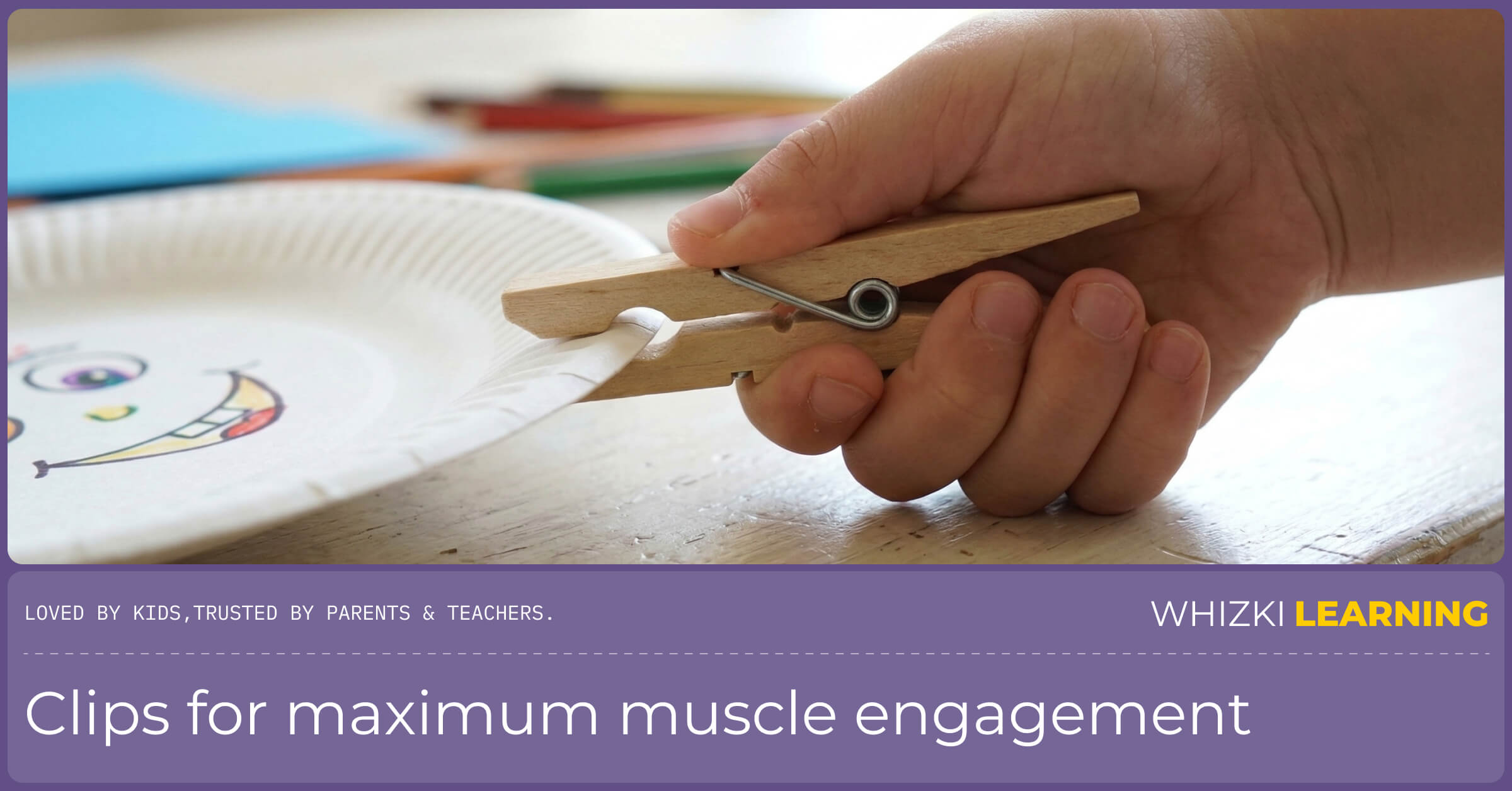
- 6. The Clothespin Monster: Provide a cardboard circle and wooden clothespins. The child pinches the clothespins onto the edge of the cardboard to make “hair,” clearly building the pincer grasp.
- 7. Sponge Transfer Station: Put one water-filled bowl and one empty bowl on the floor. The child soaks a large sponge, then squeezes the water into the empty bowl, building whole-hand strength and supporting shoulder stability.
- 8. Spray Bottle Window Washing: Offer a small plastic spray bottle filled with water. Pumping the trigger is a repetitive workout for the index and middle fingers.
- 9. Q-Tip Painting: Swap thick paintbrushes for standard cotton Q-tips. The thin shaft naturally encourages a tripod-like grip while painting.
- 10. The Coin Bank Drop: Use real coins and a traditional piggy bank with a thin slot. Picking up flat coins and aiming them into the slot combines tactile resistance with precision targeting.
The Living Room and Office Supply Lab
Office supplies can be excellent pre-writing tools, disguised as fun crafts. Early childhood education standards highlight that pulling and tearing are important building blocks for scissor skills. These five games are great when you want patience, fine finger control, and calm focus.
- 11. The Rubber Band Can: Use an unopened soup can and thick rubber bands. Stretching rubber bands over the metal cylinder builds advanced bilateral coordination.
- 12. Paper Tearing Art: Provide heavy construction paper. The child pinches the paper with both hands and tears it into tiny pieces for a mosaic, building pinch strength before safety scissors come into the picture.
- 13. Sticker Peeling Race: Use a sheet of small foil stickers. Peeling the adhesive sticker off the backing asks the child to use the tips of the fingernails, which strengthens micro-motor control.
- 14. Paperclip Chains: Provide jumbo vinyl-coated paperclips. Linking them into a long chain takes patience, visual tracking, and careful manipulation.
- 15. The 'Rescue the Tape' Game: Tape small plastic toys to a baking sheet using strong blue painter’s tape. The child peels the tape back to free the toys, working the extensor muscles of the fingers.
Bonus: Quiet Time Focus Builders
These final five games are great for calming the nervous system and building sustained attention. Research on early childhood concentration shows that sorting tiny objects supports visual discrimination, which later helps with letter identification. If your child struggles to settle before writing, these are a gentle bridge. And if you are looking for more ways to help kids regulate before tracing and writing, check out 10 Calm-Down Activities Before Tracing and Writing (Ages 4-6).
- 16. Button Sorting: Mix large buttons in a bowl. The child sorts by color or size into an ice cube tray, using precise pincer movements.
- 17. The Cheerios Thread: Stick a piece of raw spaghetti upright into a ball of Play-Doh. Then the child carefully threads Cheerios onto the noodle tower without knocking it over.
- 18. Tweezing Beans: Mix dry black beans and white beans. The child uses tweezers to separate the beans into two cups, practicing pencil-like control.
- 19. Wrapping Paper Unroll: Wrap a small toy in several layers of tissue paper or aluminum foil. Unwrapping is exciting and highly tactile for small fingers.
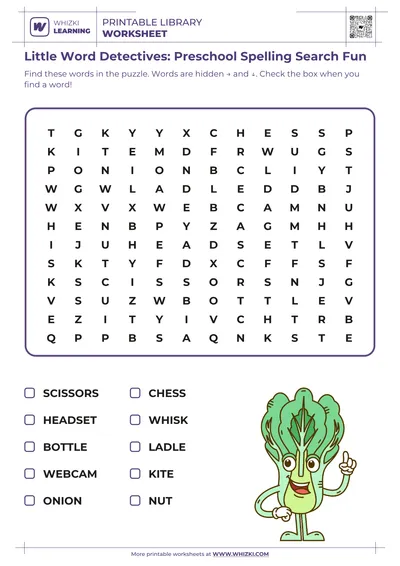
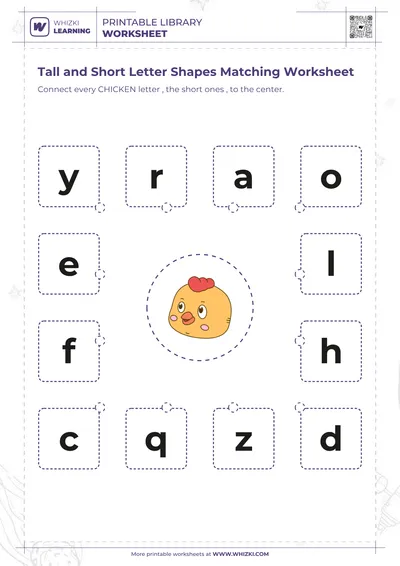
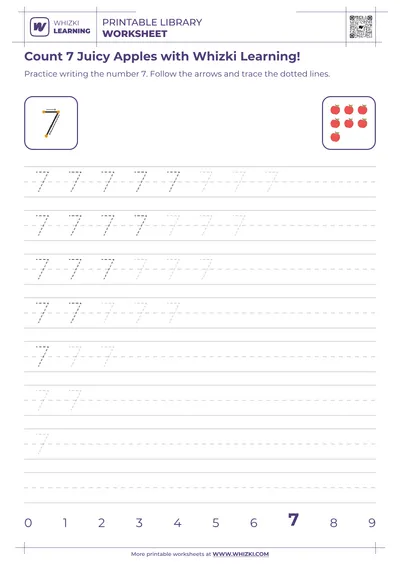
- 20. The High-Quality Workbook: After the hands are warmed up with analog games, the best next step is a structured printed workbook.
Transitioning to Whizki Printed Workbooks
Once household fine motor games build the child’s pincer grasp and shoulder stability, the next step is real handwriting practice. Whizki Trace & Write printed workbooks use premium 120gsm paper, which gives the right amount of tactile friction for pencil control. That physical resistance sends immediate sensory feedback to the brain, helping the hand muscles relax and form letters correctly.
And if you are trying to keep the routine simple, start with a quick “warm-up then write” flow. For example, play one kitchen game first, then move to the workbook. If you want more kitchen ideas that pair well with this routine, you will love 10 Number Games to Play in the Kitchen (Ages 3-6).
Unlike slippery tablet screens, Whizki workbooks provide the exact physical friction kids need to build confident, lasting handwriting muscle memory.
The Power of the Analog World
Parents do not need to turn living rooms into expensive toy stores. The everyday, analog environment already has what kids need to build their brain and body. When parents regularly use these simple household items, children get healthy physical friction, stronger focus, and better readiness for holding a pencil.
Concrete next step: Pick just one activity from the kitchen or laundry circuit and do it for 5 minutes today. Then, if the child is calm and willing, add one short workbook page right after. Consistency beats perfection, and those tiny practice moments add up fast.