Let me start with something real, because this is where a lot of families get stuck. In my years working with early learners, the most common thing anxious parents told me sounded like this: “My four-year-old cannot sit still. They will never survive a kindergarten classroom.” If your preschooler abandons a coloring book after exactly two minutes, it is so easy to assume the child is missing some important learning ability. But sustained focus is not a fixed personality trait. It is a skill, and like a physical muscle, it gets stronger with slow, intentional practice over time.
And yes, there is real friction here. Quiet work can feel hard when a child is used to fast, bright screens and constant stimulation. That is why building academic stamina means stepping away from highly stimulating digital entertainment and bringing back calm, tactile challenges. This step-by-step guide shares a proven, low-stress way to stretch a child’s independent attention span. When parents use a specific 15-minute focus habit routine consistently, preschoolers gain the emotional and cognitive resilience they need for a structured kindergarten day.
The Myth of the Naturally Focused Child
Parenting culture can quietly set an unfair expectation, like a ready-for-school child should independently sit and finish a worksheet for twenty minutes. Developmental psychology frameworks, however, describe that a typical preschooler’s independent attention span for adult-directed tasks is often about two to five minutes. Asking a four-year-old to concentrate deeply for twenty minutes is basically the same as asking a toddler to run a marathon. Young brains are built for rapid switching, active exploration, and whole-body learning, not long stretches of sedentary academic work.
There is also a very practical reason screens can make focus harder. Early literacy specialists note that frequent screen time can interfere with building this “focus muscle.” Digital tablets deliver constant dopamine hits through flashing colors and instant audio rewards, which reduces the need for internal effort. When parents swap those digital pacifiers for high-quality, logic-based printables, like the problem-solving practice in our preschool mazes and logic library, the brain gets to practice genuine, sustained attention in a healthy, analog format. If you are also dealing with the “I am bored” loop, this sibling guide can help: Why “Boredom” is the Ultimate Screen-Free Teacher.
How to Build the Focus Habit Step-by-Step
A tactical, educator-approved sequence to gently increase a preschooler's independent attention span using visual timers and tactile friction.
1. The 3-Minute Anchor Session
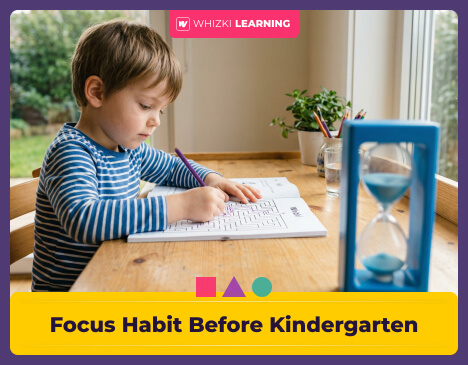
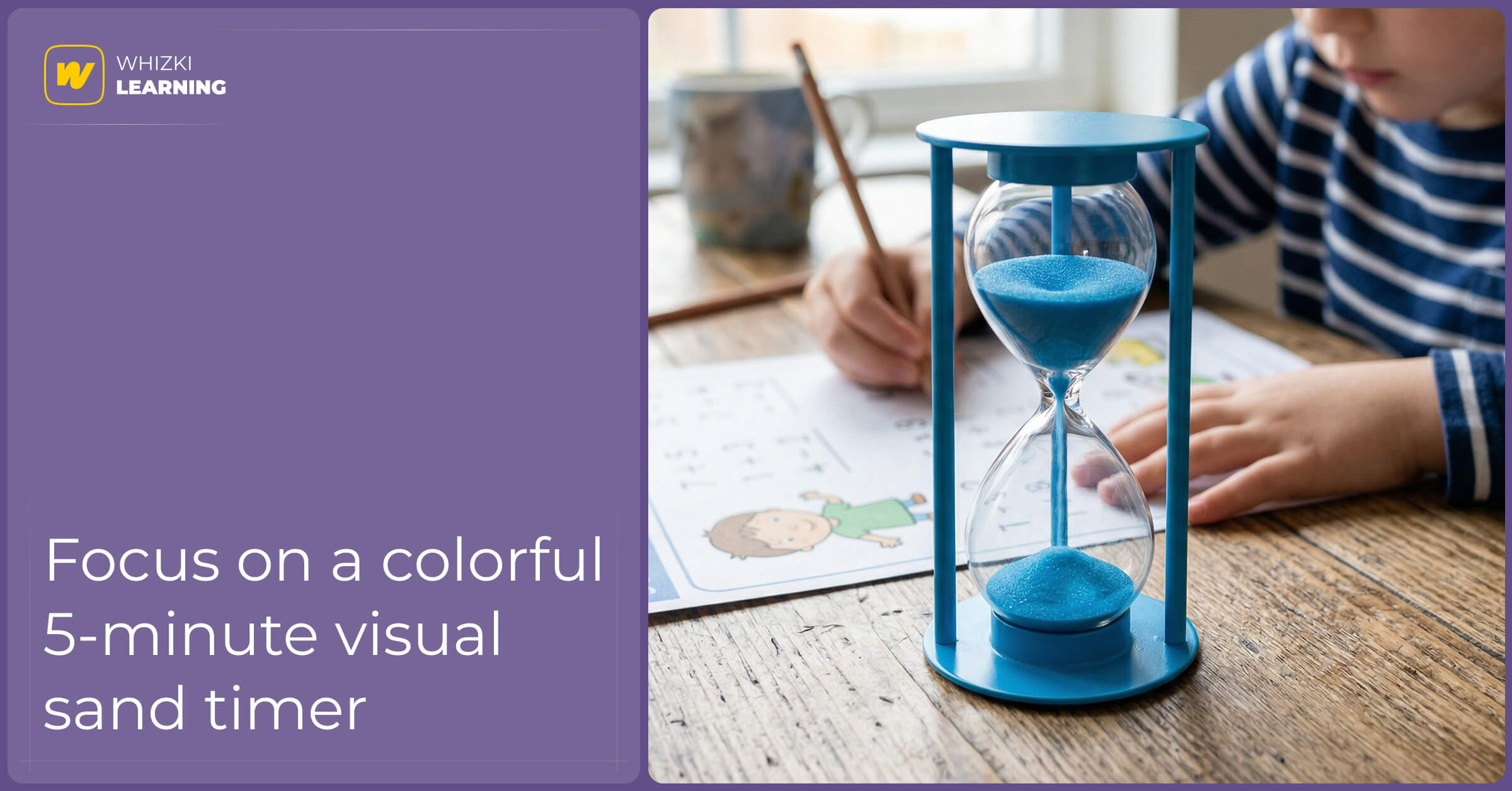
Parents need to start with a baseline habit that feels almost too easy. Set a visual sand timer for exactly three minutes, and offer the child one single, highly engaging analog task, like a simple puzzle or a threading game. The adult sits nearby and models quiet concentration, without hovering or micromanaging the activity. The key is this, stop the task right at the three-minute mark while the child is still happy. That timing matters, because it leaves the child feeling successful, not trapped.
2. Introducing Tactile Friction
Once the three-minute baseline feels comfortable, it is time to add tasks that require a little more physical effort and problem-solving. Occupational therapists often recommend activities that create tactile friction, like peeling stickers, sorting small beads with tweezers, or navigating printed mazes with a pencil. This physical resistance helps ground the child’s nervous system, so attention does not instantly scatter the way it can when a child swipes on frictionless digital screens.
3. The 'Wait Time' Stretch
After a reliable five-minute routine is in place, parents should teach the child how to handle boredom and mild frustration. When the child finishes a task early and asks to leave the table before the timer ends, the parent gently holds the boundary. The parent can say something calm and clear, the child does not have to keep working, but the child must stay quietly in the chair until the sand timer empties. This practice builds emotional resilience and impulse control in a way that feels safe, because the expectation is consistent.
4. Providing Visual Completion Cues
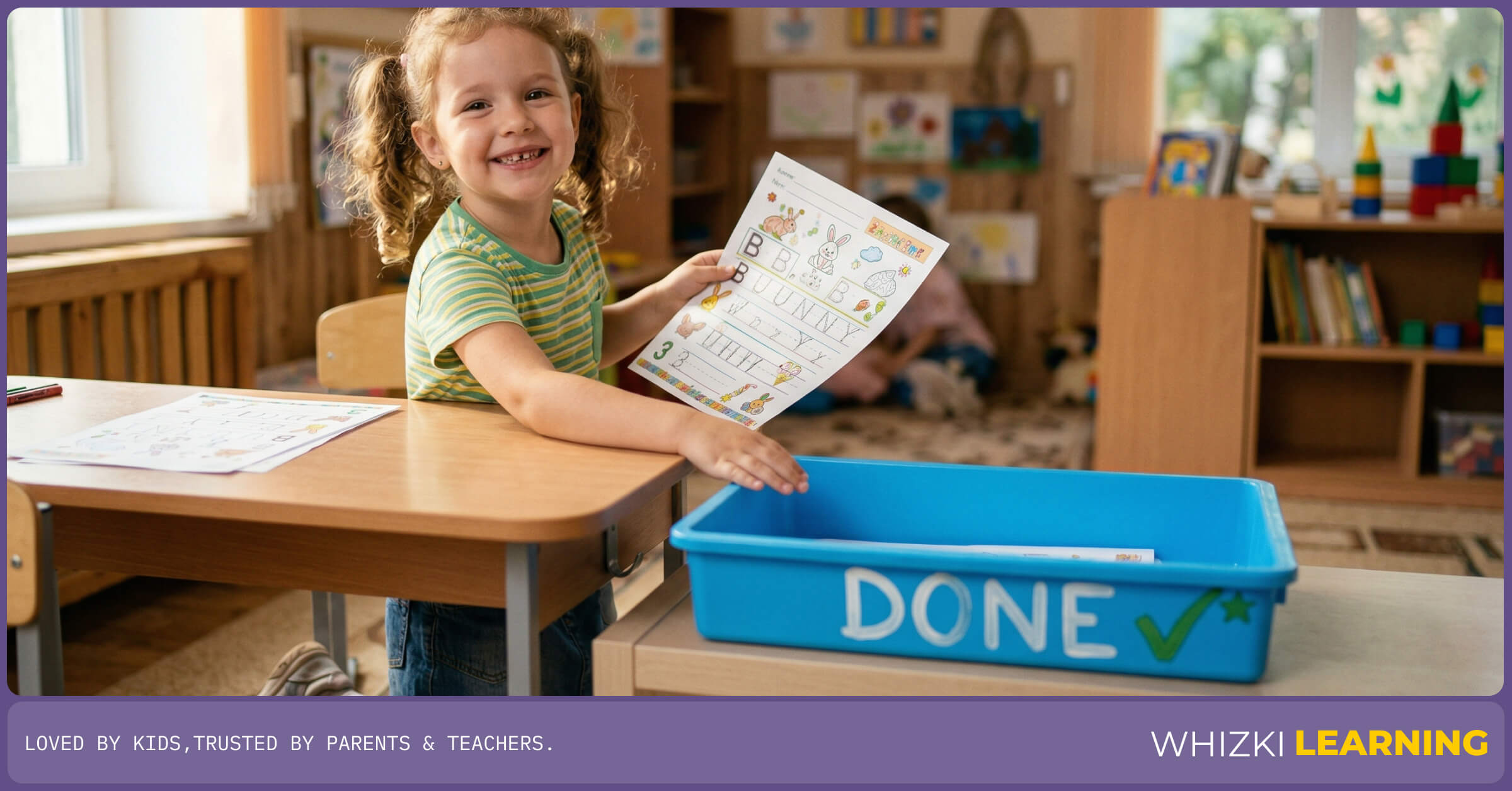
As focus sessions stretch toward the 15-minute kindergarten goal, parents should use clear visual cues that show how much work remains. Kindergarten teachers often use physical “done bins,” where children place completed papers, giving the child a tangible sense of progression. Handing a child a workbook and saying, “Do these three pages,” provides a concrete ending point. Saying, “Work until I tell you to stop,” can create open-ended anxiety that breaks concentration.
The Perfect Focus Gym: Whizki Workbooks
Building a 15-minute focus habit works best when the materials are engaging enough to keep the child interested, but structured enough to prevent overwhelming frustration. Whizki printed kindergarten workbooks feature beautifully illustrated, logic-based activities on premium 120gsm paper. That thicker paper creates the tactile friction writers need to develop steady hand control. The sensory feedback from the paper helps the child’s hand stay engaged for longer stretches of time. With screen-free Whizki workbooks, parents create a quiet, predictable learning space where the focus muscle can grow stronger day by day.
Consistency Creates Calm
Academic stamina does not appear overnight. It is built by carving out a few minutes each day for calm, analog tasks. When parents do that, the anxiety around kindergarten readiness starts to shrink. A consistent focus habit, paired with visual timers and high-quality printed materials, shows the child that they can complete hard things. That builds confidence and sets a strong precedent for the whole school journey.
If you are noticing common early writing patterns, like numbers that get flipped, this guide can help you respond with patience instead of panic: Number Reversals (Writing 3, 5, 7 Backwards): When to Worry.
Next step for today, pick one child-friendly task and run the “3-minute anchor” with a sand timer. Then, when the timer ends, celebrate the effort and stop while the child is still happy. If you want extra support for the hand and attention side of writing, you can also pair this habit with 10 Calm-Down Activities Before Tracing and Writing (Ages 4-6).