Parenting Guides

Our best articles, tips, and activities on "Parenting Guides". Real notes from screen-free homes: what to try, what helps, what to skip.

Parenting Guides

Welcome to our Parenting Guides corner. In this collection, parents and educators share their best practical tips, hands-on activities, and honest observations on this topic. No screens needed.

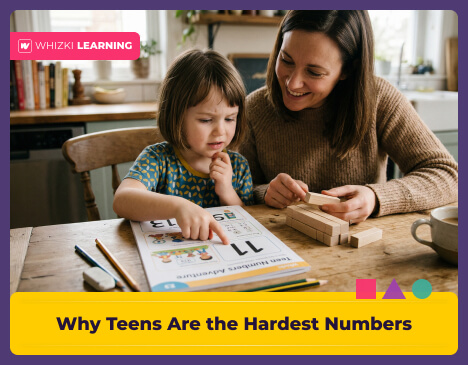
Counting Beyond 10: Why Teens Are the Hardest Numbers

Counting Beyond 10: Why Teens Are the Hardest Numbers

Many preschoolers count flawlessly to ten but completely freeze when they reach eleven. This educator-approved guide explains the linguistic trap of English 'teen' numbers and why they confuse early learners. Discover hands-on, base-10 counting strategies that help children master numbers 11 through 19 without tears or frustrating flashcard memorization.

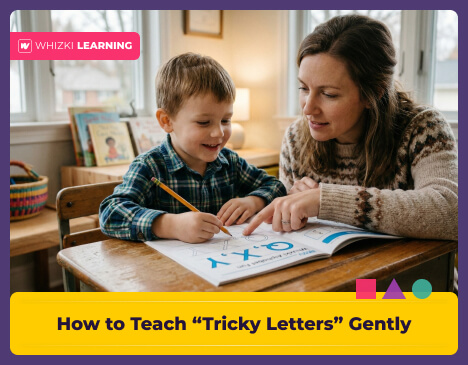
Q, X, Y Without Tears: How to Teach "Tricky Letters" Gently

Q, X, Y Without Tears: How to Teach "Tricky Letters" Gently

Teaching the letters Q, X, and Y often ends in frustration because these 'tricky letters' break standard phonetic rules. This educator-approved guide provides gentle, tactile strategies to teach the 'Q and U' partnership, the ending sound of X, and the sneaky vowel habits of Y. Learn how to navigate these spelling exceptions with your child using screen-free activities and printed workbooks.

Hard vs Soft C: The Easy Rule + Kid-Friendly Examples

Hard vs Soft C: The Easy Rule + Kid-Friendly Examples

English spelling rules often confuse early readers, especially when one letter makes two entirely different sounds. This educator-approved guide breaks down the simple 'Bossy E, I, Y' rule that determines whether the letter 'C' sounds hard (like a cat) or soft (like a city). Learn how to teach this essential phonics concept using kid-friendly examples and hands-on, screen-free activities.

Take the next step off-screen

Our free articles cover the why and the how. For a structured journey, our printed workbooks pack 80+ pages of durable practice for hours of hands-on, no-screen learning.

Browse the workbooks
Hard vs Soft G: The Easy Rule Parents Can Remember

Hard vs Soft G: The Easy Rule Parents Can Remember

English spelling rules often frustrate early readers, especially when one letter makes two completely different sounds. This teacher-tested guide breaks down the simple 'Bossy E, I, Y' rule that determines whether the letter 'G' makes a hard sound (like gorilla) or a soft sound (like giraffe). Learn how to teach this phonics concept through hands-on learning games that help your child thrive offline.

Phonics vs Memorizing: What Actually Builds Reading Confidence

Phonics vs Memorizing: What Actually Builds Reading Confidence

Many early childhood reading programs rely on memorizing 'sight words' using flashcards, but this visual memorization strategy often creates fragile readers. This comprehensive guide compares phonics instruction against rote memorization, explaining the neurological mechanisms behind decoding. Learn why teaching letter sounds builds genuine reading confidence and how to foster a growth mindset in young readers.

Phonics for Parents: A Simple Method That Works (Preschool–K)

Phonics for Parents: A Simple Method That Works (Preschool–K)

Teaching a child to read often creates immense anxiety for parents, leading to frustrating flashcard memorization. This comprehensive guide details a proven, Montessori-inspired phonics method that prioritizes letter sounds over letter names. Learn how screen-free, hands-on learning activities build essential phonemic awareness and prepare preschoolers for fluent reading without academic pressure.

Explore the learning hub

Free letter, number, and skill walk-throughs organized A to Z and 0 through 10. Use them alongside your favorite workbook or as a stand-alone reading break.

Open the learning hub

Parenting Guides

Welcome to our Parenting Guides corner. In this collection, parents and educators share their best practical tips, hands-on activities, and honest observations on this topic. No screens needed.

The 7-Day 'Writing Confidence Reset' for Preschool & Kindergarten

The 7-Day 'Writing Confidence Reset' for Preschool & Kindergarten

When a child cries at the sight of a pencil, parents must completely stop handwriting practice to prevent long-term academic anxiety. This tactical 7-day guide provides a clinical 'Writing Confidence Reset' designed by early childhood experts. Learn how to rebuild a child's fine motor confidence through screen-free sensory play, vertical drawing, and high-quality printed workbooks without any pressure or shame.

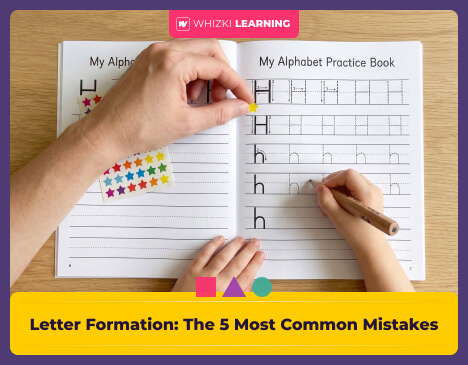
Letter Formation: The 5 Most Common Mistakes (and the Kind Fixes)

Letter Formation: The 5 Most Common Mistakes (and the Kind Fixes)

Children frequently develop incorrect handwriting habits, such as starting letters from the bottom or applying extreme pencil pressure. This tactical guide outlines the five most common letter formation mistakes and provides occupational therapist-approved, kind fixes for each. Learn how high-quality printed workbooks and specific tactile exercises build permanent, correct muscle memory without frustrating the child.

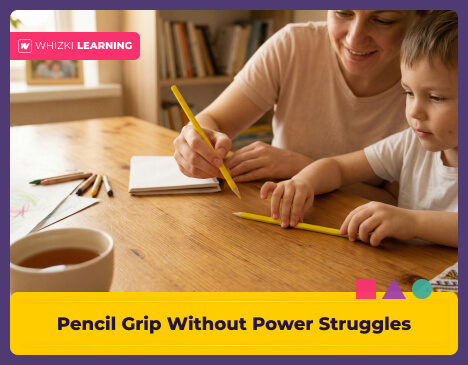
Pencil Grip Without Power Struggles: Gentle Fixes That Work (Ages 3–6)

Pencil Grip Without Power Struggles: Gentle Fixes That Work (Ages 3–6)

Seeing your child hold a pencil like a dagger can trigger instant panic. But constantly 'correcting' their grip often leads to tears and a hatred of drawing. This How-To guide reveals gentle, occupational therapist-approved tricks-like the 'Broken Crayon' and the 'Pinch and Flip'-to naturally fix pencil grip without the power struggles. Learn why tactile resistance matters and how to set your child up for handwriting success.

Free printable worksheets

Hundreds of single-page activities sorted by age, subject, and skill. Print, sit beside your kid, done. No subscription, no companion app.

See the printables

Join the Screen-Free Movement.

Get exclusive activities, expert tips, and inspiration for a more meaningful, offline family life.

Copyright © 2025 - 2026 Whizki Learning. All rights reserved.