Let’s be real, “kindergarten prep” can feel like a pressure cooker. One minute you’re just trying to get through dinner, and the next minute you’re staring at a worksheet, a timer, and a child who suddenly has no interest in sitting still. If you’ve ever ended up with tears, power struggles, or that “we’ll try again tomorrow” promise, you’re not alone.
Here’s the kinder, smarter secret early childhood educators lean on: kindergarten prep activities shouldn’t look like homework. At ages 3 to 7, a child’s brain learns through play, movement, and hands-on experience. When you turn “practice” into something they want to do, they build real cognitive and physical stamina, without the fight.
Play is often talked about as if it were a relief from serious learning. But for children, play is serious learning. Play is really the work of childhood.- Fred Rogers
If you want readiness without the battles, put away the flashcards. Below are 10 brilliant, screen-free activities for kids that build the exact classroom skills they need, disguised as fun.
10 Playful Ways to Prepare for Kindergarten
These activities hit the core pillars we talked about in our Kindergarten Readiness Guide: fine motor strength, working memory, and following directions.
1. The 'Tape Rescue' Mission (Fine Motor)
Grab a few of their favorite small plastic toys (dinosaurs or cars work great) and tape them to a baking sheet using blue painter's tape. Tell your child the toys are trapped and need rescuing. Peeling the tape takes serious use of the 'pincer grasp', the same finger strength kids need to hold a pencil.
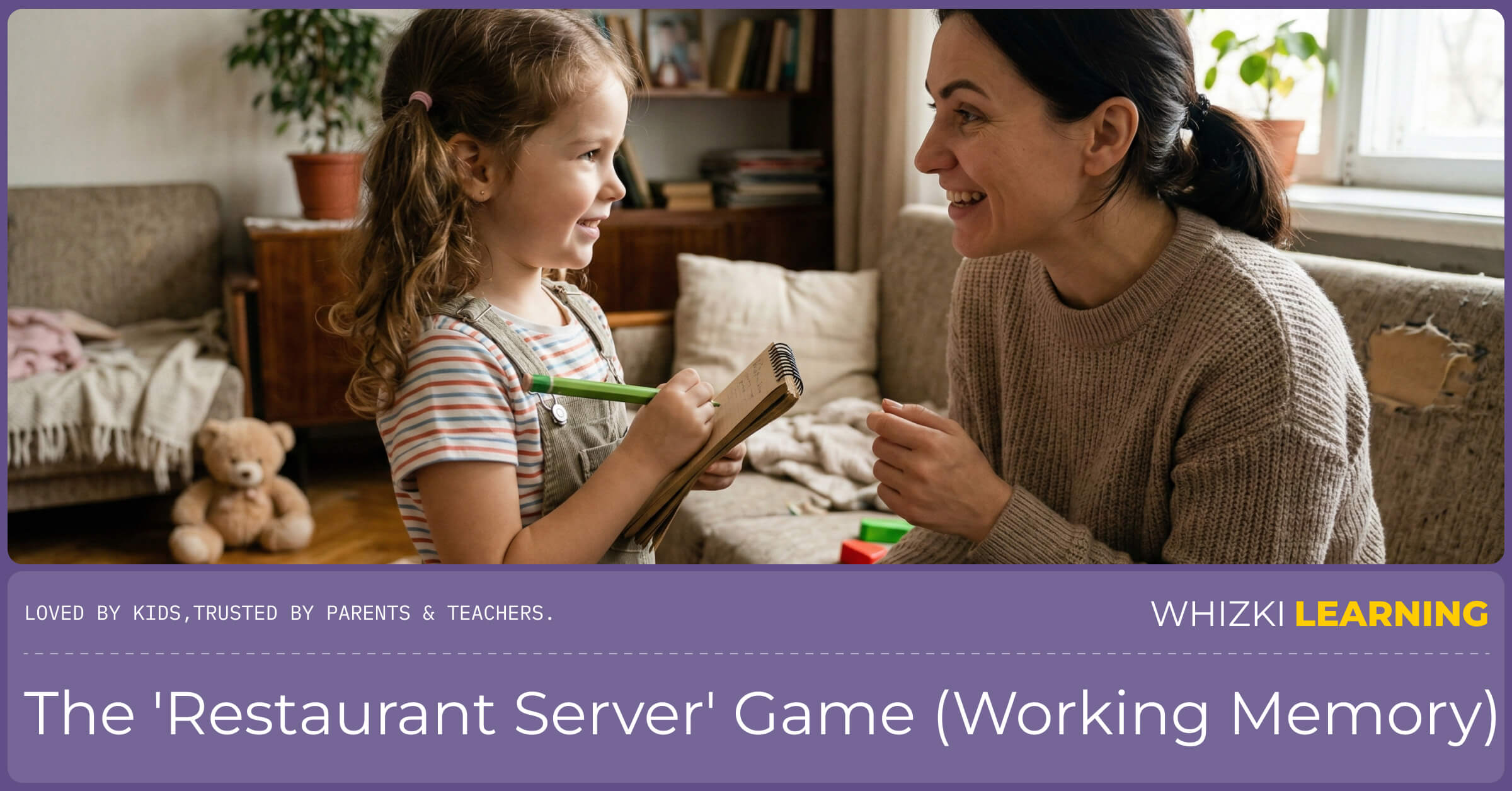
2. The 'Restaurant Server' Game (Working Memory)
Have your child pretend to be a waiter. Hand them a notepad. Then give a two or three-part order, like: "I would like a block of cheese, a blue crayon, and a pillow, please." They have to remember the sequence, fetch the items, and bring everything back. It’s excellent practice for following multi-step directions, even when the room feels noisy and busy.
3. The 'Coffee Shop' Special (Focus & Workbooks)
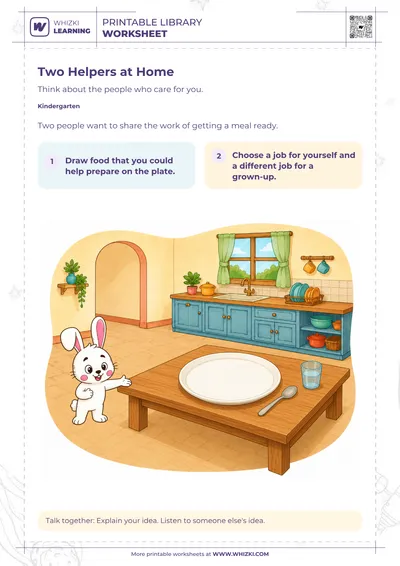
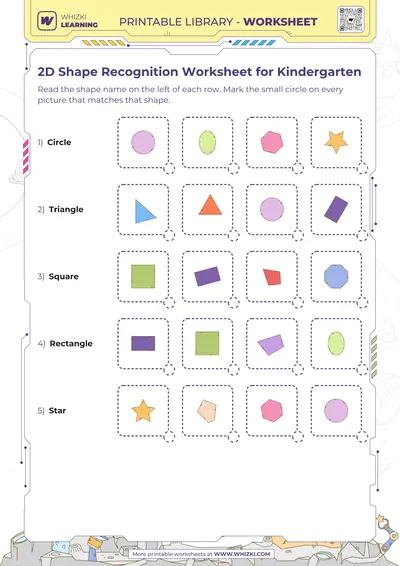
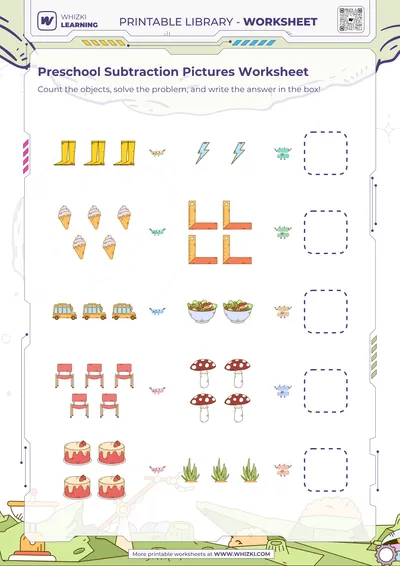
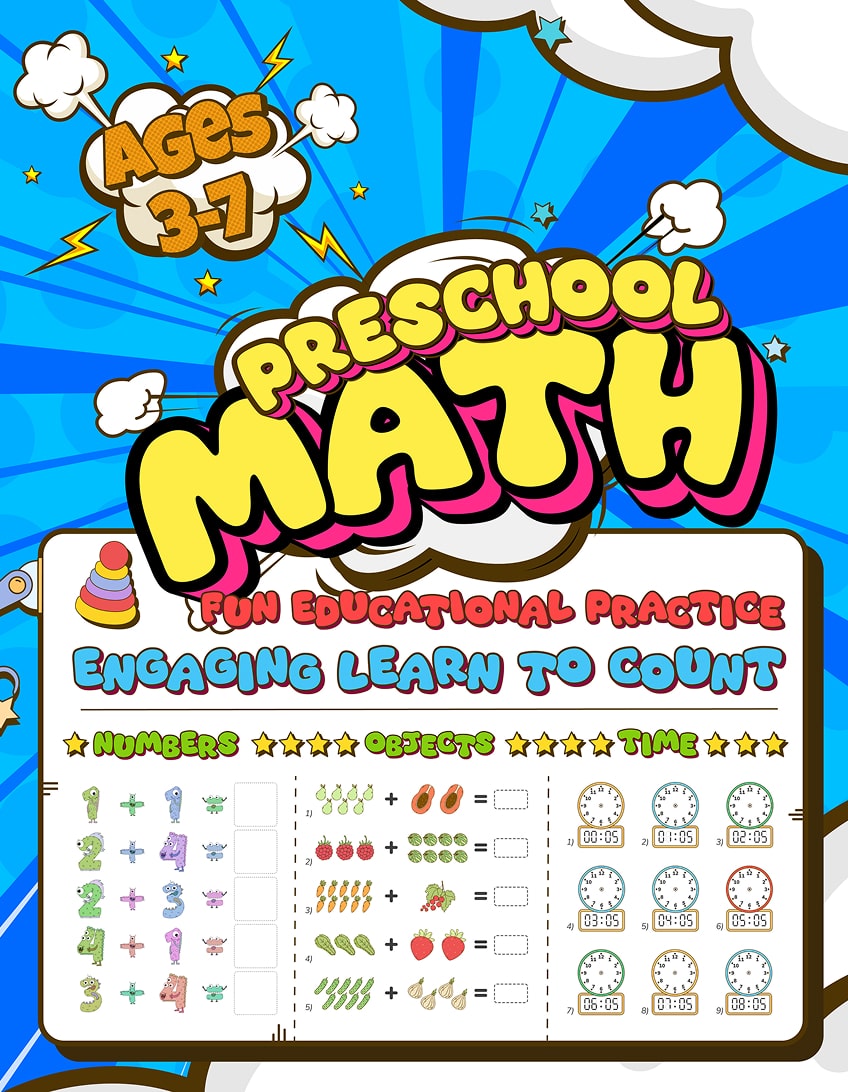
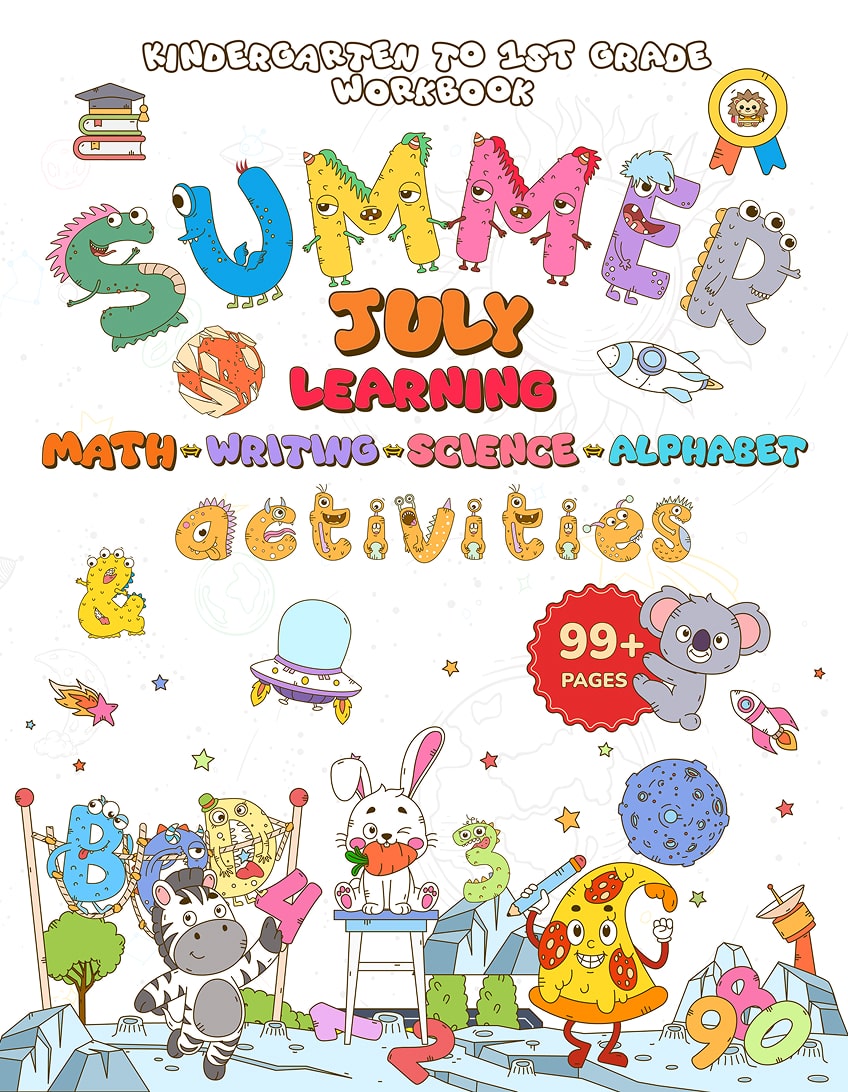
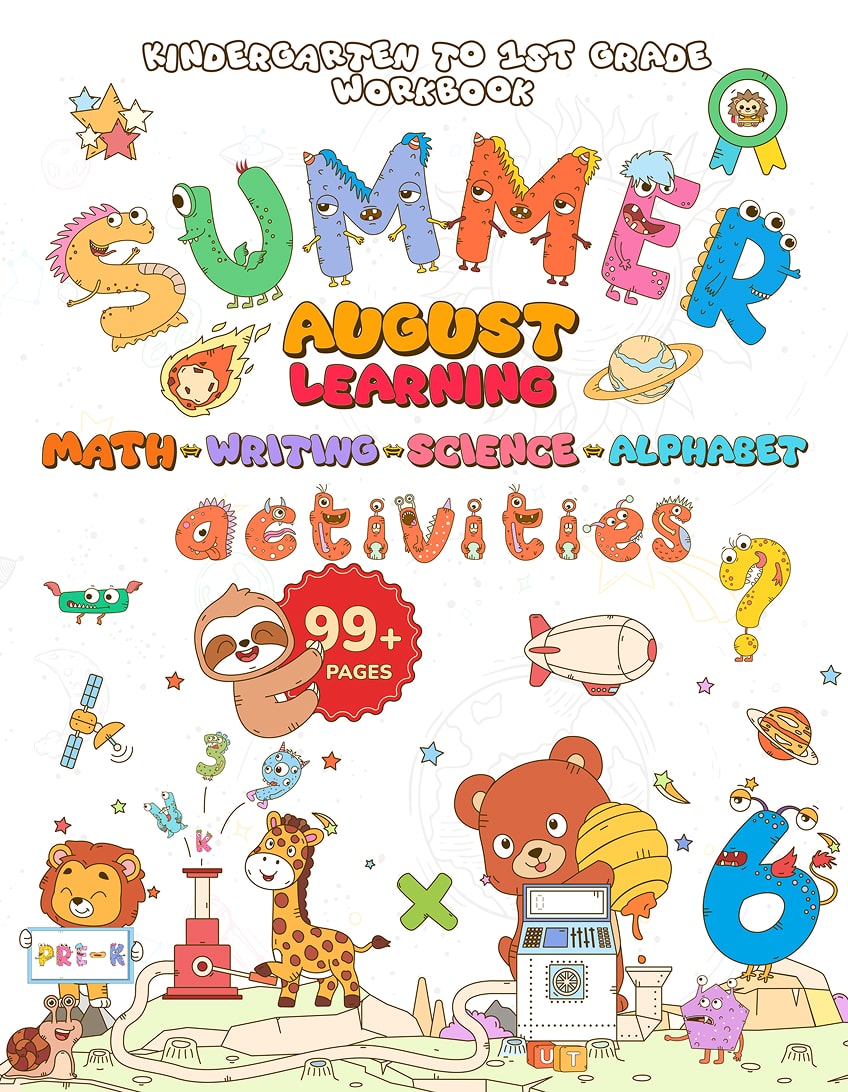
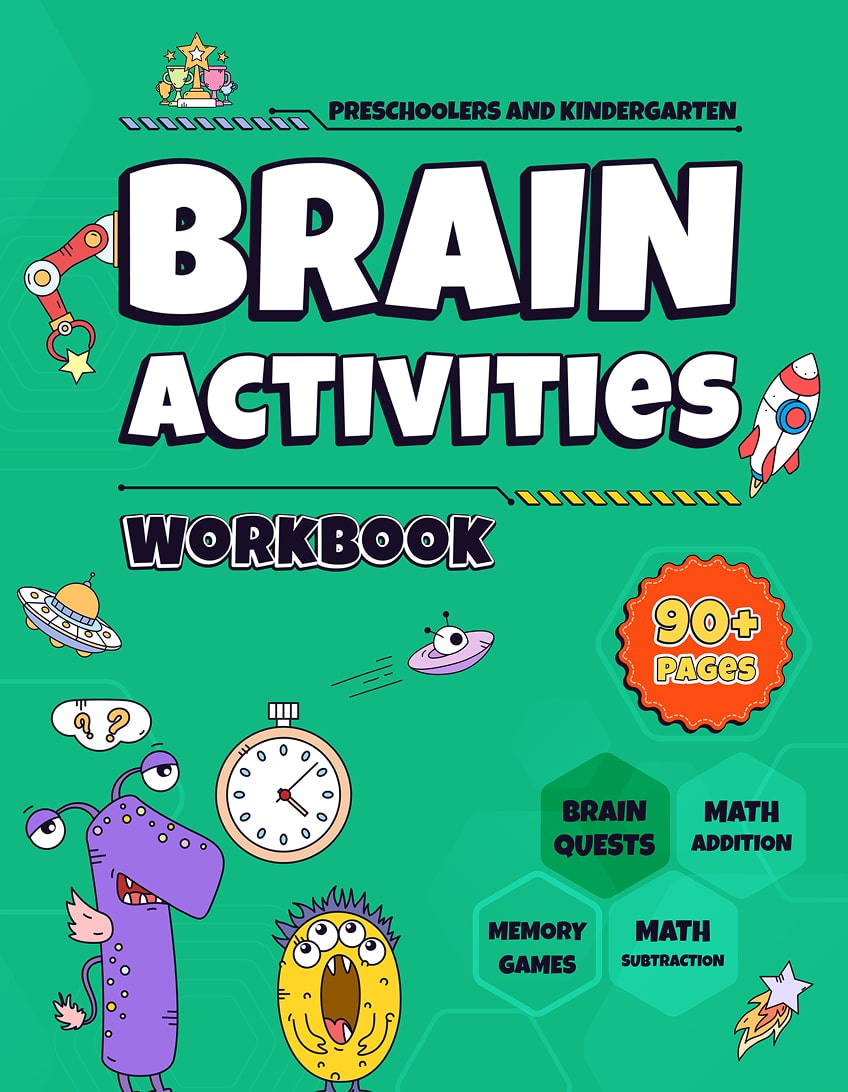
Make 'table time' feel like a treat. Set up a pretend coffee shop and let them “order” a special cup of hot cocoa or juice. Then pull out a high-quality printed workbook and call it their 'Special Cafe Menu.' Since our Whizki books are vibrant and logic-based, they feel like puzzles, not chores. That’s how you build focus stamina in a warm, cozy way.
If you want a simple routine for getting that focus habit started, you might also like How to Build a 15-Minute Focus Habit Before Kindergarten.
4. The 'Laundry Sorter' (Math & Classification)
Don’t do the laundry alone. Dump a pile of socks on the floor and ask your child to find the matches. Sorting, matching, and classifying are foundational math skills, and they come with built-in movement. Plus, this helps kids practice visual discrimination, which matters later when they’re learning to tell the difference between a 'b' and a 'd'.
5. The 'Nature Potion' (Science & Pouring)
Give them a bucket, a stirring stick, and access to dirt, leaves, and water. Let them make a 'potion.' If you add measuring cups or an eye dropper, you’re sneaking in volume estimation and a whole lot of fine motor work. It’s messy, glorious, hands-on learning at its finest.
6. The 'Grocery Store Scavenger Hunt' (Literacy)
The grocery store is full of print. Use that! Give them a mission: "Can you find three things that are red?" Or, if they are working on letters, try: "Can you find a box that has a big letter 'C' on it?" Suddenly, an ordinary errand becomes a reading readiness game.
7. The 'Story Scramble' (Sequencing)
After reading a familiar bedtime story, tell it back to them on purpose, but wrong. "So Goldilocks ate the porridge, and THEN she went into the forest..." Let them catch you. Understanding story sequence, beginning-middle-end, is a huge leap for reading comprehension.
8. The 'Obstacle Course' (Gross Motor & Directions)
Set up a simple course in the living room using pillows and chairs. Give a multi-step rule: "You must jump over the pillow, crawl under the chair, and touch the wall." When physical movement and cognitive instructions work together, kids strengthen that brain-body connection.
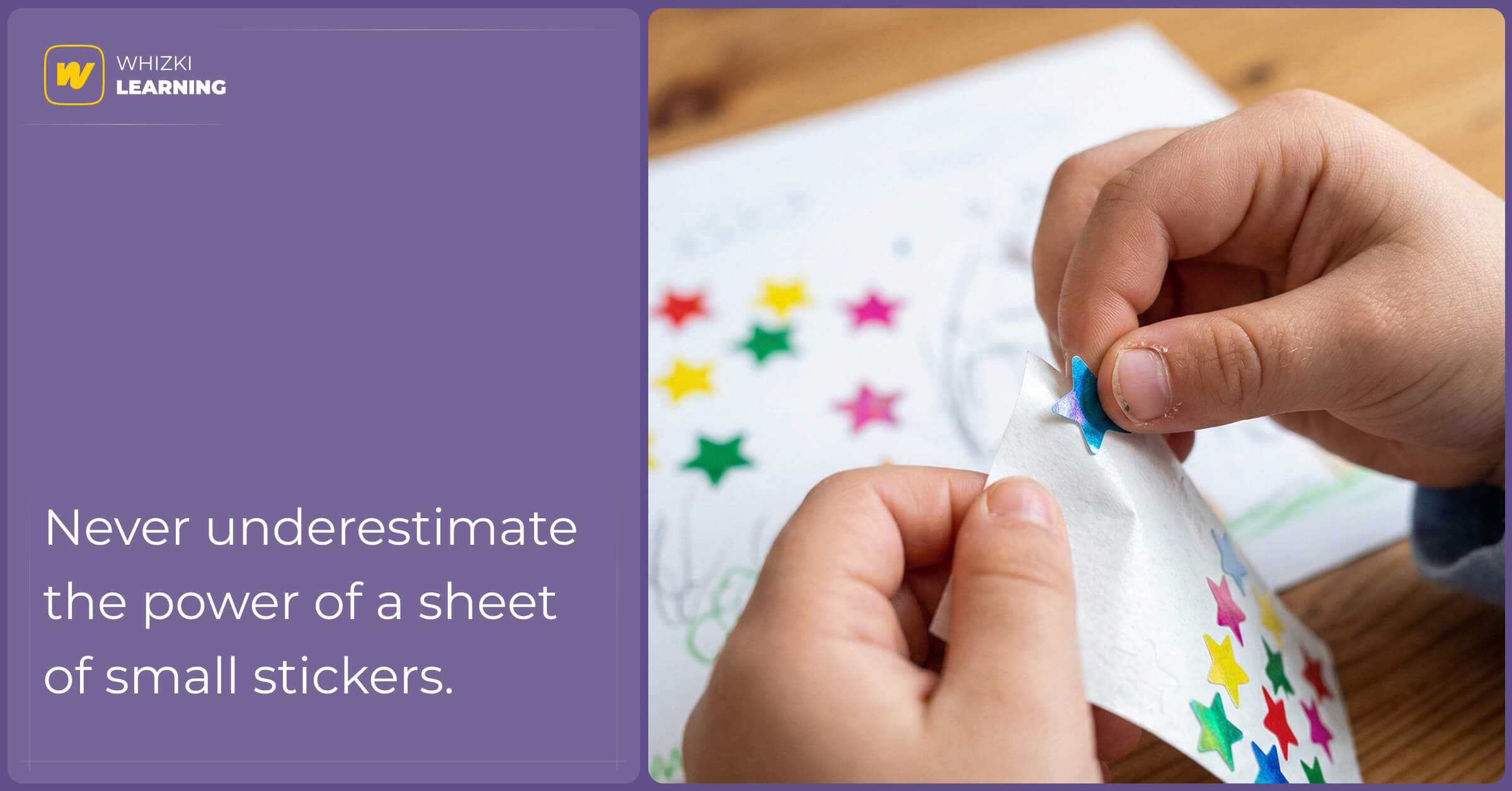
9. The 'Sticker Peeling Station' (Pincer Grasp)
Never underestimate the power of a sheet of small stickers. Peeling them off the backing is one of the best fine-motor workouts a child can do. Give them a piece of paper and let them create a sticker mosaic.
And if your child is working on pencil grip and readiness, you may also enjoy 10 Calm-Down Activities Before Tracing and Writing (Ages 4-6), because calm hands make writing practice easier.
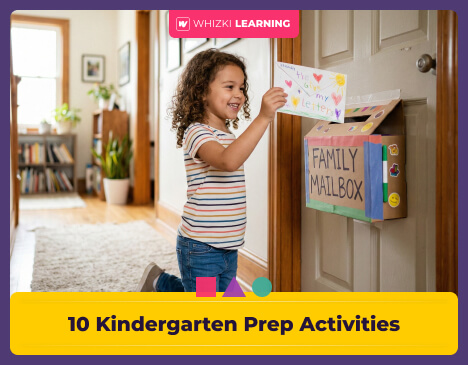
10. The 'Family Mailbox' (Pre-Writing)
Tape a shoebox to their bedroom door and call it a mailbox. Encourage them to “write” letters to you. It doesn’t matter if it’s scribbles or drawings. When writing has a real-world, emotional purpose, it motivates kids to practice using a pencil far more than a blank worksheet ever will.
Take the Prep to the Next Level
If you love these playful ideas and want an easier way to add more structured learning into your week, you’ll want the right tools. Our kindergarten workbooks are designed to feel like games. They require zero prep from parents and give kids 100% screen-free engagement. For parents who want to build a more complete routine, check out our guide for an at-home kindergarten curriculum that honors play while building the skills that matter.
Learning Hidden in Plain Sight
Kindergarten readiness isn’t something you force by cramming. It’s the natural result of a rich, engaging, playful environment. When you add these kindergarten prep activities into your day, you reduce the pressure on both of you. You’re not playing teacher, you’re just being a parent, guiding your child through the joyful, messy business of growing up.