It is a really common moment, and it can feel so discouraging. A parent sits down at the kitchen table with a four-year-old, gently guiding their tiny hand to form the letter 'A'. The child gets frustrated, the pencil slips, and the paper tears. And then the worry shows up, 'Why can't they do this yet? Are they behind?'
Here is the truth that can save you hours of stress: writing letters is not a memorization task. It is a highly complex, physical feat. Expecting a preschooler to write letters before they have the foundational physical skills is like asking someone to run a marathon before they can walk.
A child's hand is not a small adult hand. It is a developing instrument that needs time, play, and resistance to grow strong.- Sunny Hedge
In this guide, we are going to walk through the world of pre-writing skills. We will explore the invisible physical foundations of handwriting, the specific sequence of shapes a child must master before letters, and the most effective ways to provide high-quality handwriting practice without tears.
Chapter 1: The Invisible Foundation of Handwriting
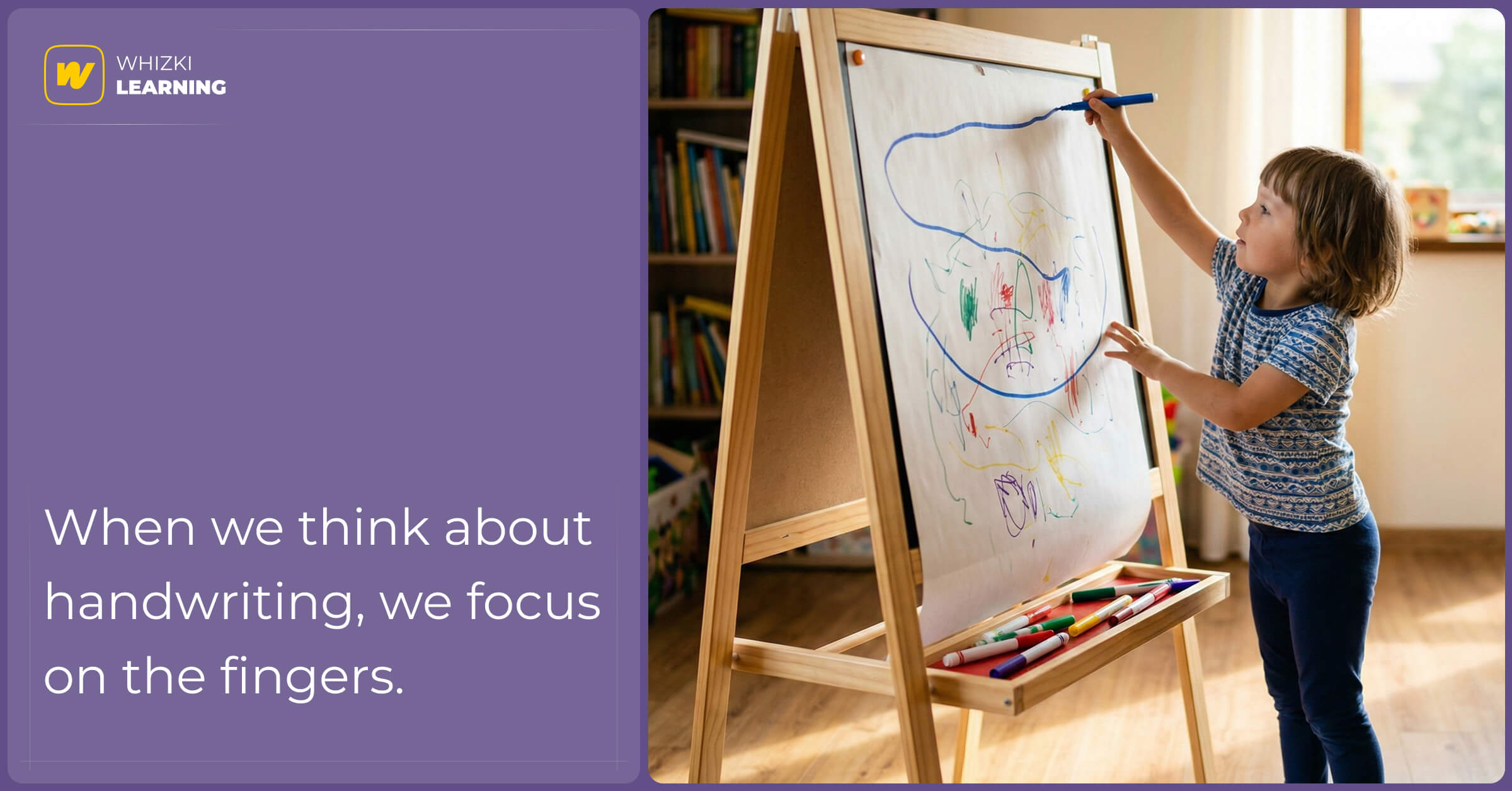
When we think about handwriting, we focus on the fingers. But occupational therapists will tell you that writing actually starts in the torso. A child needs strong postural control (core strength) to sit upright at a desk without leaning heavily on their arm. Next, they need shoulder stability to control the movement of their arm. Only when the core and shoulder are stable can the tiny muscles in the hand and fingers do the delicate work of guiding a pencil.
If your child is slumping at the table or gripping the pencil with a full fist (the 'palmar grasp'), their body is telling you: 'I am not physically ready for tiny letters yet. I need to build bigger muscles first.'
Chapter 2: The 9 Pre-Writing Strokes
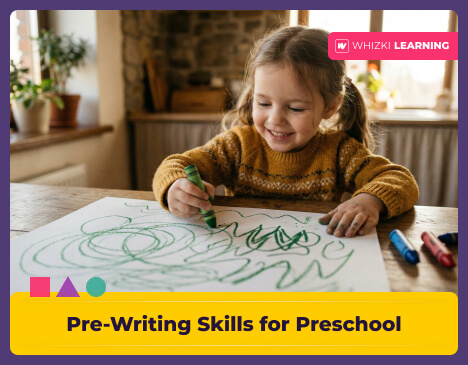
Before a child can write the alphabet, they must master a specific developmental sequence of lines and shapes, known as pre-writing strokes. These are the building blocks of every letter and number.
- Age 2-3: Vertical lines ( | ), Horizontal lines ( - ), and Circles ( O ).
- Age 3-4: Crosses ( + ) and Squares ( □ ).
- Age 4-5: Right and Left Diagonal lines ( / \ ), X shapes ( X ), and Triangles ( △ ).
Think about the letter 'A'. It consists of two diagonal lines and a horizontal line. If your child hasn't developmentally mastered drawing a diagonal line yet, forcing them to write an 'A' will only result in frustration. Before jumping to the alphabet, spend time playing with these foundational shapes.
If frustration starts to creep in during practice, you can also switch to a quick reset first. Try one of the calming strategies from 10 Calm-Down Activities Before Tracing and Writing (Ages 4-6), then come back to the shapes when the body is ready.
Chapter 3: How to Improve Fine Motor Skills Naturally
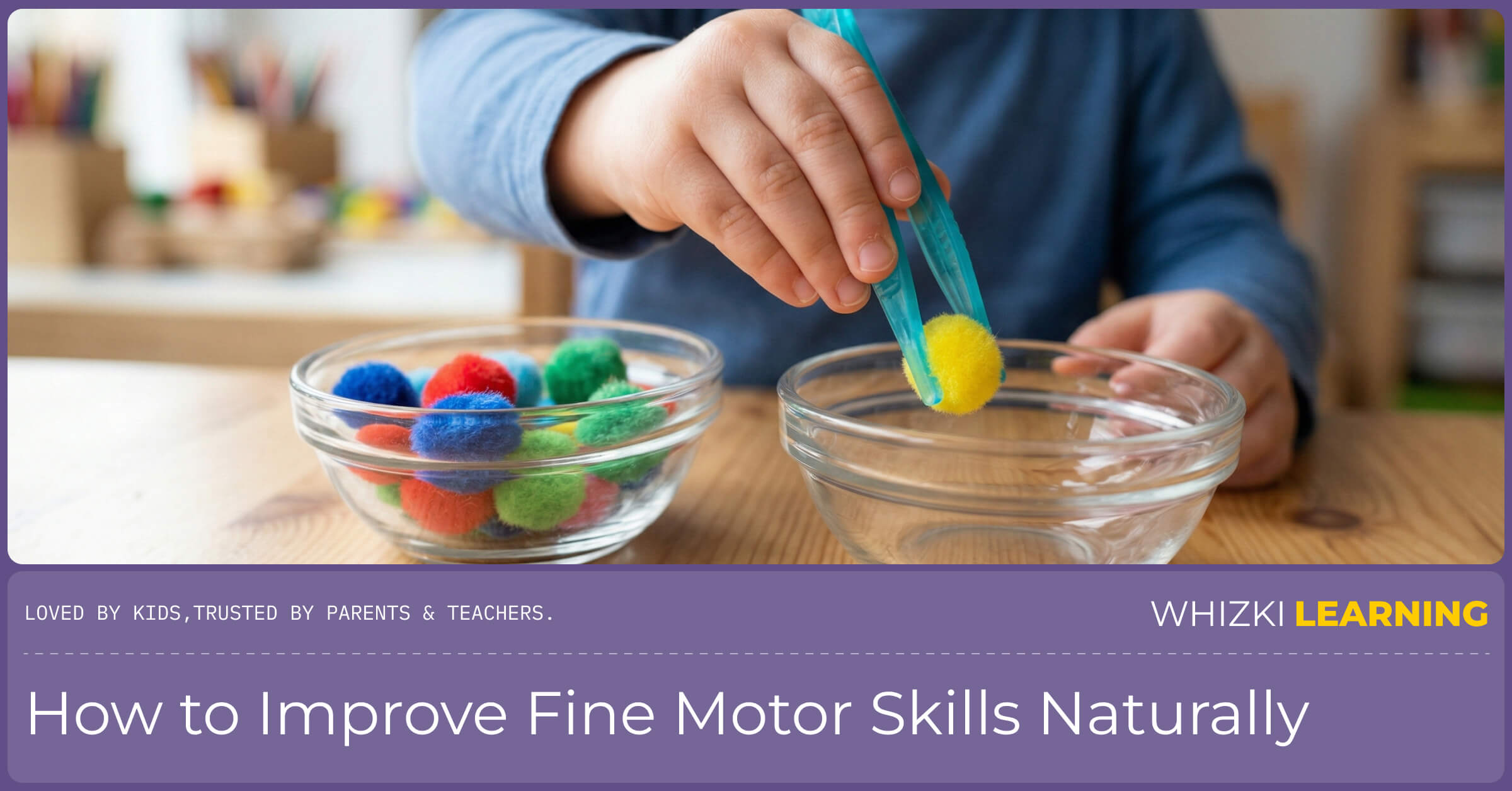
So, if tracing tiny letters isn't the answer, what is? The best way to prepare a hand for writing is through vigorous, tactile play. If you are wondering how to improve fine motor skills, look no further than your toy box and kitchen.
- Play-Doh Power: Squeezing, rolling, and pinching modeling clay is the ultimate gym workout for the small muscles of the hand.
- Tongs and Tweezers: Have your child use kitchen tongs to transfer small toys from one bowl to another. This directly strengthens the muscles needed for the mature 'pincer grasp'.
- Vertical Surfaces: Taping a piece of paper to the wall or using an easel forces the wrist into an extended position, which is critical for proper pencil control.
These tactile experiences are vital. As we declared in our Hands-On Manifesto, the physical friction of interacting with the real world builds neural pathways that a smooth digital tablet simply cannot replicate.
The Right Tools for the Transition
When your child’s hands are strong and they are ready to transition to paper, the quality of the materials matters immensely. Flimsy paper that tears easily or cheap markers that bleed through create unnecessary frustration.
Our Whizki Trace & Write series is designed to provide exactly what young learners need: high-quality handwriting practice. We focus on pre-writing lines, paths, and shapes before introducing complex letters. Our printed workbooks use thick, premium paper that provides the perfect amount of 'pencil drag' (friction), giving your child the sensory feedback their brain needs to master control. It is structured, calm, and perfectly paced for developing hands.
And if you are trying to make practice feel less like a battle, start small and predictable. For ideas on building that steady attention window, see How to Build a 15-Minute Focus Habit Before Kindergarten.
Patience is the Best Pedagogy
Handwriting is a marathon, not a sprint. By understanding the physical mechanics of writing and focusing on pre-writing shapes and hand strength, you remove the pressure from your child. Celebrate the scribbles, cheer for the messy circles, and trust that with plenty of hands-on play and the right practice tools, the letters will naturally follow.
If you are feeling stuck, take a breath and remember this, the worksheet is not the teacher. Real practice comes from the body first, then the paper. For more on why boredom can actually help kids learn, visit Why "Boredom" is the Ultimate Screen-Free Teacher.