Let’s be real, when a child says, “I’m bored,” it can feel like you are supposed to fix it right now. Parents and caregivers are busy, and that “nothing to do” moment can quickly turn into whining, meltdowns, or a whole lot of chaos. If you have ever felt that pressure, you are not alone. The good news is that early childhood educators and child development researchers point to something surprising, unstructured boredom is one of the best screen-free teachers you can offer.
When a child has empty time with no prompts, their brain shifts from passive watching to active, imaginative problem-solving. This guide explains what is happening under the hood, and it gives you a concrete next step for those quiet moments, so you can respond with confidence instead of panic. When children can sit comfortably with boredom, they practice the calm creative focus and self-reliance that kindergarten readiness depends on.
The Psychological Mechanism of Unstructured Time
The psychological mechanism behind unstructured time is a real shift in a child’s executive functioning. When a digital tablet keeps feeding fast-paced visuals and quick rewards, a child’s imagination and internal drive can stay pretty quiet. Pediatric researchers note that when those digital inputs are removed, a temporary dopamine dip can show up, and for many preschoolers it feels uncomfortable and unfamiliar at first. That specific discomfort, often labeled “boredom,” becomes the push the brain needs to invent its own games, build cardboard forts, or jump into open-ended play.
Making room for that empty space takes a mindset shift for modern families, and we talk about it in our guide to letting your child be bored. If a child never experiences boredom, the child also misses out on learning how to start offline activities on their own. When parents intentionally plan screen-free, unstructured afternoons, the child gets the empty canvas a developing brain needs to practice real, sustained cognitive focus. If you are also working on attention for the school day, it can help to pair this with a short routine like How to Build a 15-Minute Focus Habit Before Kindergarten, so the “I can do this” feeling grows over time.
Surviving the Initial Boredom Tantrum
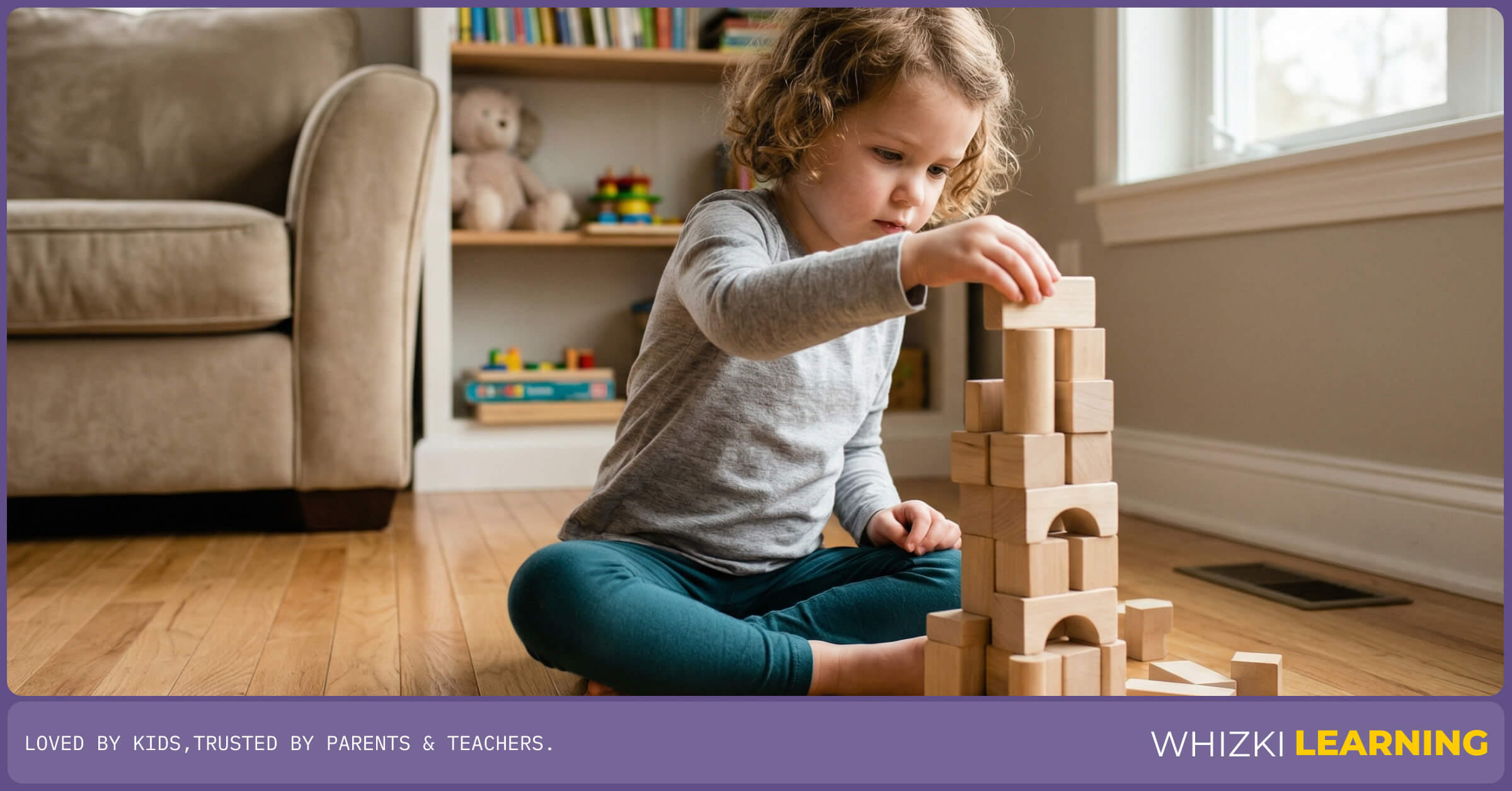
Switching a child from passive screen time to active independent play often triggers an early, very loud boredom tantrum. Many experienced kindergarten teachers suggest parents validate the frustration first, then avoid jumping straight to a high-stimulation fix. You can calmly say, “It is perfectly okay to feel bored right now, and I cannot wait to see what you choose to build,” which helps move the job of entertainment back to the child. Child psychologists also point out that if a parent can ride out this complaining phase without rescuing too quickly, the child usually discovers a forgotten toy, a random pile of blocks, or a blank piece of paper that suddenly feels interesting.
Consistency is the biggest tool during this awkward transition. If parents rush in every time boredom shows up, and the response is always a show, a video, or a new activity, the child learns that whining is the fastest path to entertainment. A calm, loving, but firm boundary around unstructured time teaches emotional regulation in a very practical way, and that supports long-term resilience. For families who want a gentle way to start “thinking games” without screens, try adding a simple, hands-on option like 10 Number Games to Play in the Kitchen (Ages 3-6), then step back and let the child choose which game to try.
Whizki Workbooks as a Creative Bridge
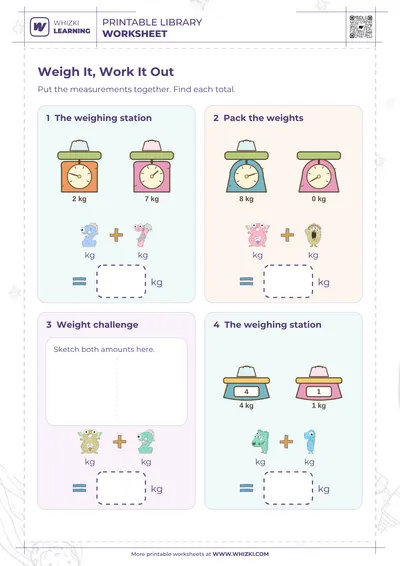
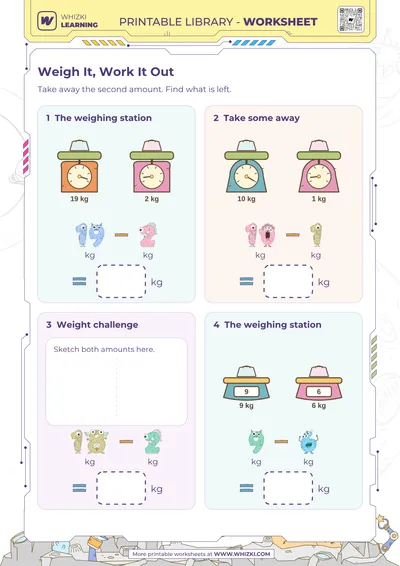
When children are coming down from digital entertainment, they often need a gentle, analog bridge that helps their independent focus wake up before they can jump into bigger imaginary worlds. Whizki printed kindergarten workbooks use premium 120gsm paper, and that thickness gives the tactile friction a restless child’s hands and mind actually enjoy. This high-quality paper design makes drawing and tracing feel physically satisfying, which helps the child move smoothly from aimless boredom into structured, offline creativity. When parents offer Whizki screen-free workbooks during quiet afternoons, the child gets a logic-based space where they can build academic confidence on their own, at their own pace.
If the child tends to get wiggly during handwriting or tracing time, you can also pair the workbook with a quick reset first, like 10 Calm-Down Activities Before Tracing and Writing (Ages 4-6). That small step can make the transition from “I am bored” to “I am ready to try” much easier.
The Gift of Nothing to Do
Giving a child absolutely nothing to do is one of the most meaningful educational gifts a parent can offer. When you can survive the first whining and resist the urge to entertain, you make space for the child to discover their own intrinsic interests. Unstructured boredom eventually turns a passive observer into an active, confident, deeply focused creator.
Here is your concrete next step for today: set a timer for 10 minutes of screen-free “quiet choice time,” place a small set of offline options within reach (blocks, paper, crayons, or a kitchen game), and use the same simple script every time the boredom complaint shows up. “You are allowed to feel bored, and you get to choose what you do next.” Then, after the timer ends, celebrate the effort, even if the play was messy or short.
And if you want more ideas for building that calm focus muscle before kindergarten, revisit How to Build a 15-Minute Focus Habit Before Kindergarten and keep the routine small and steady.