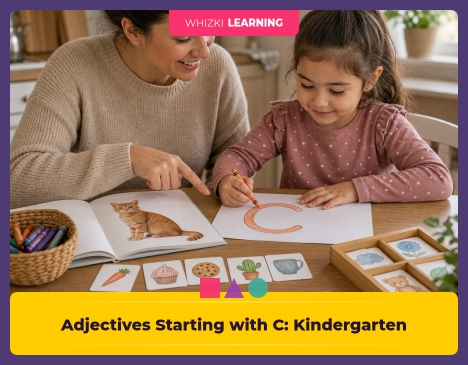
Some days, it feels like your child can’t find the right word, and you end up guessing what they mean. When you use a small set of C adjectives on purpose, language gets easier and calmer at home. For our letter sound and shape practice, use our letter C learning page and keep the words close to everyday moments.
Reviewed by Sarah Mitchell, M.S., CCC-SLP, Speech-Language Pathologist.
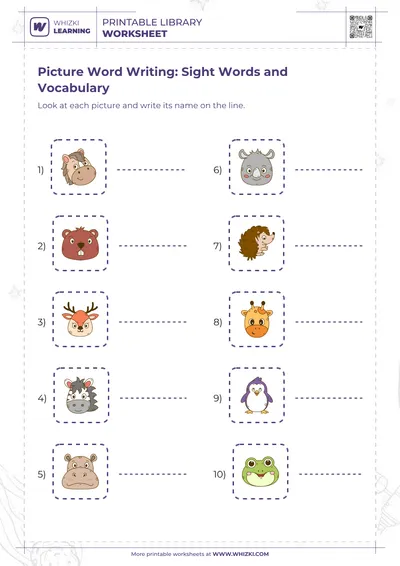
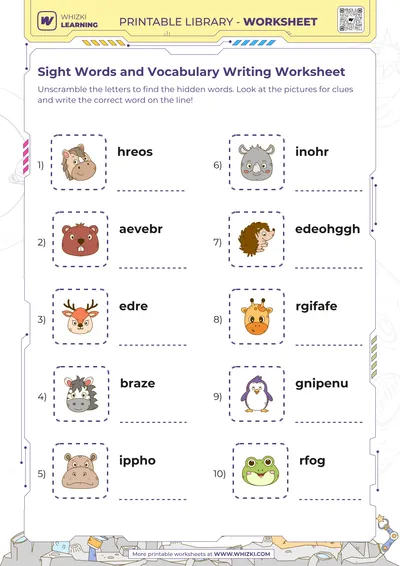
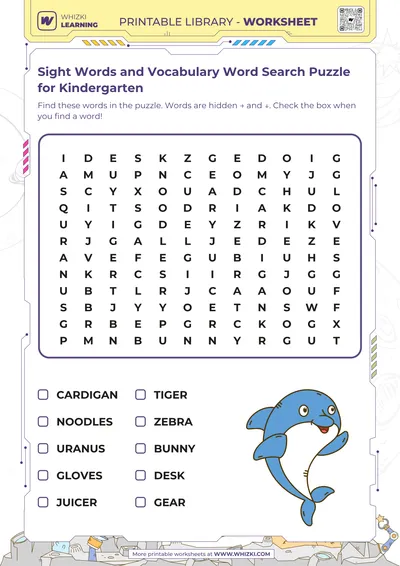
Want quick practice without extra prep? Try a Whizki Learning printable set that gives kids short, repeatable word-and-picture practice for early vocabulary and letter work. Pair it with the sorting activity below, and you will see more confident describing words show up in play. Start with our sight-words printables for fast, kid-friendly routines.
If you want to keep the same practice going on paper, take a look at our alphabet tracing workbook for preschool and kindergarten.
Feelings that start with C
In speech-language practice and everyday classroom routines, emotion words help children label what they feel, which supports self-regulation. Pick one feeling word at a time, then connect it to what your child is doing right now.
Everyday words
- calm
- cheerful
- chilly
- cranky
- coy
- confused
- curious
- content
- cautious
Big words for curious kids
- concerned
- comforted
- compassionate
- courageous
- consoling
- cross
Kitchen-table script: “I see your face. Are you feeling calm or cranky?” After your child answers, ask for one more detail, “What happened, and which word fits?”
Looks and size with C
Reggio-inspired observation and Orton-Gillingham style practice both use clear, concrete examples. When you describe what you see, your child learns adjectives faster because the word matches a real object.
Everyday words
- chubby
- chunky
- crisp
- curvy
- cozy
- cloudy
- circular
- compact
- cracked
Big words for curious kids
- cylindrical
- contoured
- crystalline
- cavernous
- conspicuous
- chromatic
Read-aloud tip: pause and pick the describing word. “The cat looks chubby or chunky. Which word matches the picture?” Then let your child point to the part that makes the choice.
Personality adjectives that start with C
NAEYC guidance reminds us that children learn best through warm relationships and meaningful talk. Personality adjectives give kids a way to describe behavior without turning it into a label, and that matters for friendships.
Everyday words
- caring
- confident
- capable
- candid
- crafty
- cooperative
- cuddly
- chatty
Big words for curious kids
- considerate
- committed
- consistent
- conscientious
- charismatic
One more link for your routine: the alphabet learning hub can keep the practice going across days, with the alphabet learning hub. For early readers, you can also mix in nouns and verbs starting with C during play, so describing words and action words both get used.
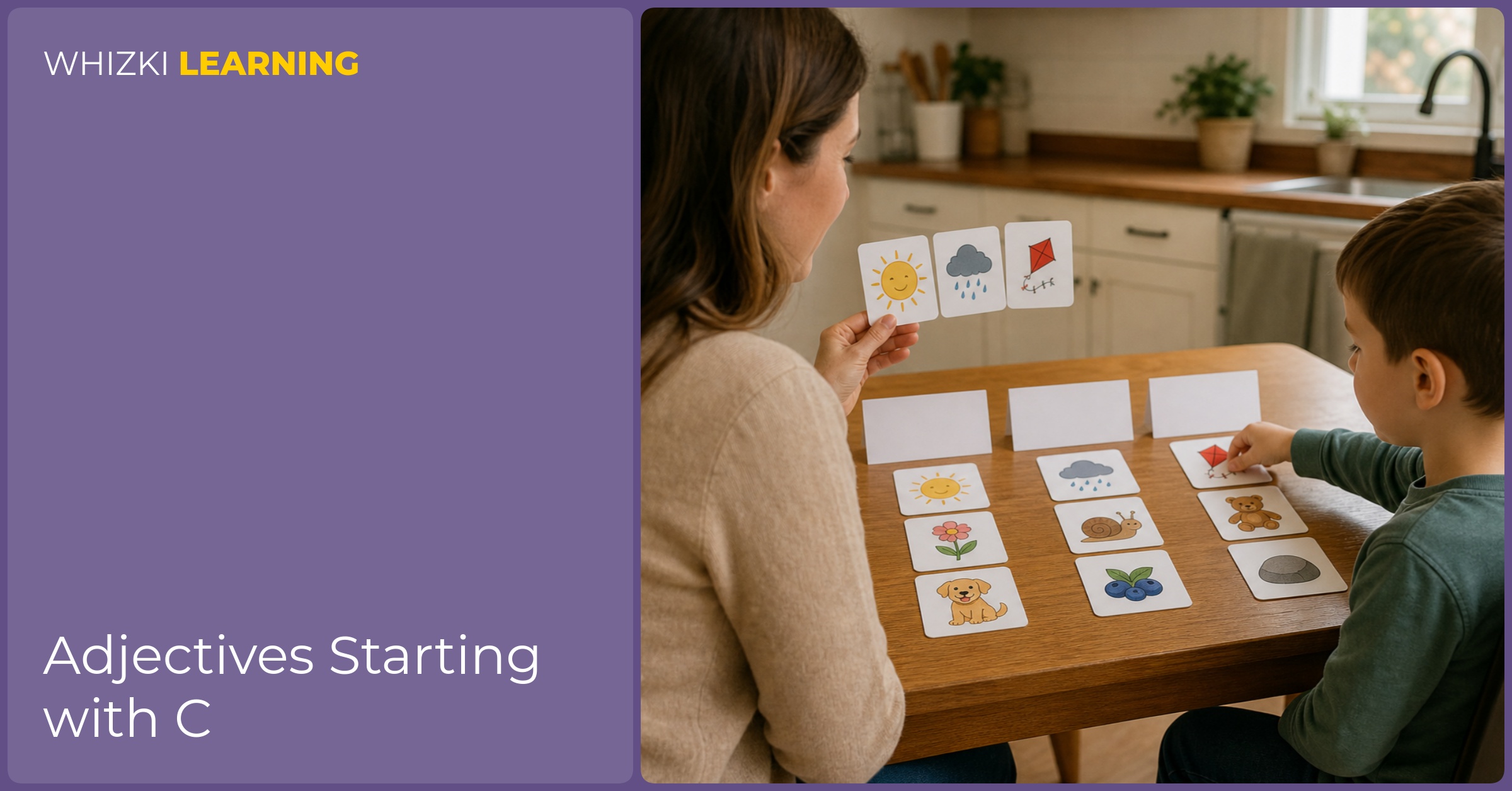
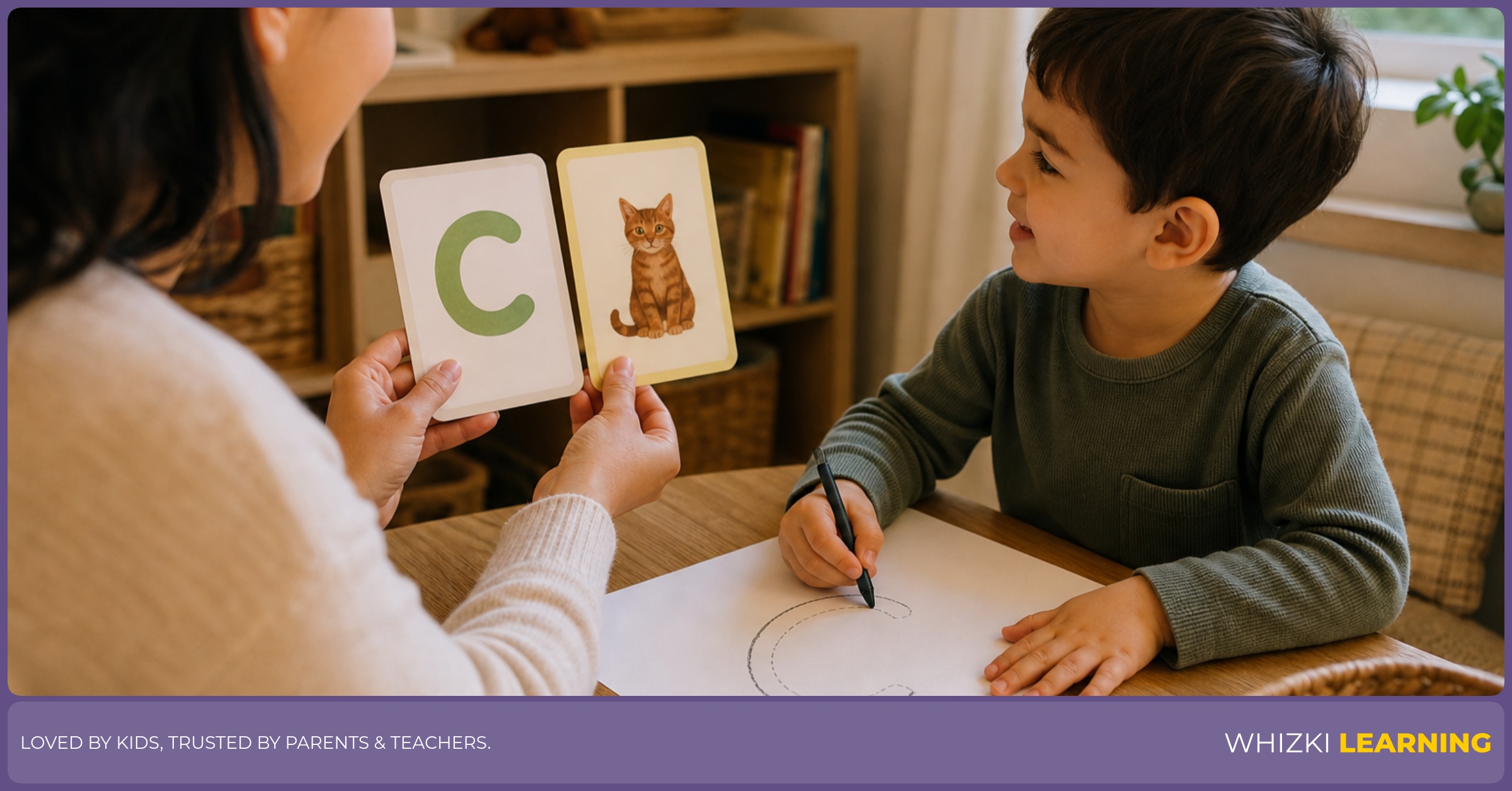
Try the sorting activity tonight: set up three piles on the table, one for feelings, one for looks and size, and one for personality. Put one card in each pile, then ask, “Which pile does this word belong in, and what do you see or feel?” Finish with letter C practice by tracing and saying the sound while you point to the shape on our letter C learning page.