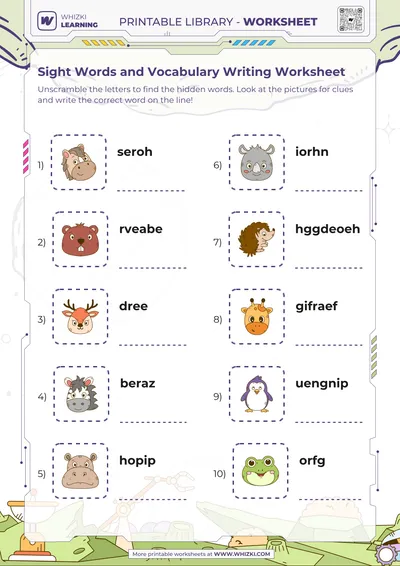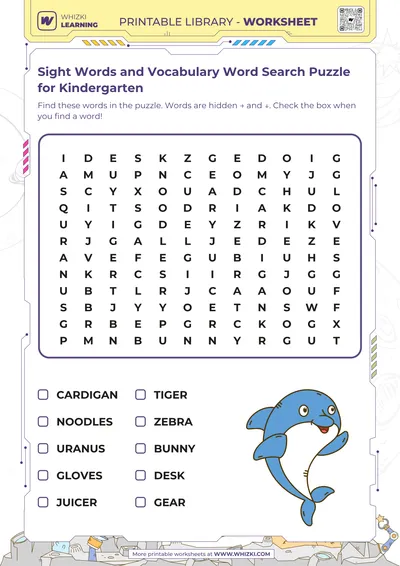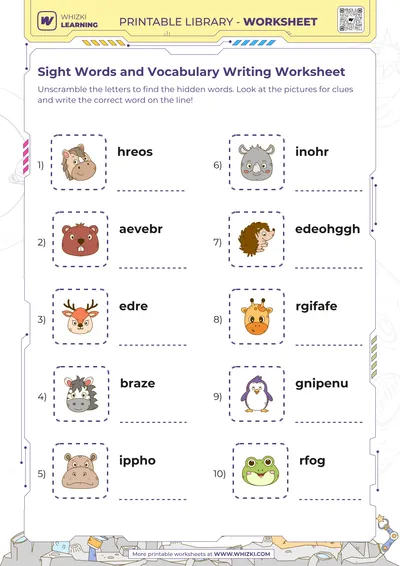

Some days it feels like you are repeating the same words over and over, and your child just is not “getting it” yet. Take a breath, because adding a small set of C words you can touch, do, and name helps learning feel natural in everyday routines. Our letter C learning page can support the letter-shape practice while you build vocabulary.
Reviewed by Sarah Mitchell, M.S., CCC-SLP, Speech-Language Pathologist.
A quick start for C words (objects, actions, names)
When you use an Orton-Gillingham style of teaching, you keep it short, repeatable, and connected to meaning, which is exactly what a first word set needs. Begin with one C word during a real moment, like the bath time cup or the next step in a game.
When you use NAEYC-aligned guidance, you focus on play and everyday interaction, not worksheets alone, so children learn words through doing. Choose a few C words from the sections below and rotate them through breakfast, cleanup, and outside time.
When you add simple occupational-therapy basics, like using the child’s hands and eyes together, word learning sticks better during calm routines. Point, touch, and repeat the C word as the child handles the object or performs the action.
For letter C itself, most words start with the hard C sound like /k/, so your mouth model matters. You can practice letter shape and sound together on our our letter C learning page while you teach the words below.
Everyday C words your child can touch
In a Reggio-inspired approach, everyday life becomes the lesson, and children learn best when words match what they see right in front of them. Start with objects that are easy to find, easy to hold, and part of daily routines.
In speech-language pathology practice, vocabulary grows faster when caregivers give clear, consistent models and then let the child respond in a low-pressure way. Use these C words during the moment, like “book” before reading time or “bath” before the tub.
Everyday words
- ball
- bear
- banana
- book
- bath
- boat
Big words for curious kids
- candle
- car
- chair
- cloud
- coat
- curtain
- cup
- crayon
Tip you can use tonight, open a book or look around the room and name one C object slowly, then pause for your child to point. If your child says it differently, keep the word model clear and try again in the very next routine.
C action words for what kids do
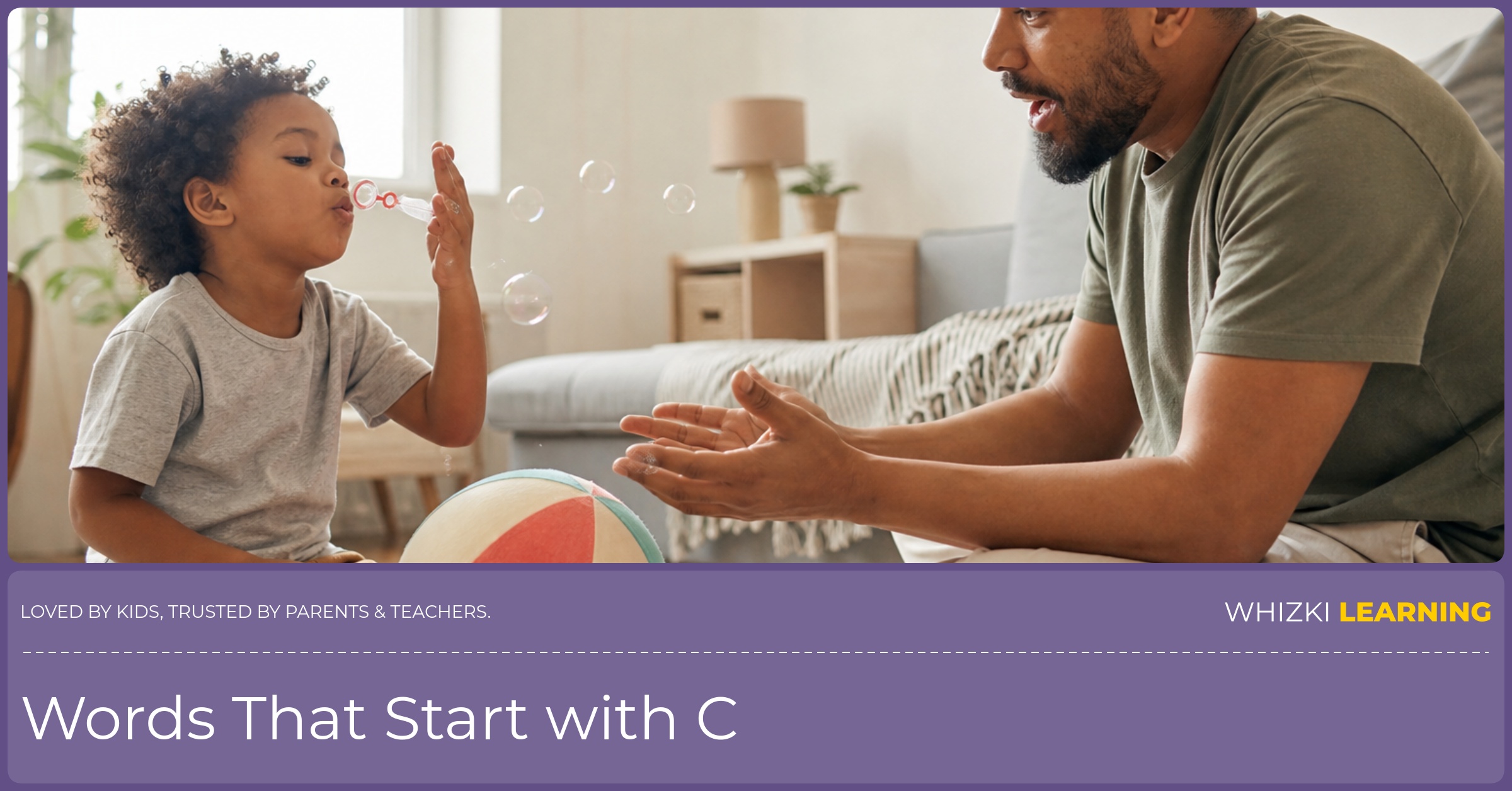
When you teach with an Orton-Gillingham approach, actions are great because the child can connect the word to movement and meaning. Pick one C action and build a tiny routine around it, like “blow” with bubbles or “bounce” with a ball.
When you follow NAEYC guidance, you keep language instruction embedded in play, so vocabulary feels like part of the fun. Use these C verbs during a game, then ask for one response, like “Show me” or “Your turn.”
Everyday words
- bake
- bring
- blow
- build
- bounce
- clap
Big words for curious kids
- carry
- chase
- choose
- clean
- count
- craft
- climb
- curl
Script for the moment, say “Ready, set, bounce,” then do it together and repeat once more. When your child is ready, give one choice between two C actions, like “bounce or bring,” so the word has a clear job.
First names that start with C
Speech-language pathology practice reminds us that familiar names are powerful because children hear them often and respond to them quickly. Choose a few names that show up in your child’s world, like classmates, family friends, or characters in books.
Occupational-therapy basics also matter here, because children practice listening and responding when a name is paired with a real cue, like passing a toy or calling someone to the table. Keep it playful and use names during simple turns.
Everyday words
- Cal
- Cam
- Carla
- Chris
- Cole
- Crystal
Big words for curious kids
- Carmen
- Celeste
- Claire
- Clara
- Conrad
- Corrine
- Craig
- Crystal
Quick tip, when your child hears a name, model one extra C word with it right away, like “Cole, bring the car,” then stop. If you want more practice with letter C and early literacy routines, add a few turns from our sight-words printables to keep learning consistent.
If you are ready to describe what you see, you will love the sibling page with describing words starting with C, because adjectives help children move from “I see” to “I see a ____.”
Spot the C word walking game and bedtime flashlight C
For a quick, NAEYC-friendly activity, turn listening into movement, because children learn words best when they can look, point, and respond. During a walk or car ride, you can ask for one thing at a time, like “Find something that starts with C.”
For a calm bedtime option, speech-language pathology practice supports short, predictable routines, so your child knows what to expect. Use a flashlight to hunt for C objects while you keep the language simple and repeat the word model.
Walking game script, you say “I spy a car,” then you ask your child to point to the first C object they notice. Bedtime flashlight variation, shine the light on one object and say the C word, then let your child whisper it back once.
Whizki Learning can help you keep practice consistent with alphabet and vocabulary materials designed for preschool and early learners, like letter-focused activities and word practice sets. If you want more structured support, explore the the alphabet learning hub alongside these C word ideas.
When you teach letter C words in small chunks, your child gets repeated exposure without feeling like school, and your home stays peaceful. Pick 6 to 10 C words from the lists, use them for five minutes a day, and watch how quickly your child starts trying the words back.