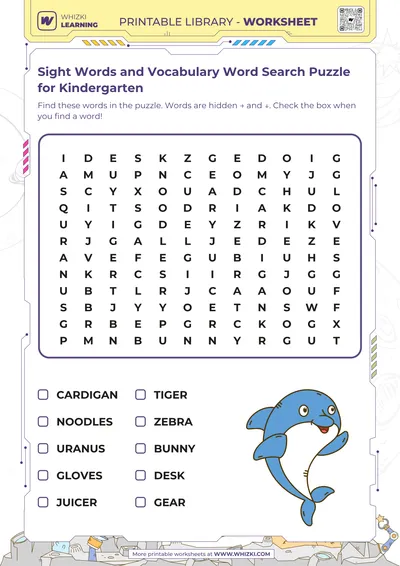
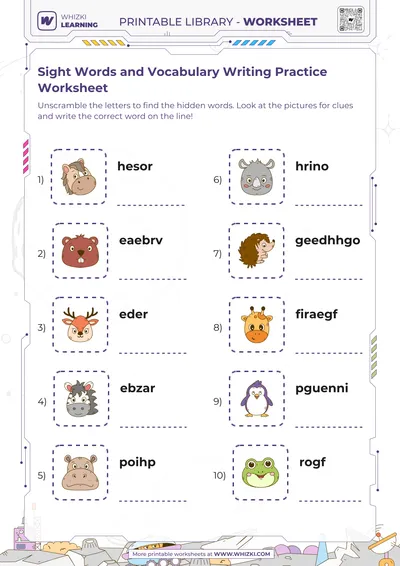
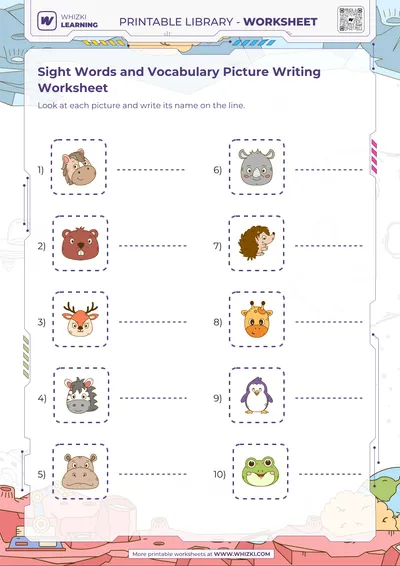
When you are trying to get through dinner and your child is still stuck on the same three words, vocabulary practice can feel like one more thing on your plate. Let’s keep it simple, hands-on, and doable for ages 3 to 7, starting with easy T words.
Reviewed by Sarah Mitchell, M.S., CCC-SLP, Speech-Language Pathologist.
These first words are the kind a child can point to, do, or greet, so the letter sound T connects to real life right away. For sound practice, use our letter T learning page and keep the focus on one word at a time.
A quick plan for teaching first T words
In the Orton-Gillingham approach, the routine matters, so the letter sound and the word meaning get repeated in the same way each day. Pick one T word, say it clearly, and let your child touch or do it before moving on.
In NAEYC guidance, short practice beats long practice, especially when preschool energy is running high. Aim for 3 to 5 minutes, two times a day, and stop while your child still feels successful.
In occupational therapy basics, hands-on input helps learning stick, so the worksheet is not the whole job. Let the kitchen and playroom do the teaching, with fingers on the page and the real object in front of you.
In speech-language pathology practice, hearing the word in a simple sentence supports speech and understanding. Try a steady script like, “Touch the toy,” then pause for your child to respond.
Everyday T words your child can touch
Reggio-inspired teaching looks for meaning in the child’s world, so everyday objects are perfect for first T vocabulary. When the word is tied to a real thing, the letter T feels less abstract.
Everyday words
- toy
- top
- tree
- tub
- table
- towel
- tape
- tank
- tray
- treat
Big words for curious kids
- telescope
- thermos
- trophy
- train
- television
- throne
Parent tip script, say it like a game: “Find the towel,” then celebrate the touch, not the perfect pronunciation. If your child chooses a different object, gently model the word again and try one more round.
Action T words for what kids do
Montessori and Reggio both emphasize learning through doing, so action words are a natural next step after objects. When the action happens right after the word, the brain links meaning to movement.
Everyday words
- tap
- turn
- try
- tie
- toss
- tick
- trim
Big words for curious kids
- travel
- transport
- tumble
- tinker
- treat
- tremble
Try a “do it, then say it” routine, “Tap the drum,” then, “Your turn, tap.” If your child is quiet, model the action and word once more, then give a longer pause for the response.
First names that start with T
Speech-language pathologists often use predictable routines and familiar names to support attention and turn-taking. When a child hears a name in a playful context, word learning feels safer and more motivating.
Everyday words
- Tom
- Tim
- Ted
- Tina
- Tracy
- Tyler
Big words for curious kids
- Teresa
- Trevor
- Tristan
- Theresa
- Tobias
Use names during real moments, “Tom, can you bring the towel?” Then switch roles so the child gets to be the helper and the speaker.
Want a quick way to keep practice consistent, especially on busy weekdays? Whizki Learning printables can support letter-sound routines alongside everyday vocabulary, and you can start with our sight-words printables to pair familiar reading with new T words.
Spot the T word walking game and flashlight bedtime
Reggio-inspired observation helps you notice what your child already knows, then build on it without pressure. The walking game turns vocabulary into movement, which is great when attention is bouncing.
For the walking game, follow the same NAEYC-friendly rhythm, short turns and lots of praise. Say, “Spot something that starts with T,” then let your child point, touch, and name the object with your support.
For bedtime, use a flashlight variation that feels cozy, not like a worksheet. In the spirit of sensory-friendly routines, turn off the overhead light, shine the flashlight gently on a few safe items, and ask, “What T word do you see?”
For letter-shape practice during the day, keep the connection to the sound and the look of the letter T. Add a quick check-in using our letter T learning page right after the vocabulary game.
If your child is ready to talk more, add a small next step from the sibling page, describing words starting with T, so your child can say what something is like.
One last thing, if your child resists, the routine is still working. Pause, repeat the last successful word, and try again later, because vocabulary grows best when practice feels predictable.