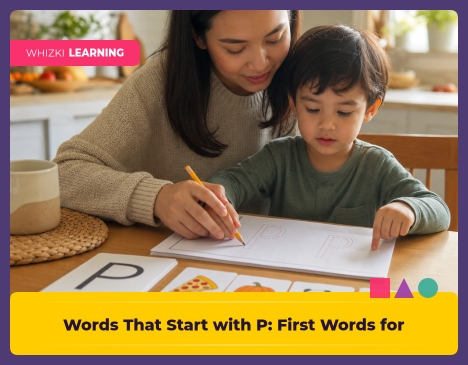
Between meals, messes, and bedtime, it can feel like “one more thing” when you add new vocabulary. Letter P can be simple when you teach a few real words your child can touch and use right away, in short, calm moments.
Reviewed by Sarah Mitchell, M.S., CCC-SLP, Speech-Language Pathologist.
For letter-shape practice, start with the alphabet learning hub, and then do a quick pass on our letter P learning page when your child is ready.
A gentle way to start letter P words
In preschool and kindergarten, vocabulary sticks best when a child hears a word, sees it, and uses it with their hands, which fits early literacy guidance from NAEYC. The goal for letter P is not memorizing a long list, it is building a small set of usable words that match your day.
In an Orton-Gillingham style approach, you can keep the routine consistent: say the word, point to it, and have your child repeat it while doing a tiny action. When letter P learning feels bumpy, slow down and choose fewer words for that day.
In speech-language pathology practice, repeating a word in the same context helps children connect meaning to sound, especially for early readers. A kitchen routine is perfect for letter P, because objects and actions are already part of play.
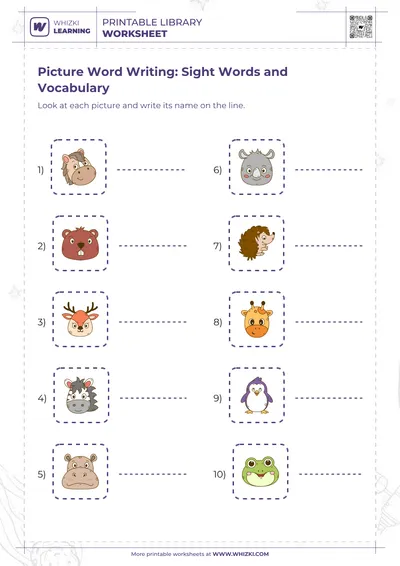
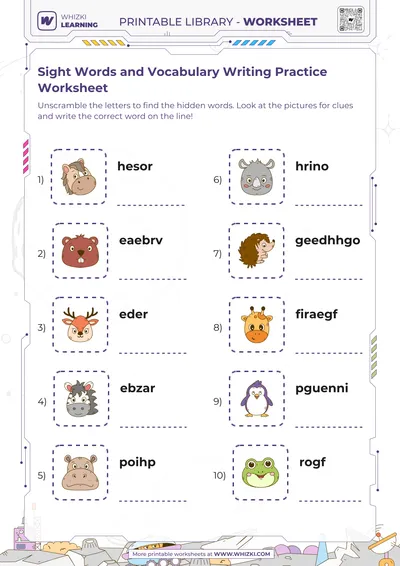
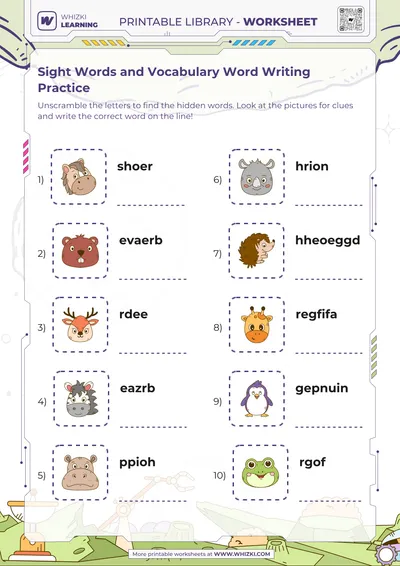
Whizki Learning has printable practice that helps kids connect letter sounds to real words. Try a set from our sight-words printables after your letter P walk-through with objects at home.
Everyday objects that begin with P
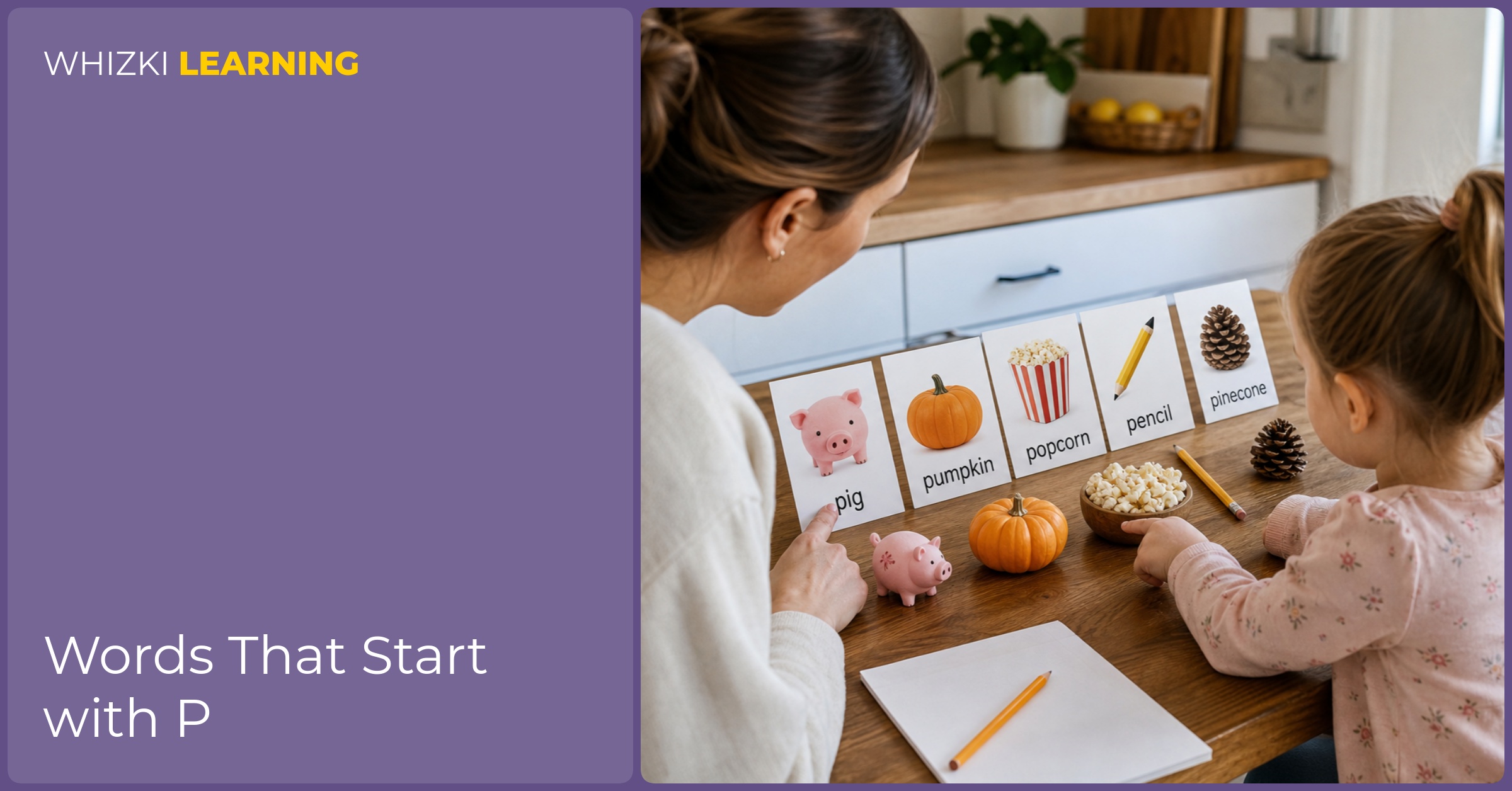
In occupational-therapy basics for learning, hands-on input helps many children pay attention and remember, so letter P objects work great when you can hold them. Pick 6 to 10 items from this list and use them during play, snack, bath time, or cleanup.
In a Reggio-inspired classroom rhythm, you can treat these words like invitations, not assignments. You model the word once, then you let your child reach, point, or bring the object to you.
Everyday words
- pencil
- plate
- pan
- pot
- pillow
- picture
- pump
Big words for curious kids
- peanut
- peach
- pear
- parrot
- penguin
- pajamas
Try this script during playtime: “Pick the penguin for me,” then pause for your child to act. After your child answers, repeat the word one more time in a calm, upbeat voice.
Action words that begin with P
Action words give children something to do, and doing builds language, which matches early literacy teaching from Orton-Gillingham-informed practice. When children can act out the word, the meaning becomes easier to hold.
In a NAEYC-friendly play model, action words belong inside pretend and real routines, like baking, blowing bubbles, or bouncing a ball. You can keep it short, one action at a time, and celebrate the attempt.
Everyday words
- pack
- paint
- pour
- pick
- plug
- push
- pull
- play
Big words for curious kids
- pantomime
- perform
- practice
- prepare
- propose
- persuade
Use the “Say and do” tip: you say the action word, then you do it first, then you invite your child to do it next. If your child gets stuck, choose the easiest action from the list and try again.
First names that begin with P
Common names are a fast win for early vocabulary, because children hear them in family and classroom life. From a speech-language pathology perspective, familiar names support confident responding and turn-taking.
In Reggio-style observation, you can notice what names your child already responds to, then use that name during games. If your child enjoys pretend play, add the name to roles like “Pat the helper” during cleanup.
Everyday words
- Pat
- Paul
- Peter
- Paula
- Penny
- Phil
Big words for curious kids
- Priscilla
- Preston
- Paxton
- Primrose
Try a quick name call-and-response: “Pat, can you pick the pillow?” The moment your child answers, your child gets a clear reason to use the P word.
Spot the P word walking game and bedtime flashlight
For language practice in everyday life, a walking game is perfect because it turns word learning into movement, which fits occupational therapy heuristics for attention and regulation. Keep the rules simple, “Find the P word,” and let your child choose what counts.
For letter sound practice, your child can also connect the sound to the shape during the walk by tracing the letter P with a finger on a sign or paper. The alphabet learning hub can support this with quick, friendly activities on our letter P learning page.
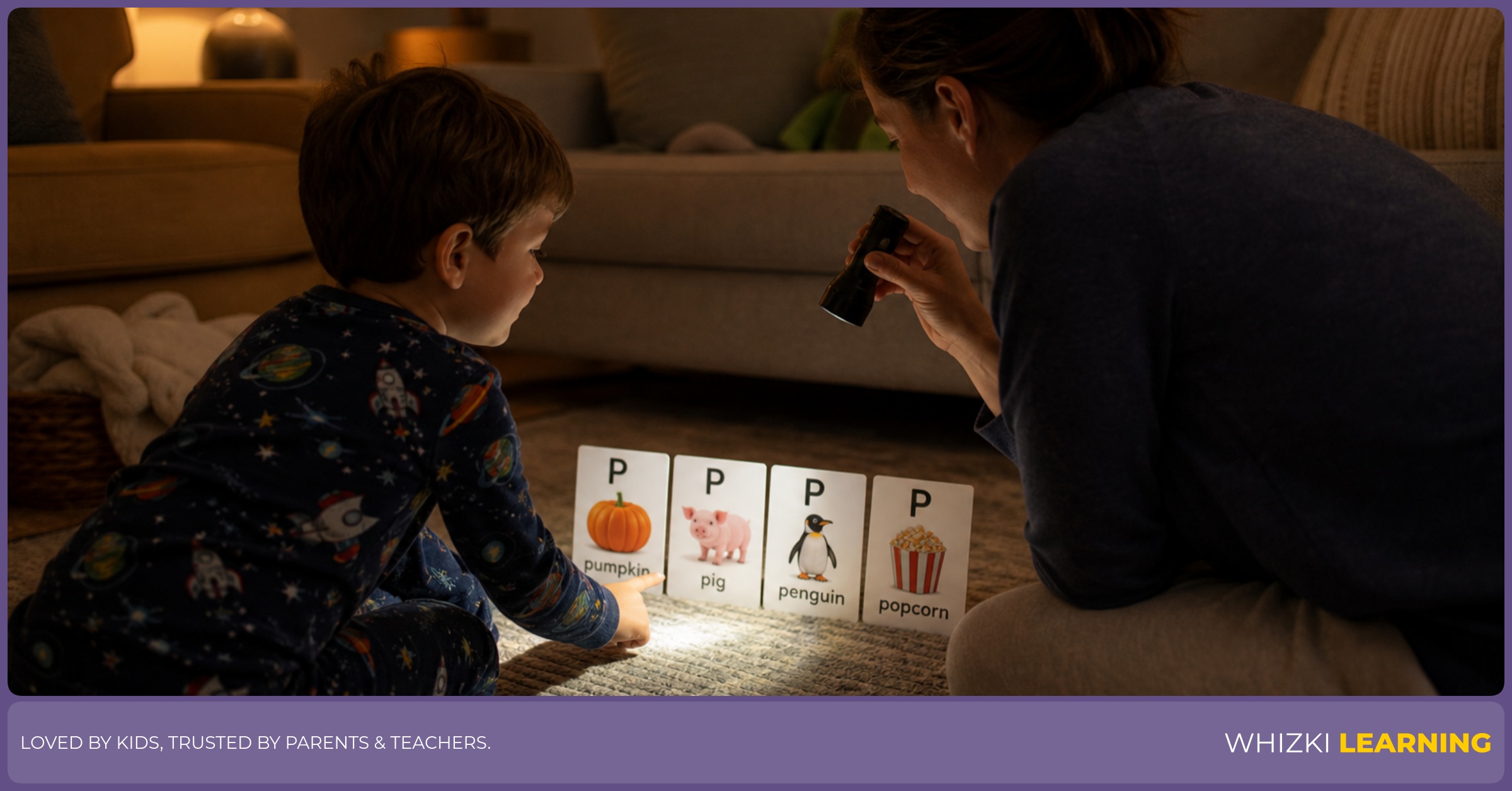
For bedtime, a flashlight variation works well because it is predictable and low-stress, which helps many children stay engaged. The parent holds a few P-word cards and shines the flashlight briefly so the child gets one turn to name the word.
Walking game script: “I’m looking for a pillow word, can you spot something we might use at home?” Then you follow your child’s lead and repeat the P word when the object appears.
Flashlight script: “Flashlight on, word out,” then say the P word together once. If your child misses, you model the word and try again without pressure.
To add printable support, you can pair this game with our sight-words printables so your child has a consistent set of P words for the week.
If your child is ready to describe what they notice, add the next step from describing words starting with P. That is where P adjectives can grow your child’s sentences.