Some days it feels like every “new word” becomes a negotiation, and you are left wondering what to even say next. Let the letter E do the heavy lifting with a small set of first words you can practice in real moments at home, using Orton-Gillingham-style repetition and warm, low-pressure routines.
Reviewed by Sarah Mitchell, M.S., CCC-SLP, Speech-Language Pathologist.
Letter E first words that fit kindergarten reading
When you teach the letter E with short, predictable practice, a preschool teacher can hear clearer sounds and a child can feel more confident, which matches guidance from NAEYC about building language through playful, responsive interaction. Our letter E learning page also helps you connect the sound to the letter shape, so the word work stays grounded.
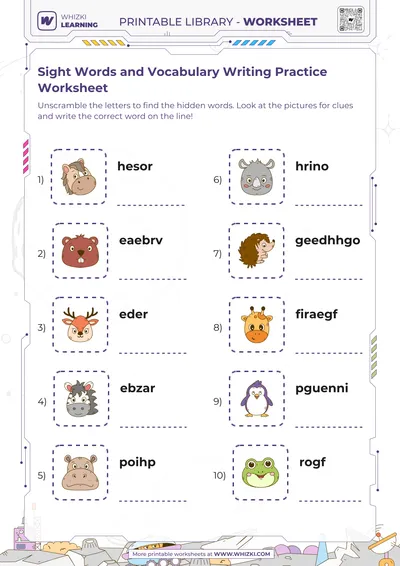
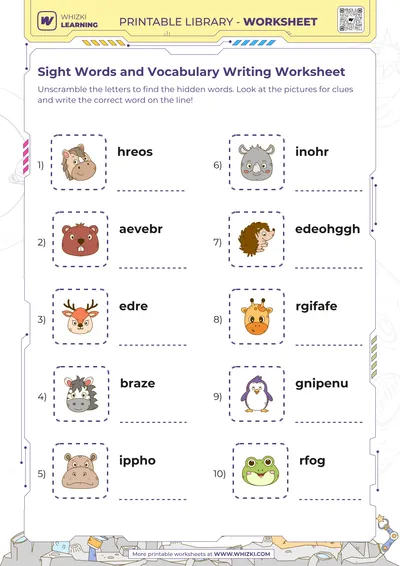
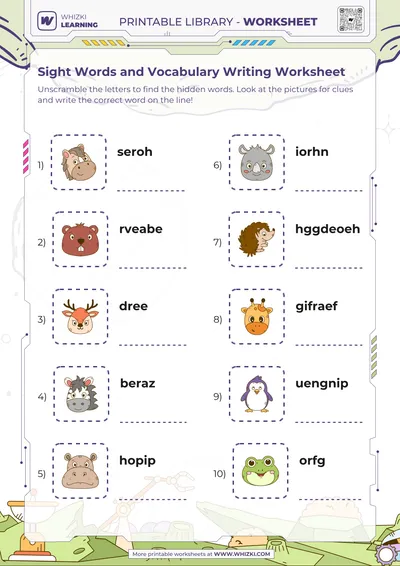
For quick planning, sight-word and vocabulary routines work best when families use the same words across days, not a new set each time, which is a practical speech-language pathology approach for building consistent input. Use our sight-words printables to keep the practice simple.
Before you start listing words, check that the child can recognize and name the letter E shape, because handwriting and letter awareness support letter-sound learning, which fits a typical Orton-Gillingham sequence. Then pick just a few words from the lists below and practice them during daily routines.
For more E vocabulary, remember that describing words live on the sibling page, and keeping adjectives separate helps a child avoid mixing word types. Visit describing words starting with E when you are ready for “how it looks” talk.
Everyday E words your child can touch
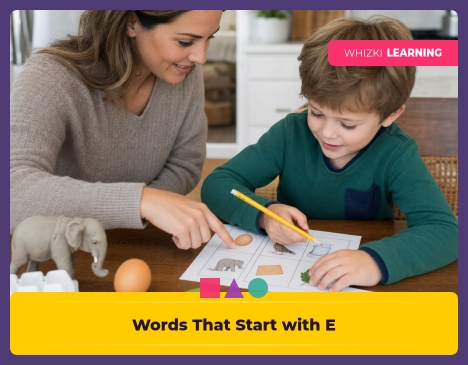
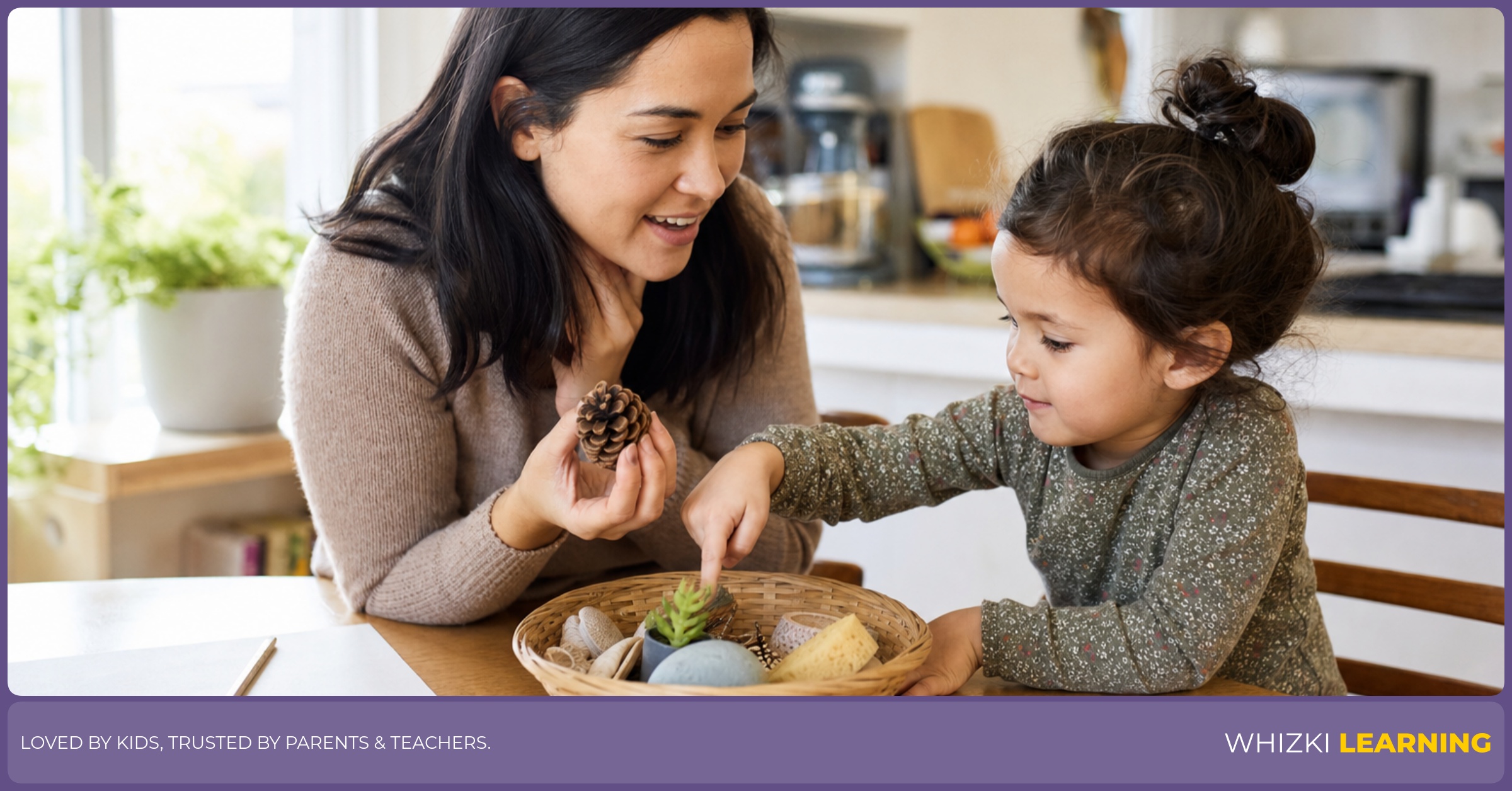
Everyday objects help children build meaning through hands-on experience, which is very consistent with Reggio-inspired teaching and typical early childhood observation. Use these noun words during cleanup, bath time, and book time so the child hears the E word tied to a real thing.
Occupational-therapy basics remind us that steady attention grows when tasks are brief and sensory, so hold up one object at a time and ask for a single response. The alphabet learning hub can also support the letter connection when you switch between object play and letter practice.
For letter-shape practice, use our our letter E learning page right after you name the object, so the sound and the shape get learned together.
Everyday words
- eagle
- egg
- ear
- eraser
- eye
- envelope
Big words for curious kids
- easel
- engine
- excavator
- emerald
Tip for home practice, hold up one item, say the word slowly, then ask for the same word back once. If the child hesitates, point to the item again and try one more time, keeping the interaction friendly and brief.
Action E words for play and routines
Action words are where a child starts to connect language to movement, and that is a strong fit for speech-language pathology practice like modeling and turn-taking. Choose one action word and build it into a game, like doing it together once, then letting the child do it once.
Orton-Gillingham-style repetition works well here, because the same verb can show up many times in one day without feeling like “drill.” Keep the cue simple, “Do it,” then watch for the child to use the word while performing the action.
NAEYC guidance also supports active learning, so aim for short bursts of movement and a quick return to calm conversation. If a child gets silly or wanders, name the action word again and reset the activity with a clear, single step.
Everyday words
- eat
- enjoy
- exercise
- earn
- enter
- exist
Big words for curious kids
- educate
- envision
- estimate
- experiment
- explain
- explore
Script to try, “Show me eat,” “Now you,” and “Say eat.” When a child uses the word, celebrate the effort, then switch to a new action word after about two rounds.
First names that start with E
Common names are great “instant use” words because children hear them all day, and name talk supports social language growth, which aligns with Reggio-inspired listening and respectful noticing. Use these names during pretend play, “I am Eli,” “You are Eva,” and “Ethan is the helper.”
When a child repeats a name, occupational-therapy style heuristics suggest keeping the turn-taking steady, adult model then child response, so the child can practice without pressure. If the child wants to change the game, let the name swap happen and keep the E sound in the routine.
If you want extra practice, the alphabet learning hub can help you keep letter E shape work consistent while names and action words get used in conversation. That way, the child is practicing language and letter awareness at the same time, which is a practical classroom rhythm.
Everyday words
- Eli
- Eva
- Emma
- Ezra
- Emmy
- Eden
Big words for curious kids
- Evan
- Esme
- Ethan
- Elijah
- Elena
Walking-game tip, do a “spot the E word” scavenger walk and stop for one minute at each place. Ask, “What E thing do you see?” and point to the object while saying the word together.
Want a quick, print-and-go way to practice letter E and early vocabulary? Add a simple word-and-letter routine with the alphabet learning hub so the child gets the same pattern each day: look, say, point, and read along.
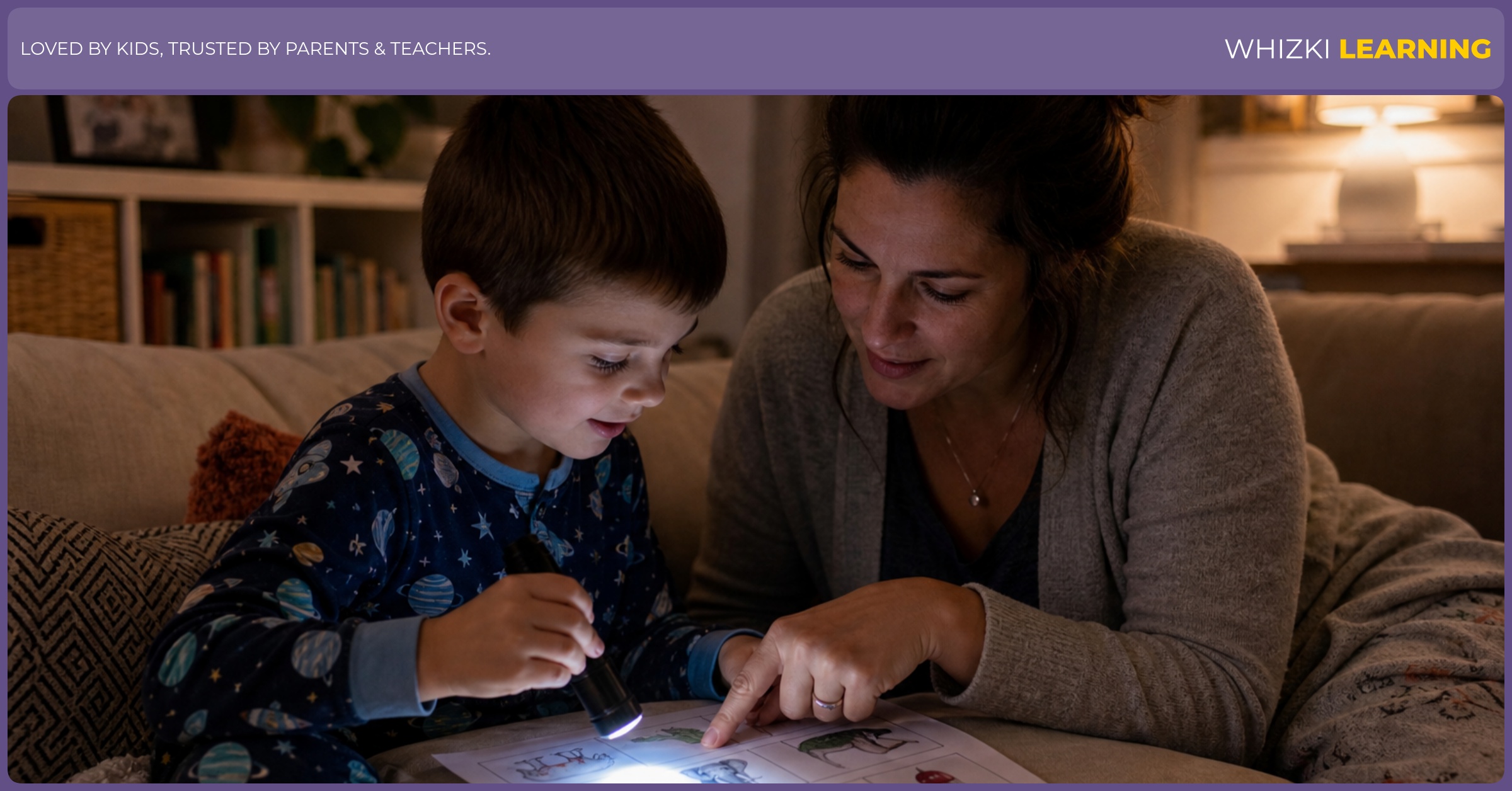
Flashlight bedtime variation, pick three E word cards or objects, turn down the lights, and let the child use a small flashlight to “find” each one while saying the word out loud. If the child misses a word, the adult says it clearly once, the child points again, and the game moves on, which keeps the routine supportive and doable.