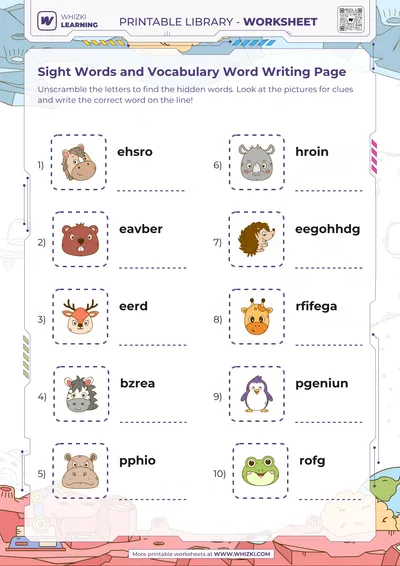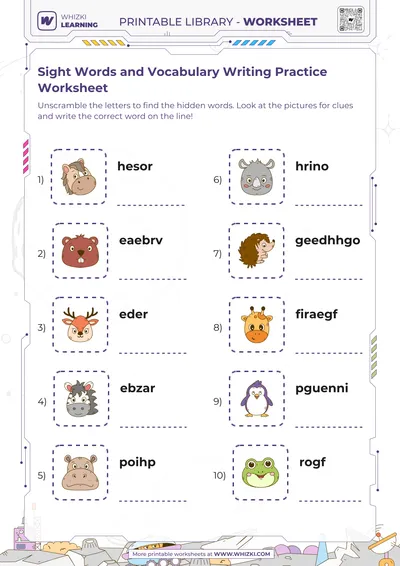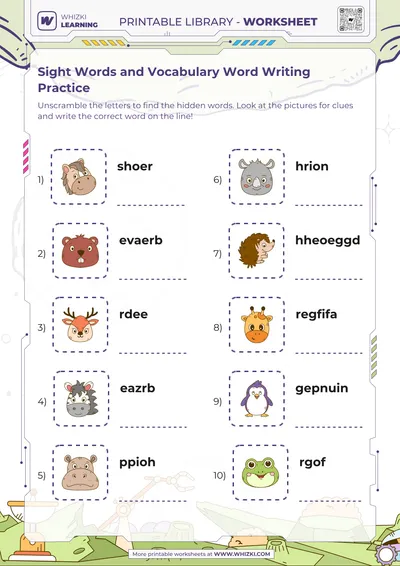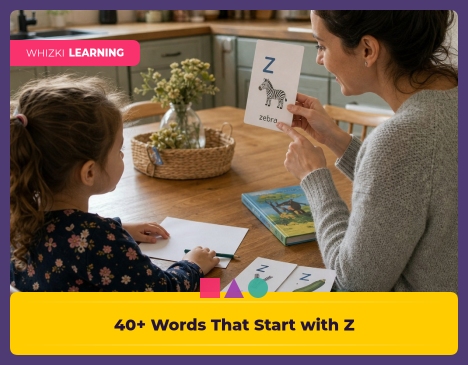
I know the Z words can feel like the “hard letter” when you are trying to keep morning routines moving. Let’s make it simple with a small set of first Z words for ages 3 to 7, plus a hands-on game you can do in minutes. For letter-shape practice, use our letter Z learning page alongside these first words.
Reviewed by Sarah Mitchell, M.S., CCC-SLP, Speech-Language Pathologist.
Want a ready-to-use practice set for early readers? Check out the alphabet learning hub for printables that pair letter sounds with simple vocabulary practice. Whizki Learning materials are designed for short, repeatable sessions that fit real home routines.
Everyday Z words kids can touch
In the Orton-Gillingham approach, we build early literacy by pairing sound with something concrete, and NAEYC guidance supports learning through play and real objects. Pick 3 to 5 words from the list, then point and name during snack, bath time, or cleanup. When your child says the word, celebrate the effort and keep the pace light.
Everyday words
- zebra
- zipper
- zoo
- zucchini
- zest
- zither
- zinger
- zebrawood
- zinnia
- zodiac
Big words for curious kids
- zephyr
- zenith
- zigzag
- zoology
- zoologist
- zookeeper
- zinc
- zestful
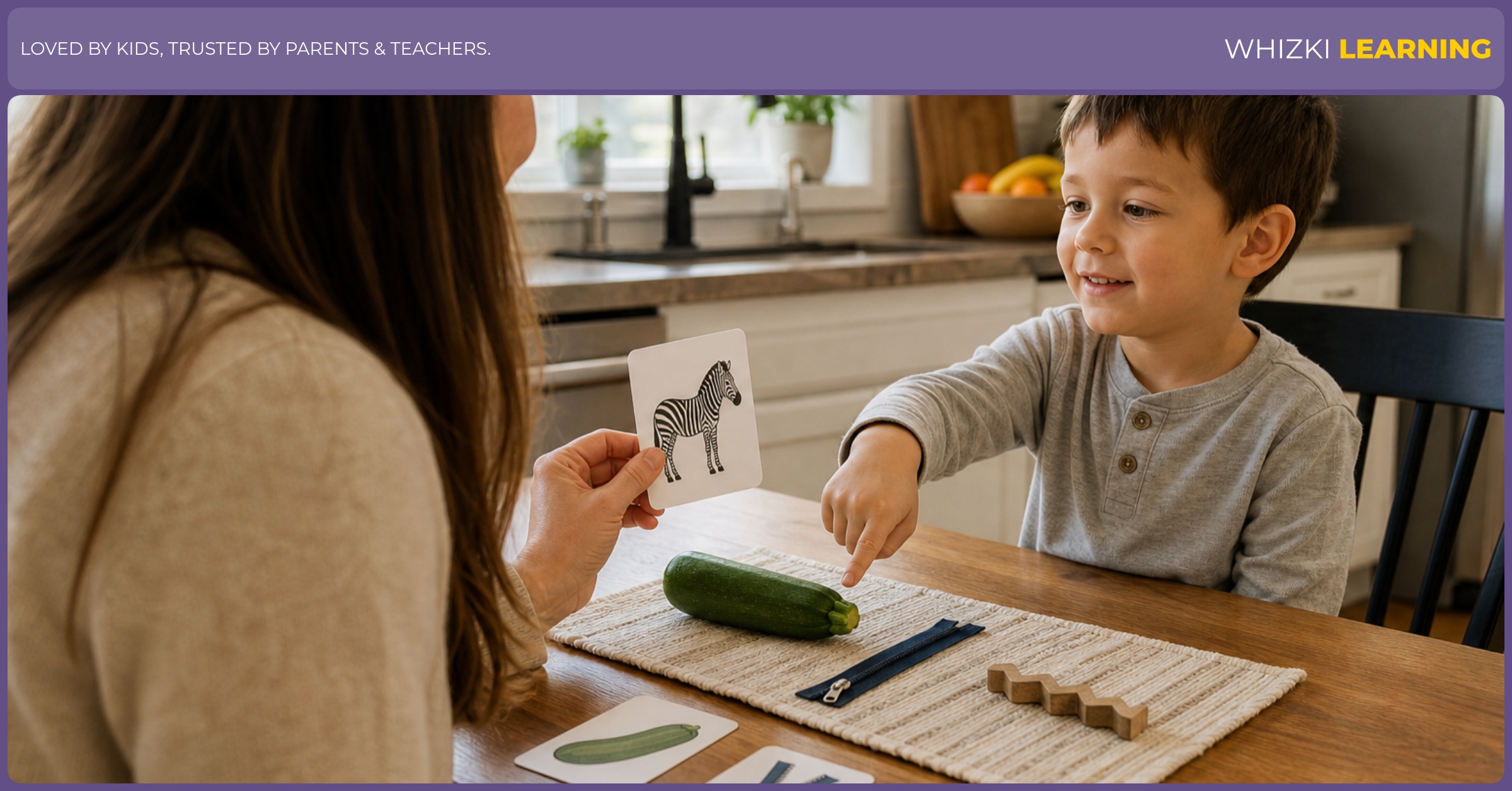
Quick script for the kitchen: “I see a zebra. Your turn, zebra.” Then switch to a new object and repeat once more. If your child skips a word, you model it once and move on, so the routine stays calm.
Action Z words for “I can do it” moments
Speech-language pathology practice often uses functional language, meaning kids learn best when words connect to what they can do right now. Occupational therapy basics also remind us that movement helps attention, so pair each Z verb with a simple action. Keep it short, like 2 minutes, then let your child choose the next turn.
Everyday words
- zip
- zoom
- zig
- zag
Big words for curious kids
- zoologize
- zen
Try this movement cue: “When you hear zip, make a quick zipper motion with your hands.” For Reggio-inspired learning, let your child show the action first, then you add the word.
First names that start with Z, plus a walking game
For early literacy, common names are a friendly entry point because children hear them often and feel ownership of the word. The NAEYC guideline for language-rich environments says to use frequent, meaningful talk, so bring names into everyday conversation. If your child is learning letter-sound connections, add the name practice right after our sight-words printables or during a quick review.
Everyday words
- Zack
- Zoey
- Zara
- Zane
- Zion
- Zoe
- Zak
- Zuri
- Zayden
Big words for curious kids
- Zachary
- Zach
- Zoanna
- Zeb
- Zayla
- Zelda
- Zachariah
- Zacharia
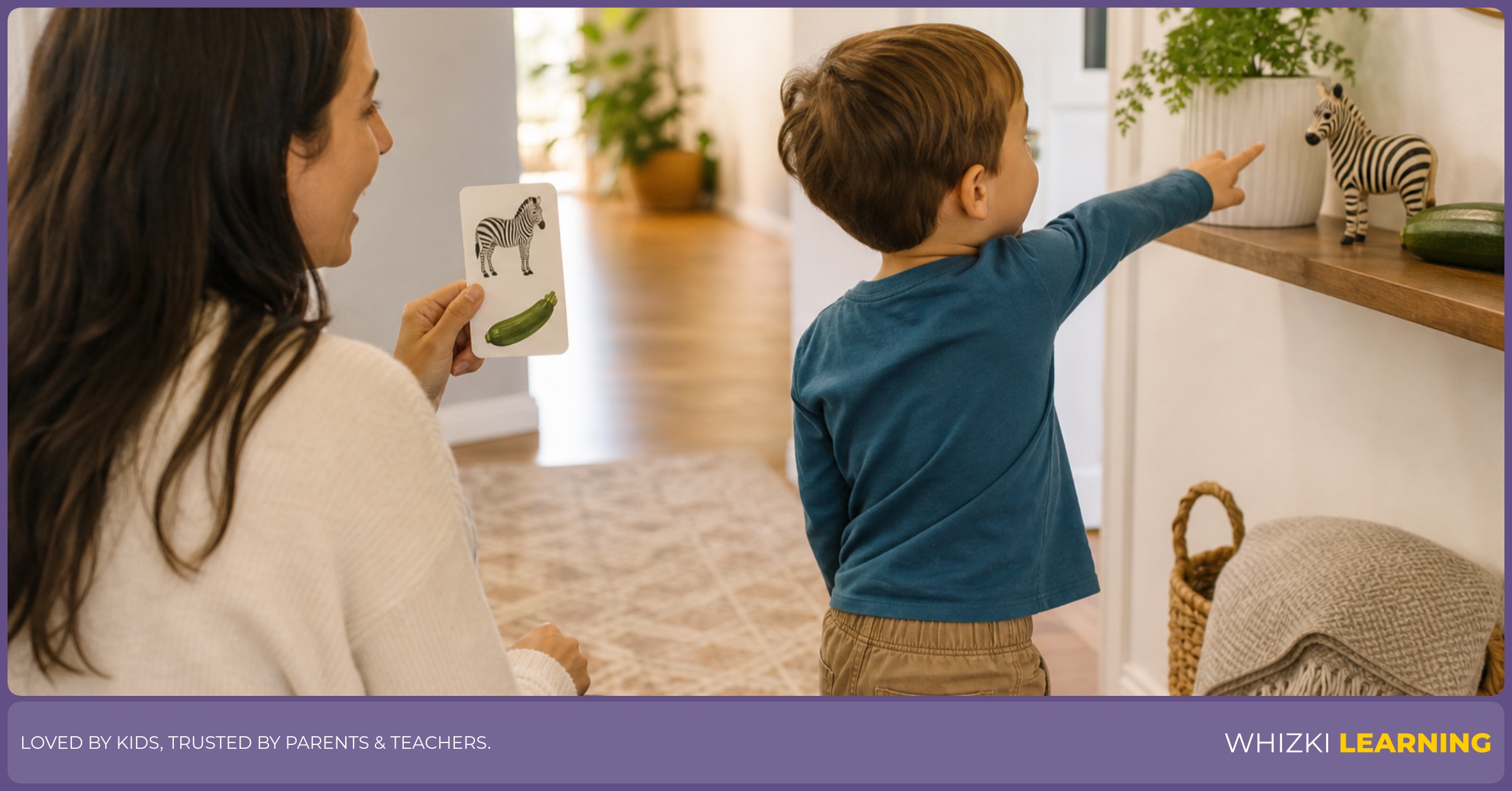
Spot the Z word walking game: pick one Z word, then take turns spotting something that reminds your child of that word. Flashlight bedtime variation: in the hallway, shine the flashlight on a wall and say, “Find something that starts with Z,” then let your child point and name. For extra letter-shape practice, revisit the alphabet learning hub and keep the focus on sound and effort.
If you want more Z practice, add “describing words starting with Z” for the next step in language building, and keep the adjective page separate from these first words: describing words starting with Z.
When you teach letter Z with a small set of words, your child gets repetition without overwhelm. Choose one object, one action, and one name for the day, then repeat them during a real moment like cleanup or bath time. If your child is tired, shorten the routine, and let the word practice be a quick, successful loop.