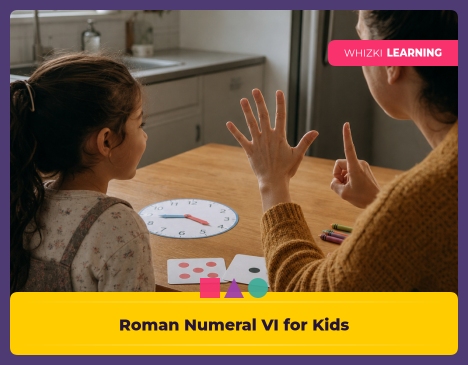
When a child points at a clock or a book and asks, “What does VI mean?” while breakfast is burning, give the quick answer first: VI means 6, then invite the child to make a V hand and add one finger.
Reviewed by Whizki Editorial Team, Early Childhood Education Editors.
Where children actually see VI
The Roman numeral VI shows up in places children already notice, and that real-life noticing matters more than a chart for ages 3 to 7. NAEYC guidance keeps early math tied to meaningful routines, so a clock face, a classroom door, or a book cover is a better starting point than a worksheet full of symbols.
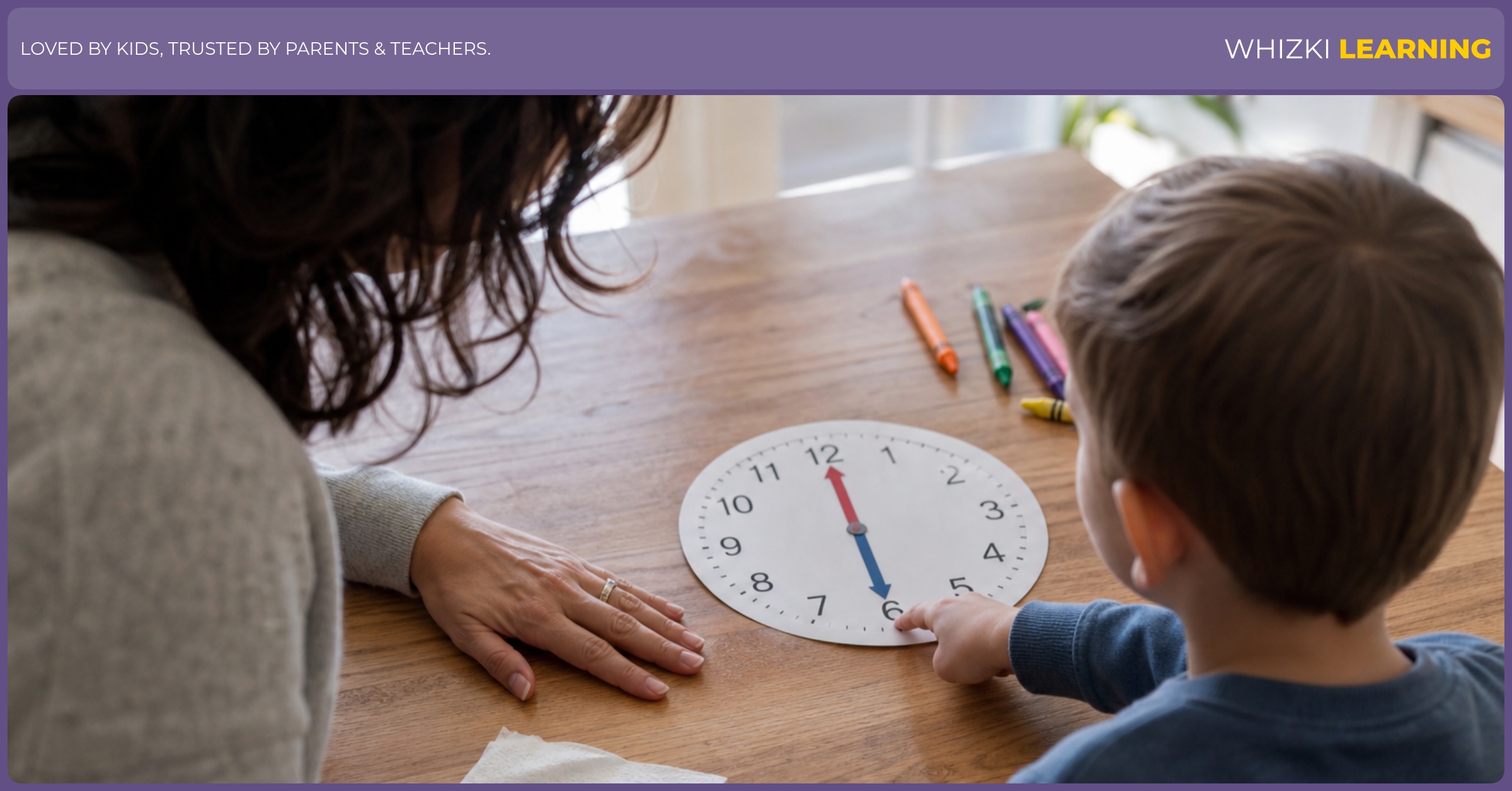
A 6 o'clock clock face is the easiest place to begin because the child can connect VI with a time of day. A child may also see Grade VI on an older sibling’s school door, or hear a grown-up read a name like Henry VI from a library book or museum sign. Use real sightings as a quick naming moment: “VI is 6.”
What VI means, without a chart
The rule is additive: V + I = 5 + 1 = 6. When the I comes after V, the I adds one more, so VI reads as six.
A big chart can wait because charts often turn one small question into a long lesson. In Orton-Gillingham teaching, I start with one clear symbol, one spoken name, and one body movement, because young children remember better when the eyes, voice, and hands work together. Kindergarteners do not need to do Roman-numeral math; kindergarteners need to read the Roman numerals children actually see.
The hand trick: V plus one extra finger
The memory trick is simple enough for the breakfast table: “V plus one extra finger.” Show five with one hand, making a V shape if your child likes the visual cue, and raise one finger on the other hand. The child sees five plus one, then says, “VI is 6.”
The parent script can stay the same every time: “V is five. One extra finger makes six. VI is 6.” Occupational-therapy basics favor short finger motions for young learners because a small hand movement gives the child a body cue before the child has to name the symbol.
The finger motion also helps children who are still sorting left, right, before, and after. Some children will point to the V first, then the I, and the adult can say, “Yes, V first, then one more.” Keep the tone light, because a tiny confident answer is the goal.
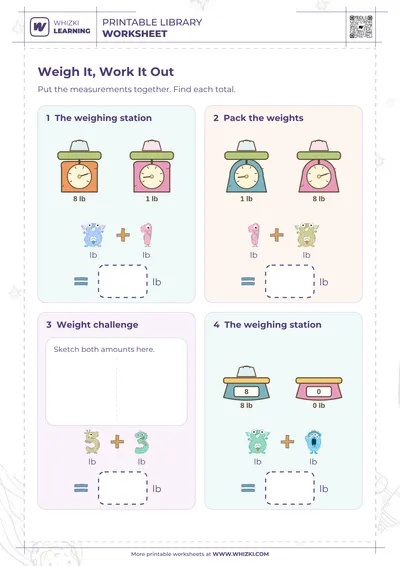
For a quiet table activity, pair the VI hand trick with our counting printables so the child can count six objects before spotting the Roman numeral. The printable work should stay short, with a crayon, a finger trace, and a quick “VI is 6” before attention runs out.
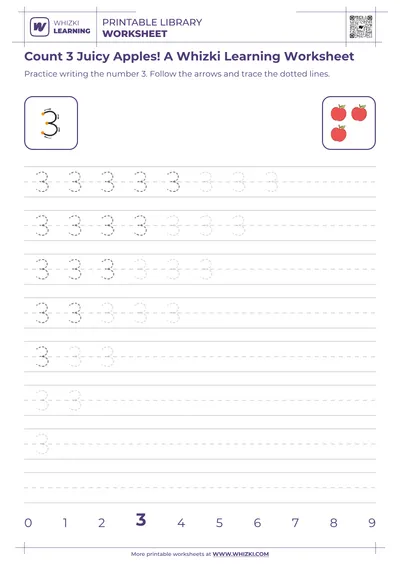
If you want to keep the same practice going on paper, take a look at our number tracing workbook for preschool and kindergarten.
A screen-free spot-and-say game
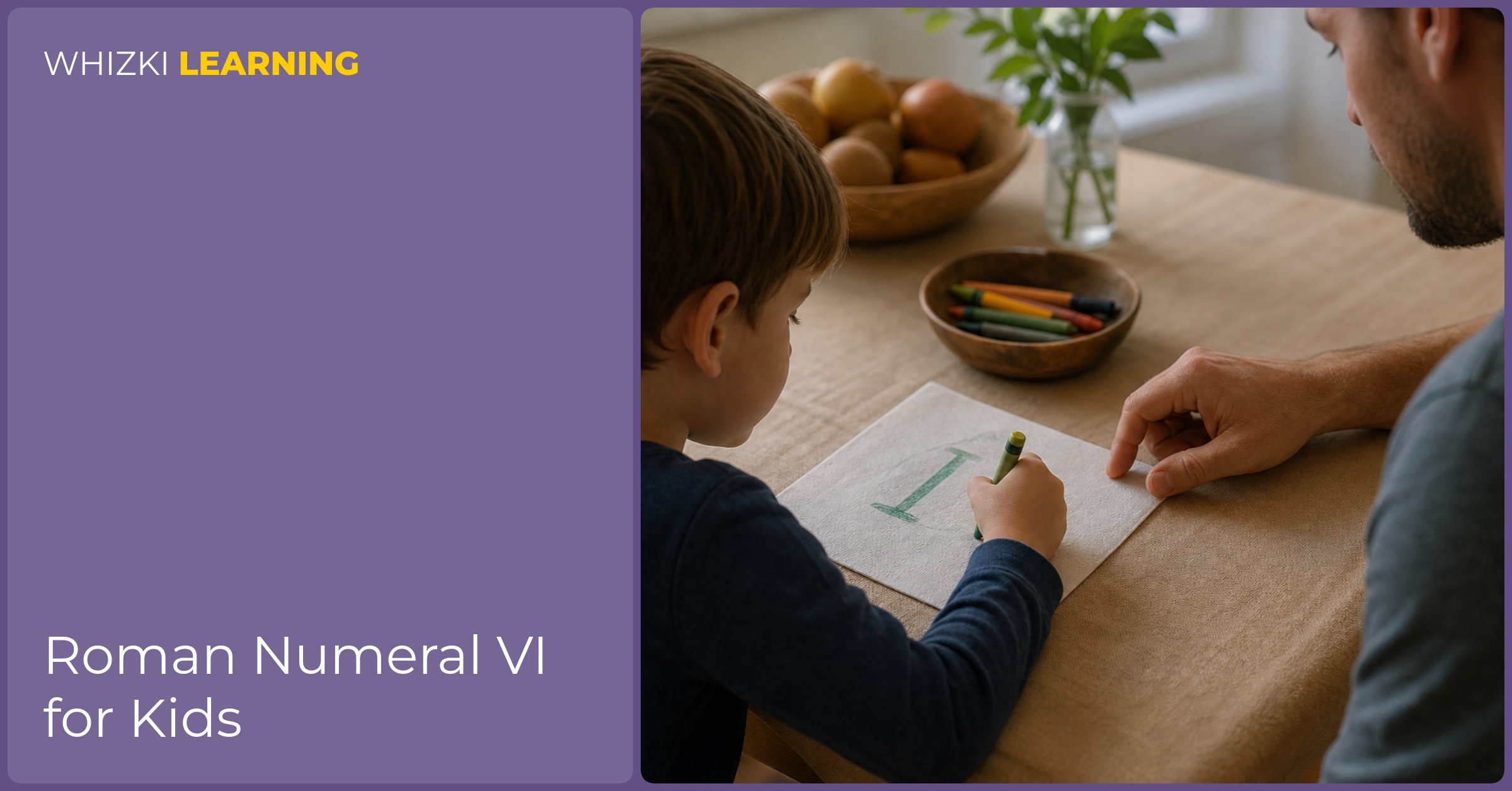
The spot-and-say game takes less than two minutes and works well during real family time. Ask the child to find VI on a clock face, a book chapter, or a movie title on a case, then say, “VI is 6,” and trace VI once on a napkin. The tracing part gives the hand a job, which is often enough practice for a preschooler.
The Reggio habit of following a child’s noticed detail fits beautifully here because the adult does not have to turn the moment into a lesson plan. The child leads by spotting the symbol, and the grown-up adds one clear sentence. If the child wants to keep searching, keep playing; if the child wanders off, the practice was still enough.
A bedtime cue for six o'clock
A 6 o'clock bedtime or quiet-time cue gives VI a friendly place to live in the day. Montessori-style routines often use the same object in the same moment, so the clock becomes a calm repeatable cue rather than a test. The adult can point and say, “Look for VI on the clock when bedtime is 6 o'clock.”
The bedtime cue should stay brief because tired children do not need a mini-lesson. The adult points to VI, the child says “VI is 6,” and the routine moves on to pajamas or a book. If the clock face feels too busy, cover the other numerals with a hand and leave VI visible for one second.
Keep the goal small
The preschool goal is recognition, not Roman-numeral calculation. NAEYC-aligned early math keeps symbols connected to concrete life, so the useful skill is reading VI on a clock or cover and knowing the symbol means 6. A child who can say “VI is 6” in context is doing enough.
The next step can be regular number play, because six still needs counting, matching, and finger practice. Families who want more gentle number work can visit the numbers learning hub for age-friendly counting ideas. Keep Roman numerals as a small side note, not the main math course.
The Roman numeral VI page gives children one more calm place to practice the glyph shape, so visit our Roman numeral VI learning page when the child is ready to trace, say, and recognize VI again.