
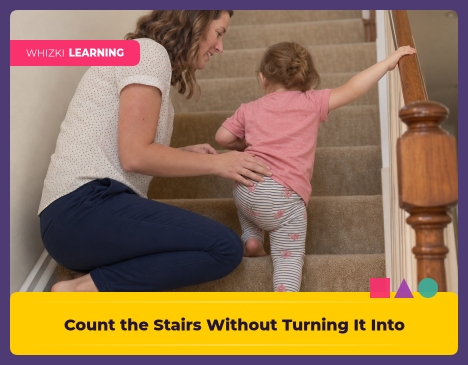
A calm stair-counting routine for ages 3-7, with safety boundaries, questions for going up or down, and a block-stair option for floor play.
Practical articles about early math and numbers for parents and teachers.
A calm stair-counting routine for ages 3-7, with safety boundaries, questions for going up or down, and a block-stair option for floor play.
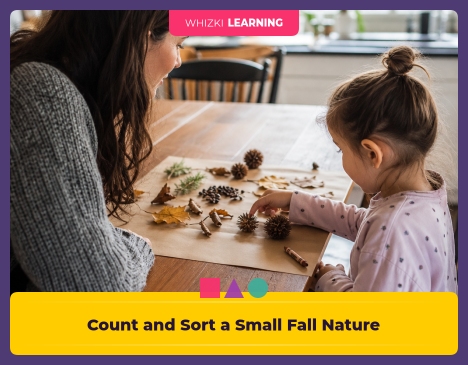
A simple fall math routine for ages 3-7: count a tiny, permitted nature set, sort by one rule, switch the rule, and use photo cards when collecting is not allowed.

A simple fall leaf investigation for ages 3-7 that compares edges, size, shape, texture, and condition, with a photo-only option for parks and classrooms.
Practical articles about early math and numbers for parents and teachers.
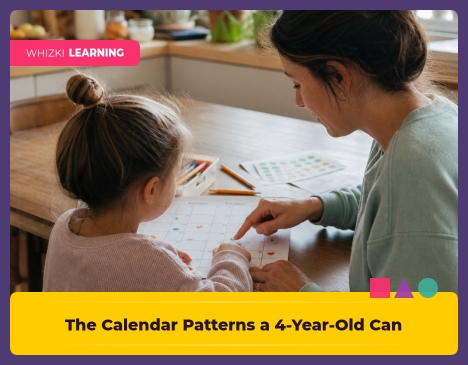


Our free articles cover the why and the how. For a structured journey, our printed workbooks pack 80+ pages of durable practice for hours of hands-on, no-screen learning.
Browse the workbooks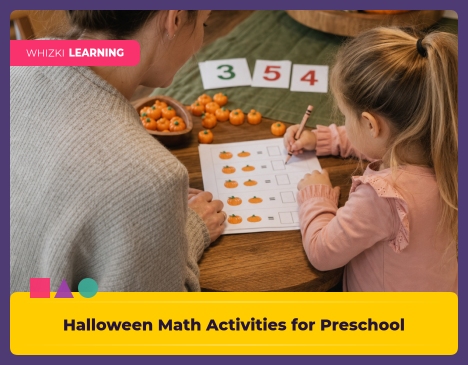
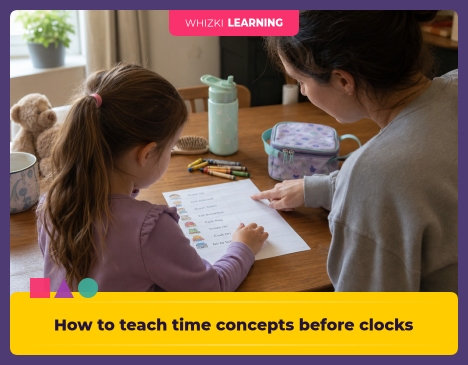
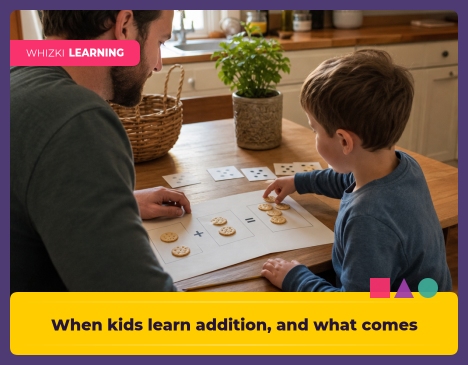
Free letter, number, and skill walk-throughs organized A to Z and 0 through 10. Use them alongside your favorite workbook or as a stand-alone reading break.
Open the learning hubPractical articles about early math and numbers for parents and teachers.
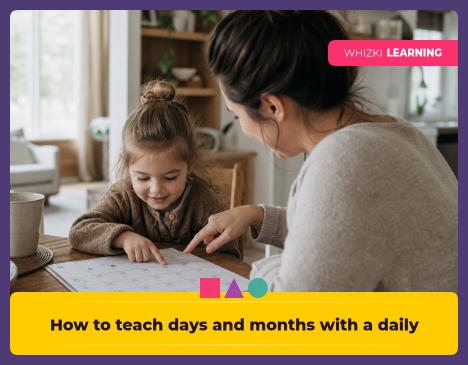
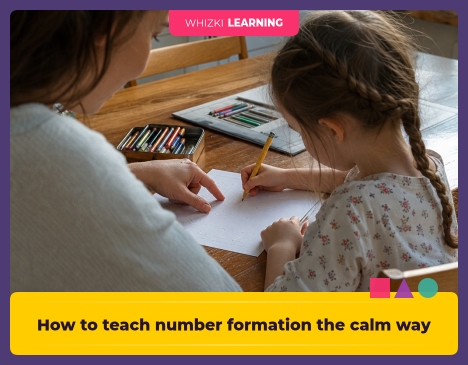

Hundreds of single-page activities sorted by age, subject, and skill. Print, sit beside your kid, done. No subscription, no companion app.
See the printablesGet exclusive activities, expert tips, and inspiration for a more meaningful, offline family life.
 Whizki Learningwhizki.com
Whizki helps parents and teachers turn letters, numbers, and everyday questions into simple learning activities for ages 3–7. Explore free printable worksheets, ready-to-use worksheet sets, and the Family Learning Planner for learning at home or in the classroom. Printed Whizki workbooks are also available separately on Amazon.
