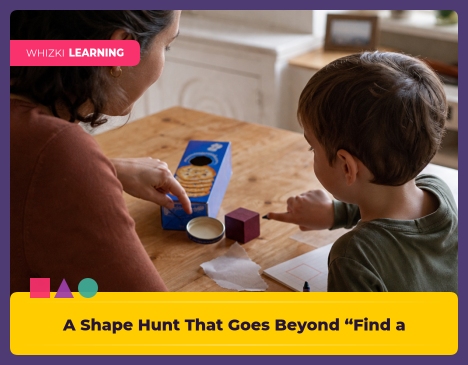
When your child keeps calling every round thing a circle and bedtime is already sliding late, try one three-minute shape stop at the table: point to a cracker box, a plate, and a toy block, then ask, “Where do you see a side, a corner, or a curve?” Shape talk works best when the family keeps the pace light and the objects familiar. Young children need many short looks before names like rectangle, cylinder, or sphere feel useful.
Reviewed by Dr. Anna Klein, EdD, Early Childhood Curriculum Specialist.
Start with a three-object shape hunt
The three-object shape hunt begins with one flat item, one boxy item, and one round item from real life. NAEYC guidance reminds early-childhood teachers to build math from play, talk, and everyday routines, so a cereal box, a coaster, and an orange are enough for the first round.
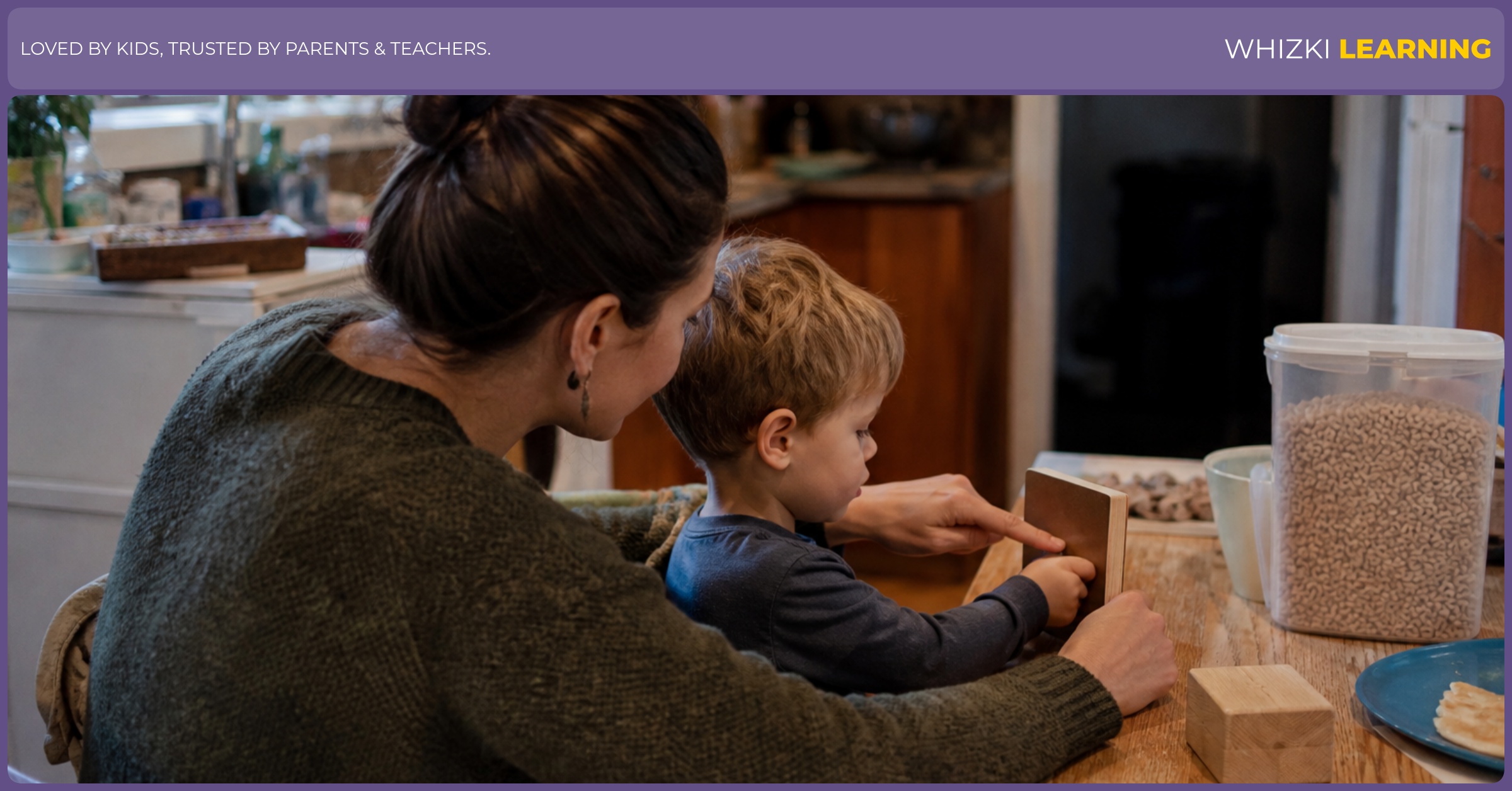
The adult can say, “Touch one side,” “Find one corner,” and “Slide your finger around a curve.” The child answers with hands before the child needs fancy vocabulary, and the movement gives the brain something solid to connect with the word.
The shape hunt can take three to five minutes during snack, clean-up, or waiting for water to boil. If your family already enjoys guessing amounts, connect shape noticing to the previous math at home guide by asking, “How many corners do you think the box has before we count?”
Ask better questions than “What shape is this?”
The question “What shape is this?” checks naming, but early geometry grows when the adult asks children to describe what eyes and fingers notice. The Orton-Gillingham approach uses explicit, multisensory language for letters, and the same plain pattern helps math: see the edge, say the word, trace the part, and name the object.
The adult might ask, “How many straight sides can your finger find?” or “Where does the curve start?” The child may answer with a point, a tap, or a full sentence, and every form of response counts during preschool and kindergarten practice.
The best follow-up is a small compare question. The adult can place a book beside a tablet cover and ask, “Which one has sharper corners?” or place a lid beside a coin and ask, “Which curve feels bigger under your finger?”
Compare a flat picture with a solid object
A flat drawing shows a shape on paper, while a solid object can be held, turned, stacked, rolled, or opened. Montessori classrooms often separate hands-on solids from drawn shapes at first because young children learn through touch before abstract labels make sense.
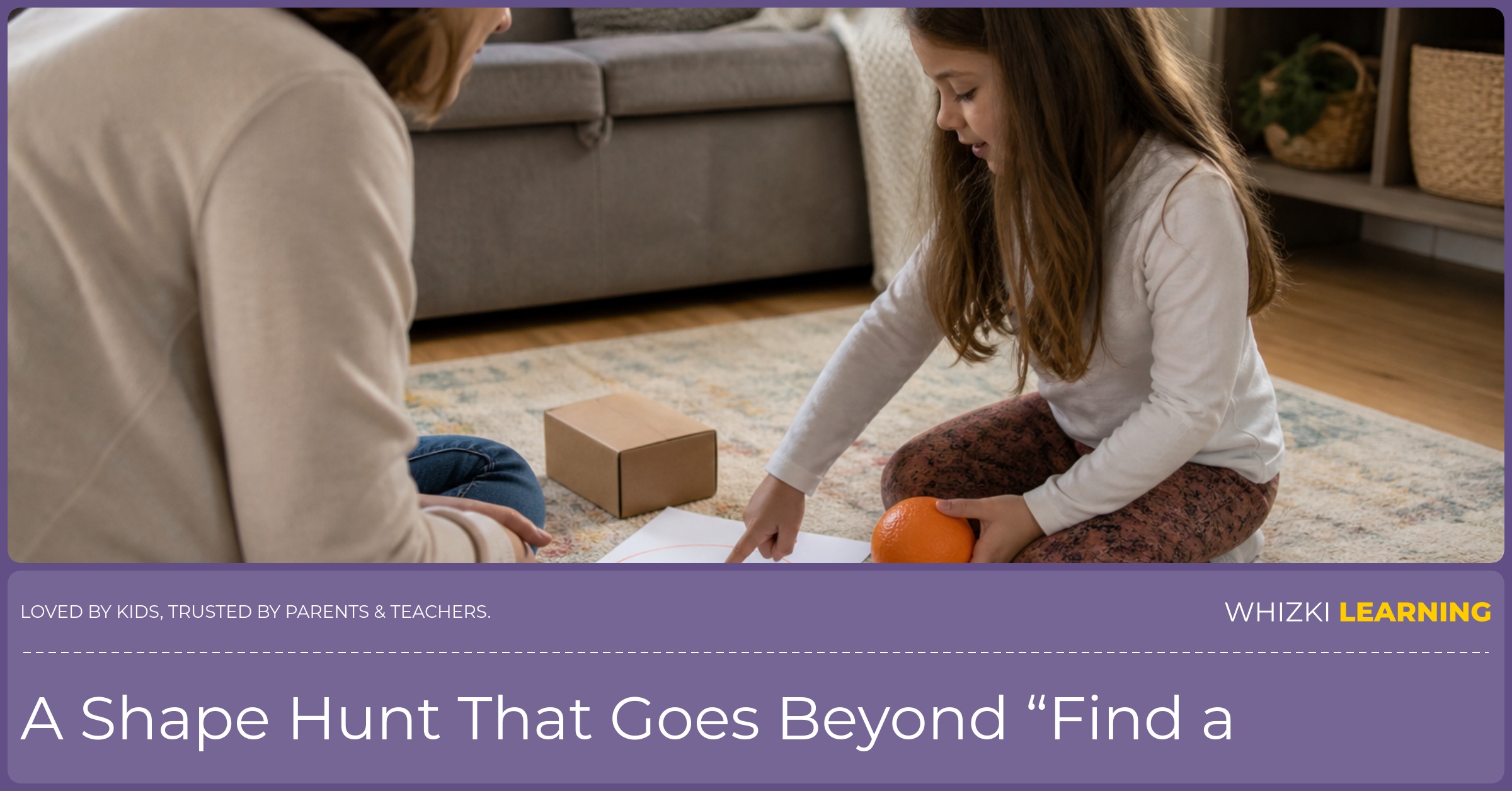
The adult can draw a circle on scrap paper and set an orange beside the drawing. The child can trace the flat circle with one finger, then roll the orange with two hands, and the adult can say, “The drawing is flat, and the orange is round all the way around.”
The child does not need a full geometry lecture about two-dimensional and three-dimensional objects. Occupational-therapy basics point toward simple body-based contrasts, flat hand on paper, whole hand around a ball, fingertips along a box edge, and palm pressing a face of the block.
Find shapes inside bigger objects
Shapes hide inside larger objects, and the search can feel like a quiet investigation instead of a quiz. Reggio-inspired teaching treats the room as a learning partner, so a window, backpack, shoe, rug, and chair can all become math materials.
The adult can ask, “Where is a rectangle inside the door?” and then point to panels, handles, mail slots, or panes. The child learns that one object can hold many shape clues, and that idea matters more than giving one perfect label.
The search works especially well when the adult names parts instead of racing toward answers. A wheel has a curve, a button may have a circle face, a lunch box may have rectangle faces, and a pillow may have soft corners that are harder to feel.
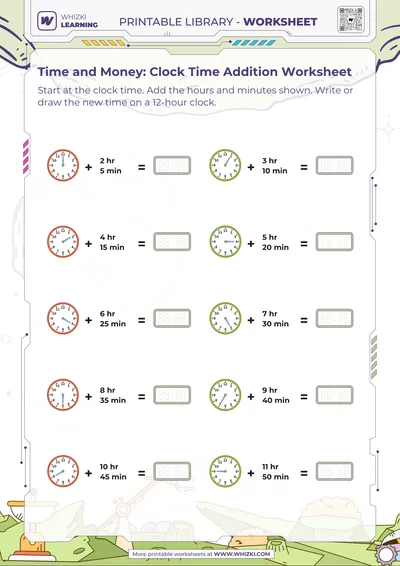
If a printed page helps your child slow down and point carefully, the Whizki Learning printable library has low-pressure pages you can pair with real objects from the room. Use a page as a starting mat, then move back to blocks, lids, boxes, and toys.
Adjust the routine for ages three to seven
A three-year-old may only touch a curve, shout “round,” and move on after two minutes. NAEYC practice supports short, playful repetition, so the adult can stop before the child gets wiggly and bring the same words back tomorrow.
A four- or five-year-old can compare two objects and count sides with help. The kindergarten teacher can model careful counting by starting at one corner, moving around the edge, and tapping each side once.
A six- or seven-year-old can sort objects by features rather than by names alone. Occupational-therapy heuristics still matter for older beginners, because tracing, gripping, stacking, and rolling keep geometry grounded in the body.
The adult can add a drawing step for children who enjoy pencils. The child can draw the front of a box as a flat rectangle, then hold the box and notice that the real object has more faces than the drawing shows, with no rush to memorize formal terms.
Know when to stop and what to try next
The shape hunt should end while the child still feels curious. Reggio and NAEYC practice both value observation, so the adult can watch for squirming, silly avoidance, or repeated guessing and close the activity with one successful touch.
A helpful next step is to collect one photo, drawing, or object for a small “shape museum” on a shelf. The family can visit the Learning Hub for another short activity when the child is ready for fresh practice.
The honest limit is that a shape hunt will not replace rich block play, drawing, cooking, outdoor noticing, or teacher-led small groups. The routine gives adults better language for everyday math, and repeated warm moments help children notice sides, corners, curves, flat pictures, and solid objects with growing confidence.
Shape talk does not need a perfect lesson plan or a quiet house. One cracker box, one lid, one toy block, and one calm adult question can turn a rushed day into real early math.