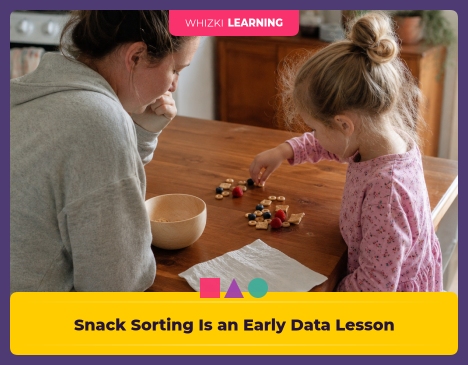
Audio available
A five-minute snack sort turns crackers, berries, or allergy-friendly objects into early data practice as children sort, count, compare, and clean up.
Practical articles about early math and numbers for parents and teachers.
A five-minute snack sort turns crackers, berries, or allergy-friendly objects into early data practice as children sort, count, compare, and clean up.
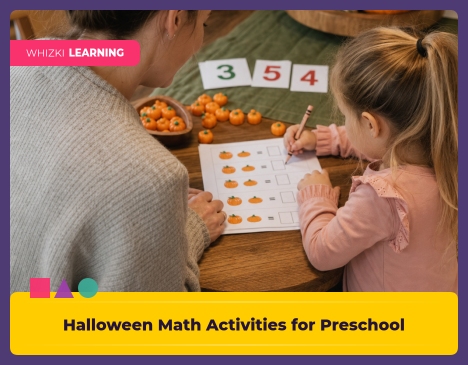
A focused Halloween math guide for ages 3-7 with counting, one-to-one correspondence, patterns, comparing groups, shape spotting, and a simple treat graph.
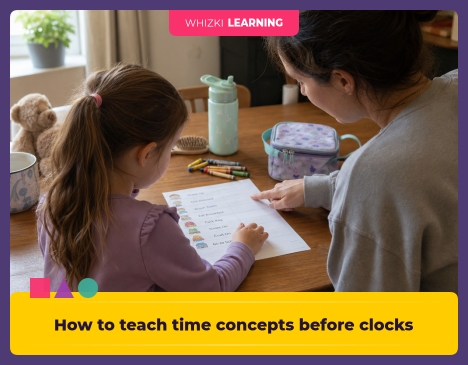
Teach kindergarten time concepts with yesterday-today-tomorrow talk, a visual daily schedule, sequencing words, and clock readiness without rushing analog time.
Practical articles about early math and numbers for parents and teachers.
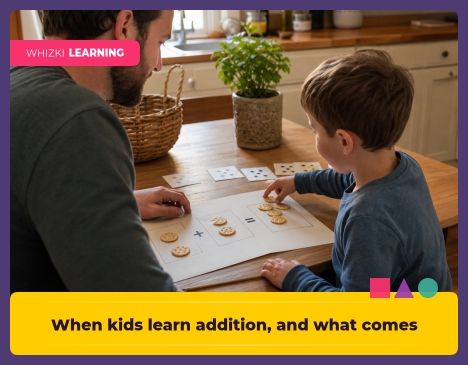
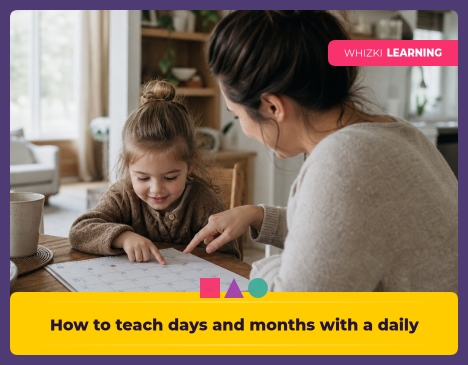
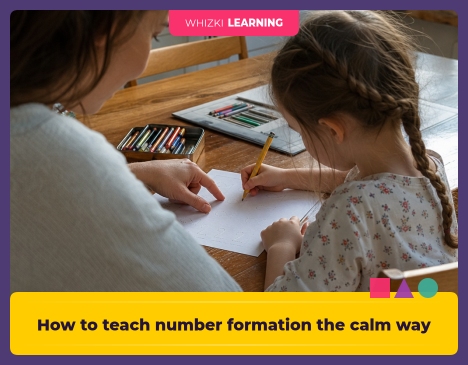
Our free articles cover the why and the how. For a structured journey, our printed workbooks pack 80+ pages of durable practice for hours of hands-on, no-screen learning.
Browse the workbooks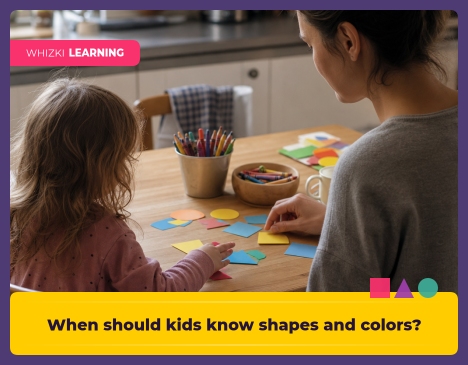
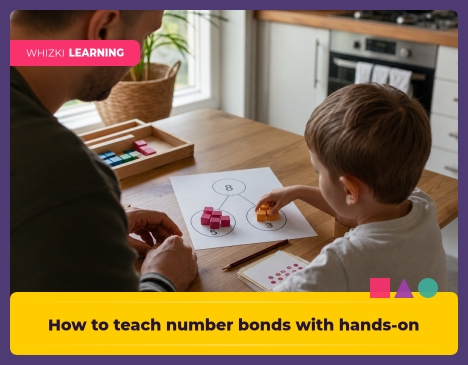
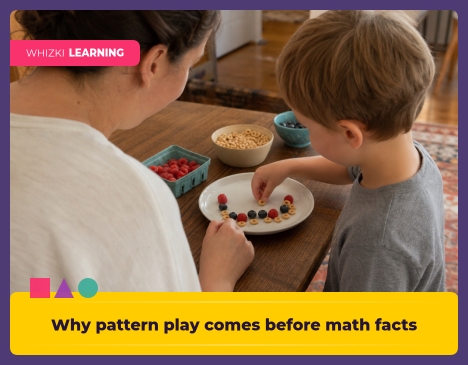
Free letter, number, and skill walk-throughs organized A to Z and 0 through 10. Use them alongside your favorite workbook or as a stand-alone reading break.
Open the learning hubPractical articles about early math and numbers for parents and teachers.
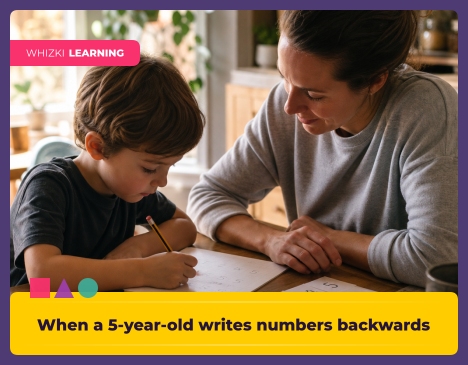
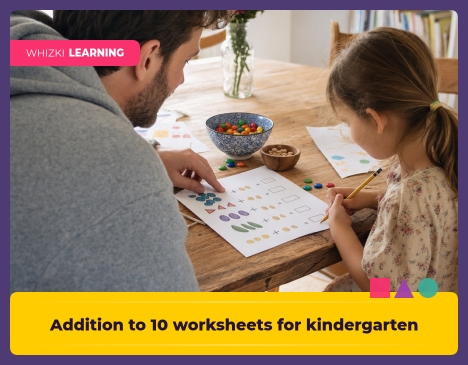
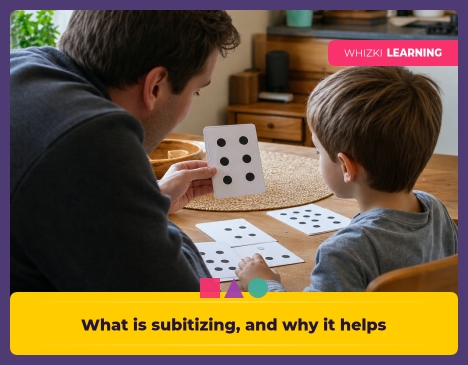
Hundreds of single-page activities sorted by age, subject, and skill. Print, sit beside your kid, done. No subscription, no companion app.
See the printablesGet exclusive activities, expert tips, and inspiration for a more meaningful, offline family life.
 Whizki Learningwhizki.com
Whizki helps parents and teachers turn letters, numbers, and everyday questions into simple learning activities for ages 3–7. Explore free printable worksheets, ready-to-use worksheet sets, and the Family Learning Planner for learning at home or in the classroom. Printed Whizki workbooks are also available separately on Amazon.