
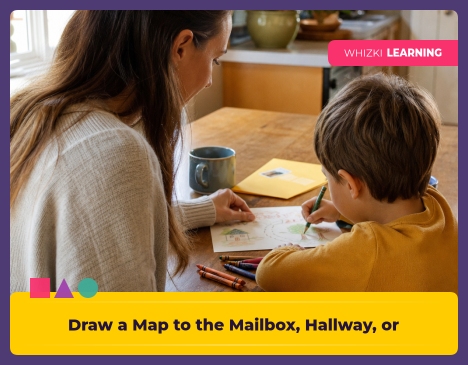
If the walk to the mailbox turns into “Wait, which way?” or a preschooler melts down because the front gate feels far, grab one sheet of paper, choose a start and finish, and draw only three landmarks today. A small map gives a child ages 3 to 7 a job that feels doable: look, decide, mark, and move.
Reviewed by Whizki Editorial Team, Early Childhood Education Editors.
The 20-minute route plan
The route plan starts with one real trip, such as the kitchen door to the mailbox, the hallway rug to the bedroom, or the front gate to the porch. NAEYC guidance favors learning through active, meaningful experience, and a real route gives young children something to see, touch, and talk through.
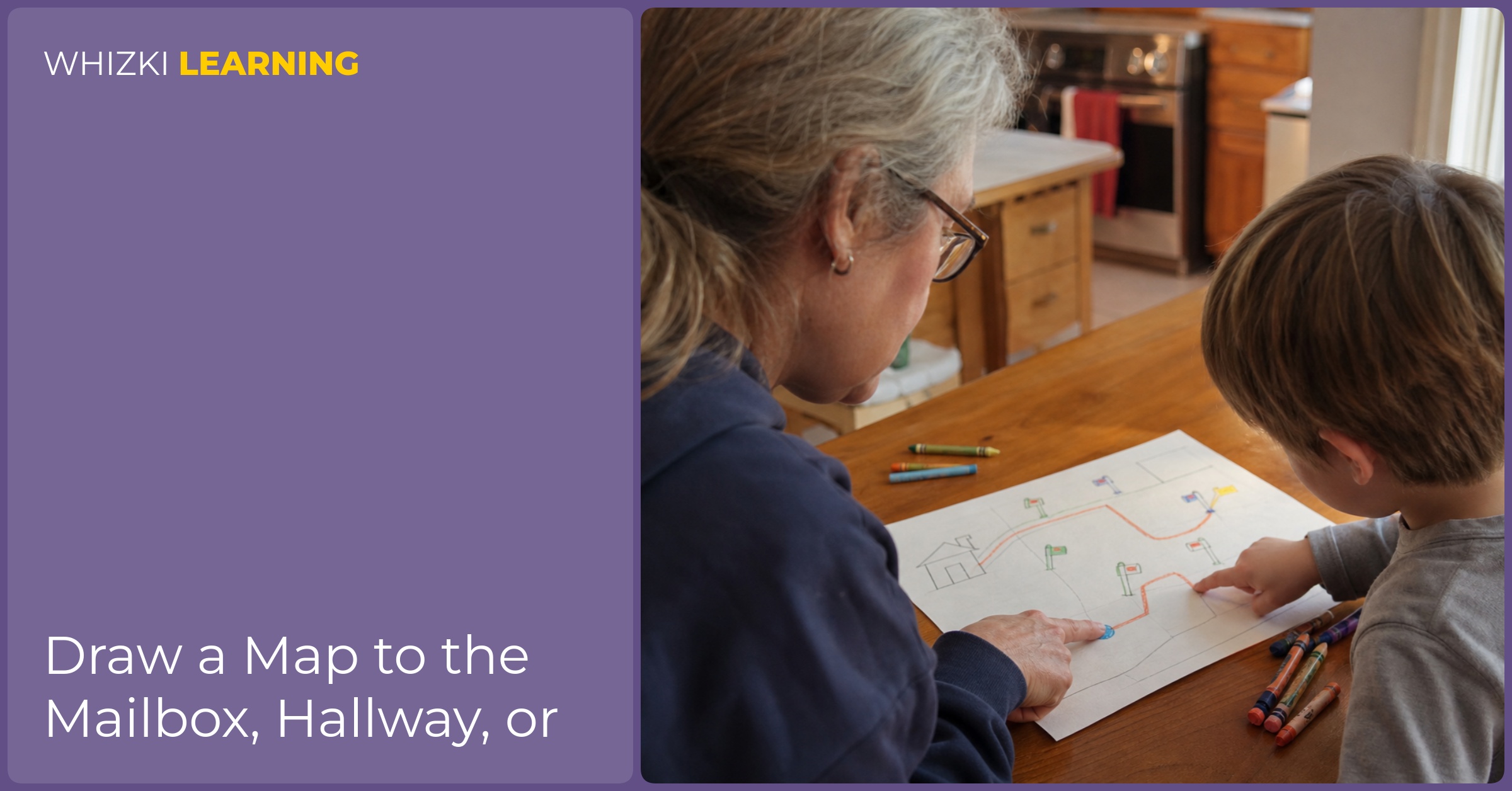
The adult draws a big dot for the start and a star for the finish, then asks the child to name three useful landmarks. A map does not copy every brick, leaf, shoe, or toy because a map selects helpful information for a purpose. In my classroom, children relax when the adult says, “A good map leaves out the extra stuff.”
The child adds the path with a crayon, finger trace, sticker trail, or pencil line. Reggio-inspired practice treats the child’s drawing as thinking on paper, so wobbly lines and oversized trees are welcome. The finished map only needs to help the child say, “Start here, turn there, end there.”
Landmarks, turns, and a symbol key
The landmark talk begins with concrete objects the child already knows: couch, plant, mat, mailbox, gate, sink, or stairs. The Orton-Gillingham approach reminds teachers to make language explicit and multisensory, so say the direction word, point the body, trace the line, and walk the turn.
The symbol key can be tiny and friendly, with one square for the house, one circle for the tree, and one star for the finish. The child does not need a perfect legend or formal map vocabulary. The goal is matching one simple mark to one real thing.
The direction words can stay short: start, stop, turn, near, around, across, and finish. A child who enjoyed asking one real question in the previous world lab guide may like adding a helper question here, such as “Where does the mail carrier walk?” For more hands-on geography, counting, and early science ideas, the Learning Hub keeps related activities in one place.
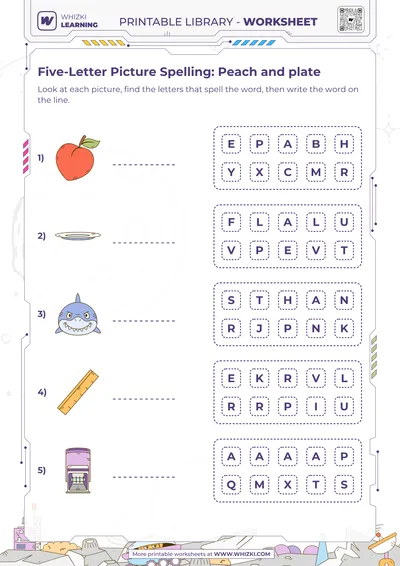
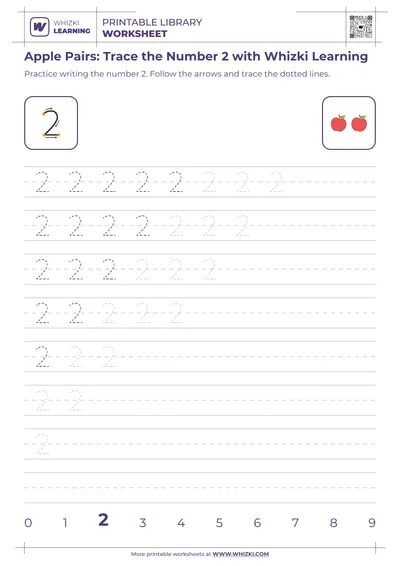
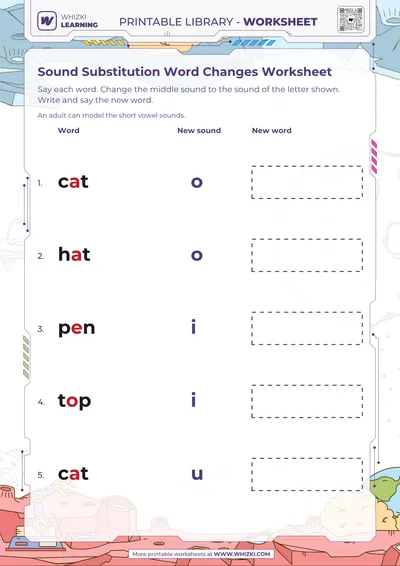
A blank route page from the printable library can save prep when the kitchen table is already crowded. Print one page, add a start dot and finish star, and let the child choose the symbols. A plain sheet of paper works just as well when the printer is out of ink.
An indoor route for rainy days
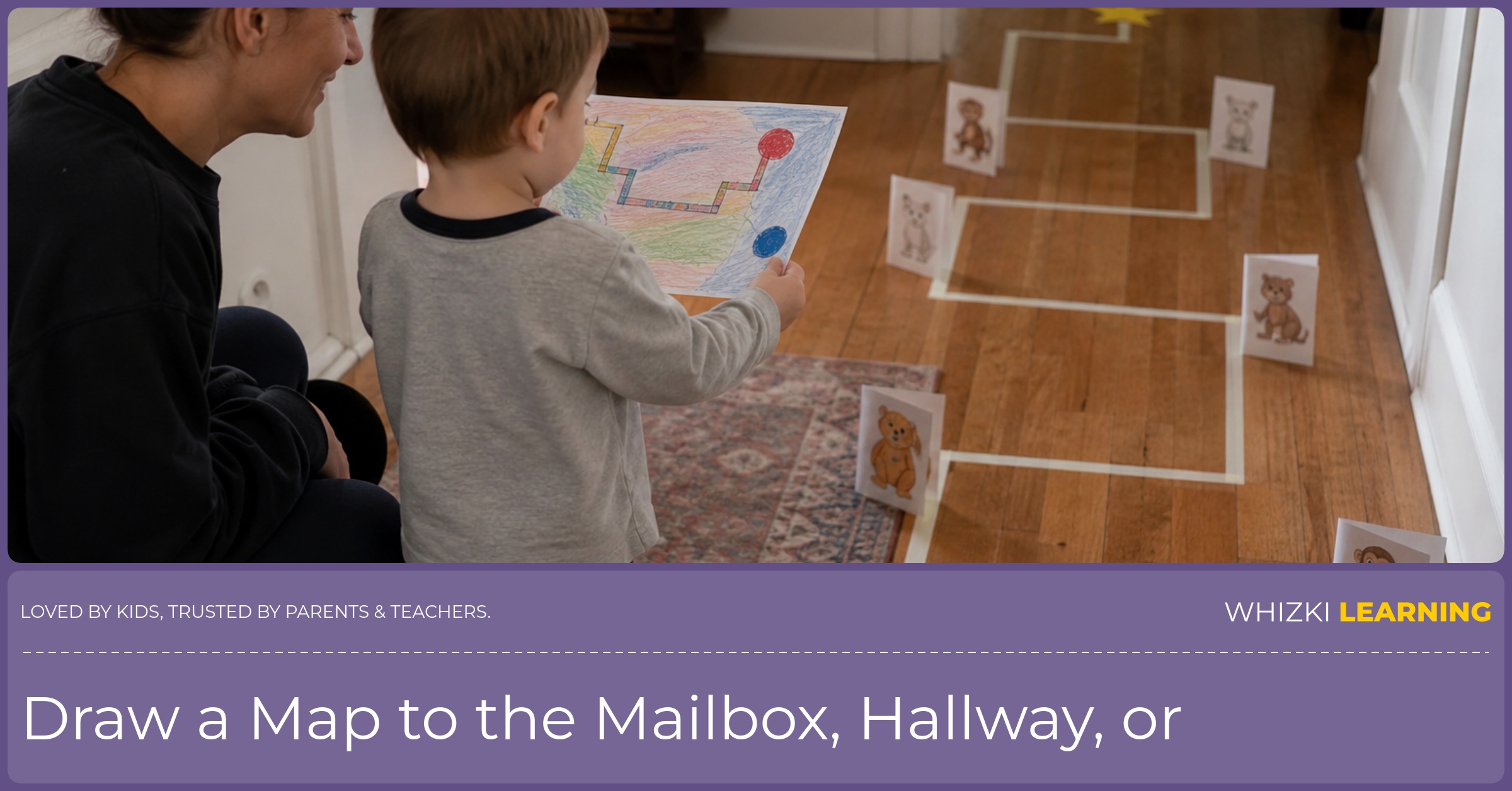
The indoor route can run from the bedroom door to the bathroom sink, from the couch to the snack shelf, or from the hallway rug to a stuffed animal basket. Occupational therapy basics often start with short, clear movement paths because young children use body position, balance, and touch to understand space.
The adult can tape a paper start dot to the floor and place a finish star where the route ends. The child walks the route first, then marks the map after the body has felt the distance. A child who needs more movement can carry one envelope, spoon, or soft toy along the path to give busy hands a job.
The indoor map should stay small when the child is tired, hungry, or racing. Two turns may be plenty for a 3-year-old, and one long hallway can be enough for a kindergartner who wants to decorate every symbol. The limit is real life, not a lesson plan on paper.
Age adjustments from 3 to 7
The 3-year-old mapper may only scribble the path and place a sticker for the finish. Montessori practice often begins with concrete objects before paper symbols, so let the youngest child hold a toy car, walk the route, and then make one mark.
The 4- and 5-year-old mapper can choose landmarks and draw two turns with adult support. The adult can model left and right without drilling the child, because many children in the preschool years still mix direction words. The map conversation matters more than a tidy product.
The 6- and 7-year-old mapper may be ready to add a simple key, count steps between landmarks, or compare an outside route with an indoor route. Early math grows when the child notices order, position, distance, and one-to-one matching between symbols and places. If drawing frustrates the child, the adult can draw while the child directs every choice.
Use the map on the real walk
The real walk is where the map becomes more than a craft. Speech-language pathology practice often uses everyday routines to build position words, sequence words, and clear explanations, so ask the child to narrate the route in short phrases.
The adult can ask, “Where do we start?” “What landmark comes next?” and “Which way should our feet turn?” The child can hold the map, point to the next symbol, or hand the map to another family member and give directions. The job is small enough for a tired afternoon and useful enough for a real errand.
The map can be saved for one replay or recycled after the walk. A young child may want to repeat the same mailbox route for several days, while another child may lose interest after one trip. Both responses are normal, and the adult can stop before the activity turns into a battle.
A child’s first map is usually lopsided, crowded, and full of personal favorites. The learning lives in the choices: where to start, what matters, which turn comes next, and how to explain the route to another person.