
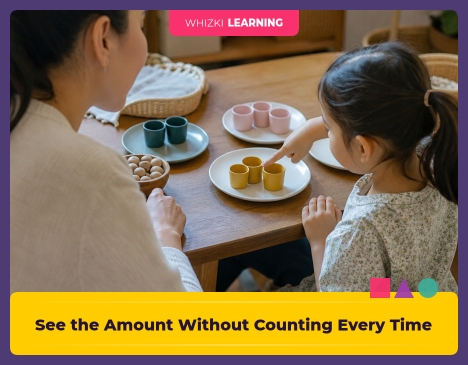
If your child keeps counting the same three crackers one by one while dinner gets cold, place three cups in a triangle today and ask, “How many do you see?” before anyone touches a cup. Subitizing feels small, yet subitizing gives children a real bridge from counting objects to seeing amount. The table, the snack mat, or the block bin already has everything needed.
Reviewed by Dr. Anna Klein, EdD, Early Childhood Curriculum Specialist.
What subitizing is in real life
Subitizing is the quick recognition of a small amount without counting every object aloud. A child who sees three cups in a triangle and says “three” is using a visual number sense that supports later counting, addition, and comparison. The goal is not speed for show; the goal is flexible noticing.
A useful range for preschool and kindergarten is usually one to five objects, with six added when a child is ready. NAEYC guidance on early math reminds teachers and families that young children learn number ideas through play, talk, and real materials before symbols carry much meaning. Cups and plates fit that guidance because the child can touch, move, and name the group.
The numbers learning hub can help when a parent wants language for counting, matching, and early number pages, especially after a few hands-on moments at the table. Use the numbers learning hub as a follow-up, not as a replacement for cups in small hands.
Set up a five-minute plate-and-cup investigation
The plate-and-cup investigation needs one plate, five small cups or blocks, and about five minutes. Put one to four cups on the plate while the child looks away, then invite the child to look back and name the amount. After the child answers, ask, “What did your eyes notice?” and accept pointing, tapping, or describing.
A Reggio-inspired classroom treats the child as an observer with ideas, so the adult does not need to correct every answer instantly. The adult can say, “You saw two on top and one below,” then the adult and child can touch the cups together to check. The checking step keeps the math honest without turning the moment into a quiz.
An occupational-therapy basic that helps here is keeping the setup stable and uncluttered. A plain plate on a calm table gives the eyes fewer places to wander, and larger cups are easier for younger children to scan than tiny beads. Children who are tired, hungry, or wiggly may do better with blocks on a rug than cups near dinner.
The best adult move is to pause for two quiet seconds before counting begins. The pause gives the child a chance to see the amount as a whole group. If the child starts counting, the adult can say, “Counting is one way to check, and looking first is another way to think.”
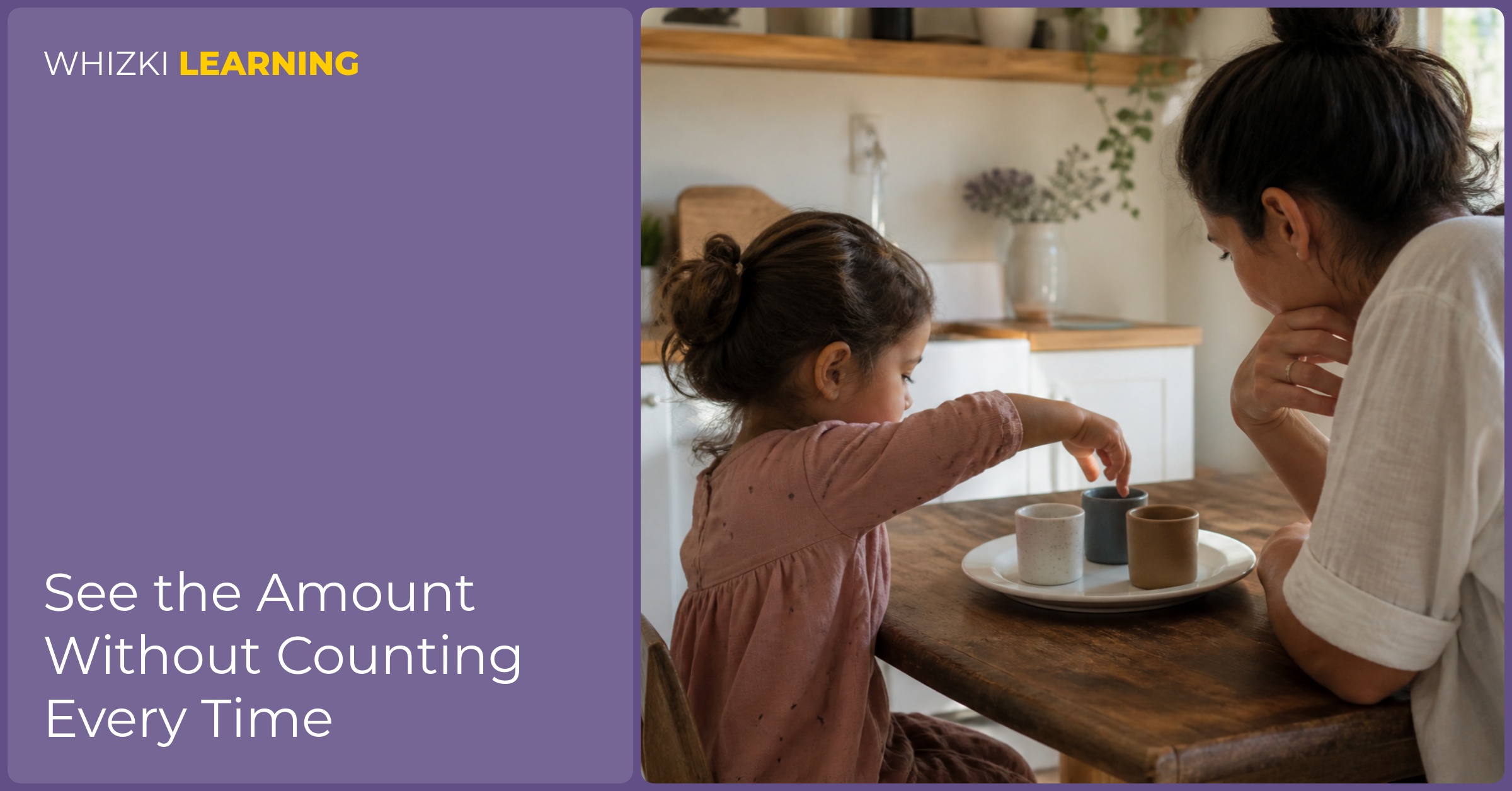
Compare familiar patterns with scattered groups
Familiar patterns help children see amount quickly, so start with arrangements that look like dice, dominoes, or snack patterns. Three can be a triangle, four can be a square, and five can be the four corners plus the middle. The familiar pattern gives the child a visual home base.
Scattered groups come next because scattered groups ask for more flexible thinking. Show four cups in a square, then show four cups spread apart on the plate and ask, “Same amount or different amount?” The child may need to move the cups back and forth several times before the sameness feels secure.
The Orton-Gillingham approach in literacy moves from known patterns to carefully changed patterns, and the same teaching habit works well in early math. Change only one thing at a time: keep the amount the same while changing the layout, or keep the layout familiar while changing the amount. The previous math at home guide on making ten with socks uses the same kind of concrete noticing, so the previous math at home guide can be a good next activity for older kindergarteners.
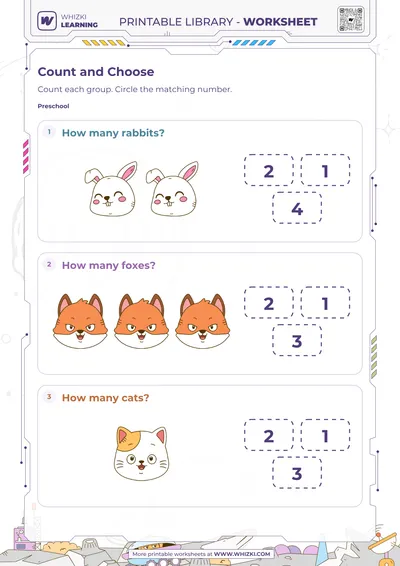
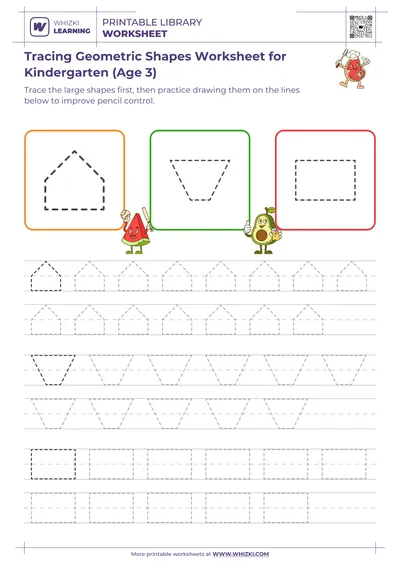
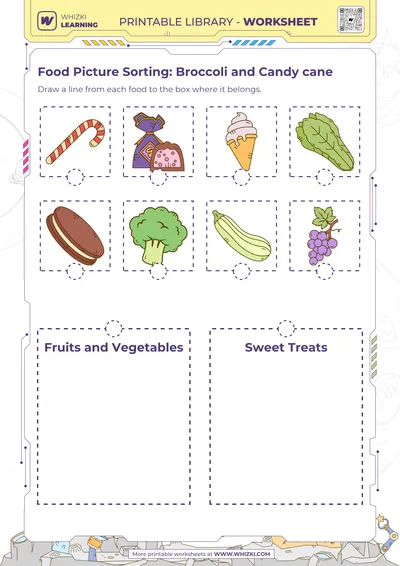
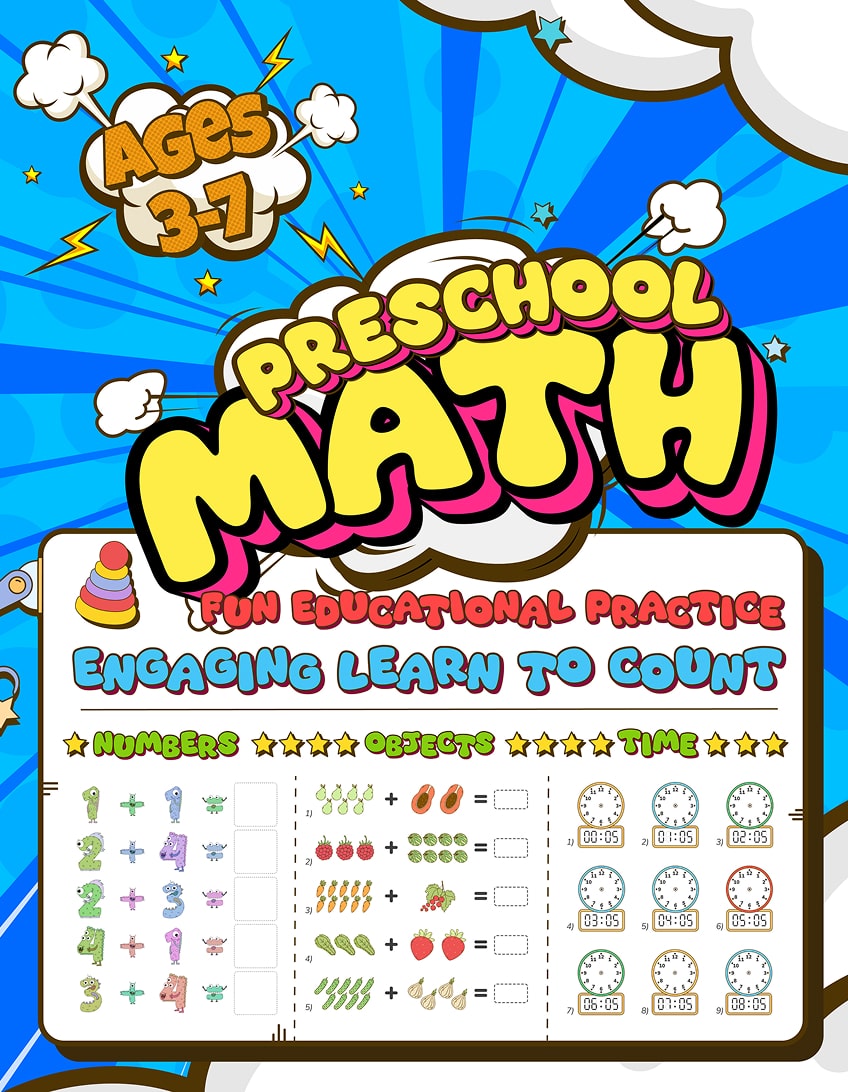
For days when the cups are in the dishwasher, the Whizki printable library has simple number pages that can sit beside a hands-on activity. A printable works best after the child has built, moved, and talked about small groups with real objects.
Adjust the range for ages three to seven
Three-year-olds often do best with one, two, and three objects in stable shapes. The adult can keep the language short: “You saw two,” or “One more makes three.” NAEYC-aligned preschool practice values repeated real experiences, so repeating the same triangle all week is fine.
Four- and five-year-olds can compare two groups within five. Put three cups on one plate and four cups on another plate, then ask which plate has more. Montessori practice often isolates one concept at a time, so keep color, cup size, and spacing mostly the same while the child compares amount.
Six- and seven-year-olds can look for parts inside a group. A child might see five as two and three, or six as three and three. That part-whole noticing matters more than pushing the child to name large scattered groups quickly.
Honest limits matter because subitizing is not a race and not every child will enjoy looking quickly. Occupational-therapy practice often watches for visual attention, body position, and hand comfort before adding challenge. If a child squints, turns away, or guesses wildly, make the group smaller and let the child build the arrangement instead.
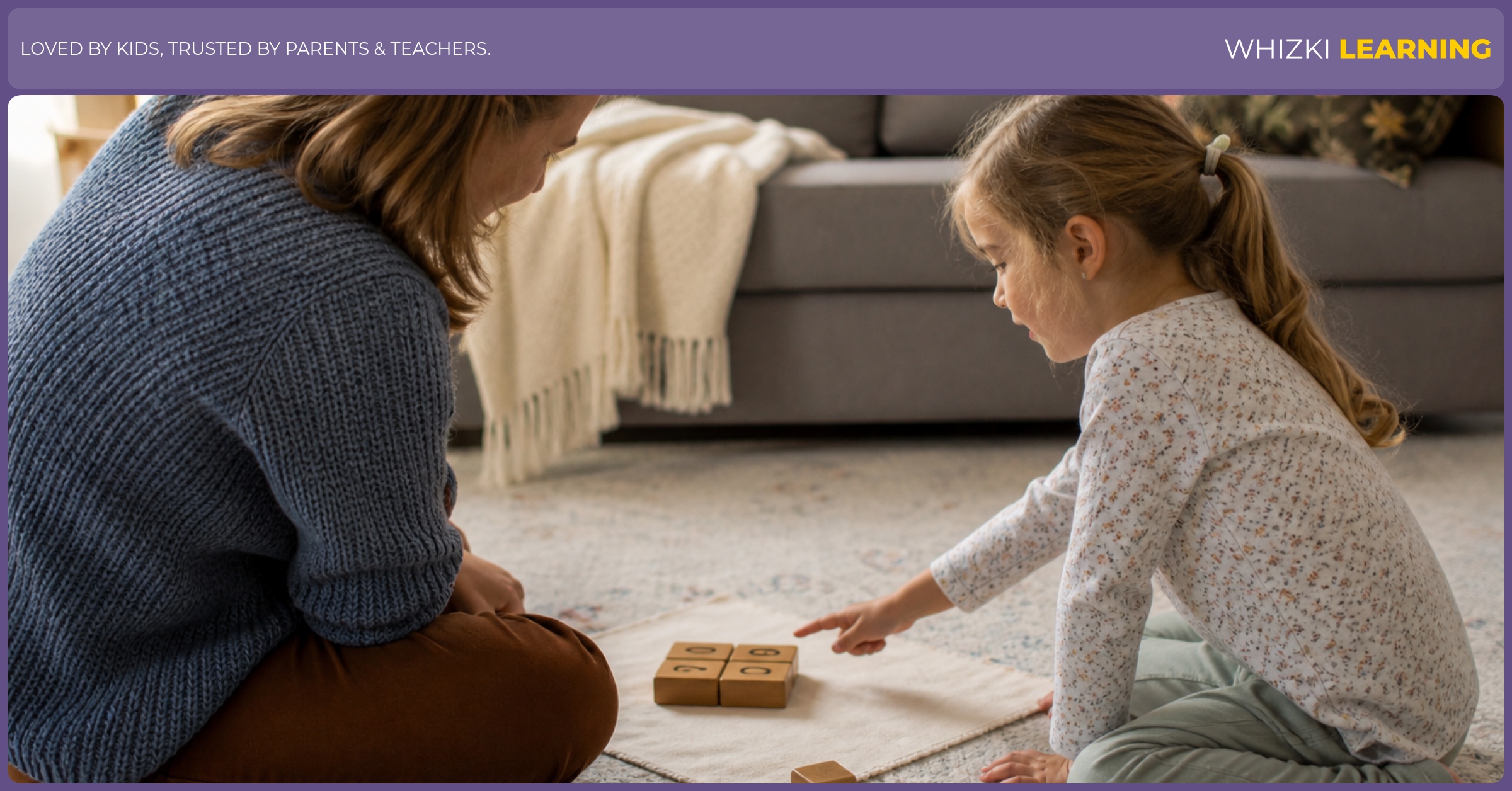
A tiny routine for the next week
The one-week routine can stay tiny: one plate, one amount, one question. On Monday, show two cups; on Tuesday, show three; on Wednesday, show the same amount in a new shape. Reggio-style observation asks the adult to watch what the child notices before planning the next step.
The routine works best when the adult writes one quick note after the child leaves the table. The note can be as simple as “saw three in a triangle” or “counted four after looking.” The note helps a parent, teacher, or homeschooler choose tomorrow's group without turning the activity into a formal test.
The next step is to connect the spoken amount to the written numeral only after the child has seen and checked the group. Show the numeral 3 after three cups have been named, touched, and rearranged. The symbol then labels an experience the child already understands.
Subitizing with plates and cups is small enough for a busy kitchen and strong enough to build real number sense. Keep the groups small, compare familiar and scattered layouts, and stop while the child still feels curious. Tomorrow, the same plate can hold a new little math conversation.