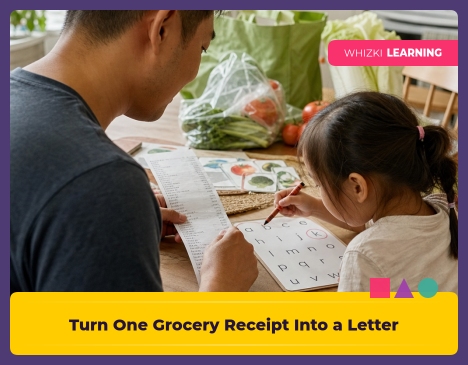
When groceries are finally unpacked and a child is reaching for a screen, hand the receipt to the adult, pick one target letter, and try a two-minute circle hunt today. The adult keeps the receipt flat, the child gets one crayon or pencil, and the goal is playful noticing, not finishing every line. Short, real print practice fits the kitchen-table moments that parents, caregivers, teachers, and homeschoolers already have.
Reviewed by Sarah Mitchell, M.S., CCC-SLP, Speech-Language Pathologist.
Set up the 5-minute receipt routine
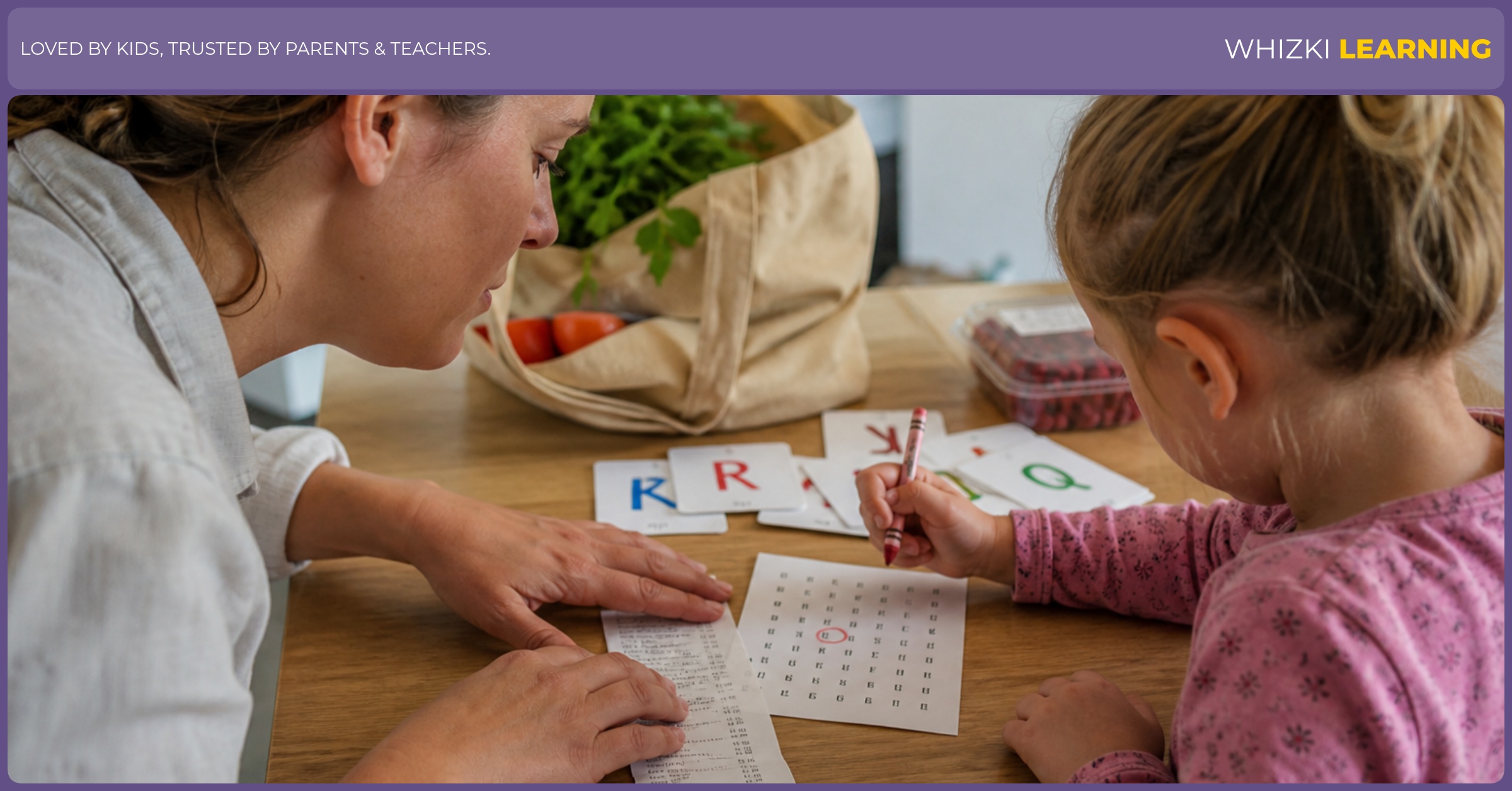
The receipt routine needs one store receipt, one crayon or pencil, and a clear stopping place such as the total line or the first fold. Receipt paper is handled by the adult because receipt paper is easy to crumple, tear, and mouth. Occupational-therapy basics remind teachers and parents that stable paper and a relaxed writing grip matter more than perfect circles.
The adult can place the receipt on the table, point to the top half, and say, "Today we are hunting for one letter." For children ages 3 and 4, the child can circle one or two matches while the adult does most of the scanning. For children ages 5 to 7, the child can scan a short section, circle the target letter, and tell the adult when the print begins to feel crowded.
NAEYC guidance values meaningful print in real settings, and a grocery receipt is meaningful because the child just watched the family use the store. The receipt hunt should still stay brief because tiny print is harder to track than a picture book page. Two to five minutes is enough, and stopping early keeps the next letter hunt friendly.
Choose one target letter
The target-letter choice should be simple enough for the child to see more than once. Orton-Gillingham teaching often starts with one clear sound-symbol focus, so the adult names one letter and says one common sound before the search begins. For a bigger alphabet map before or after the hunt, the alphabet learning hub can help the adult keep letter names, sounds, and examples organized.
The adult can choose a letter from the child’s name, a letter on a favorite food package, or a letter that appears several times on the receipt. The adult might say, "We are looking for capital M and little m, the letter that starts milk." Receipt print sometimes uses all capital letters, so the adult can say, "This receipt has the big form today," without turning the moment into a correction session.
The target letter should stay the target letter until the search ends. Switching from M to S to T in one short strip can make the task feel like a test instead of a hunt. If the child loses interest, the adult can circle the final match, read one grocery word aloud, and put the receipt in the recycling or trash.
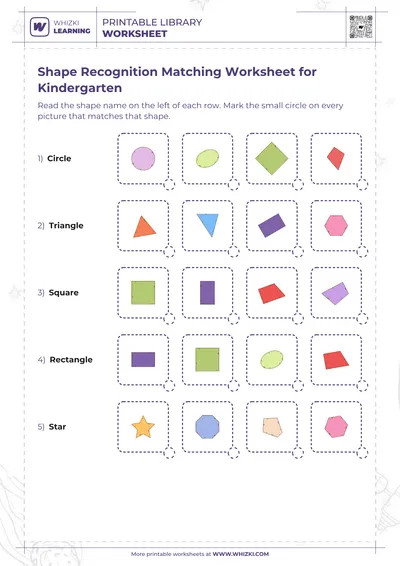
If a child asks for more letter hunting after the receipt goes away, the Whizki printable library can give the same target-letter practice on a cleaner page. Keep the printable as a short follow-up, not a replacement for noticing real print during errands and snack time.
Compare uppercase and lowercase on the same receipt
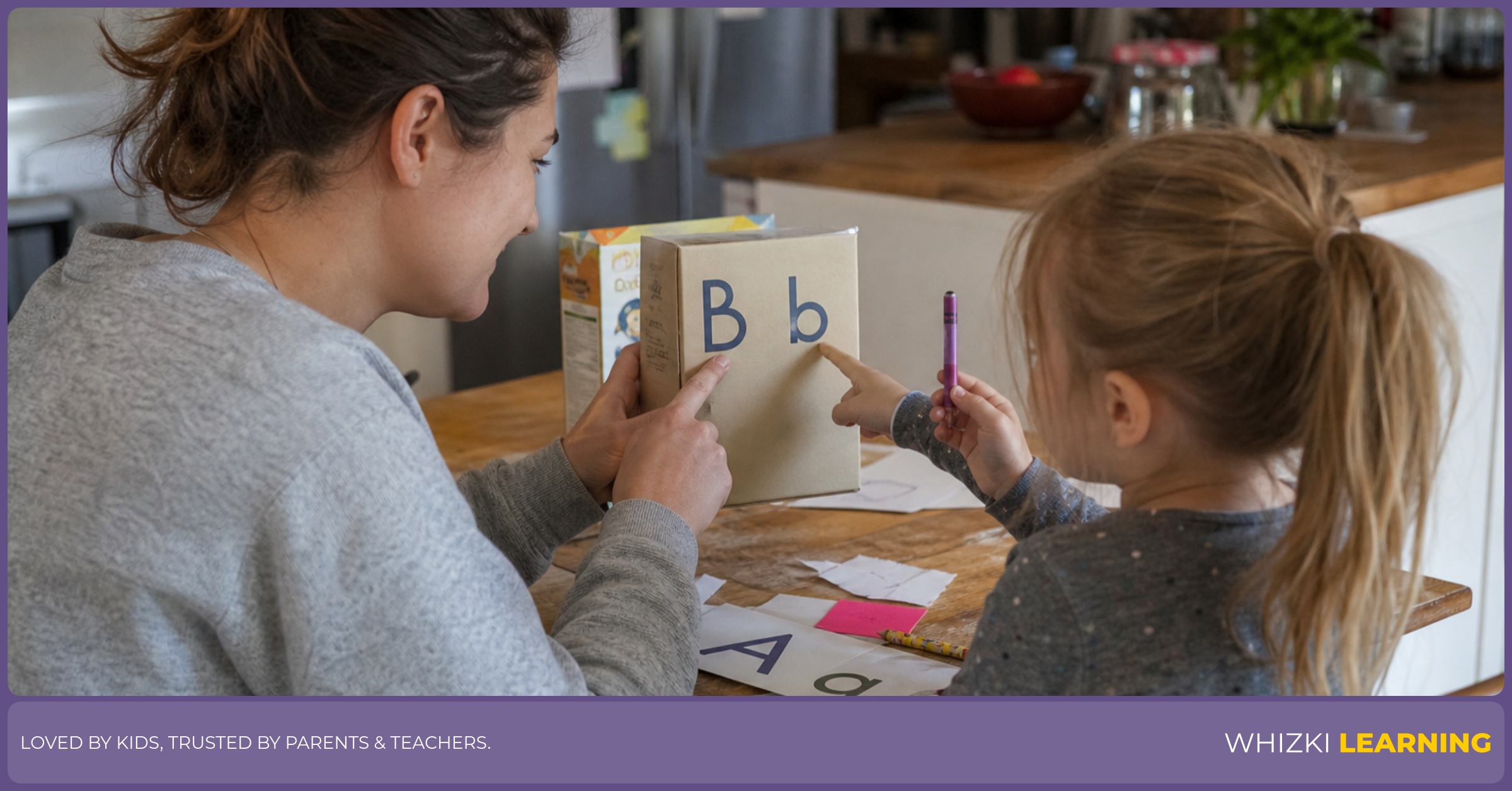
Uppercase and lowercase comparison works best when the adult uses plain language such as "big B" and "little b" while still naming the real letter. Speech-language pathology practice often separates the letter name, the letter sound, and the printed shape, because children are learning three connected ideas. The adult can say, "Big B and little b both say /b/ in ball," then move back to looking.
The adult can circle one uppercase form first and invite the child to hunt for the lowercase partner. If the receipt does not show the lowercase partner, the adult can write the lowercase form on a scrap of paper beside the receipt. The comparison stays concrete because the child can look back and forth between two shapes rather than holding both shapes in memory.
Letter reversals and wobbly circles are common in the 3 to 7 age range. The adult can model the direction gently by tracing the letter with a finger, then letting the child try again or move on. The goal is recognition and talk about print, not handwriting perfection.
Find repeated words without wearing out the eyes
Repeated-word hunting comes after the single-letter hunt, not before. The adult can point to one short word that appears again, such as TAX, SALE, or the store name, and say, "I see the same word two times." The pattern talk connects to oral language play, much like the sound noticing in the previous literacy lab guide.
Visual fatigue is the honest limit with receipts because the print is small and crowded. Occupational-therapy heuristics ask adults to watch the child’s body: rubbing eyes, leaning very close, pressing hard, or scribbling across whole lines usually means the hunt has gone on long enough. Five good circles can teach more than twenty tired marks.
Reggio-inspired observation helps the adult notice what the child is actually doing instead of forcing the adult’s plan. A child who sorts circles by line, asks about prices, or reads the same grocery word aloud is showing a real interest. The adult can follow that interest for one minute, then close the activity before the receipt becomes a blur.
Use packaging as the backup plan
Receipt paper is not the right material for every family or every setting. Montessori practical-life thinking gives adults permission to use real objects, and real objects can include clean cereal boxes, yogurt lids, cracker sleeves, or paper grocery bags. Packaging gives larger print, sturdier paper, and fewer concerns about tiny thermal receipt text.
Food packaging can support the same steps: choose one target letter, compare the uppercase and lowercase forms, and look for one repeated word. The adult should check that the package is clean, dry, and free of sharp edges before the child handles the package. A sticky note can cover busy nutrition panels so the child sees one friendly search area.
Letter hunts are small literacy moments, not a complete reading program. NAEYC-aligned early literacy still includes shared books, songs, name writing, storytelling, and playful sound work across the week. A receipt or package hunt earns a place in the mix because the child sees that print has jobs in ordinary family life.
The receipt letter hunt works because the adult makes one small decision: one letter, one writing tool, and one short stop. The practice can happen after a grocery run, in a classroom dramatic-play center, or during homeschool snack clean-up, and the best ending is a child who still wants one more turn later.