
It is so frustrating when your kid keeps asking, “What does that III mean?” while you are trying to get breakfast on the table. The good news is Roman numeral III is simple, and you can teach it in a way that matches how preschoolers and kindergarteners actually learn, through what they see and touch.
Reviewed by Whizki Editorial Team, Early Childhood Education Editors.
Roman numeral III is the symbol for 3. You will notice III when a book or movie uses Roman numerals for a title, when a clock face labels minutes, or when history pages mention a king. For ages 3 to 7, the goal is not Roman-numeral math, it is reading the symbol you already see.
Where kids see Roman numeral III in real life
Roman numeral III shows up in everyday places, and that is where the learning sticks. For example, the Apollo 13 mission is known for the “IX” and “XIII” parts, and kids often notice Roman numerals on mission posters, book spines, or classroom displays, which makes III feel like a real label instead of a worksheet problem. A history page might mention Henry III, and a DVD case might say Toy Story III, so the symbol becomes part of a familiar story.
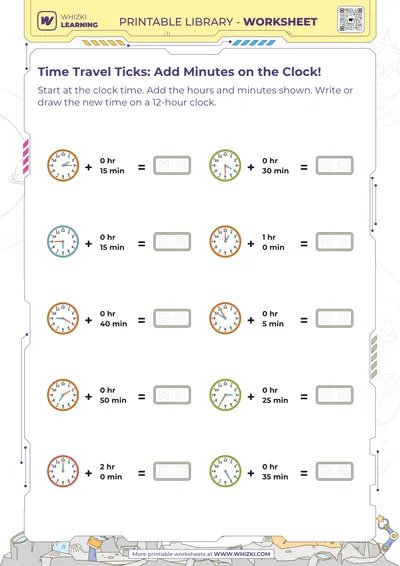
Roman numeral III also shows up on a clock between II and IV, right where the minute markers and labels feel like “counting landmarks.” Occupational-therapy basics for attention and sensory input say that kids learn best when a symbol is tied to a concrete place in the environment, like “the row between II and IV.”
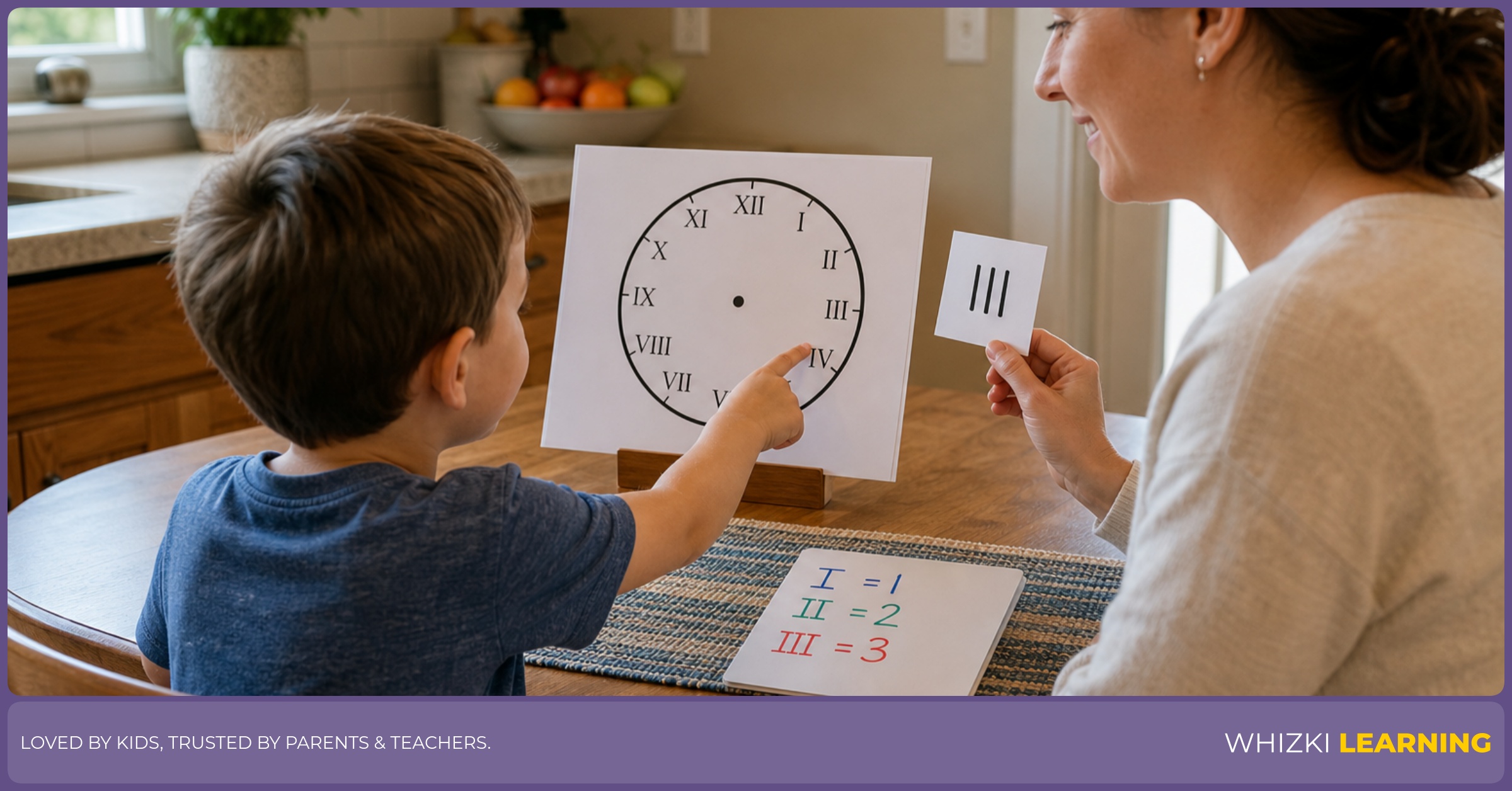
The simple rule for Roman numeral III
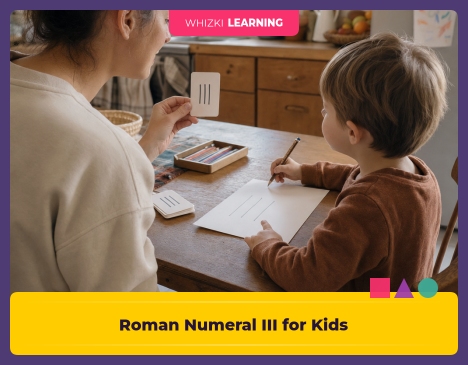
Roman numeral III follows one short rule that you can say out loud: III equals 3. Roman numeral III is written as I + I + I, which is three tally marks in a row. Reggio-inspired learning reminds us that kids understand symbols best when adults connect them to patterns they can see and copy with their hands.
Roman numeral III is not about doing extra steps, it is about recognizing the shape and matching it to the number 3. When a child sees III, the child can think “three,” the same way a child thinks “three dots” when counting a small group of objects.
A memorize trick for Roman numeral III
Roman numeral III is easy to remember with a body cue, and body cues help young kids focus. Try this: hold up three fingers and say, “III is 3,” then point to three “pillars” in a row, like a tic-tac-toe row. This matches the Orton-Gillingham approach of clear, consistent language plus a repeatable visual pattern.
Roman numeral III also works as a quick breakfast-table script. When your child asks, “What is that III?” you can answer, “III is 3, three fingers, three pillars,” and then move on to the toast.
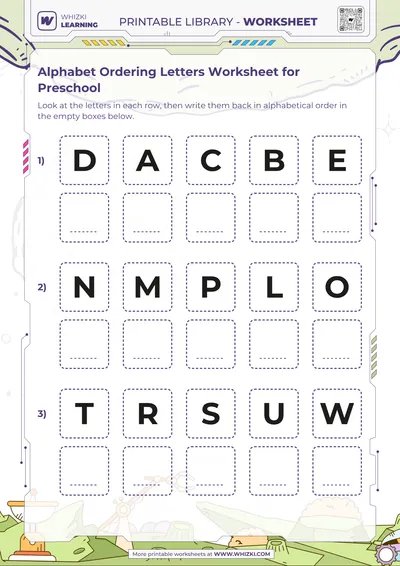
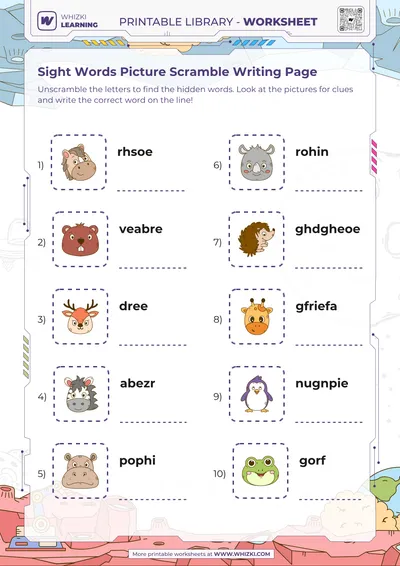
Practice the number 3 look and feel with our Roman numeral III learning page, plus matching counting and number sense printables that let kids trace and spot the symbol in a calm, screen-free way.
If you want to keep the same practice going on paper, take a look at our number tracing workbook for preschool and kindergarten.
Screen-free spot-and-say game for III
Roman numeral III needs repeated noticing, not timed drills, and a simple “spot-and-say” game does the job. Pick one place to look, like a clock face, a book chapter title, or a movie case, then ask the child to find III and say it out loud: “III is 3.”
Roman numeral III tracing can be part of the same game, using a napkin or scrap paper. After the child finds III, trace the symbol once with a finger or pencil, then say, “Three pillars, III is 3,” and stop while the child still feels successful.
What kindergarteners need most (and what they do not)
Roman numeral III is a reading skill, not a math skill, for most kindergarteners. NAEYC guidance on developmentally appropriate practice says young children need lots of meaningful exposure to symbols in context, like reading the ones they see on a DVD or on a classroom poster. Roman numeral math, like converting lots of symbols quickly, is not the priority at this age.
Roman numeral III becomes easier when adults keep the language consistent. If a child confuses III with IV or II, the adult can slow down and point to the number of lines, “III has three I’s,” then return to the real-life example the child already recognizes.
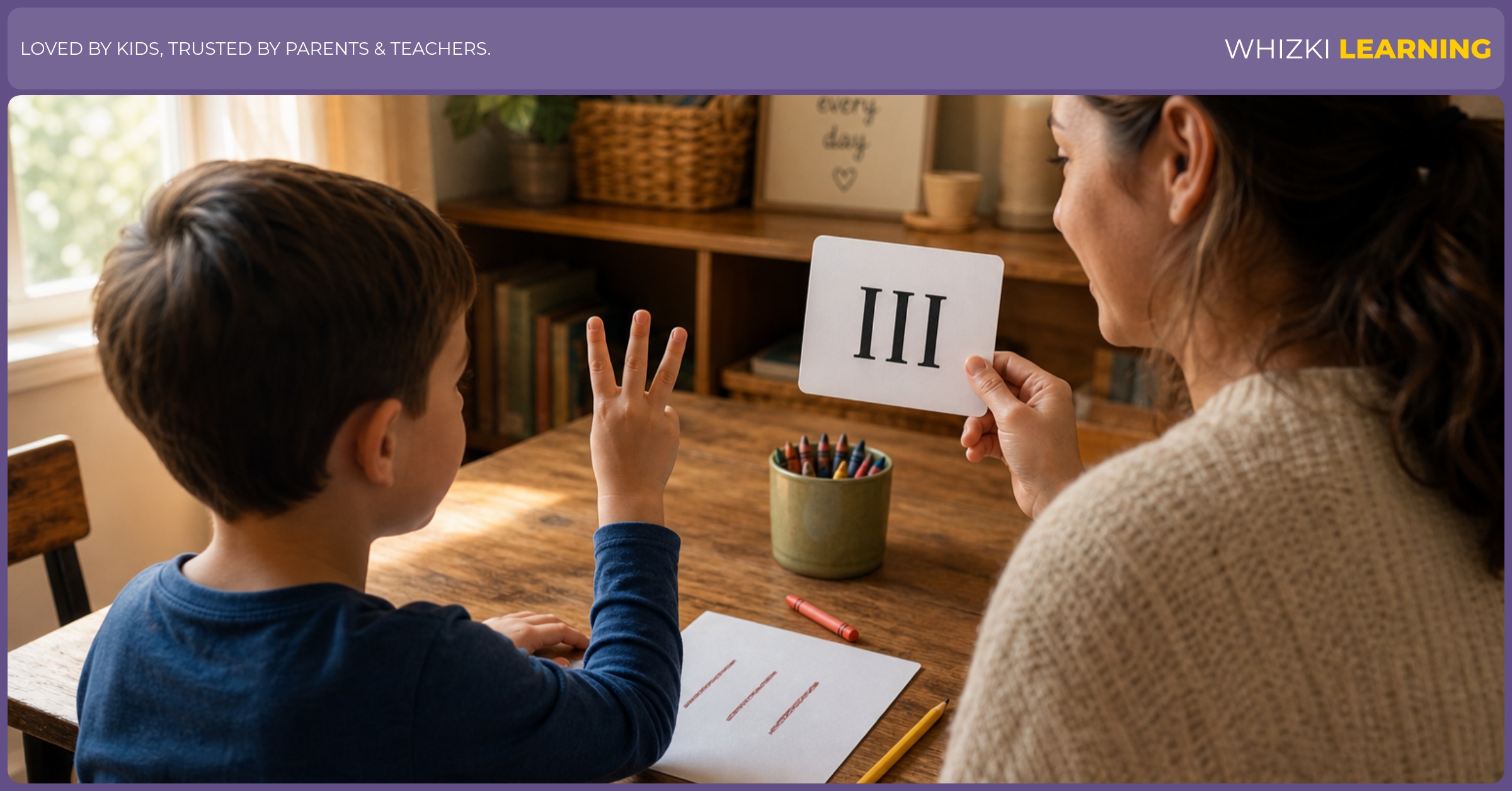
Bedtime cue for Roman numeral III: when bedtime is close to 3 o’clock, ask the child to look for III on the clock face and say, “III is 3.” This turns Roman numeral III into a predictable routine moment, and routines are how many kids remember best.
For one more practice step, visit our Roman numeral III learning page and practice the glyph shape with your child by tracing the three I’s in order. If you want more ideas, the numbers learning hub has more ways to build number recognition through everyday play.