
When your kid asks, “What does II mean?” at the exact wrong moment, it can feel like you are juggling one more thing. The good news is Roman numeral II is simple, and you can teach it in a way that matches how preschool and kindergarten kids actually learn.
Reviewed by Whizki Editorial Team, Early Childhood Education Editors.
Roman numeral II in real life
Roman numeral II shows up in places kids already care about, so the worksheet can come second. You might see II in a history book (World War II), on sports posters (Super Bowl II), or on story covers that say “Volume II.” When a child notices a symbol in a meaningful context, the symbol sticks better than when adults start with a rule.
Roman numeral II is the same idea as “two,” just written in Roman numerals. In other words, II is two tally marks side by side, and your child is already doing the thinking when they point and say, “That one is II.”
The simple rule, I + I = II
Roman numeral II follows one short rule, and it is easy to repeat at the breakfast table. Roman numeral II is made by adding two I’s together, so I + I = II, which equals 2. Think of it like two quick “tally” strokes added as one symbol.
Roman numeral II does not need complicated “Roman numeral math” for ages 3-7. Kindergarteners do not need to calculate with Roman numerals, they need to read the II they see in books, games, and signs.
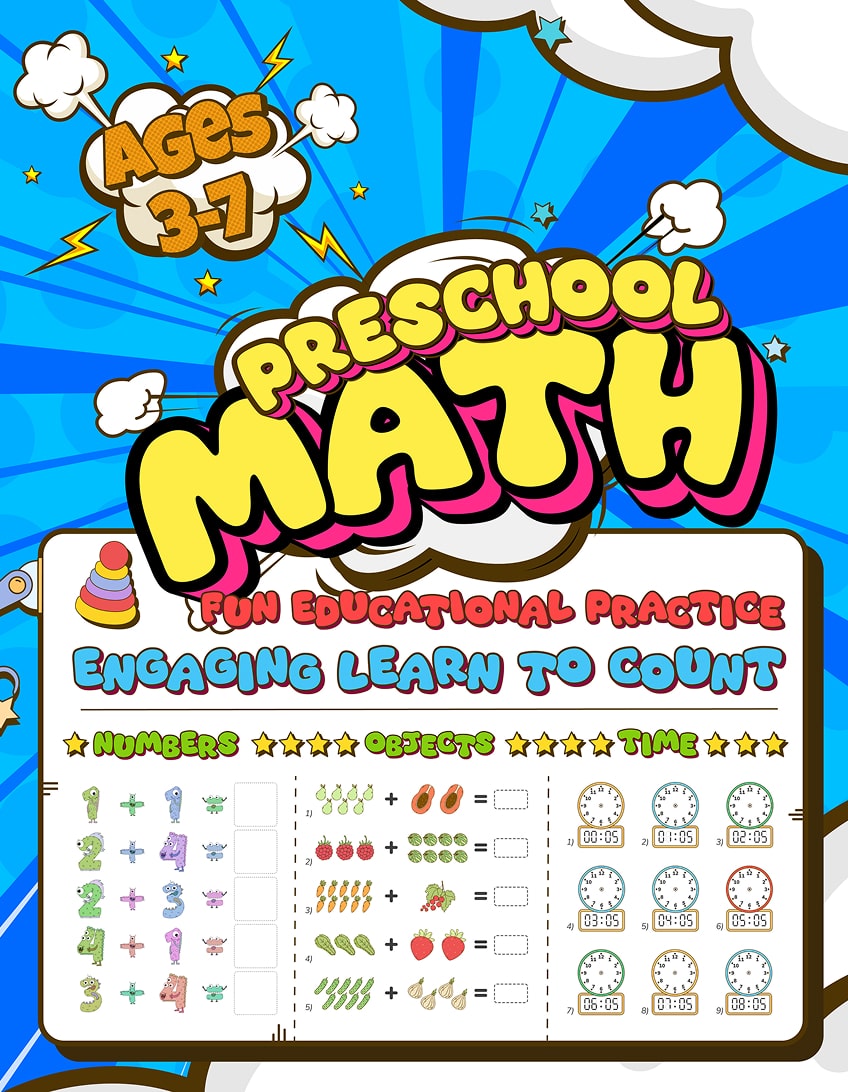
Hands-on practice helps the Roman numeral II shape feel familiar. Try the counting printables from our counting printables to pair “spotting II” with counting two real objects, like crackers or blocks.
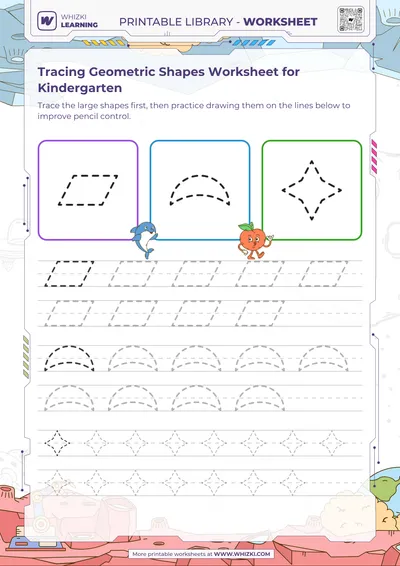
If you want to keep the same practice going on paper, take a look at our number tracing workbook for preschool and kindergarten.
Memory trick: two fingers and two pillars
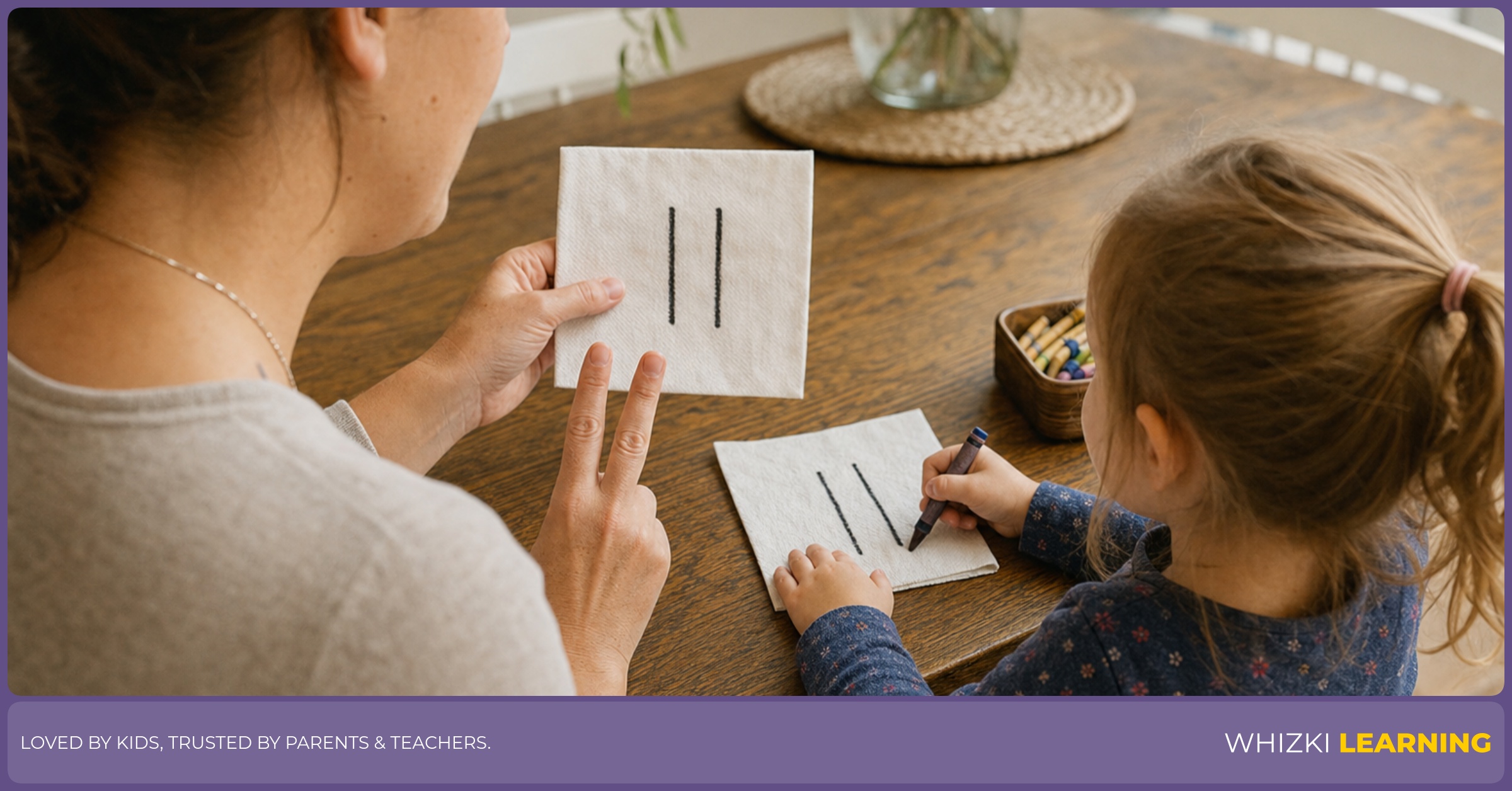
Roman numeral II is easiest to remember with a body cue, and you can use it every time your child asks. Put up two fingers and say, “II is 2.” Then show the shape as two pillars side by side, two straight lines that match the two fingers.
Roman numeral II often confuses kids only because it looks like a “different kind of line,” so the “two pillars” picture helps. When your child traces or draws the two lines, the symbol becomes a shape they recognize, not a mystery.
- Two fingers up, “II is 2.”
- Two pillars side by side, “II looks like two lines.”
- Say it while pointing, “II is 2.”
Screen-free spot-and-say game
Roman numeral II games work best when the child is doing the pointing, not waiting for you to explain. Pick one place to search, then play for 30 to 60 seconds and call it done, like a quick scavenger hunt. This matches how young kids stay focused, guided by everyday routines.
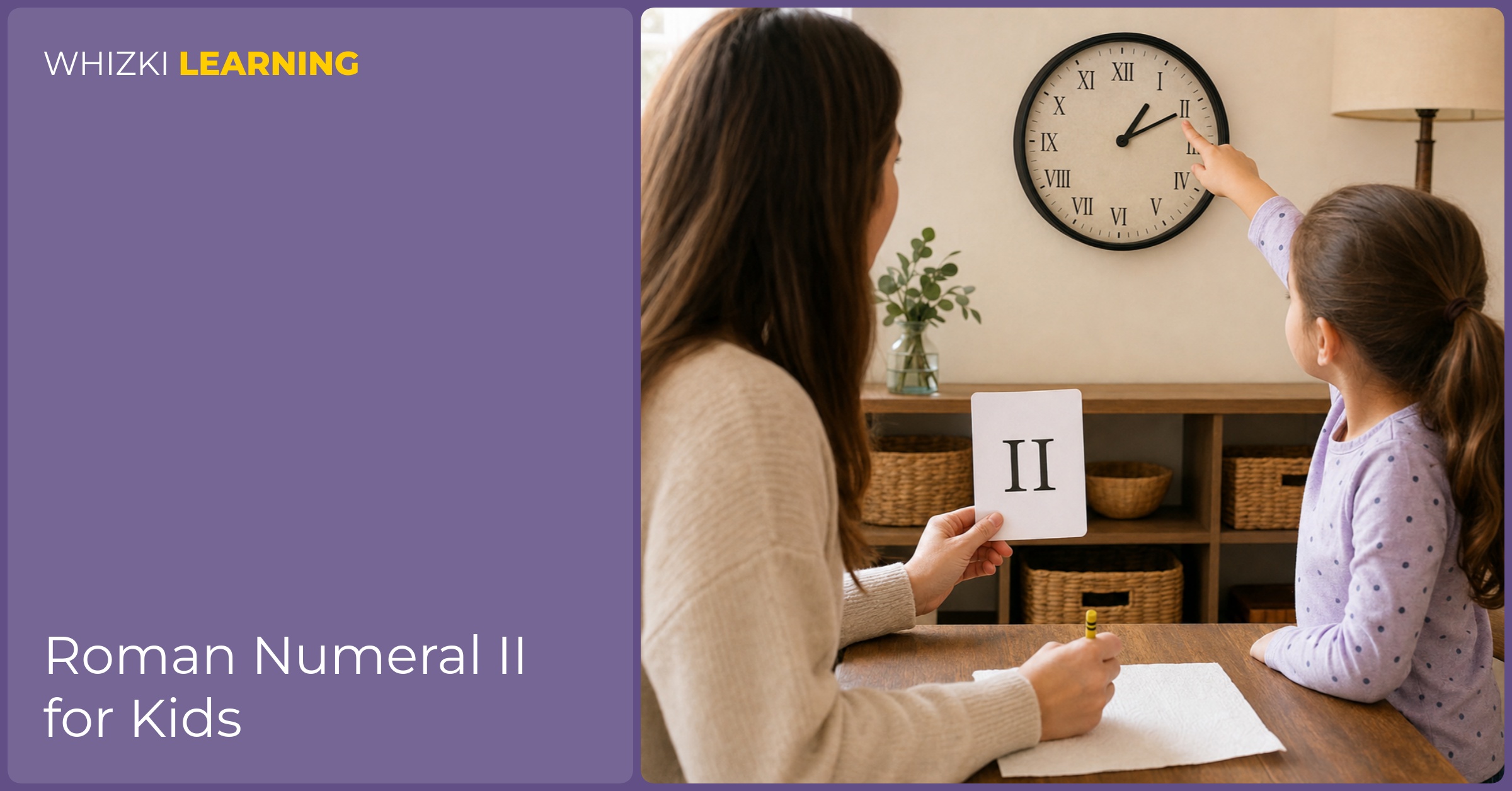
Roman numeral II spot-and-say ideas that are easy to run at home: look for II on a clock face, look for II on a book chapter label, or look for II in a movie title you already know. When your child finds it, you say, “Spot it,” and the child says, “II is 2,” then traces one II on a napkin once.
Bedtime cue and what to expect
Roman numeral II at bedtime can be a gentle routine cue, not a lesson. Try this, “When the clock shows 2 o’clock, look for II,” and then say together, “II is 2,” while you point. If your child asks earlier, you can still do the memory trick with two fingers, then move on with bedtime.
Roman numeral II is a reading symbol for most kids ages 3-7, so it is normal if the shape shows up before the meaning in their brain. If your child can read II in familiar contexts, like “Volume II,” that is a win, and it is exactly what early math looks like.
Roman numeral II practice works best when it connects to the shape, not just the number. When you are ready, use our Roman numeral II learning page to practice the glyph shape, then revisit the numbers learning hub at the numbers learning hub for more quick spotting ideas.