It is a lot when your child spots Roman numerals everywhere and asks, “What is that?” and you feel stuck explaining it while breakfast is cooling. Let’s keep it simple, kid-friendly, and useful for everyday reading, not Roman-numeral math worksheets.
Reviewed by Whizki Editorial Team, Early Childhood Education Editors.
Roman numeral I, where kids actually see it
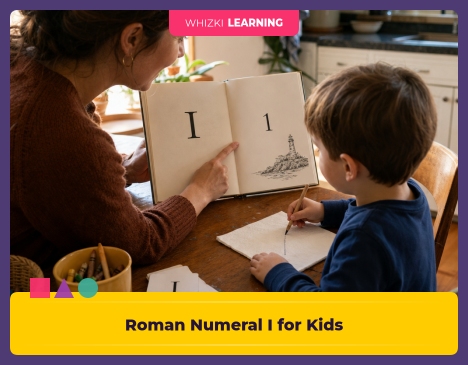
Roman numeral I shows up as a symbol for one, and many preschool and kindergarten kids meet it as “the first one” in books and everyday titles. When you do Orton-Gillingham style, one clear concept at a time, you can point to the symbol and connect it to meaning right away.
Here are real-life places to look for Roman numeral I with your child: page 1 in a book, the first chapter that says “Chapter I,” King Henry I, and product names like “Apple iPhone I.” For Reggio-inspired noticing, you can treat each sighting like a mini discovery, “I see I, and I means 1.”
For a gentle next step, choose one “I spot” for the day, like the first page of a favorite book, and plan to find it together before you start reading. This keeps the learning calm and predictable, which matches NAEYC guidance for developmentally appropriate practice.
The rule for I: one tally mark, no tricks yet
Roman numeral I is written like a single straight line, and the meaning is 1. In early math and literacy, the clean rule matters most, so you can say, “Roman numeral I is one line, and it means one,” with no addition or subtraction talk yet.
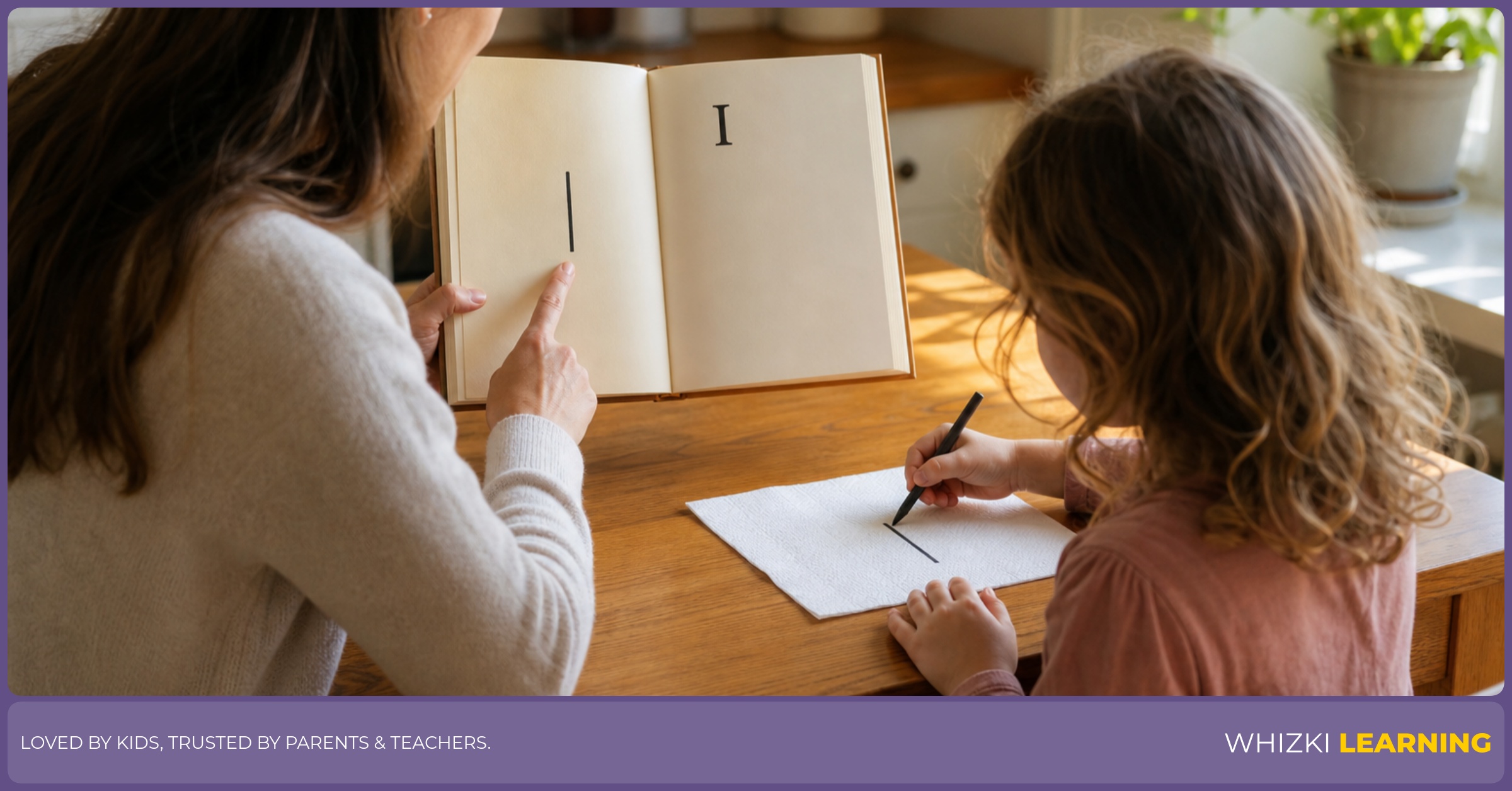
For a simple memorizing routine, use a one-finger cue and a tally mark. Put one finger up, then make one tally line on paper, and say together, “I is 1.” Occupational-therapy basics for attention and motor planning suggest pairing speech with a small hand action, because it gives the brain a steady “hook.”
When your child asks “Why is it like that?” you can answer with the same short script every time, “One line, one. I is 1.” Consistency helps kindergarteners because they are still building symbol reading, not doing number operations.
Want a quick practice option? Use the numbers learning hub to find more number-symbol pages, then add one short “spot and say” session after story time. For extra hands-on practice, pair it with our counting printables so your child gets repeated, low-pressure exposure to number meanings.
If you want to keep the same practice going on paper, take a look at our number tracing workbook for preschool and kindergarten.
Screen-free spot-and-say game for I
Roman numeral I is easiest to remember when your child sees it in multiple places and says the meaning out loud. A simple screen-free game is “Spot and Say”: pick one item, find the I, and say “I is 1” before you move on, which fits speech-language pathology practice for clear, repeated language targets.
Try this game in under two minutes: look for I on a clock face, then look for I in a book chapter title, then in a movie title card if your family watches together. If the clock is teaching time, you can also trace the symbol once on a napkin with your finger while you say, “One line, I is 1.”
Bedtime cue for Roman numeral I: when bedtime is 1 o’clock, do one quick check together, “Let’s look for I on the clock, I is 1.” If your child’s bedtime does not land on 1 o’clock, you can still use the same cue on the next day that does, because the routine is what builds confidence.
What kindergarteners need most, read the ones they see
Roman numeral I is not a math performance test for kindergarteners, it is a reading symbol for “first” and “one.” NAEYC guidance supports focusing on meaningful exposure, because children learn symbols best when they connect them to real-world meaning, not when they memorize rules in isolation.
If your child is getting frustrated, you can slow down to the letter-line level, “I is one line, I is 1,” and then stop. Repeating one short statement with a tactile trace is often more helpful than adding explanations, especially for children who need extra time to process visual symbols.
When you practice, aim for moments of success: your child should recognize I and say “I is 1,” even if the child cannot write it perfectly yet. That is a win, and it sets the stage for later Roman numeral patterns when your child is ready.
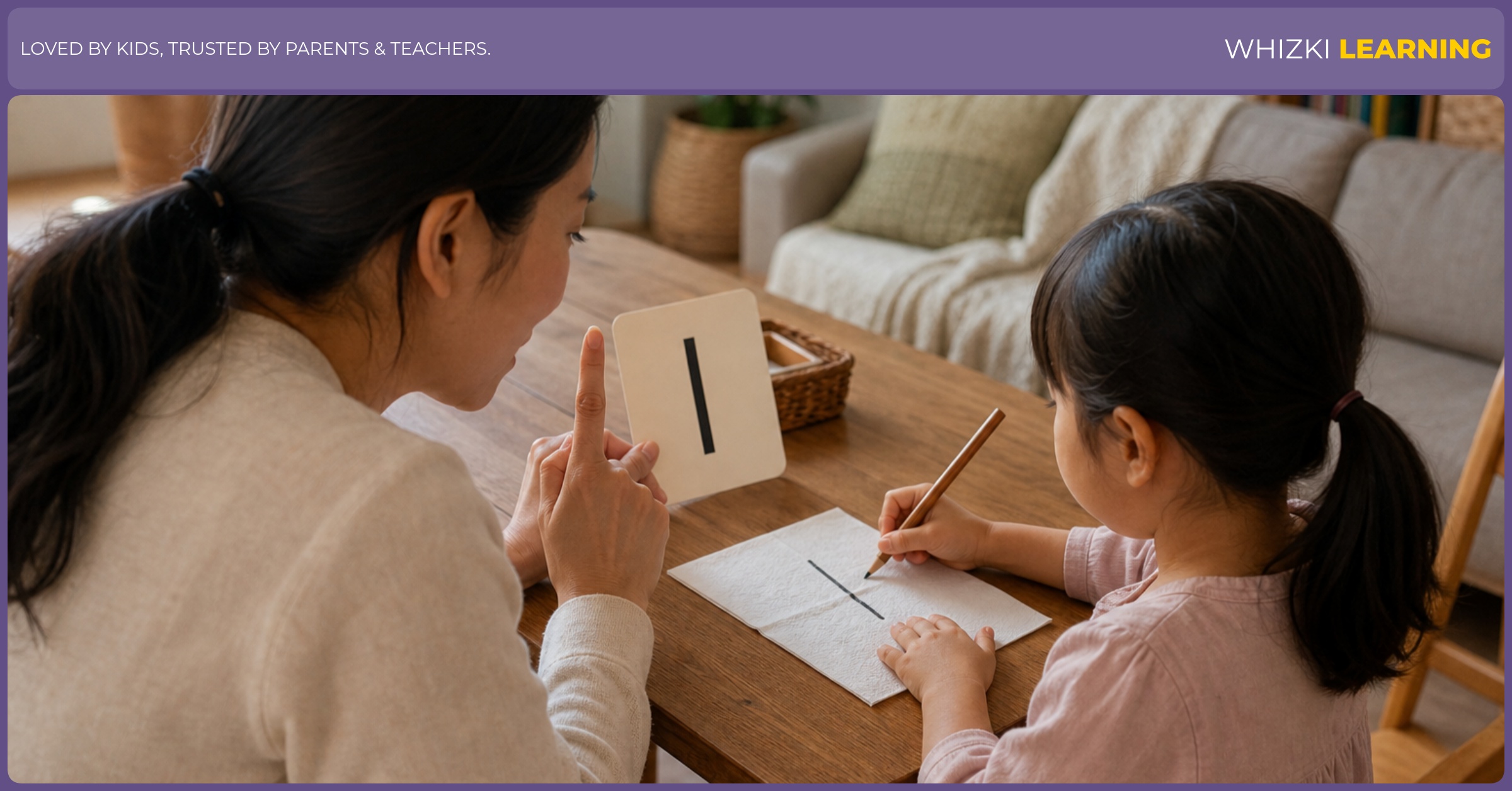
For your next practice session, open our Roman numeral I learning page and do one quick glyph trace with your child. Use the numbers learning hub if you want a few more sightings to look for this week, then keep it simple: one line, one meaning, “I is 1.”