
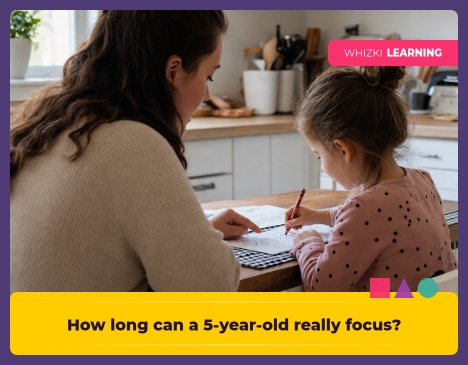
If your 5-year-old can build a couch fort for forty minutes but melts during a five-minute name-writing page, start by timing the activity type instead of blaming the child. A typical 5-year-old often focuses for 10 to 25 minutes on an adult-chosen task, and much longer on chosen play when the body, topic, and setting feel right. The next step is to watch one morning and jot the activity, the start time, and the first signs of wandering.
Reviewed by Whizki Editorial Team, Early Childhood Education Editors.
The short answer: focus comes in bursts
A realistic focus span for a 5-year-old depends on who chose the activity. Chosen play can run 20 to 45 minutes or more when a child cares about the plan, while an adult-assigned task often lands closer to 10 to 25 minutes. A tired, hungry, worried, or over-scheduled child may show a much shorter span.
The NAEYC view of developmentally appropriate practice matches what many early-childhood teachers see every day. Young children learn best through active, meaningful work, not long periods of sitting still and complying. A 5-year-old may be paying attention with hands, eyes, ears, and whole-body movement, even when the child does not look still.
The Orton-Gillingham approach gives a helpful reminder for early literacy work. A short multisensory lesson with saying, tapping, tracing, and building sounds can hold attention better than a quiet worksheet with no movement. Focus grows when the child has something concrete to do with the body.
Attention changes by activity type
Chosen play can look like a long attention span because the child controls the goal, the materials, and the story. Reggio-inspired teachers treat that kind of play as real concentration, not as a trick or a stall. A child arranging blocks into a zoo may be planning, revising, sorting, and solving problems for a long stretch.
Assigned work uses a different kind of attention because the adult sets the goal and the child has to hold directions in mind. A name-writing page, counting game, or cleanup job asks the child to ignore other ideas for a while. The Orton-Gillingham habit of using one clear routine at a time helps because the child does not have to guess what comes next.
Table work is only one slice of the day, and table work deserves its own expectations. If the question is how long a child should sit for a worksheet, snack-time activity, or handwriting page, use a separate guide to table-work stamina by age. Whole-day focus includes floor play, outdoor play, listening, transitions, chores, art, and adult-led practice.

Use the 2 to 5 minutes per year guide wisely
The 2 to 5 minutes per year guide gives a 5-year-old a rough assigned-task range of about 10 to 25 minutes. Occupational therapy teams often use similar thinking when looking at attention, posture, sensory input, and task demands together. The guide is useful for planning, not for judging a child.
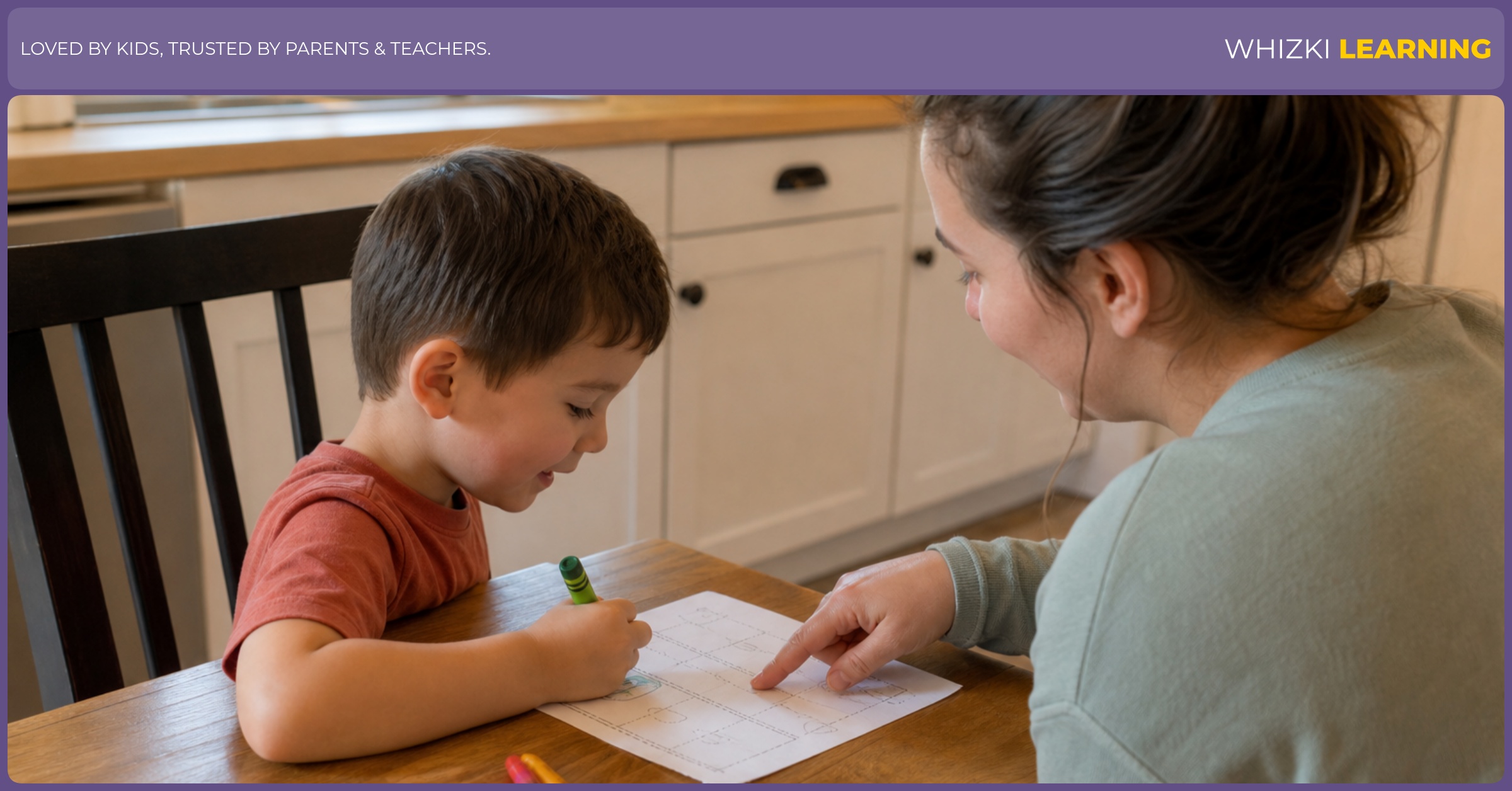
The 10 to 25 minute range works best when the task is familiar, the directions are clear, and the adult stays nearby. A brand-new task, a noisy room, or a hard fine-motor demand can shorten focus fast. A favorite topic, a clear finish line, and a bit of movement can stretch focus longer.
The caveat matters because attention is not one fixed number inside a child. A 5-year-old may listen to a story for fifteen minutes, sort toy animals for thirty minutes, and last three minutes on a pencil task after a long school day. Montessori observation reminds adults to watch the child in context before changing the expectation.
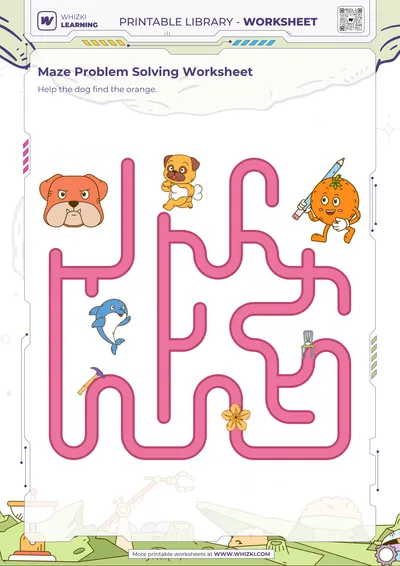
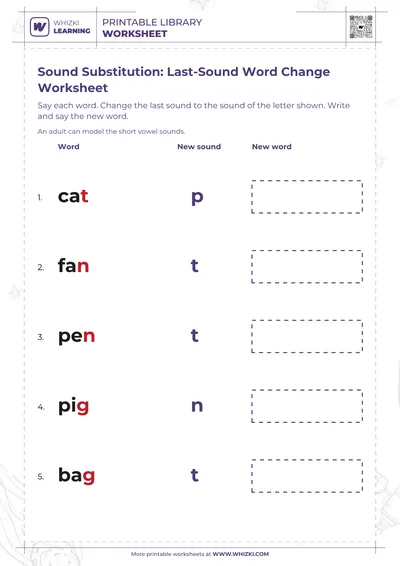
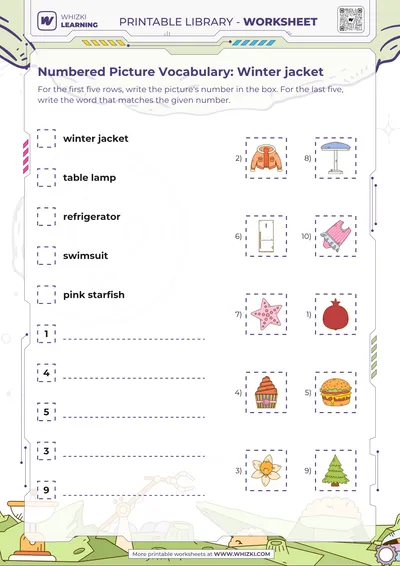
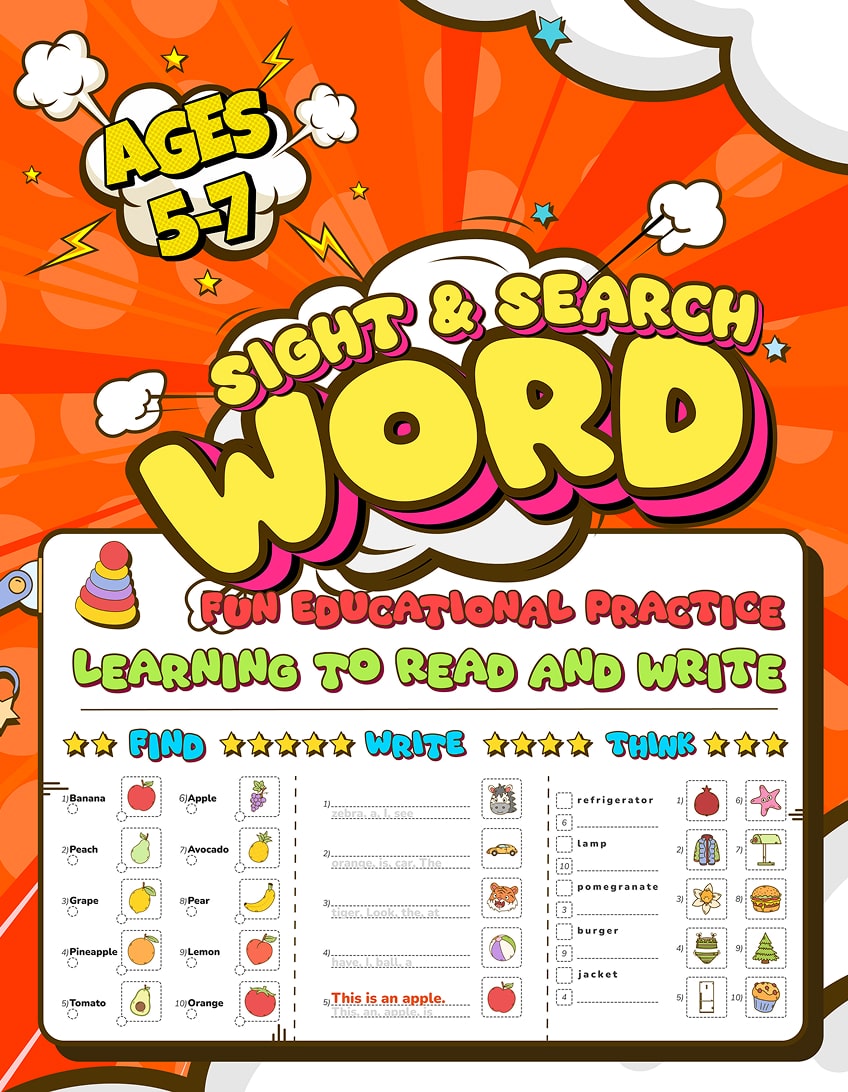
When a focus burst needs a clear start and finish, a simple matching page, tracing sheet, or picture sort can help a child see the job. I keep paper choices short, and our printable library gives families quick options for a calm table, floor, or couch activity.
Three ways to stretch focus without battles
The first focus stretcher is a smaller start. Montessori teachers often prepare the environment so the child sees only the materials needed for the next step. A parent can say, "Put three stickers on the page," instead of, "Finish the whole page."
The second focus stretcher is planned movement. Occupational therapy basics teach that many young children attend better after pushing, carrying, stretching, or using the hands with resistance. A child might carry books to the couch, push palms against the wall, or squeeze play dough before a listening task.
The third focus stretcher is a visible finish line. Speech-language practice often uses first-then language because young children hold directions better when the sequence is concrete. A parent can say, "First five letter taps, then blocks," while pointing to the five spaces or five cards.
Offline activities give attention something real to grab. Cooking, puzzles, sorting socks, painting, building, and listening games all ask the child to notice, wait, adjust, and try again. For more ideas across the day, see the guide to offline activities and focus.
When short focus is worth a closer look
Short focus alone is usually not a problem when the child can return to play, enjoy people, and handle some daily routines with support. NAEYC guidance reminds adults to compare a child with the child’s own pattern, not with the calmest child in the room. A hard week, a new sibling, illness, or a schedule change can temporarily shorten attention.
A closer look helps when focus is short across almost every setting. A child who cannot settle for play, stories, meals, dressing, or favorite activities may need more support than a timer and a pep talk. A teacher’s notes across several days can help separate a rough morning from a steady pattern.
Professional guidance is wise when attention concerns come with hearing worries, vision squinting, sleep problems, major fine-motor struggle, frequent unsafe movement, or big daily distress. A pediatrician, occupational therapist, speech-language pathologist, or early-childhood evaluation team can look at the whole picture. A calm question early is better than months of family battles.
If kitchen-table notes like these help, join the weekly newsletter for gentle, practical ideas. Small, steady focus practice is enough for tomorrow.