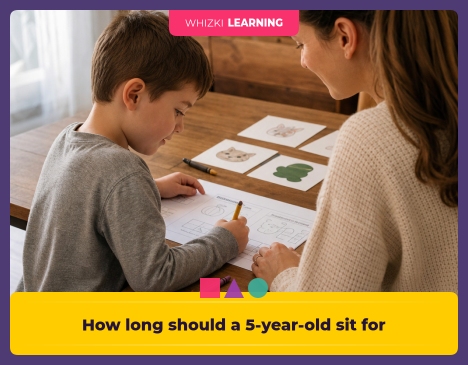
If your 5-year-old is sliding under the table, poking the pencil, or asking for snacks every two minutes, aim for 10 focused minutes today, then stop while table work still feels manageable. Five-year-olds are not built for long quiet stretches, and a wiggly body is usually a sign that the task is too long, too hard, or too still. Ten calm minutes with a clear ending will teach more than forty minutes of bargaining, reminders, and frustration.
Reviewed by Whizki Editorial Team, Early Childhood Education Editors.
The short answer: about 5 to 10 minutes
The minutes-per-year-of-age rule is a helpful starting point for preschool and kindergarten table work. A 5-year-old usually has about 5 to 10 good minutes for handwriting, phonics, number matching, or one simple cut-and-paste page. NAEYC guidance reminds early-childhood teachers to match tasks to the child in front of us, so the timer is a tool, not a test.
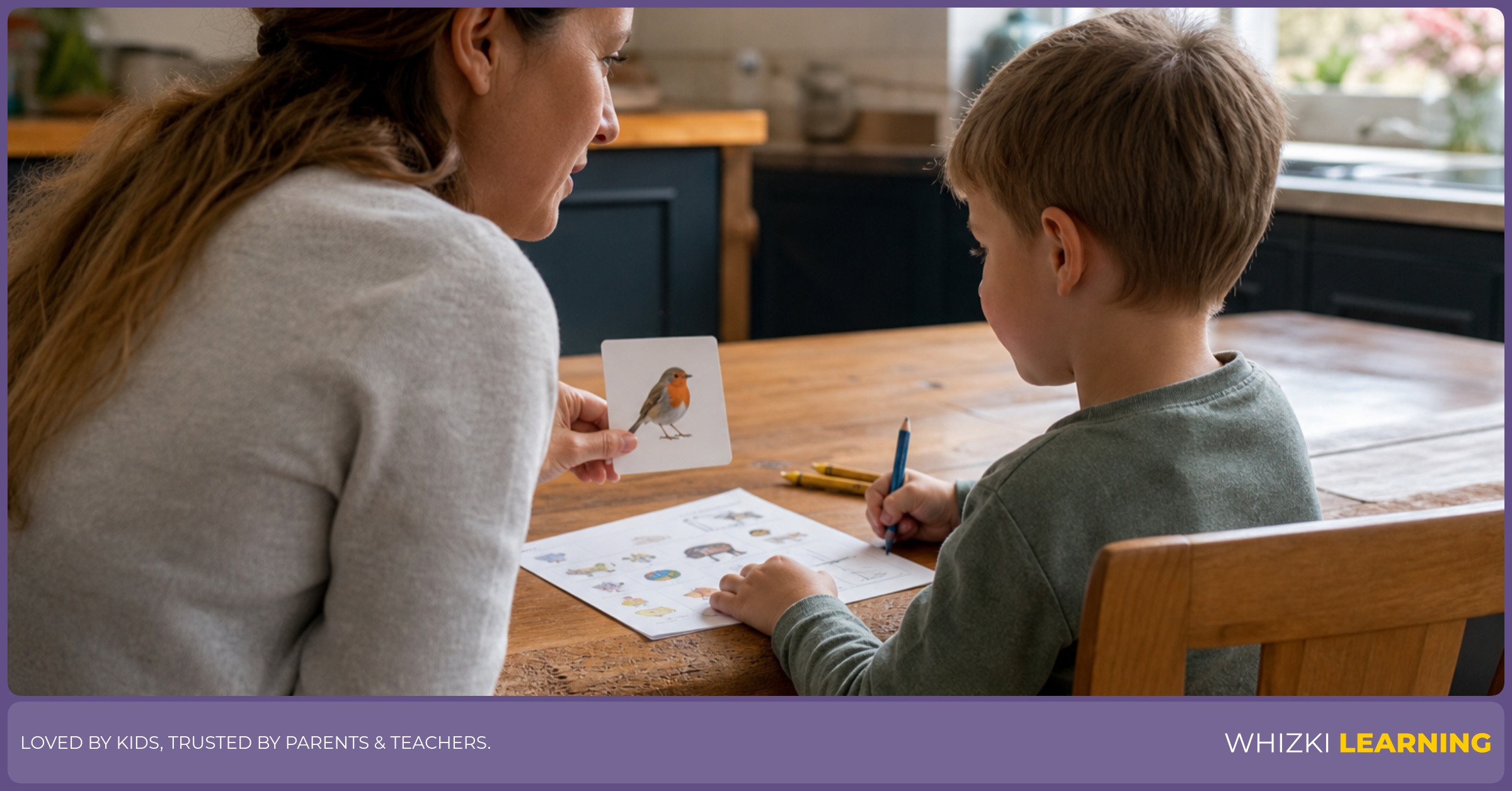
The Orton-Gillingham approach also favors short, clear practice over long drill sessions. A strong phonics routine might include one sound, one tracing line, and one quick read-back before the child stands up. The child leaves with a success pattern instead of a memory of being stuck.
A child who gives 8 honest minutes is showing real attention. A child who sits for 40 minutes while arguing, guessing, or shutting down is practicing avoidance more than learning. In my preschool room, the best table work often ended while the child still had one more try left.
Why short table work teaches more
Short table work protects the purpose of the lesson. Reggio teachers watch a child closely and adjust the environment before pushing harder, and Montessori teachers prepare a task that a child can finish with dignity. The adult goal is attention with meaning, not stillness for its own sake.
Occupational-therapy basics matter because sitting is body work before sitting becomes brain work. A child with feet dangling, a pencil that slips, or a chair that is too big may look inattentive when the real problem is postural effort. A footrest, a shorter pencil, or a clipboard on the floor can make a five-minute task feel possible.
Speech-language pathology practice also favors many short chances to respond instead of one long stretch of correction. If kindergarten stamina is the goal, build toward the 15-minute focus habit by protecting the quality of each minute. A child who can start, stay, and finish a small task is building the same pattern needed for longer group work later.
How to grow sitting stamina by one minute
The one-minute step works because the child can feel the change without feeling trapped. Start with the amount of table work your child can complete with only light support, even if the amount is 4 minutes. Occupational therapists often look for a just-right challenge, which means the task should stretch the child a little without flooding the child with failure.
The next table-work session can be one minute longer if the previous session ended calmly. A 5-year-old who handled 6 minutes on Monday can try 7 minutes on Tuesday, then hold 7 minutes for several days if the body starts to wiggle hard. The timer should be visible, friendly, and honest, because surprise extensions break trust fast.
Orton-Gillingham tutoring uses a similar idea when a teacher repeats a familiar routine while changing only one small part. The child knows what comes first, what comes next, and when the lesson ends. Montessori observation supports the same pacing, because the adult watches readiness before adding more.
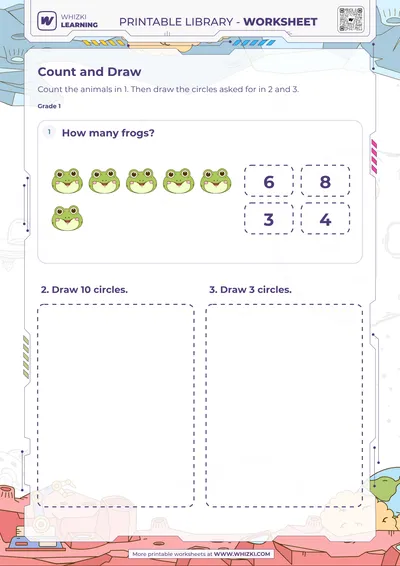
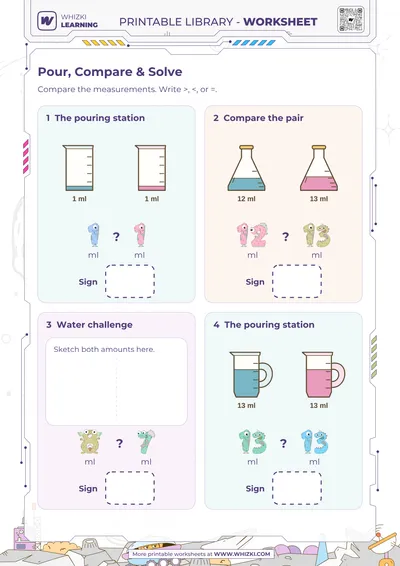
A gentle table-work page can be as simple as tracing one name, sorting picture cards, or coloring a single shape. If a ready page lowers prep for the adult, choose one age-fit activity from our printable library and keep the timer short.
What to do when the chair becomes the battle
The chair battle is useful information, not a character flaw. NAEYC guidance points adults toward responsive teaching, which means the adult changes the setup before labeling the child as lazy or defiant. A shorter page, a movement break, or a choice between crayons and pencil can reset the task.
The occupational-therapy lens asks whether the child has enough body support to attend. The child may need feet on a stool, hips tucked back in the chair, or a heavy book under the paper to keep the page from sliding. A child who presses too hard, switches hands often, or melts over tiny marks may need less writing and more hand-strength play for a while.
Reggio practice gives the child a voice in the learning space. A parent can say, “The table job is three letters, and you may choose blue pencil or green pencil.” The limit stays clear, and the child still gets a real choice inside the limit.
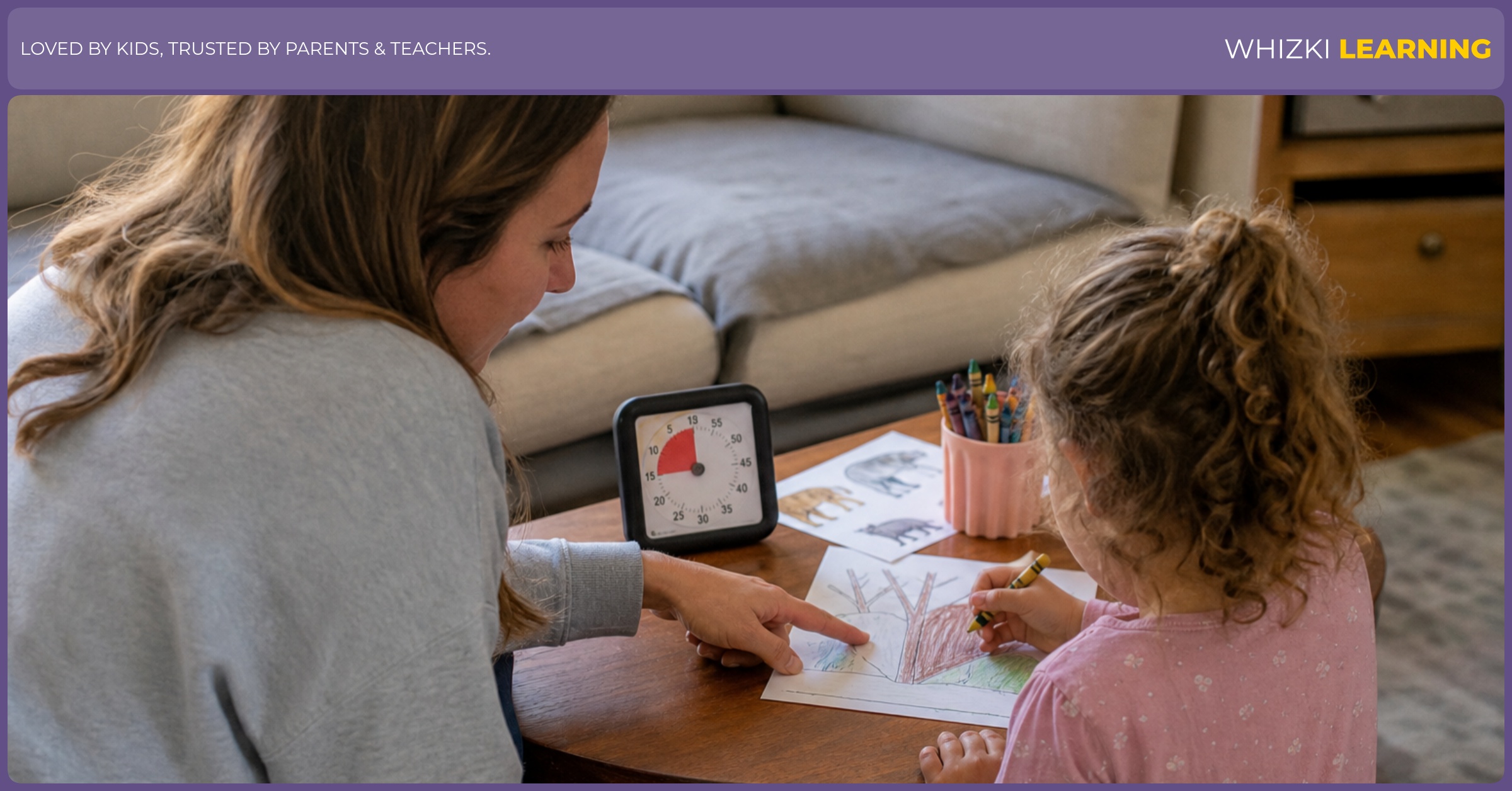
A simple starting plan for ages 3 to 7
A 3-year-old may sit for 3 to 5 minutes when the activity is playful and hands-on. A 4-year-old may manage 4 to 8 minutes with drawing, matching, stickers, or one name card. NAEYC school-readiness framing keeps the focus on development, so a preschooler does not need a kindergarten-length worksheet block.
A 5-year-old often does best with 5 to 10 minutes, and a 6- or 7-year-old may grow toward 10 to 15 minutes when the work is familiar. The kindergarten teacher may expect short table routines, but the kindergarten teacher also expects movement, songs, centers, and teacher support. A home practice plan should look more like a calm classroom routine than a drill packet.
The daily rhythm matters more than the daily length. Montessori and Reggio classrooms both value repeated, purposeful work that a child can return to with confidence. A child who practices a small task most days will usually gain stamina faster than a child who faces one long weekend catch-up session.
The best table-work plan is the one your child can repeat tomorrow without dread, and the next minute grows from that calm finish. For more calm, real-life learning ideas at the kitchen table, come join the weekly newsletter.