If your child keeps mixing the short U sound with other vowel sounds at the kitchen table, choose one short U family today and read ten tiny words with counters for a quick win. Short vowel practice feels less slippery when the adult slows the pace and keeps the word set small. A calm two-minute routine can do more than a long worksheet battle, especially for ages 3 to 7.
Reviewed by Sarah Mitchell, M.S., CCC-SLP, Speech-Language Pathologist.
How short U works for new readers
The short U sound is the vowel sound in many early CVC words, and the mouth stays relaxed in the middle of the word. In Orton-Gillingham lessons, the adult usually asks the child to tap one sound at a time, blend the sounds, and then read the whole word without rushing. The short U vowel can be hard because the sound is quiet and quick.
The short U word family gives the child a pattern to hold onto while the first sound changes. A child might read one ending several times, then swap the first letter card and notice that the middle vowel stayed the same. For a bigger picture of short vowels, keep the full CVC words list nearby and pull only five or six words at a time.
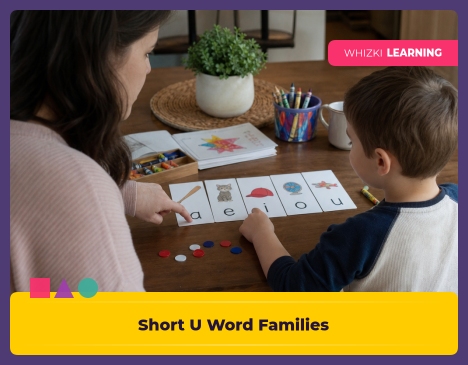
The parent or teacher can make the short U sound clearer by pairing reading with a simple finger tap, one tap for each sound. Occupational-therapy basics remind adults that young children often read better when the hands have a job, such as sliding a counter under each letter. The goal is steady attention, not a perfect performance.
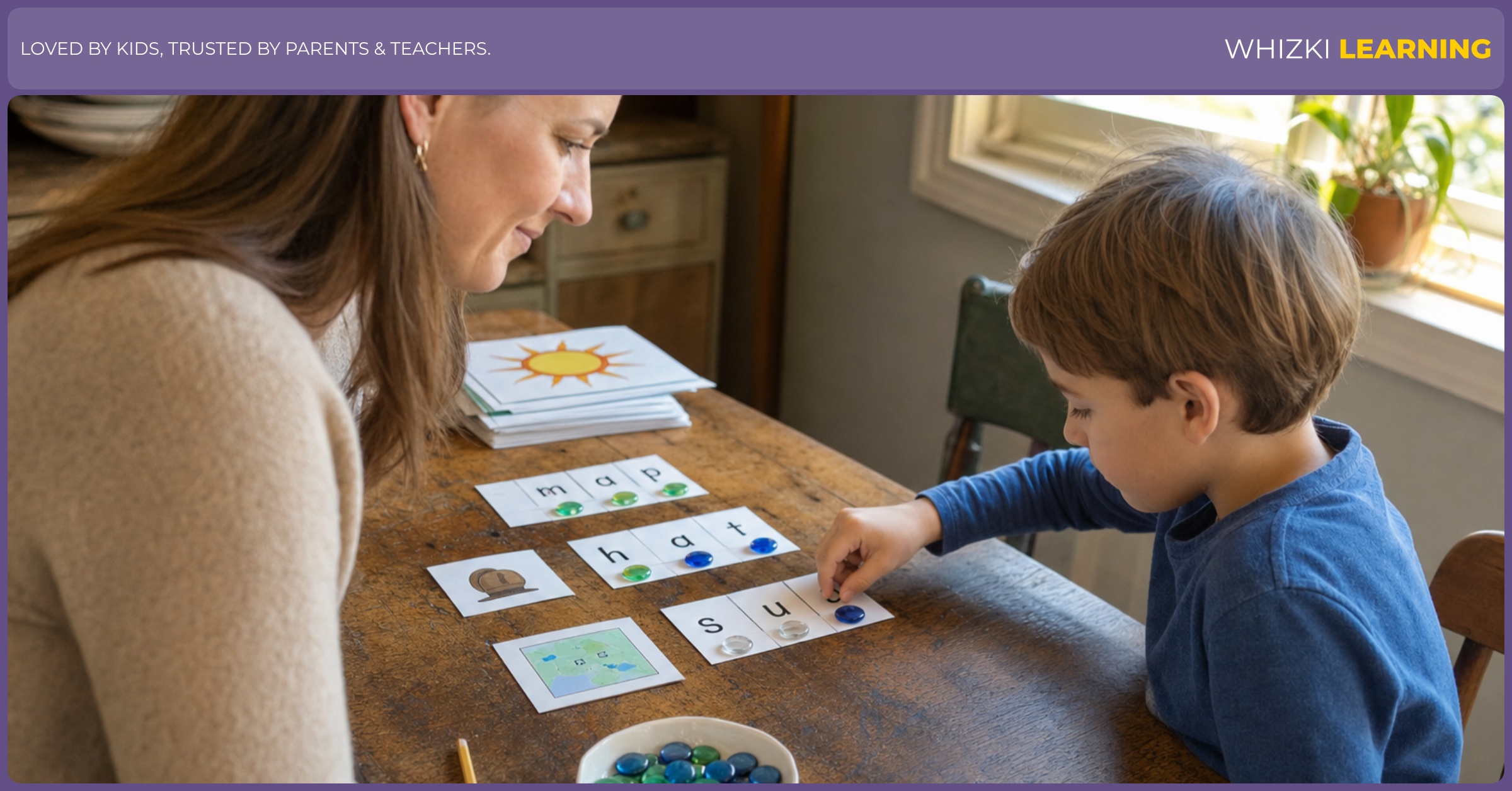
Short U word family lists with example sentences
The short U lists below include mostly CVC words, plus a few simple extension words when a family has fewer true CVC choices. Speech-language pathology practice often keeps word sets grouped by sound pattern so children can hear the rhyme and notice the vowel. Read each sentence aloud, then ask the child to point to the word family ending.
The adult can print the lists, cut the sentences into strips, and place one strip at a time in front of the child. The Orton-Gillingham approach favors clean visual spacing, direct sound practice, and plenty of review. If the child guesses, cover the picture or extra words and return to sound-by-sound blending.
-ut word family
- I can hop, but Mom can jog.
- My child can cut paper.
- A gut feeling says stop.
- The hen has a hut.
- The block can jut out.
- The squirrel found a nut.
- The wagon is in a rut.
- Please shut the lid.
- The toddler will strut to Dad.
- The golfer taps a putt.
-un word family
- The baker rolls a bun.
- We had fun outside.
- The kind nun waves.
- Dad tells a silly pun.
- The dog can run fast.
- The warm sun shines.
- The top has spun.
- The loud clap may stun me.
- The cat will shun the bath.
- The brown horse is dun.
-ug word family
- The bug sits on a leaf.
- The pup dug a pit.
- I will hug my bear.
- The jug has juice.
- I can lug the bag.
- The mug is blue.
- The pug naps.
- The rug feels soft.
- We tug the rope.
- A garden slug moves slowly.
-ub word family
- The bear is a cub.
- The soap is in the tub.
- I rub my hands.
- The sub goes underwater.
- The wheel has a hub.
- The pencil has a nub.
- The singer will dub the tune.
- Grandpa calls him bub.
- The bird eats a grub.
- The kids join a club.
Printable practice that keeps friction low
The best printable practice for short U is short, predictable, and easy to stop before fatigue shows up. NAEYC guidance for young children points adults toward playful, meaningful literacy instead of long seatwork. A five-minute page with tracing, matching, and one read-aloud line is usually plenty for ages 3 to 7.
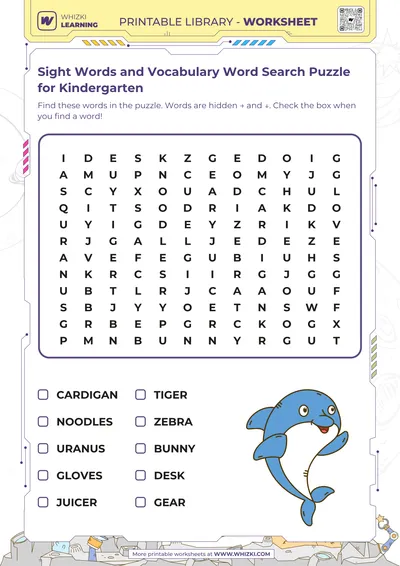
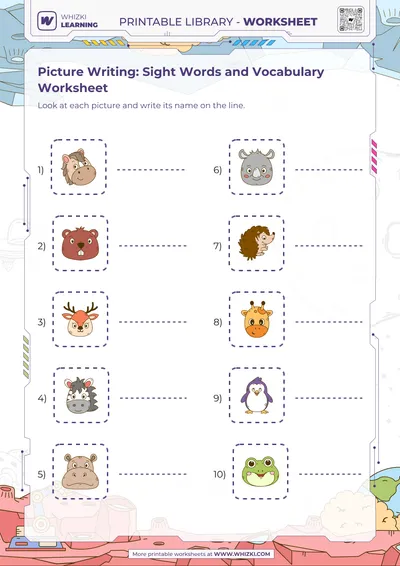
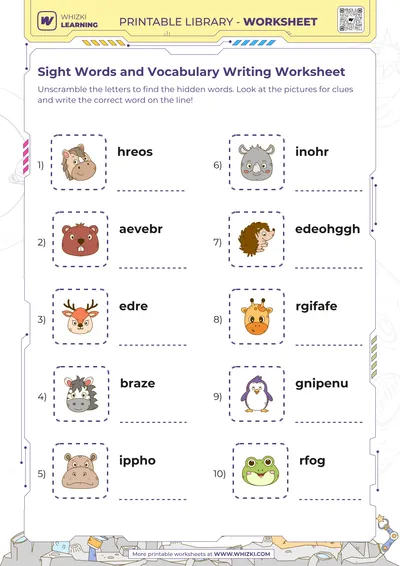
The printable library can support the same sound work in a few ways. Use our sight-words printables for sentence practice after the child reads a short U word, and use phonics printables when the child needs more letter-sound review. For children who still reverse letters or tire quickly, alphabet printables can give the hand a slower warm-up before reading.
The adult can pair one printable with one hands-on job, such as circling the word family ending with a crayon and building the first sound with magnetic letters. A kindergarten teacher using occupational-therapy heuristics might watch pencil grip, shoulder posture, and signs of hand fatigue before adding another page. Short practice protects attention and keeps the child willing to return tomorrow.
The Short Vowels CVC Worksheet Set gives families word family sorting, tracing, and read-and-match pages for short vowel practice. The complete pack lives in Whizki Plus.
Five-vowel review game across all short vowels
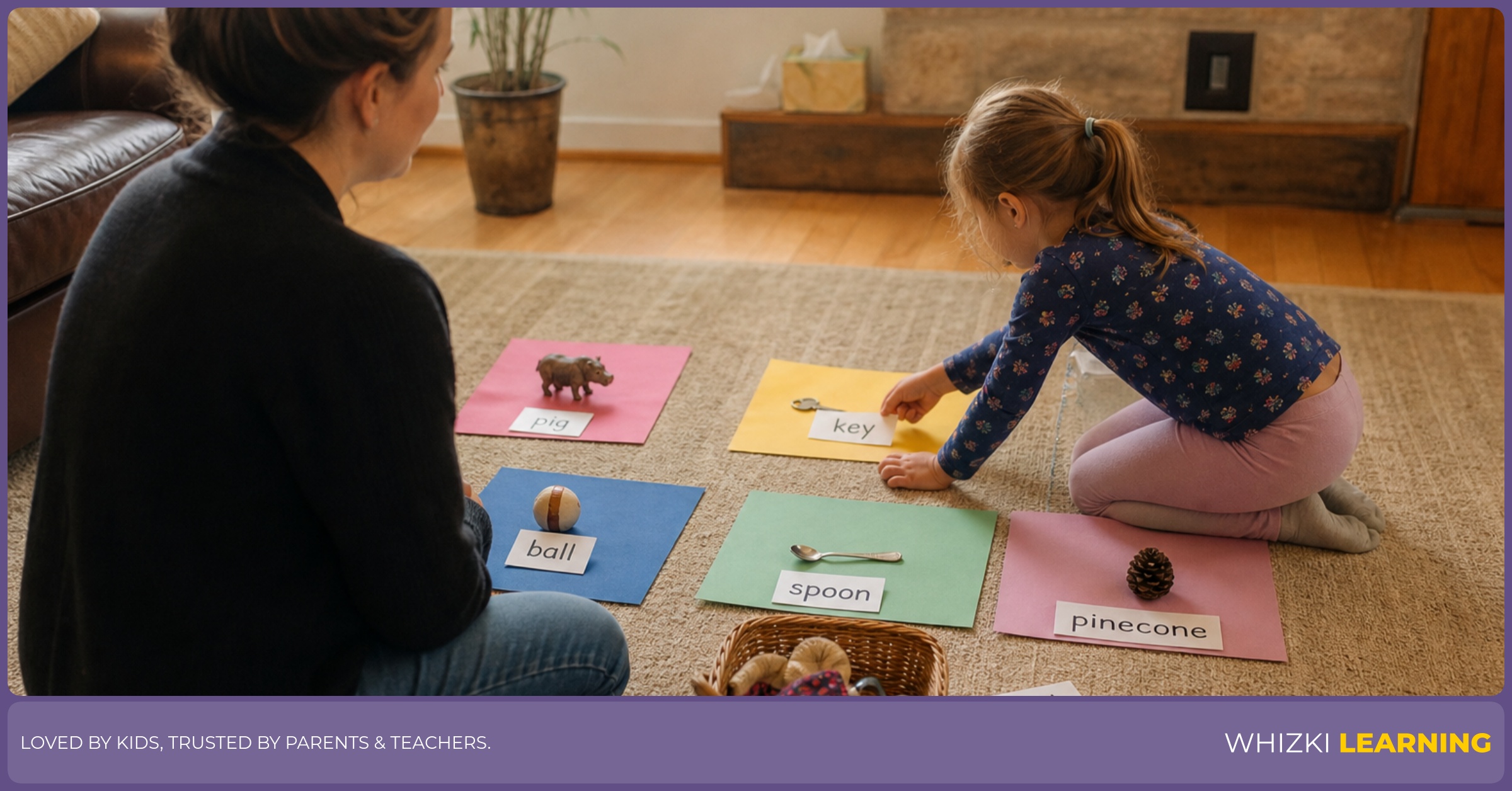
The five-vowel review game helps the child compare short A, short E, short I, short O, and short U without turning practice into a quiz. Reggio and Montessori observation both remind adults to watch the child closely and adjust the material instead of pushing through frustration. If the child can sort by sound with real objects first, the printed words make more sense later.
The adult can set five bowls or paper mats on the table, one for each vowel. Add one picture card or word card at a time, then ask the child to say the vowel sound before placing the card. For extra short O review, revisit short O word families before mixing every vowel together.
- Place five vowel mats on the table and say each short vowel sound together.
- Read one card, such as cat, bed, pin, hop, or cup.
- Ask the child to slide the card onto the matching vowel mat.
- Let the child become the teacher and give the adult a card to sort.
- End with a quick cheer for careful listening, even when a card needs a second try.
The review game should stay light because young readers need many small meetings with a sound before automatic reading appears. The adult can stop after ten cards if the child is still smiling. A short ending builds trust for the next practice session.
Quick check for readiness and next steps
The short U check is simple: the child can say the vowel sound, blend three sounds, and read a few family words without guessing from the first letter alone. Kindergarten teams following NAEYC guidance often look for steady growth across playful routines rather than one perfect reading sample. A child who reads best with movement can tap, slide, or clap the sounds.
The next step depends on the child in front of the adult. If short U feels solid, mix short U with another vowel family and keep the contrast small. If short U still feels mushy, return to one family ending and use the same three-step routine: tap the sounds, blend the word, and read the sentence.
The adult should ask for help when a child avoids sound play often, cannot hear rhymes after repeated playful practice, or seems unusually frustrated by speech sounds. A speech-language pathologist or reading specialist can look at listening, speech, and early phonics skills in a child-friendly way. Early support can be gentle, practical, and very reassuring for the whole family.
Short U practice can stay small, warm, and hands-on. Pick one family, read a few sentences, play one vowel sort, and stop while the child still feels like a reader.