Some days, kindergarten “sounds” talk feels like one more thing on your plate, especially when your child is still figuring out how to sit, listen, and talk. The good news is phonemic awareness is built through everyday listening games, and you can do it without worksheets or stress. Reviewed by Sarah Mitchell, M.S., CCC-SLP, Speech-Language Pathologist.
Reviewed by Sarah Mitchell, M.S., CCC-SLP, Speech-Language Pathologist.
When a kindergarten teacher says phonemic awareness, the teacher is talking about a child’s ability to notice and work with the individual sounds inside spoken words. In Orton-Gillingham inspired instruction, that sound awareness comes first, before letter-sound matching, so kids build a steady listening brain.
What kindergarten teachers mean by “phonemic awareness”
Phonemic awareness is a listening skill, and speech-language pathology practice treats it as a separate piece from “knowing letters.” For a 4-5 year old, phonemic awareness shows up when the child can hear that cat and cap do not sound the same, even though both words start with the same letter name in print later. NAEYC guidance also fits here, because young kids learn best through oral play, short turns, and lots of repetition without pressure.
Phonemic awareness is made of smaller moves, like hearing a sound in a word, blending sounds to say a word, and segmenting sounds to break a word apart. Reggio and Montessori inspired observation keep it child-led, so the teacher watches for what the child can do with spoken words, then chooses games that match that level.
If a teacher says your child needs phonemic awareness, the teacher is usually looking for progress in these oral skills, not performance on a paper worksheet. Occupational therapy basics also matter, because some children need movement breaks while they listen, like tapping shoulders or stepping to each sound.
Sounds first: phonemic awareness vs phonics
Phonemic awareness is about sounds in spoken language, and phonics is about the letter-sound match in written language. Speech-language pathology practice often separates the two because a child can be a great listener with spoken words and still need time to connect letters to sounds. That separation also matches an Orton-Gillingham approach, where sound work and letter work are taught in a clear order.
Here is the difference in plain terms. Phonemic awareness sounds like, “Tell me the first sound in sun,” or “Can you blend /s/ /u/ /n/ to make a word?” Phonics sounds like, “Point to the letter S and say its sound,” or “Read sun by using letter-sound knowledge.”
If your child is learning phonics before phonemic awareness is solid, frustration can happen because the child is trying to decode print without a reliable map of the sounds. The most helpful classroom and home plan keeps both going, but it prioritizes listening games first, which also aligns with NAEYC’s emphasis on developmentally appropriate practice.
When you want a gentle overview of the letter side later, you can start with our A-Z alphabet learning hub and keep phonemic awareness activities oral for now. For a parent-friendly map of what teachers target across the year, check the our parent-friendly learning standards page so you know what “typical progress” looks like.
What it looks like in a 4-5 year old day
In a kindergarten day, phonemic awareness shows up during quick, teacher-led turns that feel like games. A teacher might ask for a rhyme match during cleanup, then follow with a “first sound” question while kids line up. Reggio observation style means the teacher uses what a child says, then builds the next sound play step from that exact moment.
In the classroom, sound blending might look like the teacher stretching sounds aloud, then the class repeating together, like “/m/…/a/…/p/,” and the teacher prompting, “What word did we make?” Syllable and sound claps can also happen while walking, because an occupational therapy heuristic says body movement can support attention and listening.
At home, phonemic awareness can ride along with real routines, like snack time, bath time, and dressing. The key is keeping it short, friendly, and oral, so the child’s brain stays curious, not stuck. An Orton-Gillingham inspired rhythm helps too, because adults model the sound move, then invite the child to try with one easy word.
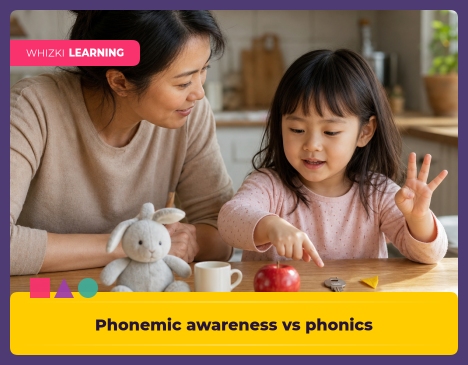
4 kitchen-table games to play this week
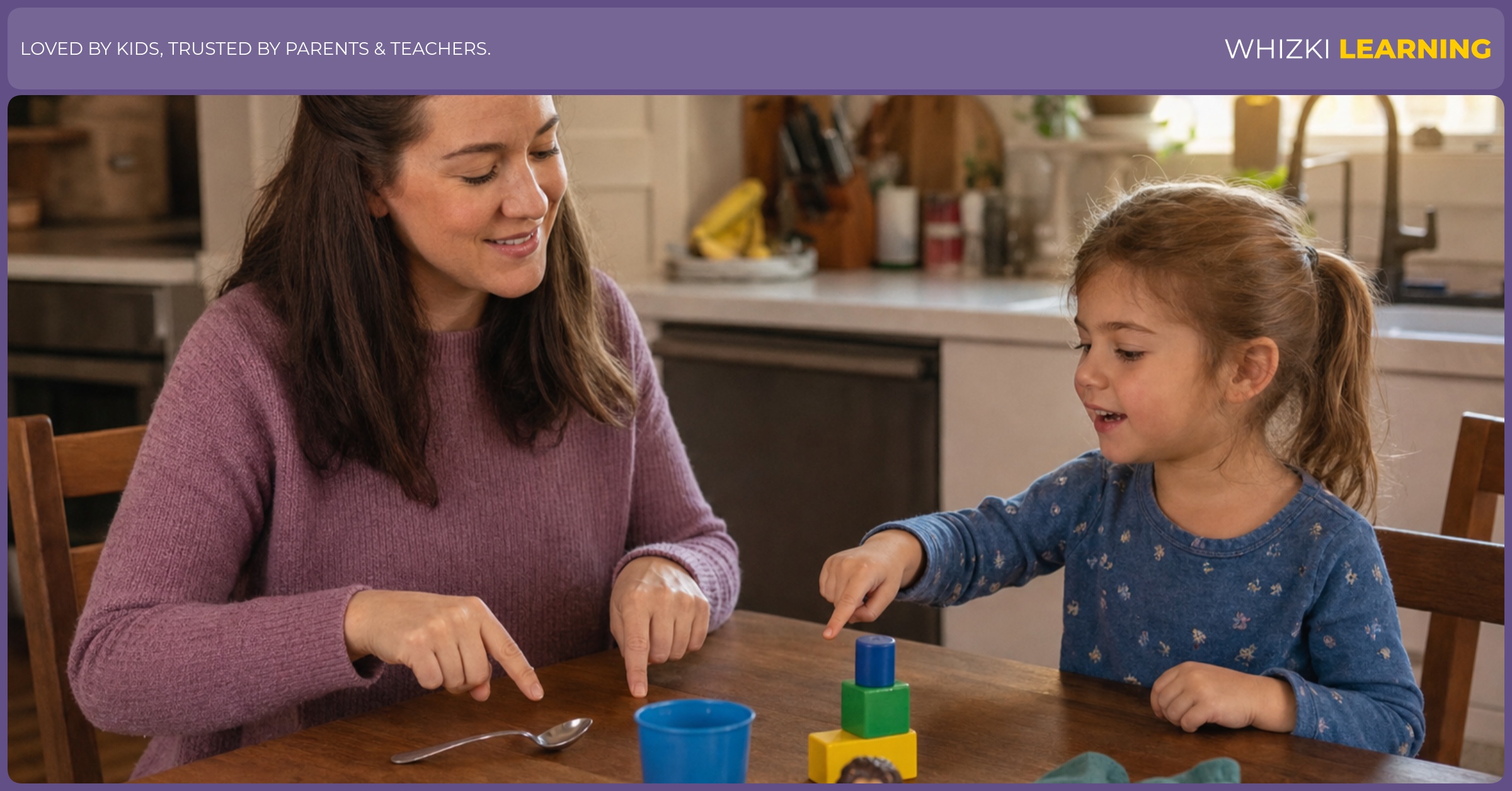
These games are designed for 3-7 year olds, and they stay oral so phonemic awareness is the focus. Speech-language pathology practice often recommends short practice sessions, lots of modeling, and immediate positive feedback. Each game below takes about 2-5 minutes, and each one works best when the adult goes first, then the child copies.
Game 1: Rhyme spotting (2 minutes)
Pick two things in the room, like “cap” and “map,” or use everyday items like “sock” and “clock.” Ask, “Do these rhyme?” then let the child say yes or no. If the child is unsure, model one correct rhyme pair and one not-rhyme pair, then try again.
Game 2: First-sound hunt (3 minutes)
Choose a target sound, like /m/ for milk or /s/ for soap. Say, “I’m looking for something that starts with /m/,” then scan the kitchen together. When the child finds an item, ask for the first sound only, not the whole word.
Game 3: Sound-blending with “tiny robot” voices (3 minutes)
Pick a simple word your child knows, like cat, sun, or bed. Say the sounds slowly, “/c/…/a/…/t/,” and invite the child to “be the robot” and blend it. Reggio and Montessori inspired practice keeps it playful, so you can add a pretend robot walk after the child guesses the word.
Game 4: Syllable clap, then sound tap (2-4 minutes)
Clap the syllables in a word, like ba-na-na or ap-ple. Then tap the first sound with fingers, “Banana starts with /b/.” NAEYC emphasizes multimodal support, so clapping and tapping can help children notice rhythm and then isolate a sound.
Want a low-prep way to keep letter and sound practice moving alongside these oral games? Check out Whizki Learning printables and workbooks that pair friendly practice with kid-appropriate routines. A quick daily 5-minute rotation can help you stay consistent while the teacher’s classroom skills get reinforced at home.
When to ask the teacher (quick, practical tip)
If your child cannot identify the first sound in familiar words after several weeks of calm practice, it is a good time to ask the kindergarten teacher what phonemic awareness skill they are targeting next. Speech-language pathology practice notes that some children need more explicit modeling and more time, especially when speech patterns are still developing. Orton-Gillingham approach principles support a “small steps, lots of listening” plan, and a teacher can tell you exactly what to focus on.
Also ask if your child seems to struggle with listening directions, frequently loses the thread during sound games, or avoids talking about words. Occupational therapy basics remind us that attention and regulation impact learning, so the teacher can suggest a better fit for the child’s pace. You and the teacher can then match the home practice to the classroom routine.
Keep phonemic awareness simple this week, pick one game to repeat, and let the child win quickly. When a child can hear and play with sounds in spoken words, phonics often becomes easier afterward, and the whole reading journey feels less like a guessing game. If you want a starting point for letter growth later, return to our A-Z alphabet learning hub when your teacher says it is time.