It’s hard not to worry when kindergarten and 1st grade families keep talking about “fast reading,” especially when your child is still working through decoding. The good news is that reading fluency is really about smoothness, and you can practice it at home in calm, short routines that feel like real teaching, not pressure.
Reviewed by Sarah Mitchell, M.S., CCC-SLP, Speech-Language Pathologist.
What “fluent reading” really means at kindergarten and 1st grade
Reading fluency at the kindergarten and 1st grade level means a child can read words accurately and smoothly while keeping the meaning in mind. In an Orton-Gillingham approach, teachers aim for automaticity so decoding stops stealing all the mental energy from comprehension.
Reading fluency is not a speed contest. A fluent reader uses phrasing (reading in meaningful chunks), a steady pace (not rushing or getting stuck for long), and light expression (sounds like spoken language).
Speech-language pathology practice often describes fluency as “easy and steady,” which is exactly what parents want to hear at the kitchen table. When word reading is smooth, the child can focus on what the sentence is saying, not just what each word is.
The smoothness parts to practice, one at a time
Accuracy is the foundation, because a child who skips, guesses wildly, or misreads too often will struggle to make sense of the page. Early literacy guidance from NAEYC supports teaching that is explicit and consistent, so accuracy grows through repeated, correct practice.
Phrasing and pace come next, and they are trainable. Occupational-therapy basics remind us that sustained attention improves with short tasks and clear start-and-stop points, so fluency practice works best as a quick routine, not a long endurance event.
Expression is small but noticeable, like pausing at a period and grouping words the way speech groups them. Reggio-inspired observation in classrooms often shows that children copy expression naturally when adults model it with a calm voice and a predictable pattern.
Three calm at-home practices that build fluency
These three routines fit on a busy night, and they help kids get more “good reads” without turning reading into a debate. A structured approach is consistent with Orton-Gillingham principles, because children benefit from predictable modeling and repetition.
Practice 1: Echo reading, you read a line first, then your child repeats it. Echo reading supports phrasing and steady pace because the child is borrowing the fluent model, and then practicing the same words right away.
How to do it today: Pick a short page, read the first sentence with a natural pause at the end, then point to the same sentence and have the child echo it. If the child stumbles, guide with the page, reread the sentence yourself, and try echoing again for that one sentence only.
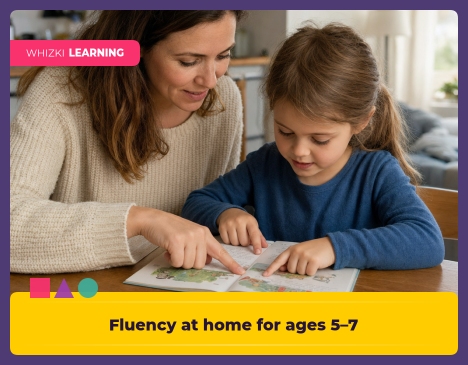
Practice 2: Partner reading, you and your child read together for a page or two. In NAEYC-aligned practice, partner reading keeps the child successful while still giving them a chance to practice their own reading.
How to do it today: Use a “together” voice for the first half of a sentence, then switch to “your turn” for the second half. Keep the goal feeling light, smooth, and doable, not perfect.
Practice 3: Reread a favorite, the same book, the same page, the same lines. Speech-language pathology work often emphasizes repeated reading because repetition builds automaticity, and automatic word reading supports comprehension.
How to do it today: Choose one favorite from the shelf, reread the same two pages, then stop. Fluency grows through consistency, so the child learns that reading gets easier each time they revisit the same text.
Fast doesn’t mean fluent, smooth does
Parents hear “fast equals good” and it makes sense, because everyone wants progress. But at the kindergarten and 1st grade level, fast reading often means skipping steps, guessing words, or losing the meaning, which is the opposite of what fluency practice is meant to build.
Fluent reading is measured by how easily a child can move through text with correct word reading and steady phrasing. When reading is smooth, comprehension has room to show up, and children feel more confident because reading stops feeling like a constant puzzle.
If your child reads a little slower, that can be a normal stage. A practical way to check progress is to listen for fewer long pauses and fewer word errors across rereads of the same pages.
Make it a week plan, with built-in success
Reading fluency practice works best when it is predictable, short, and tied to a routine. For example, after snack cleanup, a child does one page of echo reading, then one page of partner reading, then rereads two favorite pages later in the day.
To support the “word parts” that make fluency easier, connect book reading with letter and sound practice. You can use our alphabet learning hub for quick, consistent sound work that helps decoding feel more familiar.
For children who benefit from extra word recognition, add a tiny sight-words routine alongside book reading. You can revisit our sight-words printables for short, repeated reads of a small set of common words.
When a child gets frustrated, reduce the page length, switch to partner reading for one sentence, and keep the routine small. Occupational-therapy-informed classroom strategies often suggest changing the task demand, not removing the practice, so children stay engaged and successful.
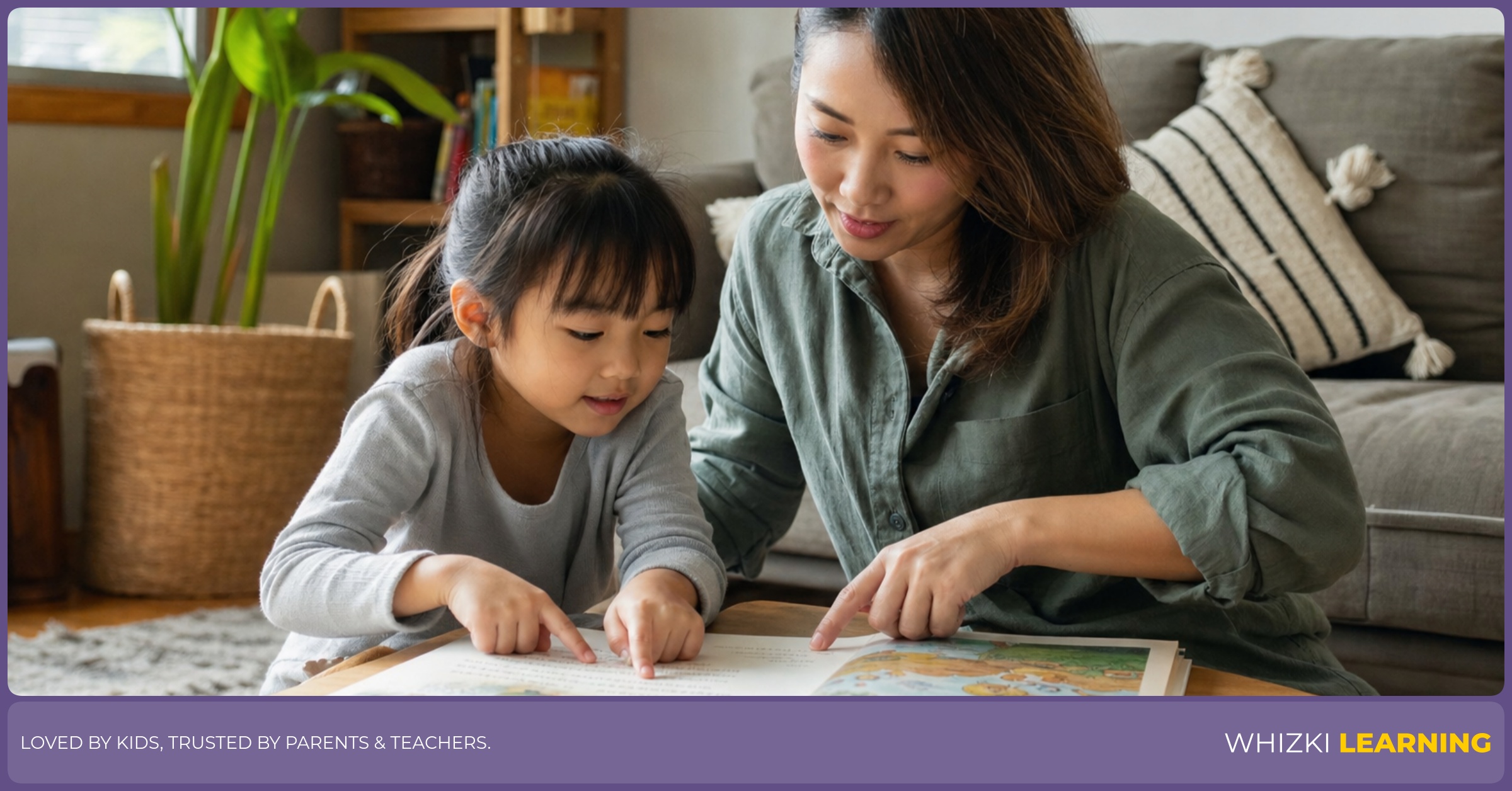
If you want fluency practice to feel simple and consistent, pair your read-aloud routines with a short, repeatable printable set. A Whizki Learning workbook or printable can give you a ready-to-go way to practice common words and the “read it again” habit, especially for kids who do best with predictable steps. Start with alphabet practice resources when decoding is still shaky.
You don’t need a perfect child-reader to get fluent reading results, you need a few good repetitions and a calm adult model. Echo reading, partner reading, and rereading a favorite book build the same skills that kindergarten and 1st grade teachers are aiming for, smoothness, phrasing, and understanding.
If you keep the routines short and listen for smoothness across rereads, your child will start to feel reading getting easier. And when reading feels easier, comprehension has space to grow.