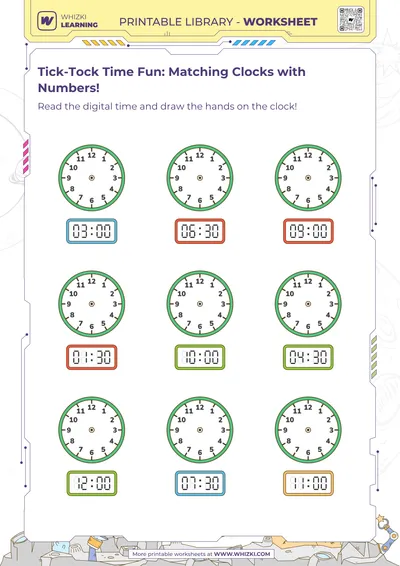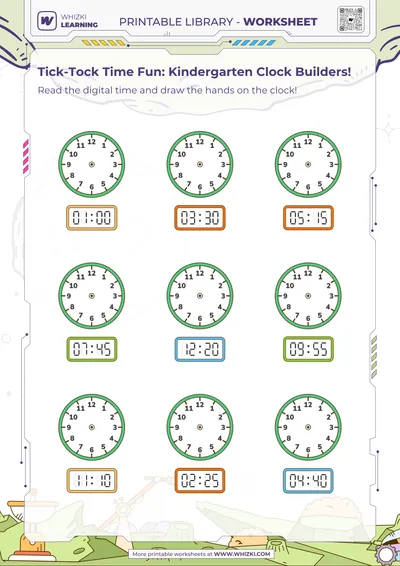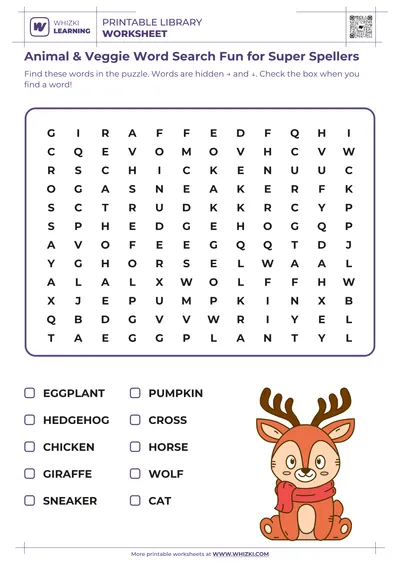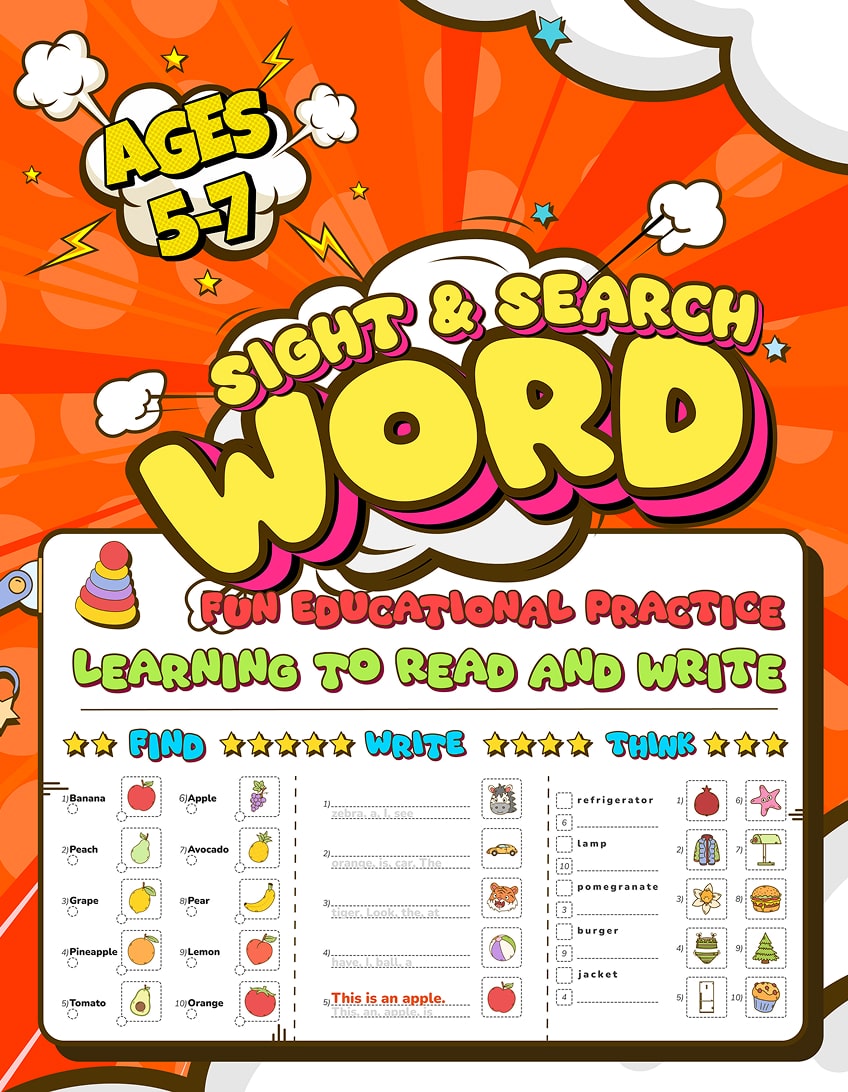

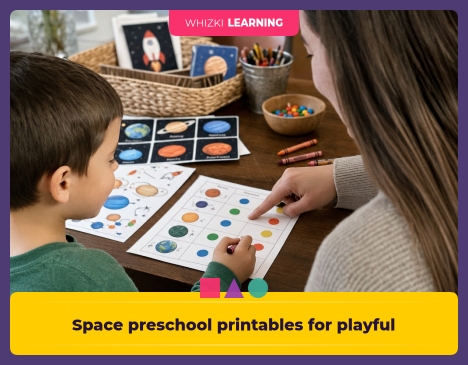
Space preschool printables help when the child wants scissors, the baby needs a snack, and the table is already sticky, so print two pages, set out crayons, and choose one tiny goal for the next ten minutes. The space theme gives familiar practice a fresh costume without asking the child to sit through a long lesson. A short table routine can feel calm when the adult names the job, watches the grip, and stops before the child is done.
Reviewed by Whizki Editorial Team, Early Childhood Education Editors.
What is inside the space pack
The space preschool printables pack works best as a menu, not a packet to finish in one sitting. NAEYC guidance reminds early-childhood teachers to match practice to age, attention, and interest, so a three-year-old may circle planets while a kindergartener writes numerals beside the same page.
Orton-Gillingham teaching also shapes the sound pages because the child sees the alien picture, says the beginning sound, and marks the matching letter with a finger or crayon. Multisensory practice matters for young learners because the hand, the ear, and the eye are all involved in the same small task.
Space page menu
- Planet counting mat
- Rocket tracing path
- Star pattern strip
- Alien sound sort
Families who want more choices can keep the space pages beside our printable library and pull one matching page when attention is short. The printable library works like a shelf, so the adult can choose counting on Monday and tracing on Tuesday without building a new plan.
Planet counting that stays hands-on
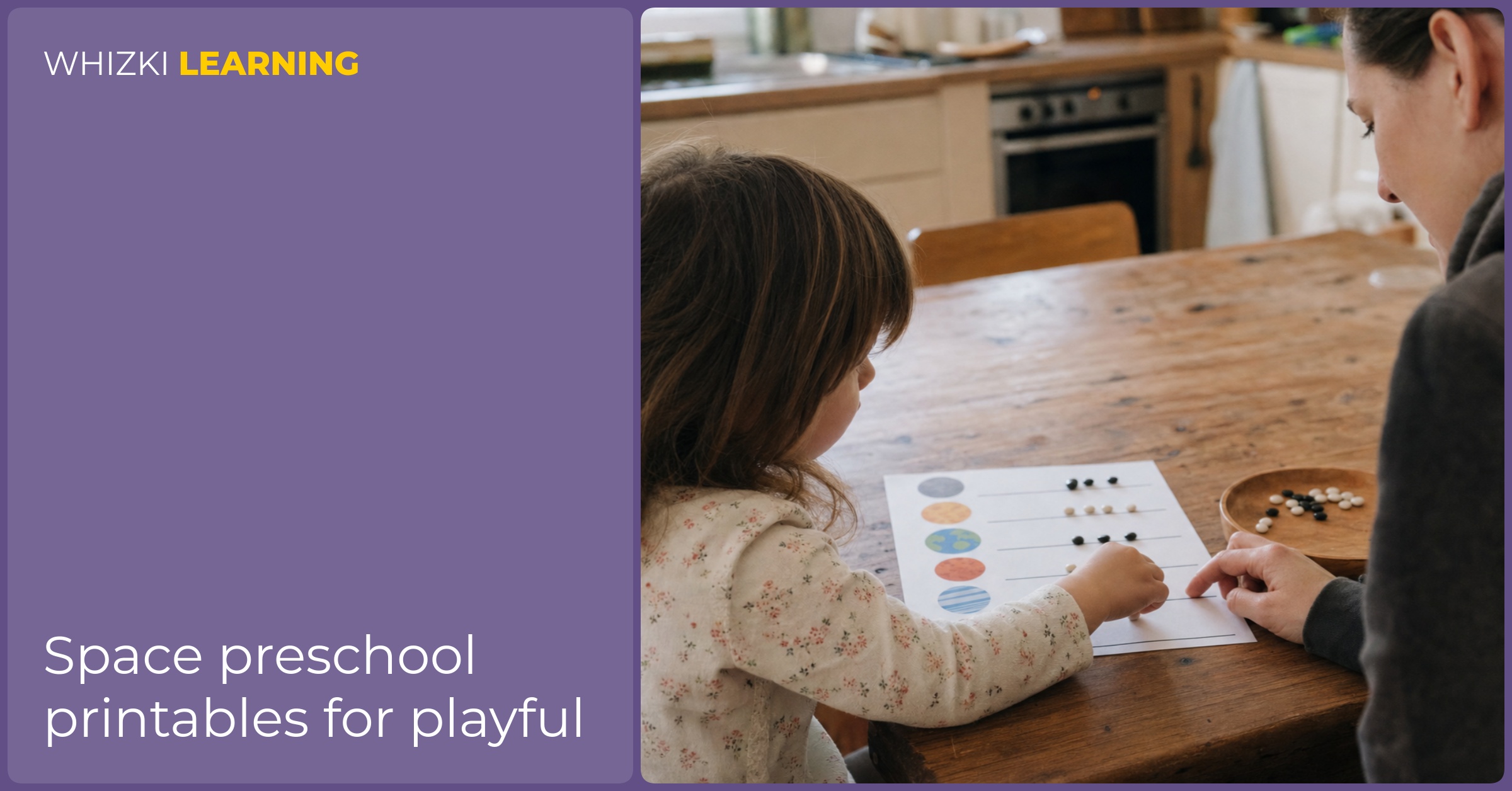
Planet counting pages should stay concrete for ages 3 to 7. Montessori number work and good preschool math both start with touchable quantities, so the child can place beans, buttons, or cereal pieces on each planet before writing or circling a number.
The adult can say, "Touch and count each planet," then pause while the child uses one-to-one correspondence. Occupational-therapy basics call that pause important because finger isolation, crossing the midline, and small hand muscles need time, not speed.
The planet counting worksheet becomes easier when the adult lowers the demand. A preschooler can count to three rockets and stop, while a kindergartener can compare two planet groups and say which group has more.
Rocket tracing and star patterns
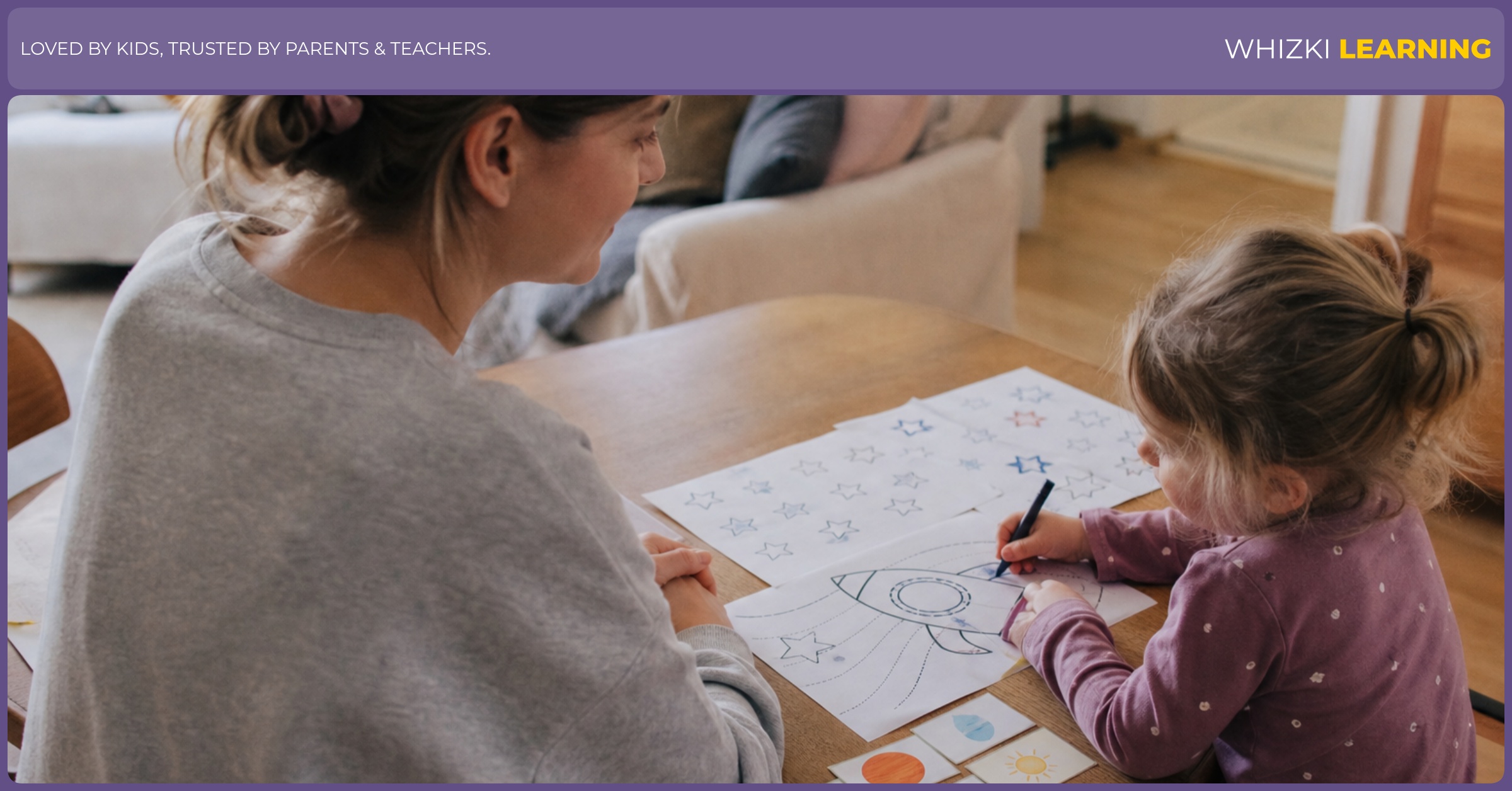
Rocket tracing pages are handwriting warm-ups, not handwriting tests. Occupational therapists often look for posture, paper position, and relaxed pencil grip before asking for prettier lines, so the adult can tape the page down or offer a broken crayon for a shorter grasp.
Star pattern strips build early algebra thinking in a very preschool way. NAEYC-aligned pattern work usually starts with copy, continue, and create, so the child can copy star, moon, star before making a new color pattern with crayons.
The tracing worksheet should end while the hand still has energy. A child who presses hard can trace with a finger first, draw through a tray of salt, or use a marker on one line instead of completing the whole page.
Alien beginning sounds
Alien beginning sounds are most useful when the adult keeps the sound clean and quick. The Orton-Gillingham approach separates the sound from the letter name at first, so the child hears /m/ for moon before choosing the letter m.
Speech-language pathology practice often starts with clear mouth cues and familiar pictures. The adult can say, "My lips close for /m/," then let the child point to moon, map, or mitten before any writing begins.
The Space Mission Skills premium worksheet set adds a ready sequence for families who want planet counting, rocket tracing, star patterns, and alien sounds grouped together. Browse our worksheet sets when the child likes a theme but still needs practice across math, motor, and phonics skills.
The complete space preschool printables pack lives in Whizki Plus for families who want the whole space set in one place. For pencil-and-paper practice that arrives already printed, our printed workbooks offer themed pages for quiet tables, travel bags, or homeschool bins.
Theme rotation keeps practice fresh
Theme rotation keeps practice fresh because the skill stays steady while the story changes. Reggio-inspired planning treats the child’s interest as useful information, so a space week can become an ocean week or a dinosaur week without changing the counting goal.
The dinosaur worksheet pack can follow a space theme when the child starts naming fossils, stomping like a T. rex, or asking for more creature pages. I like pairing a new theme with one familiar routine, so the dinosaur worksheet pack feels exciting without turning the table into a brand-new classroom.
Theme rotation should stay slow enough for the adult to notice what actually helped. A kindergarten teacher might write one note, such as counted five objects with touch points or traced curves with a relaxed hand, then choose the next printable from that observation.
Space preschool printables work best when the adult treats the theme as an invitation, not a finish line. Choose one page, name one skill, and let the child feel successful before adding another planet, rocket, star, or alien tomorrow.