PreschoolKindergartenFirst Grade

How to Track Homeschool Expenses Without Overcomplicating It

Aug 18, 2026
How to Track Homeschool Expenses Without Overcomplicating It

If homeschool receipts are living in coat pockets, email inboxes, and the bottom of the library bag, start tonight with one adult note called learning expenses, and write the date, short label, store, amount, and currency for the next purchase. A lightweight record gives the family a calmer way to see where books, supplies, classes, trips, subscriptions, and printing money actually go. The goal is family organization, not accounting, tax, reimbursement, or legal guidance.

Reviewed by Whizki Editorial Team, Early Childhood Education Editors.

Start with a tiny record you can keep

The simplest homeschool expense tracker is a running adult record, not a full budget system. NAEYC guidance asks early-childhood teachers to use documentation in ways families can understand, and the same plain habit works at the kitchen table.

The record needs six small fields: date, category, description, vendor when useful, amount, and currency. The category can be broad, because a five-dollar glue refill does not need a meeting with a spreadsheet.

The adult can open a notebook, a printable planning sheet, or a basic spreadsheet and add a line only when money is spent on learning at home. The child can help put pencils away or name a favorite book, but the adult manages the planner and children do not create accounts or sign in.
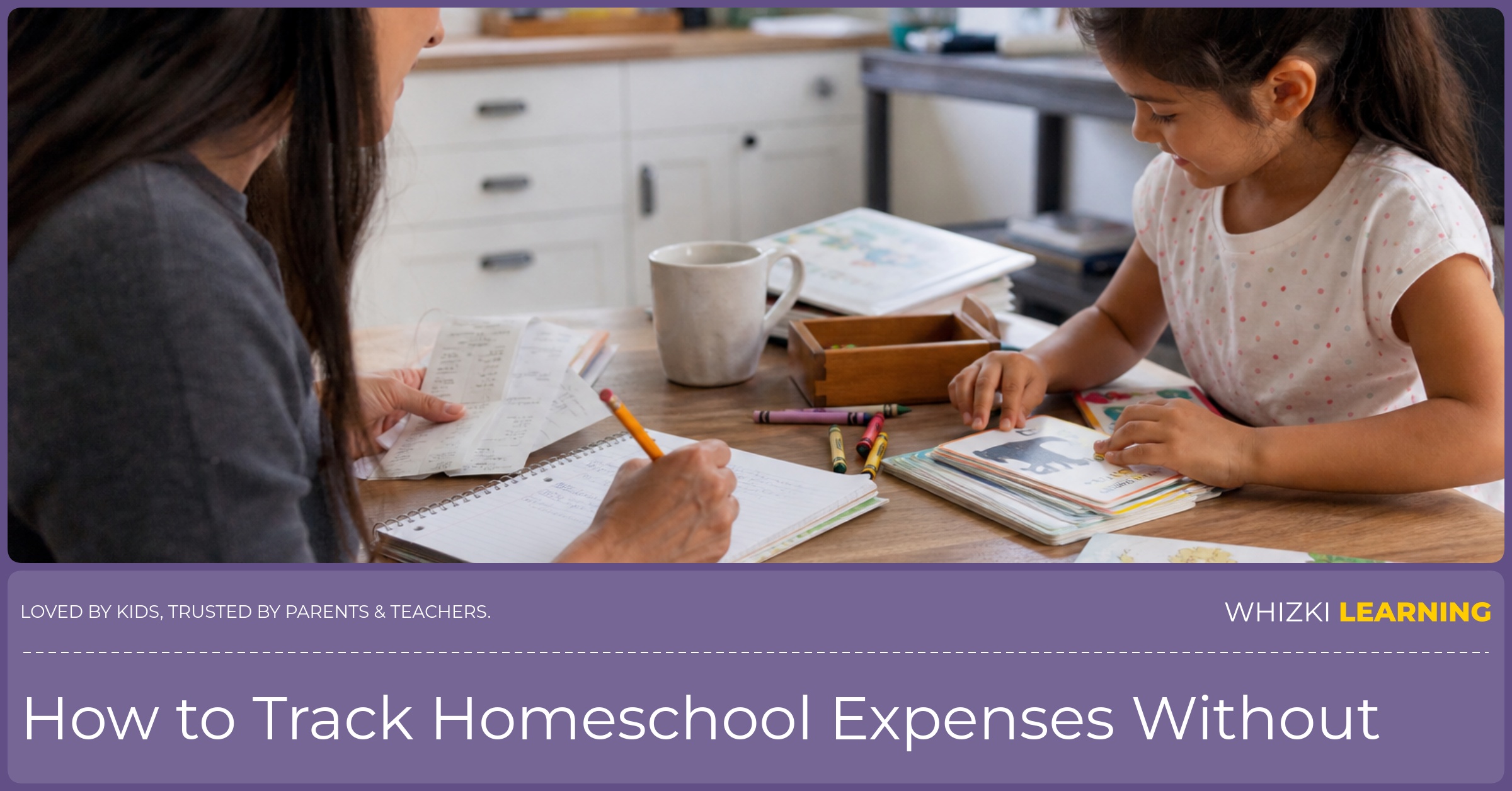
A parent writes a learning expense in a notebook while a young child sorts crayons and picture books at the kitchen table.

Choose categories that match learning at home

The category names should match the way the family actually learns. Montessori practical-life teaching keeps materials visible and purposeful, and expense categories can follow the same idea by matching real shelves, bins, and outings.

The learning expense log can use broad buckets such as books, supplies, classes, trips, subscriptions, and printing. A picture book, a box of clay, a nature center visit, an online phonics class, and a printer cartridge can each land in a place the adult can find later.

The vendor field is helpful when the adult may return to the same shop, teacher, museum, or subscription service again. Occupational-therapy basics often reduce visual clutter so a child can focus on the task, and the adult record benefits from the same simple design.

Record what happened before you review

The planning loop stays simple: choose what to try, record what actually happened, then review the useful record. Reggio-inspired observation starts with real traces of learning, and a home education expense note can serve as one adult trace of what supported the child.

The choose step can be as ordinary as picking letter tiles, watercolor paper, a library story-time parking pass, or a beginner music class. The expense note records the plan without pretending the plan is a promise.

The record step happens after the purchase or activity, when the adult writes what the family actually used. A description such as “wooden letters for sound games” or “farm trip for animal vocabulary” is enough for a 3 to 7 year old’s learning record.

The review step helps the adult notice patterns without blame. The Orton-Gillingham approach values direct, multisensory practice, so the log may show whether sand trays, letter tiles, or printed pages are being used enough to justify the cost.

A printable family learning planner can keep the expense note near the lesson idea, so the adult sees plans and real use in one place. If a digital adult workspace fits your routine, the family learning planner is a gentle place to keep planning notes without asking children to sign in.
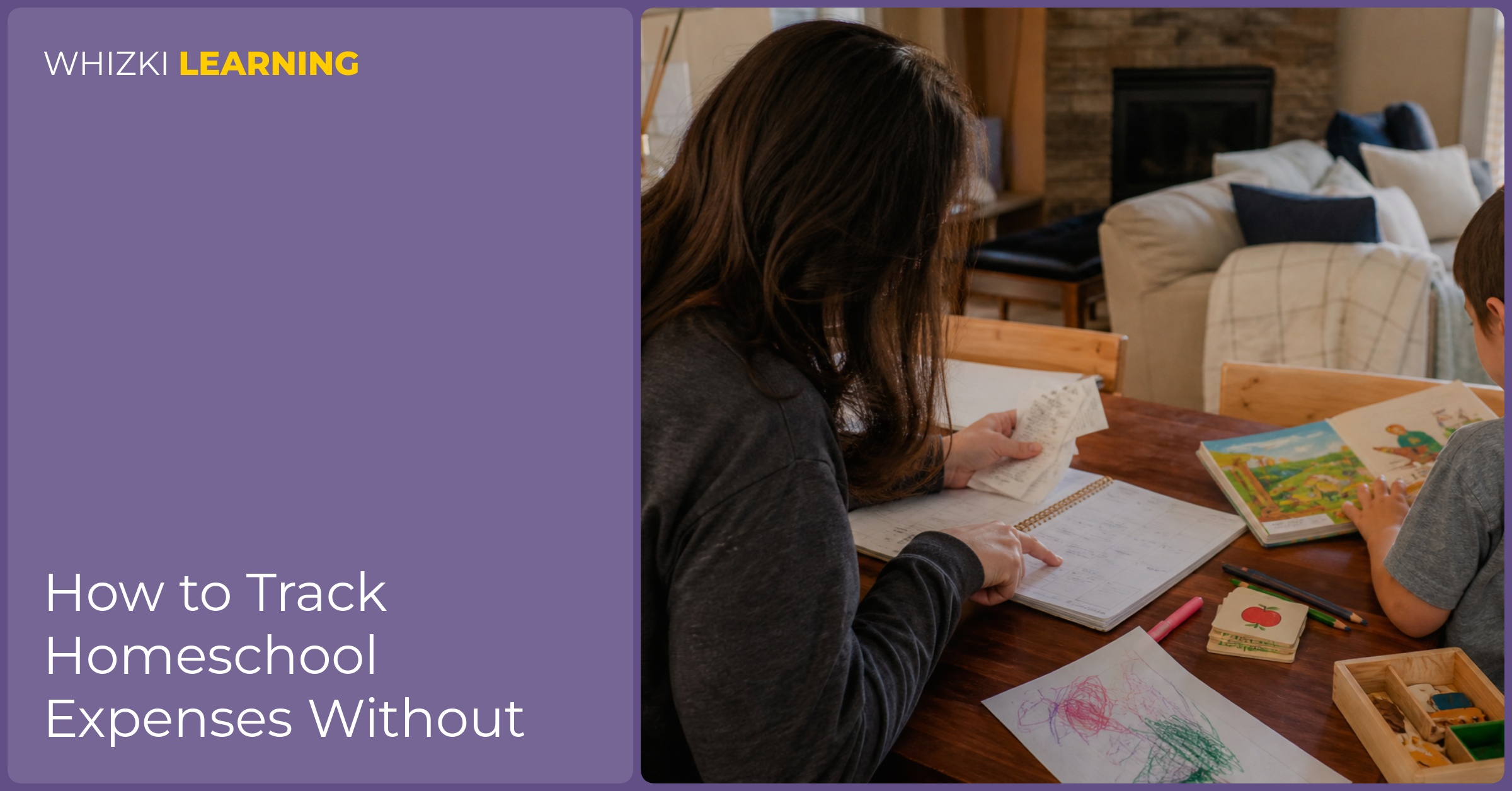
A caregiver reviews a planner and receipts while a young child handles picture books and pencils beside the page.

Keep private details out of the expense log

The privacy rule should be strict even when the expense log feels casual. Privacy box: do not enter payment card numbers, bank details, tax IDs, or a child’s sensitive information.

The planner record should use plain purchase notes, not private family documents. NAEYC ethical practice protects family confidentiality, and the same care belongs in a homeschool or classroom planning habit.

Families can read the planner data policy before choosing where adult notes will live. A paper folder or digital planner should hold only the details needed for family organization.

Review the record without turning family life into bookkeeping

The review can happen once a month or at the end of a learning season. NAEYC reflection practices ask educators to look back at what children used and enjoyed, and parents can use the same gentle habit for home education spending.

The adult can scan the log for helpful clues rather than perfect totals. If printing costs keep climbing, a reusable page protector may help, and if unused subscriptions stack up, one strong class may be better than several forgotten options.

The expense record should stay in the family-organization lane. The record is not official attendance, a transcript, proof of compliance, or legal advice.

The best tracker is the tracker the adult will keep using when dinner is late and a child needs help finding a missing red crayon. A short, useful record protects family energy while still showing where learning at home money went.

A useful homeschool expense tracker should be boring enough to keep using and clear enough to answer “Where did the learning money go?” Start with the next receipt, record the real purchase, and review after a few weeks before changing the family system.

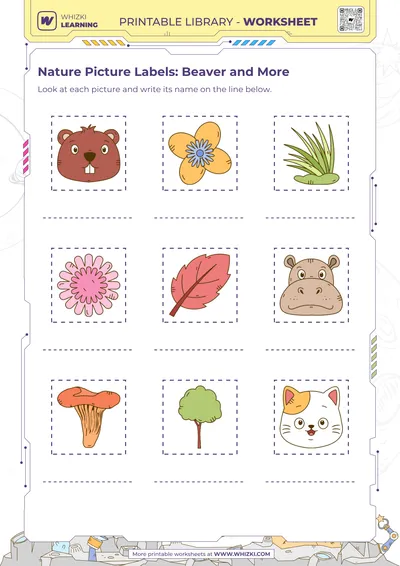
Super Shape Tracing Trail: Pencil Power Practice! Worksheet Cover BackgroundSuper Shape Tracing Trail: Pencil Power Practice!A printer-friendly pre-writing and pencil control worksheet for Preschool learners around 5 years old. Use it for quick home practice, homeschool review, classroom centers, or a calm screen-free warm-up when your child needs focused fine motor readiness.
Whizki Word Scramble Fun: First Words for Little Readers Worksheet Cover BackgroundWhizki Word Scramble Fun: First Words for Little ReadersA printer-friendly sight words and vocabulary worksheet for Kindergarten learners around 6 years old. Use it for quick home practice, homeschool review, classroom centers, or a calm screen-free warm-up when your child needs focused word recognition.
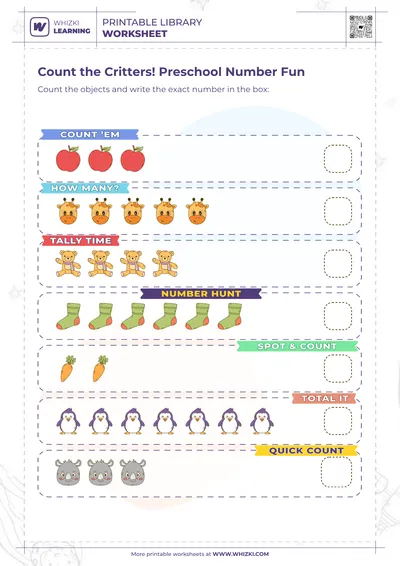
Counting Party Parade: Numbers 1-10 with Whizki Friends Worksheet Cover BackgroundCounting Party Parade: Numbers 1-10 with Whizki FriendsA printer-friendly counting and number sense worksheet for Preschool learners around 5 years old. Use it for quick home practice, homeschool review, classroom centers, or a calm screen-free warm-up when your child needs focused one-to-one correspondence.

Use the idea when it helps

Keep the useful part of this guide with your week.

Add one practical next step to the Whizki planner, then record what your family, homeschool, or classroom actually did.
Plan
Activities, books, classes, trips, or your own ideas.
Record
What was completed, skipped, moved, or changed.
Review
Time, subjects, reading, and recent progress.
See the Family PlannerFree for one learner. Children do not sign in.

Frequently asked questions

What should I include in a homeschool expense tracker?

A homeschool expense tracker should include date, category, description, vendor when useful, amount, and currency. Those fields let an adult find patterns across books, supplies, classes, trips, subscriptions, and printing. Add extra details only when the family needs them for organization, and ask a qualified professional about tax, reimbursement, or legal questions.

How often should I update a learning expense log?

A learning expense log works best when an adult updates the record soon after a purchase or activity. A quick note prevents receipts and email confirmations from becoming a weekend pile. If daily notes feel too heavy, choose one weekly reset time and keep the record short.

Is a homeschool expense tracker a tax record?

A homeschool expense tracker in this guide is for family organization, not tax guidance. The record can help an adult understand spending, but tax rules and reimbursement rules depend on the family’s location and situation. Ask a tax, legal, or program professional before using any family log for official decisions.

Can children help with the expense tracker?

Children ages 3 to 7 can help sort supplies or talk about which materials were useful, but an adult manages the planner. Young children do not create accounts, sign in, or handle private payment details. If a child’s school or program asks for records, the adult should follow that program’s directions and keep private information protected.

Limited-time savings
on Whizki workbooks.

Boost your child’s skills with our discounted workbooks. Engaging activities for preschool, kindergarten, and grade 1 - now at special sale prices!

Preschool and Kindergarten Math Workbook Ages 3-7: Numbers... Workbook Cover BackgroundPreschool and Kindergarten Math Workbook Ages 3-7: Numbers, Counting, Shapes, Time, Simple AdditionA long-format early math workbook for ages 3 to 7. Numbers, counting, shapes, telling time, and gentle addition for kids who are still learn...

-40% $8.99

List Price: $14.99
Buy Now
Summer Brain Activities Workbook for Preschool and Kinderg... Workbook Cover BackgroundSummer Brain Activities Workbook for Preschool and Kindergarten: Social Studies, Math, Addition, Number SenseThe math-leaning volume of the Summer Brain set. Number sense, simple addition, social studies, and gentle problem-solving for ages 4 to 6.

-45% $10.99

List Price: $19.99
Buy Now
Sight Words and Word Search Workbook for Kids Ages 5-7: Pr... Workbook Cover BackgroundSight Words and Word Search Workbook for Kids Ages 5-7: Pre-K, Kindergarten, 1st Grade ReadingA sight words and word search workbook for ages 5 to 7. Themed puzzles, sentence-building, and trace-and-write practice for early independen...

-40% $8.99

List Price: $14.99
Buy Now
First Learn to Trace and Write Letters: Bilingual Ukrainia... Workbook Cover BackgroundFirst Learn to Trace and Write Letters: Bilingual Ukrainian-English Handwriting Workbook for Kids Ages 3-7 (Ukrainian Edition)A bilingual Ukrainian-English handwriting workbook for ages 3 to 7. Both alphabets traced side by side, with simple first words in each lang...

-0% $16.99

List Price: $16.99

Join the Screen-Free Movement.

Get exclusive activities, expert tips, and inspiration for a more meaningful, offline family life.

Copyright © 2025 - 2026 Whizki Learning. All rights reserved.